
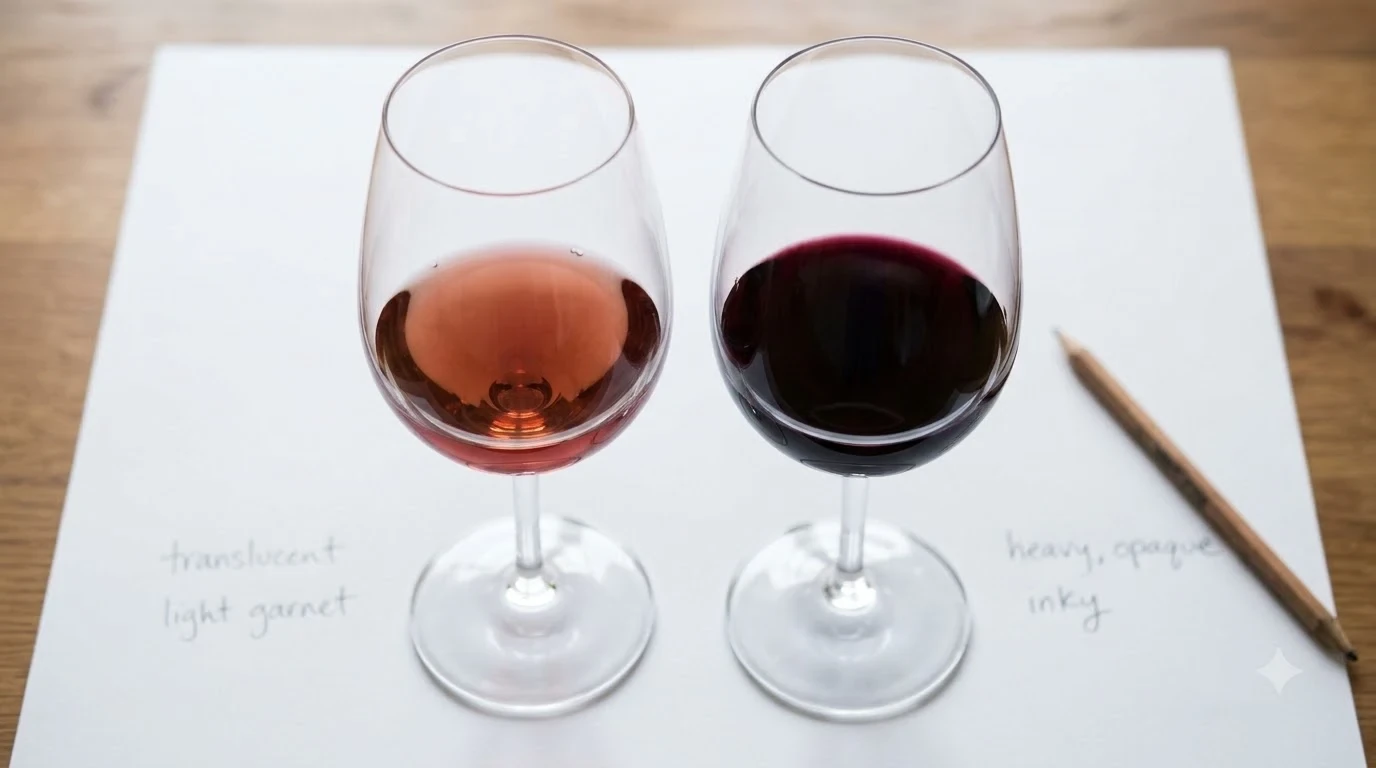

We may earn a commission when you buy through links on this page, at no extra cost to you. Learn more.
This la crema pinot noir review finds that La Crema Pinot Noir is a well-balanced California red for drinkers who enjoy ripe cherry and berry flavors, refreshing acidity, and relatively soft tannins. Its Sonoma Coast bottling combines red fruit, subtle spice, and earthy complexity without the heavy structure of Cabernet Sauvignon. It is particularly appealing for weeknight dinners, roasted poultry, pork, mushrooms, and moderately rich foods. The 2023 Sonoma Coast vintage provides a useful reference point, although individual La Crema Pinot Noir bottlings vary by vineyard and vintage.
La Crema has developed a recognizable style of California Pinot Noir that emphasizes fruit expression, balanced acidity, and approachable structure. However, the name covers more than one regional expression, so understanding the differences between Sonoma Coast, Russian River Valley, and other vineyard-designated wines matters before choosing a bottle. This guide examines the flavor profile, alcohol level, food compatibility, serving recommendations, and practical buying considerations to help determine whether La Crema deserves a place on your wine shelf.
Who Should Choose La Crema Pinot Noir?
La Crema Pinot Noir is a strong candidate for wine drinkers who prefer aromatic reds with bright fruit, moderate structure, and enough acidity to accompany food. Its combination of cherry, raspberry, spice, and subtle earthy notes makes it suitable for both casual drinking and more carefully planned dinners.
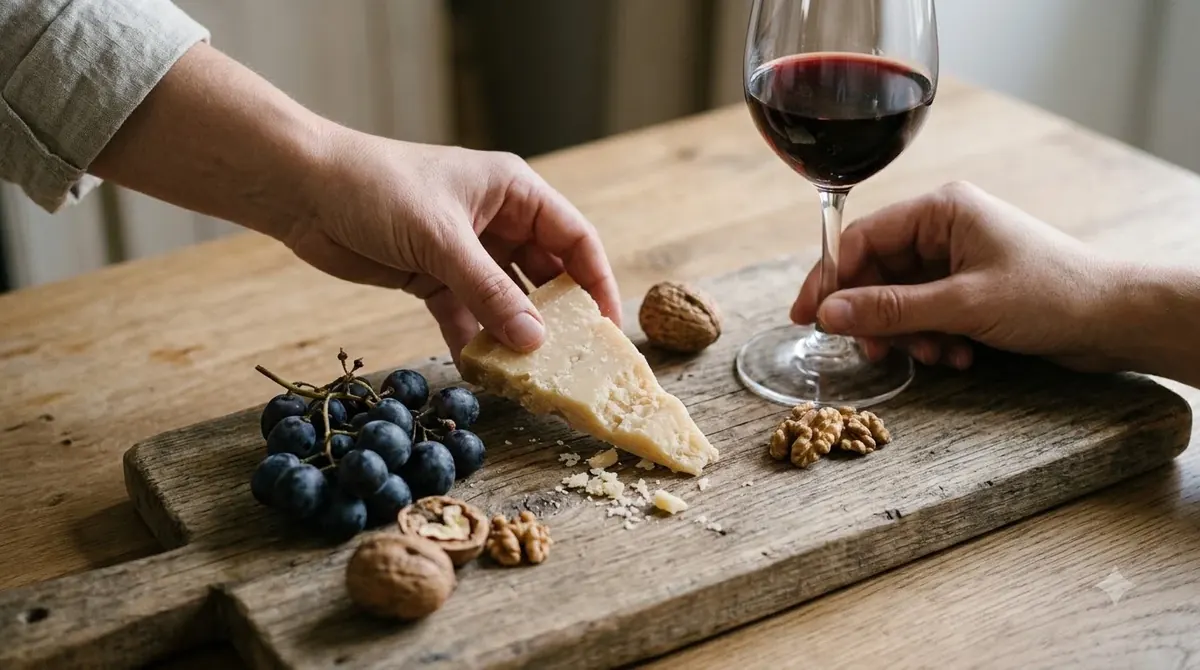
Pinot Noir generally has lower tannin than Cabernet Sauvignon and Syrah, making it a useful choice for people who find heavily structured red wines too drying. La Crema’s Sonoma Coast bottling illustrates this approachable character while retaining enough texture to work with savory dishes. Wine Enthusiast describes the 2023 Sonoma Coast release with macerated cherry, cranberry, cinnamon, plush tannins, orange-like acidity, raspberry, and mint. These characteristics suggest a wine with more personality than a simple, soft fruit-forward red.
The wine is especially suitable for several types of drinkers:
- California Pinot Noir enthusiasts: Those who enjoy Sonoma County wines and want recognizable red-fruit character with regional personality.
- Casual red wine drinkers: People who prefer moderate tannins rather than the firm grip associated with Cabernet Sauvignon.
- Dinner hosts: Anyone looking for a red that can accompany poultry, pork, mushrooms, and several cheese styles without dominating the meal.
- Explorers of regional wine styles: Drinkers interested in comparing Sonoma Coast Pinot Noir with Russian River Valley and Oregon expressions.
However, La Crema is not necessarily the right choice for someone seeking a powerful, heavily extracted red with dense black fruit and pronounced tannins. Pinot Noir has a different purpose. Its appeal comes from aromatic detail, freshness, and balance rather than sheer weight.
It is also important to distinguish between the standard regional bottlings and more specific vineyard expressions. A Sonoma Coast Pinot Noir and a Green Valley of Russian River Valley Pinot Noir can differ in concentration, texture, and aromatic detail even when they share the same producer.
For readers researching the producer’s broader range, the Wine Brands section provides a useful starting point for understanding how winery identity and regional sourcing influence the finished wine.
Key Factors to Compare Before Buying
The most useful buying considerations are regional origin, vintage, flavor profile, alcohol content, acidity, and production details. Looking at these factors together gives a more reliable impression of a particular bottle than relying on the La Crema name alone.
Start with the regional designation. Sonoma Coast is a broad California appellation associated with coastal influences and varied growing conditions. Russian River Valley and Green Valley offer different regional identities, so two La Crema Pinot Noir bottles should not automatically be treated as interchangeable.
| Comparison factor | What to look for | Why it matters |
|---|---|---|
| Grape variety | 100% Pinot Noir in the 2023 Sonoma Coast bottling | Identifies the primary grape behind the wine’s character |
| Region | Sonoma Coast, Russian River Valley, or another named area | Provides context for regional differences |
| Alcohol | 13.5% ABV for the 2023 Sonoma Coast release | Helps establish the wine’s general weight and alcohol level |
| Bottle size | 750 ml | Standard size for approximately five 5-ounce servings |
| Acidity | 5.4 g/L total acidity for the 2023 Sonoma Coast release | Helps explain freshness and food compatibility |
| pH | 3.73 for the 2023 Sonoma Coast release | Provides a technical indication of acidity |
| Serving temperature | 55–60°F | Helps preserve aromas and balance |
| Oak influence | Look for vintage-specific production information | Can influence texture, spice, and toast characteristics |
The figures in this table are specific to the 2023 Sonoma Coast bottling where applicable. They should not be assumed to describe every La Crema Pinot Noir. The producer’s official 2023 Sonoma Coast Pinot Noir product information provides the technical details for that particular release.
Vintage is another important consideration. Growing conditions change from year to year, influencing grape ripeness, acidity, aromatic intensity, and the final balance of the wine. A bottle from one harvest may emphasize fresh cranberry and tart cherry, while another may show more concentrated raspberry, plum, or darker fruit.
Independent reviews can provide another useful perspective. Wine Enthusiast’s assessment of the 2023 Sonoma Coast Pinot Noir identifies the combination of cherry, cranberry, cinnamon, plush tannins, orange acidity, raspberry, and mint. That description offers a helpful reference for understanding the wine’s style, but it should not be treated as a guarantee that every vintage will taste identical.
Finally, consider the intended occasion. A lighter, fresher Pinot Noir can be excellent with lunch or an informal dinner, while a more concentrated vineyard-designated bottling may be better suited to a special meal. The right selection depends on the level of intensity desired rather than the assumption that a more expensive or more specific regional label must always be better.
Step-by-Step: How to Evaluate and Serve a Bottle
A straightforward evaluation process helps identify whether a particular La Crema Pinot Noir matches your preferences. Focus on the label, appearance, aromas, palate, and serving conditions rather than relying on one tasting characteristic.
-
Identify the regional bottling.
Begin by checking whether the bottle says Sonoma Coast, Russian River Valley, Green Valley, or another specific designation. This establishes which regional expression you are evaluating and prevents confusion between different La Crema wines.
-
Check the vintage and alcohol level.
Look at the harvest year and alcohol percentage. The 2023 Sonoma Coast reference bottling is 13.5% ABV, but another release may have a different figure. Alcohol content provides useful context when comparing bottles and planning a meal.
-
Bring the wine to the appropriate temperature.
La Crema recommends serving its Pinot Noir at approximately 55–60°F. If the bottle has been stored at normal indoor temperatures, a short refrigerator chill can help bring it into a more suitable range.
-
Choose an appropriate glass.
A Burgundy-style glass with a relatively large bowl is a good option. Its shape gives aromatic wines room to develop and makes it easier to examine delicate fruit, floral, and earthy characteristics.
-
Observe the appearance.
Pour a small amount and examine the color against a white background. Pinot Noir commonly shows ruby, cherry-red, or garnet tones, depending on the vintage and development of the wine.
-
Evaluate the aromas.
Start with the glass still, then gently swirl it. Look for red cherry, cranberry, raspberry, cinnamon, floral notes, and subtle earthy or herbal characteristics. Different vintages may emphasize different elements.
-
Assess the palate.
Consider the balance between fruit, acidity, tannin, alcohol, and finish. A good example should have enough freshness to keep the fruit from feeling heavy and enough structure to complement savory food.
Tip: Avoid serving Pinot Noir straight from a warm kitchen counter. Chill the bottle for approximately 15–20 minutes in the refrigerator, then check whether it has reached the 55–60°F serving range. A slightly cool serving temperature can make the wine’s acidity and fruit feel more balanced.
Decanting is optional rather than a strict requirement. Many approachable Pinot Noir bottlings can be enjoyed shortly after opening. If the wine initially seems closed or muted, give it 15–30 minutes in the glass and reassess its aromas. A gentle introduction to air is often sufficient for this style.
For an older bottle, be more careful with extended aeration. Delicate fruit aromas can become less expressive if a wine that has already developed in the bottle is left exposed to air for too long.
Types and Styles of La Crema Pinot Noir Explained
La Crema’s Pinot Noir range includes regional and more specific vineyard expressions, making the label’s geographic information particularly important. The differences between Sonoma Coast, Russian River Valley, and other California bottlings can influence fruit intensity, acidity, texture, and overall drinking experience.
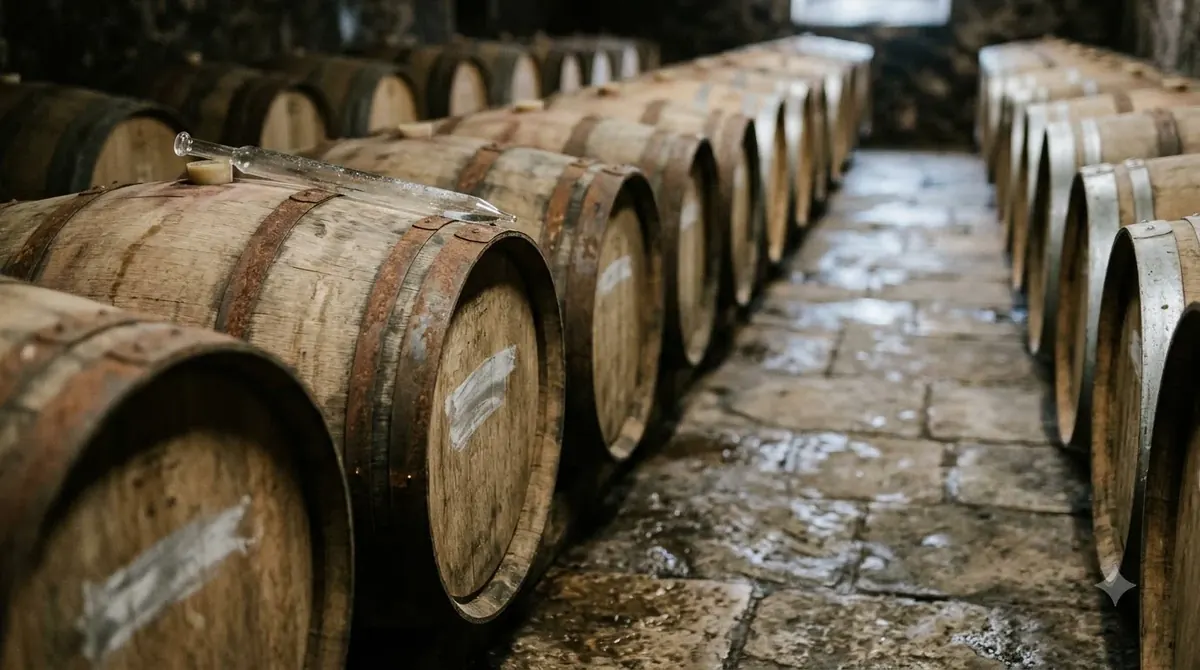
Sonoma Coast Pinot Noir
The Sonoma Coast bottling is a useful introduction to the producer’s California Pinot Noir style. The 2023 release is made from 100% Pinot Noir and has 13.5% ABV. La Crema describes red-fruit and mocha aromas, followed by red cherry, blood orange, dark berry fruit, and spice.
The wine’s published acidity of 5.4 g/L and pH of 3.73 provide additional technical context. Its combination of balanced acidity and fine tannins makes it a practical choice for meals involving roasted poultry, pork, mushrooms, and other savory ingredients.
Wine Enthusiast’s review of the same vintage highlights cranberry, macerated cherry, cinnamon, raspberry, mint, and orange-like acidity. The review supports the impression of a fruit-driven but structured Pinot Noir rather than an especially heavy red.
Russian River Valley Pinot Noir
Russian River Valley is another important regional expression within La Crema’s Pinot Noir portfolio. Its wines can offer a different balance of fruit concentration, aromatic character, and texture from the broader Sonoma Coast bottling.
Wine Enthusiast’s 2023 Green Valley of Russian River Valley review describes roasted cherry, cocoa, purple flowers, cranberry compote, salty plum, and cola spices. It also identifies plush tannin and juicy acidity, demonstrating that the producer’s more specific regional wines can have their own distinctive personality.
Green Valley is a named subregion within the broader Russian River Valley area. This distinction matters because a specific growing area can communicate a more focused regional identity than a general Sonoma County designation.
Los Carneros Pinot Noir
Los Carneros provides another regional point of comparison. Wine Enthusiast’s review of La Crema’s 2023 Los Carneros Pinot Noir identifies cherry, raspberry, minty herbs, and spiced floral aromas, with roasted berries, pomegranate, cedar, cocoa, and orange peel on the palate.
This description suggests a wine that combines ripe fruit with herbal and savory details. Its character can appeal to drinkers who enjoy Pinot Noir with a little more aromatic complexity rather than straightforward cherry and raspberry flavors alone.
Vineyard-Designated Bottlings
Vineyard-designated Pinot Noir provides another way to explore the producer’s range. A specific vineyard name gives the buyer more information about the fruit’s origin than a broad regional designation alone.
For example, Wine Enthusiast’s review of the 2023 Sealift Vineyard Pinot Noir from West Sonoma Coast describes tart cherry, cola spices, black tea, flowers, cranberry, raspberry compote, black plum, cocoa, rose petals, and fresh herbs. The review also describes plush tannin and juicy acidity.
These more specific wines can be useful for experienced Pinot Noir drinkers who enjoy comparing different growing areas. However, the regional designation and vineyard name should be considered alongside the actual vintage and tasting description rather than treated as automatic indicators of quality.
For a broader comparison, the La Crema Pinot Noir overview can help readers distinguish the available regional expressions and understand which bottling deserves closer attention.
Common Mistakes When Buying and Drinking La Crema Pinot Noir
Several common mistakes can make La Crema Pinot Noir seem less enjoyable than it should be. The biggest problems involve confusing regional bottlings, serving the wine too warm, expecting Cabernet Sauvignon-style structure, and pairing it with foods that overwhelm its delicate character.
Assuming Every Bottle Tastes the Same
La Crema’s Pinot Noir range is not a single uniform wine. Sonoma Coast, Russian River Valley, Green Valley, and Los Carneros expressions can show meaningful differences in fruit, acidity, and texture.
A buyer who enjoys one regional bottling should not assume another will taste identical. The specific region and vintage should always be part of the buying decision.
Serving the Wine Too Warm
Traditional room temperature is often warmer than ideal for Pinot Noir. In a home maintained around 70–75°F, the alcohol can become more noticeable and the wine may seem heavier than intended.
Serving between 55°F and 60°F helps preserve freshness and aromatic detail. The producer’s serving guidance specifically recommends this range for its Pinot Noir.
Expecting Heavy Tannins
Pinot Noir is not generally structured like Cabernet Sauvignon. Pinot Noir typically has low-to-medium tannin and relatively high acidity, while Cabernet Sauvignon usually has much firmer tannins.
La Crema’s fruit, acidity, and moderate tannin profile make it a different proposition from a powerful steakhouse red. Drinkers who want dense black fruit and a strong drying sensation may prefer a different grape variety.
Pairing It With Overpowering Foods
Very spicy sauces, strongly smoked meats, and intensely sweet glazes can overwhelm the wine’s subtler flavors. Chili heat can also become more pronounced alongside alcohol and tannin.
Another common mismatch is serving tannic red wine with delicate oily fish. Pinot Noir is generally less tannic than Cabernet Sauvignon, but seafood choices should still be considered carefully. Salmon and richer fish preparations can work better than delicate fish served with a very mild sauce.
Confusing Dryness With Fruitiness
Ripe cherry, raspberry, and plum flavors can make a red wine seem sweet even when it is technically dry. Fruit intensity does not necessarily indicate significant residual sugar.
La Crema Pinot Noir is generally approached as a dry red wine. Its ripe fruit profile should be understood as an expression of the grape and growing conditions rather than evidence that the wine is a sweet dessert-style red.
For readers comparing different bottles, the La Crema Pinot Noir alcohol content guide provides additional context about ABV and how alcohol levels influence the overall drinking experience.
Food Pairing, Serving and Storage Tips
La Crema Pinot Noir works particularly well with foods that complement its red fruit, fresh acidity, and moderate tannins. Roasted poultry, pork, mushrooms, salmon, and mild cheeses are useful starting points because they allow the wine’s aromatic character to remain noticeable.
Best Food Pairings
Roasted chicken and turkey: Roasted poultry is one of the most dependable matches. The savory skin, moderate fat, and browned flavors complement Pinot Noir without overpowering its fruit. Herb-roasted chicken with thyme, rosemary, or garlic is especially suitable.
Pork tenderloin: Pork has enough richness to work with the wine’s acidity while remaining delicate enough to preserve its aromatic character. Roasted pork with mushrooms or a restrained fruit-based sauce can make a particularly good combination.
Mushroom risotto: Earthy mushrooms complement the savory and forest-floor characteristics often found in Pinot Noir. Creamy risotto also provides enough richness to balance the wine’s freshness.
Salmon: Pinot Noir can work with salmon, particularly when the fish is roasted, grilled, or pan-seared. Its relatively modest tannin level makes it more suitable for richer fish than heavily tannic reds. Avoid overly spicy sauces that could make the alcohol feel more pronounced.
Cheese: Brie and aged Gouda are useful choices. Their creamy or savory characteristics can complement the wine’s fruit and acidity without overwhelming it.
Vegetarian dishes: Roasted beets, root vegetables, grilled eggplant, and mushroom-based dishes provide complementary savory flavors. A beet and goat cheese salad can also work well, particularly when the dressing has enough acidity.
For more specific combinations, the La Crema Pinot Noir food pairing guide can help match the wine with different dinner styles and ingredients.
Serving Temperature and Glassware
La Crema recommends serving its Pinot Noir at 55–60°F. This is cooler than the temperature of many modern homes and helps preserve the wine’s aromatic freshness.
A Burgundy-style glass is a sensible choice because its wider bowl gives the wine room to release aromas. A standard red wine glass also works if specialized glassware is unavailable.
Pour approximately 5 ounces per serving. A standard 750 ml bottle contains about five such glasses, making it suitable for a small dinner gathering.
Decanting and Opening
Most approachable La Crema Pinot Noir bottlings do not require extensive decanting. Start by opening the bottle and allowing the wine to breathe briefly. If the aromas seem restrained, pour a glass and give it 15–30 minutes before deciding whether additional aeration is useful.
For more developed bottles, avoid assuming that longer decanting automatically improves the wine. Pinot Noir’s aromatic delicacy can be diminished by excessive exposure to oxygen.
Storage Before and After Opening
For longer-term storage, a consistent temperature near 55°F is a useful target. La Crema also recommends humidity between 50% and 80%, protection from ultraviolet light, minimal vibration, and an odor-free storage environment.
Store cork-finished bottles horizontally when appropriate to keep the cork from drying out. Avoid placing wine near ovens, radiators, sunny windows, or appliances that create repeated temperature changes.
After opening, reseal the bottle and place it in the refrigerator. Most opened still wines remain enjoyable for approximately 3–5 days, although Pinot Noir is generally most expressive during the earlier part of that period. Allow a refrigerated bottle to warm slightly before pouring another glass.
Frequently Asked Questions
Is La Crema Pinot Noir suitable for someone new to red wine?
Yes, it can be a good introduction to Pinot Noir because the grape generally has less tannin than Cabernet Sauvignon. Its aromatic fruit profile also gives new drinkers several recognizable flavors to identify. A standard Sonoma Coast bottling is a sensible starting point for exploring the producer’s style.
How many calories are in a glass of La Crema Pinot Noir?
The exact calorie count depends on the particular bottling and its residual sugar and alcohol content. A typical 5-ounce serving of dry red wine at approximately 13.5% ABV contains roughly 120–130 calories. This is an estimate rather than a manufacturer-published nutritional value for every La Crema vintage.
Does La Crema Pinot Noir contain sulfites?
Wine naturally contains some sulfites, and commercial wines commonly contain additional sulfites used during production and preservation. Bottles containing at least 10 parts per million of sulfites must carry the applicable sulfite declaration under US labeling rules. The precise sulfite concentration of an individual La Crema bottling is not established by its general tasting description.
Can La Crema Pinot Noir be used for cooking?
Yes. A dry Pinot Noir can be used in mushroom sauces, pan sauces for pork, and certain braised dishes. Its acidity and red-fruit character can add depth to a sauce, but avoid reducing it excessively because concentrated wine flavors can become overly sharp.
Should La Crema Pinot Noir be aged for several years?
That depends on the specific bottling, vintage, and storage conditions. Many approachable regional Pinot Noir wines are intended to be enjoyed relatively young, while certain vineyard-designated releases may have greater development potential. Without a vintage-specific aging recommendation, it is better not to assume that extended cellaring will improve every bottle.
La Crema Pinot Noir is a worthwhile option for drinkers seeking California Pinot Noir with ripe red fruit, balanced acidity, and approachable tannins. The Sonoma Coast bottling makes a particularly useful starting point, while Russian River Valley and vineyard-designated expressions offer opportunities to explore additional regional character. Choose according to the specific vintage, serve it slightly cool, and pair it with savory foods such as roasted chicken, pork, mushrooms, and mild cheeses for an enjoyable experience.
More in Wine Brands
 Underwood Wine Price: Compare Bottles, Cans, and Pack SizesUpdated Nov 21, 2026
 Zenato Wine Price: Compare Styles and Choose the Right BottleUpdated Nov 21, 2026
 Zuccardi Wine Price: Compare Bottles and Find the Right RangeUpdated Nov 21, 2026
 Yellow Tail Moscato Review: Taste, Sweetness and Serving TipsUpdated Nov 21, 2026
 Wolf Blass Yellow Label Review: Choose Your Best StyleUpdated Nov 21, 2026
 Wolffer Estate Rose Review: Choose the Right Bottle for Your TableUpdated Nov 21, 2026