

We may earn a commission when you buy through links on this page, at no extra cost to you. Learn more.
The typical bogle wine price ranges from about $5 to $20 per 750 ml bottle, depending on the variety, collection, and retailer. Everyday selections such as Cabernet Sauvignon, Chardonnay, Merlot, and Sauvignon Blanc generally occupy the lower end of that range, while Phantom wines and specialty bottlings cost more. Comparing the individual wine styles, bottle sizes, and local retailer listings helps shoppers find the right Bogle bottle without paying extra for a style they do not need.
Bogle Family Vineyards offers a broad California wine selection that includes familiar varietals, approachable red blends, and more distinctive selections. That variety makes the brand relevant to shoppers looking for an affordable bottle for dinner, a casual gathering, or a small wine collection. However, not every bottle carries the same retail price, and the difference between an everyday label and a premium selection can be meaningful.
This guide explains typical American retail price ranges, compares popular Bogle varieties, and shows how to choose a bottle according to taste, food, and occasion. It also covers the practical details that affect what shoppers pay, including retailer availability, bottle size, and the distinction between standard and specialty wines.
Who This Is For
Bogle wine is worth considering for shoppers who want recognizable California varietals at accessible retail prices. Its selection covers several familiar grape varieties, so buyers can choose according to their preferred flavor profile rather than committing to one house style.
First-time buyers may appreciate the straightforward choices. A Cabernet Sauvignon drinker can begin with the regular Cabernet, while someone who prefers a softer red can consider Merlot or Pinot Noir. White wine drinkers have options including Chardonnay, Sauvignon Blanc, Pinot Grigio, and Chenin Blanc. Red blend enthusiasts can explore Essential Red or Phantom Red.
The brand is also relevant to households that regularly serve wine with meals. A bottle of Chardonnay can accompany roasted chicken, seafood, or creamy pasta, while Cabernet Sauvignon and Merlot provide options for beef dishes and other savory foods. A versatile red blend can work for a less formal gathering where guests have different preferences.
Shoppers comparing several bottles should also distinguish between an everyday purchase and a more distinctive wine for a special occasion. The standard range generally provides the more economical starting point. Phantom and other specialty selections can be considered when a different presentation or style is the main priority.
This guide is particularly useful for three types of buyers:
- Budget-conscious shoppers: People looking for a recognizable California wine without moving into a higher-priced category.
- Varietal enthusiasts: Buyers who know whether they prefer Cabernet Sauvignon, Chardonnay, Merlot, or another grape.
- Occasional wine drinkers: People who want an approachable bottle for a dinner, celebration, or weekend gathering.
Those interested in the wider selection can also explore this overview of Bogle wine, which provides additional context about the brand and its different bottles. The important starting point is to decide what style is appropriate before comparing retailer prices.
Key Factors to Compare
The most useful way to compare Bogle bottles is to look at the wine category, collection, bottle size, and retailer. These four factors explain much of the variation between everyday selections and more expensive specialty labels.
1. Wine variety. A grape variety influences the wine’s structure, flavor, and intended use. Cabernet Sauvignon typically has higher tannin and a firmer structure than Merlot, while Pinot Noir generally has lighter tannins and more pronounced acidity. Chardonnay offers a different experience from Sauvignon Blanc, which is generally more refreshing and higher in acidity.
2. Collection and positioning. Standard Bogle varietals are the natural starting point for economical purchases. Phantom wines occupy a more premium position in the available retail selection. Specialty labels should be compared separately rather than assumed to have the same pricing as the everyday bottles.
3. Bottle size. Most of the commonly listed Bogle wines are sold in 750 ml bottles. Total Wine & More also lists Petite Sirah Port in a 500 ml format. A smaller bottle is not directly comparable with a standard bottle by shelf price alone, so buyers should consider the volume as well as the amount paid.
4. Retailer and location. Prices can vary between supermarkets, wine stores, and specialist retailers. State alcohol regulations, distribution arrangements, local availability, and shipping policies can all affect the final amount. A displayed online price may also apply only to a particular delivery area or store.
The following table summarizes useful planning ranges for the main categories. These are approximate US retail ranges, not guaranteed prices for every location or vintage.
| Bogle wine category | Typical US retail range | Examples | Buying consideration |
|---|---|---|---|
| Everyday red varietals | About $7–$13 | Cabernet Sauvignon, Merlot, Pinot Noir | Good starting point for regular meals |
| Everyday white varietals | About $5–$13 | Chardonnay, Sauvignon Blanc, Pinot Grigio | Compare acidity and texture |
| Red blends | About $7–$15 | Essential Red, specialty blends | Useful for flexible food pairing |
| Specialty and premium wines | About $12–$20 | Phantom Red, Phantom Chardonnay | Compare collection and style |
| Fortified wine | About $15–$20 | Petite Sirah Port | Consider the smaller 500 ml format |
These category estimates are broad shopping guides based on the retail selections and comparison ranges published by Vino Alert and Total Wine & More. Vino Alert’s tracked listings show prices beginning around $5 and extending to approximately $19, while Total Wine’s catalog includes standard wines and higher-priced Phantom selections. Prices vary by state and retailer, and the table should not be treated as a guaranteed quote for an individual bottle.
For a more detailed comparison, the Vino Alert Bogle price comparison provides a useful overview of the different labels and retailers it tracks. Its displayed figures are useful as reference points, but local store availability should still be considered.
Another helpful distinction is between the shelf price and the price per serving. A standard 750 ml bottle contains approximately five 5-ounce glasses. That means a bottle purchased for about $10 works out to roughly $2 per standard glass before taxes and other costs. This calculation can make it easier to compare wine for a dinner party against buying individual servings elsewhere.
Step-by-Step: How to Choose a Bogle Bottle
A sensible Bogle purchase begins with the occasion and preferred style, followed by a comparison of bottle size and retailer listings. Following a simple process makes it easier to avoid paying more for a wine that does not suit the meal or the people drinking it.

-
Set a realistic spending range.
Decide how much to spend before browsing. An everyday bottle and a bottle for a special dinner do not need to serve the same purpose. A shopper planning a casual weeknight meal might concentrate on the standard varietals, while someone looking for a more distinctive bottle can compare the Phantom selection.
-
Choose red, white, or rosé.
Start with the broad category. Red wines generally suit heartier dishes, whites are versatile with poultry and seafood, and rosé can work with salads, grilled vegetables, and lighter summer meals. The right category narrows the selection immediately.
-
Select the grape or blend.
For a structured red, consider Cabernet Sauvignon. For softer tannins, Merlot may be a better fit. Pinot Noir is a useful alternative for someone who prefers lighter-bodied reds. White wine buyers can compare Chardonnay’s generally moderate acidity with Sauvignon Blanc’s brighter acidity.
-
Decide whether a specialty collection is necessary.
Look at the regular range first. If the standard selection meets the occasion and taste preference, there may be little reason to spend more. Consider Phantom or another specialty label when its particular style or positioning is appealing.
-
Compare the same bottle at different retailers.
Use the exact wine name and bottle size when checking listings. A Cabernet Sauvignon should be compared with the same Cabernet Sauvignon rather than with a premium red blend. This avoids confusing differences in wine style with differences in retail pricing.
-
Calculate the value per serving.
A 750 ml bottle provides about five standard 5-ounce pours. If the bottle is intended for four guests, it provides enough for one serving each with a little left over. For larger gatherings, calculate the number of bottles required before buying.
-
Match the wine with the food.
Consider the main ingredient, seasoning, sauce, and cooking method. Cabernet Sauvignon can complement grilled beef, while Chardonnay is suitable for roast chicken or richer seafood preparations. Food pairing is an important part of deciding whether a bottle represents good value.
-
Check the final purchase details.
Confirm the bottle size, vintage where relevant, store location, delivery eligibility, and final checkout amount. State taxes and retailer policies may affect the total. A wine that appears inexpensive online may not be available for delivery to every address.
This process is especially helpful when comparing several Bogle labels at once. It prevents buyers from choosing a wine simply because it appears to be the cheapest bottle on the shelf.
Tip: Compare the exact same Bogle wine and bottle size across retailers. A standard 750 ml Cabernet Sauvignon and a 500 ml fortified wine are different purchases, even if their displayed prices appear similar.
Types and Styles Explained
Bogle’s selection includes familiar varietal wines, red blends, white wines, rosé, and fortified wine. Understanding the differences between these categories helps explain why two bottles from the same producer can have different retail positions and appeal to different drinkers.
Cabernet Sauvignon
Cabernet Sauvignon is a useful starting point for people who enjoy full-bodied red wine. It generally has high tannin, a firm structure, and dark-fruit characteristics. Bogle’s Cabernet Sauvignon is listed by major retailers in the standard 750 ml format.
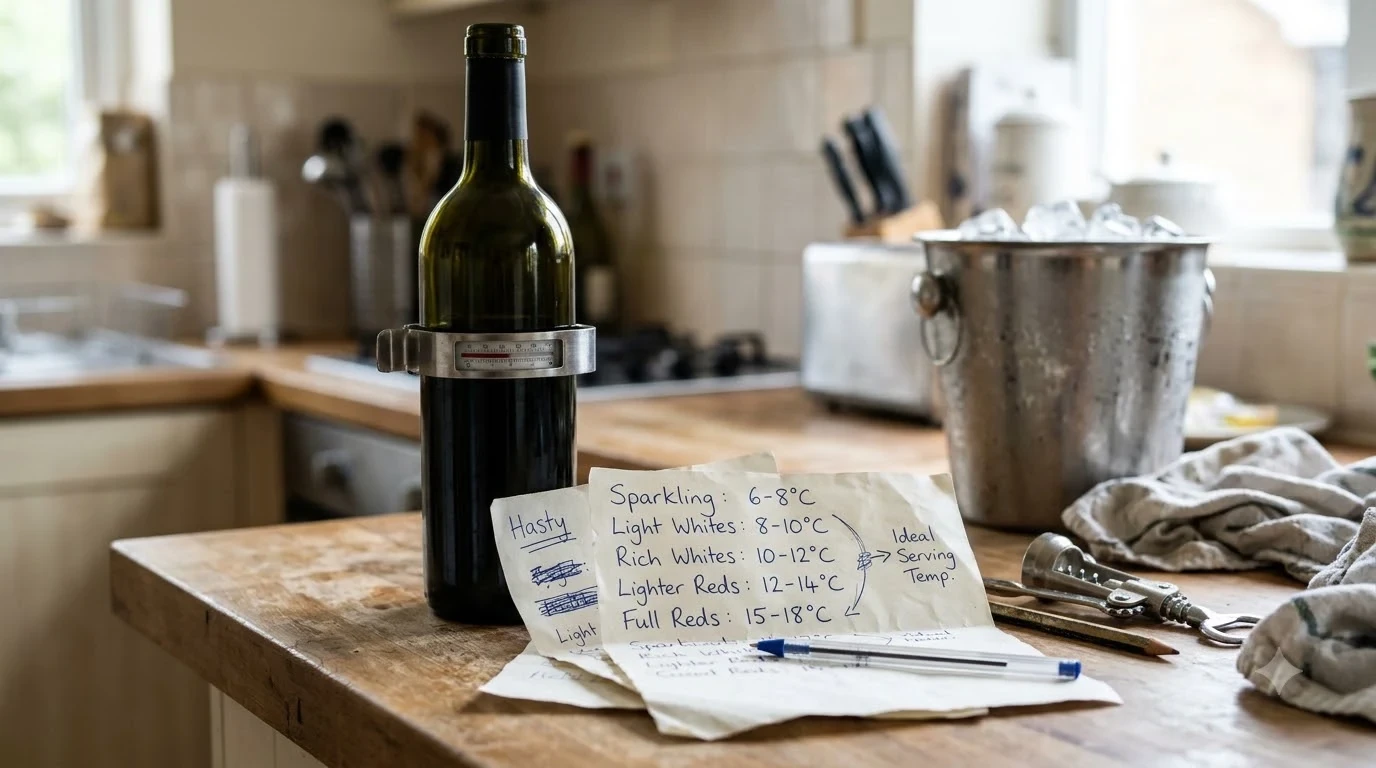
This style is particularly appropriate for grilled steak, beef burgers, lamb, and dishes with concentrated savory flavors. The wine’s tannins can feel softer alongside protein and fat. A full-bodied red should generally be served around 60–65 F rather than at an excessively warm room temperature.
Merlot
Merlot is an alternative for people who prefer a softer red than Cabernet Sauvignon. Its tannins are generally medium and less assertive, making it a flexible choice for meals involving roasted meat, tomato-based dishes, and moderately rich sauces.
Its approachable structure can also make it useful for mixed gatherings where not everyone wants a particularly firm or intense red wine. Buyers comparing Merlot with Cabernet should consider the difference in texture and tannin rather than assuming that the grape names indicate a simple quality ranking.
Pinot Noir
Pinot Noir generally has low-to-medium tannin and high acidity. It tends to offer a lighter structure than Cabernet Sauvignon or Petite Sirah, making it a suitable option for roasted chicken, mushroom dishes, salmon, and other foods that can be overwhelmed by a heavily tannic red.
For people who want red wine but do not enjoy a particularly powerful style, Pinot Noir is a sensible category to investigate. Serve it slightly cool, around 55–60 F, to preserve freshness and balance.
Old Vine Zinfandel and Petite Sirah
Old Vine Zinfandel is a useful choice for shoppers who enjoy generous fruit character and a fuller red-wine style. It can work with barbecue, grilled pork, sausages, and foods with smoky or sweet-savory seasoning.
Petite Sirah is generally more structured, with substantial tannin and dark-fruit intensity. It is better suited to hearty meals such as braised beef, slow-cooked short ribs, and strongly flavored grilled dishes. These two reds are not interchangeable: Petite Sirah generally offers a firmer tannic experience.
Essential Red and Phantom Red
Blended wines are useful for shoppers who do not necessarily want a single-variety expression. Essential Red offers an alternative to choosing a varietal bottle, while Phantom Red represents a more premium-positioned selection in the retailer catalogs reviewed for this guide.
Blends can be particularly practical for parties because they provide a different balance of grape characteristics. They also allow buyers to explore a producer’s approach to combining varieties rather than concentrating on the character of one grape.
Chardonnay and Phantom Chardonnay
Chardonnay is one of the most familiar white wine categories in the Bogle range. It generally has moderate acidity and can work with roast chicken, grilled fish, creamy pasta, and dishes containing butter-based sauces.
Phantom Chardonnay is listed separately from the regular Chardonnay in major retailer catalogs. Shoppers comparing the two should consider the collection, style, and individual bottle description rather than assuming that the more expensive option will automatically be the better choice for their preferences.
Sauvignon Blanc, Pinot Grigio, and Chenin Blanc
Sauvignon Blanc generally has high acidity and a refreshing character. It is a natural option for salads, goat cheese, shellfish, and dishes featuring citrus or fresh herbs. Its acidity makes it especially useful alongside food with similar brightness.
Pinot Grigio is another option for people seeking a lighter white wine. Chenin Blanc offers a different expression and can be worth considering for shoppers who want to move beyond the most familiar white varieties. Comparing the descriptions of these wines helps narrow the choice.
Rosé and Petite Sirah Port
Rosé is useful for casual meals, appetizers, grilled vegetables, and warm-weather gatherings. It provides a middle ground for people who want something different from a conventional red or white wine.
Petite Sirah Port belongs to a separate fortified category. Total Wine lists it in a 500 ml bottle, making its volume different from the standard 750 ml Bogle wines. Fortified wine is generally more concentrated and is often served in smaller pours, particularly alongside chocolate desserts or strong cheeses.
For additional varietal-specific information, shoppers can explore Bogle Chardonnay or compare the available Bogle red wine options before choosing a bottle.
Common Mistakes When Comparing Bogle Prices
The biggest buying mistakes usually involve comparing different wine categories as though they were identical products. A little attention to grape variety, bottle size, and retailer pricing can prevent misleading comparisons.
Assuming Every Bogle Bottle Costs the Same
Bogle’s standard varietals and specialty selections do not occupy exactly the same retail category. A regular Chardonnay, a Phantom Chardonnay, and a fortified Petite Sirah Port have different positions in the available catalogs.
It is therefore more useful to compare wines within their respective categories. A shopper interested in an everyday white should concentrate on the standard white selections before considering specialty bottlings.
Comparing Different Bottle Sizes
Most common Bogle wines are listed in 750 ml bottles, but the Petite Sirah Port is available in a 500 ml format through Total Wine. Comparing only the shelf amount can make the smaller bottle appear more expensive or less economical than it really is.
To compare different formats, divide the bottle price by its volume or calculate the approximate cost per standard serving. This provides a more meaningful comparison than looking at the shelf label alone.
Choosing Only by the Lowest Price
The lowest-priced bottle is not necessarily the best purchase for every occasion. A light Pinot Noir may suit roast chicken better than a powerful Petite Sirah, while a crisp Sauvignon Blanc may work better with seafood than a rich Chardonnay.
A wine that fits the meal and the drinker’s preferences offers better practical value than a cheaper bottle that remains unfinished. The purpose of the purchase should guide the selection.
Expecting Identical Prices Everywhere
Wine prices differ across the United States. Local taxes, distribution costs, retailer policies, and regional availability can all affect what a shopper pays.
Online catalogs are useful for comparison, but they do not necessarily reflect every local store’s inventory. A retailer may carry a particular vintage or specialty wine that is unavailable elsewhere.
Confusing a Retail Price With a Permanent Price
Retail listings can change as inventory, vintage availability, and distribution conditions change. A price displayed today should not be treated as a permanent benchmark for future purchases.
For a more dependable comparison, check several current listings for the same wine and bottle size. The Total Wine Bogle catalog is one useful reference because it separates several varieties and specialty selections within the same brand category.
Ignoring Food and Serving Conditions
Wine is part of the meal experience, and serving temperature can change how its flavors and structure are perceived. A full-bodied red served too warm may seem heavier, while a white served too cold can lose some of its aromatic character.
It is also important to consider food interactions. Acidic dishes need wine with comparable or higher acidity, while salty and fatty foods can soften the perception of tannin. Very spicy dishes can make high-alcohol, tannic wines seem more aggressive.
Care and Storage Tips
Proper storage helps preserve an unopened Bogle bottle, while suitable refrigeration extends the useful life of wine after opening. Temperature, light exposure, and oxygen are the main practical considerations for ordinary household storage.
Store Unopened Bottles Correctly
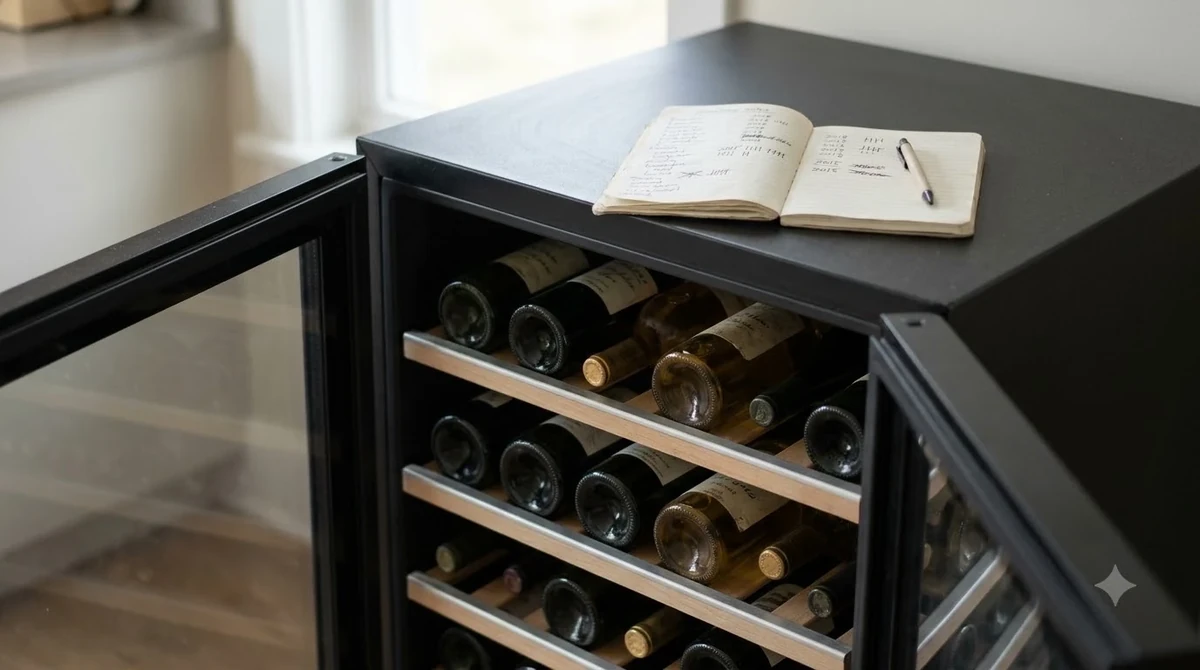
A suitable long-term storage temperature for wine is around 55 F. Keep bottles away from direct sunlight, heating equipment, and repeated temperature fluctuations. A consistently cool environment is more useful than a location that becomes hot during the afternoon and cold overnight.
For bottles with natural cork closures, horizontal storage helps keep the cork in contact with the wine. This is especially relevant for bottles intended to be stored for a longer period. Avoid placing wine near strong odors or in areas with significant vibration.
Serve Red Wines at Appropriate Temperatures
Full-bodied reds such as Cabernet Sauvignon and Petite Sirah generally show better balance around 60–65 F. Lighter reds such as Pinot Noir are better served around 55–60 F.
These temperatures are cooler than many heated living rooms. If a bottle has been sitting in a warm kitchen, a short period of cooling can improve its presentation. Avoid serving a full-bodied red excessively warm simply because it is traditionally described as a room-temperature wine.
Keep White Wines Cool
Light white wines such as Sauvignon Blanc and Pinot Grigio are generally best served around 45–50 F. Fuller white wines such as Chardonnay benefit from a slightly warmer range of 50–55 F.
Serving Chardonnay extremely cold can make its aromas less expressive. Allowing the wine to warm slightly in the glass can help reveal more of its character, especially when served with food.
Refrigerate Opened Bottles
After opening a bottle, replace the closure or use a suitable wine stopper and refrigerate the remaining wine. Most opened still wines remain enjoyable for approximately three to five days when properly stored.
Keep the bottle upright after opening to reduce the exposed surface area. If the wine develops an unpleasant vinegar-like smell or noticeably stale character, its quality has deteriorated.
Plan Bottle Quantities for Gatherings
A 750 ml bottle provides about five standard 5-ounce servings. For a gathering of ten adults where each person expects one glass, two bottles provide approximately ten standard pours.
For a longer dinner, allow for additional servings without assuming that every guest will drink the same amount. Offering both a red and a white can make a gathering more flexible, particularly when the menu includes several courses.
Storage is also relevant when buying several bottles at once. Purchasing more wine than can be stored appropriately is not necessarily a good value decision. A smaller purchase that can be kept in a stable environment may be the more practical option.
Frequently Asked Questions
Is Bogle wine made in California?
Yes. Bogle Family Vineyards is associated with California wine production, and its retail listings identify the wines as California selections. Its portfolio includes wines associated with areas such as Clarksburg and Lodi. Individual bottles may identify a more specific appellation or growing region.
How many glasses are in a standard Bogle bottle?
A standard 750 ml bottle contains approximately five 5-ounce servings. The calculation assumes a conventional wine pour rather than a larger restaurant-style serving. The 500 ml Petite Sirah Port bottle contains approximately 3.4 servings of 5 ounces, although fortified wine is commonly poured in smaller amounts.
Does Bogle make sweet wine?
Most of the familiar Bogle selections discussed in this guide are conventional varietal wines or dry-style blends. The Petite Sirah Port belongs to the fortified wine category and provides a different drinking experience. Buyers looking specifically for sweetness should distinguish fortified dessert wine from ordinary red and white table wine.
Can Bogle wine be used for cooking?
Yes. Dry Bogle wines can be used in recipes that call for wine, provided the flavor suits the dish. Chardonnay can work in creamy sauces and pan sauces, while Cabernet Sauvignon or Merlot can be used in red-wine reductions. Avoid using a wine that has developed unpleasant oxidation or vinegar-like aromas.
Should Bogle wine be decanted before serving?
Most everyday Bogle wines can be poured directly from the bottle. A young, full-bodied red may benefit from approximately 30–60 minutes of decanting if its tannins seem particularly firm. Lighter reds and fresh whites generally do not require this additional step.
Bogle offers several approachable California wine styles, from familiar Cabernet Sauvignon and Chardonnay to red blends, rosé, and specialty selections. Comparing the exact bottle, collection, and retailer makes it easier to find a suitable option within a comfortable spending range. For most shoppers, starting with the standard varietals and moving to Phantom or other specialty wines only when their particular style appeals is a practical way to buy Bogle wine.
More in Wine Brands
 Underwood Wine Price: Compare Bottles, Cans, and Pack SizesUpdated Nov 21, 2026
 Zenato Wine Price: Compare Styles and Choose the Right BottleUpdated Nov 21, 2026
 Zuccardi Wine Price: Compare Bottles and Find the Right RangeUpdated Nov 21, 2026
 Yellow Tail Moscato Review: Taste, Sweetness and Serving TipsUpdated Nov 21, 2026
 Wolf Blass Yellow Label Review: Choose Your Best StyleUpdated Nov 21, 2026
 Wolffer Estate Rose Review: Choose the Right Bottle for Your TableUpdated Nov 21, 2026