

We may earn a commission when you buy through links on this page, at no extra cost to you. Learn more.
Bogle red wine is a range of fruit-forward California reds from Bogle Vineyards, a family-owned winery in Clarksburg, built around varietals such as Zinfandel, Petite Sirah and Cabernet Sauvignon. The winery was established in 1979 and farms the Sacramento River Delta, which shapes the approachable style of the reds. Most bottles are made for everyday drinking and casual meals, although a few blends can handle richer dishes.
This guide explains what Bogle red wine is, how the family and winemaking approach shape the bottles, and which reds suit everyday sipping or food pairing. Prices and availability change over time, so treat any value comments as general and check your retailer before you buy.
What Is Bogle Red Wine?
Bogle red wine refers to the red bottles made under the Bogle label by Bogle Vineyards in Clarksburg, California. The portfolio is wide, but the reds share a fruit-forward, easy-to-drink character that makes them simple to recommend for casual occasions.
According to the Firstleaf winery guide on Bogle Family Vineyards, the portfolio includes Zinfandel, Cabernet Sauvignon, Merlot, Pinot Noir and Petite Sirah among its reds. The same guide lists Phantom, a red blend known for its rich character, as a special release. That means the red side of the lineup covers both single varietals and blends.
Grapes come from estate vineyards as well as select sites across California, based on the same guide. Oak aging adds depth and spice to many of the reds. For a shopper, the practical takeaway is that Bogle red wine is less a single bottle than a family of California reds with a consistent house style.
Bogle Family History and Winemaking Style
The Bogle name is tied to farming in the Sacramento River Delta, and the modern winery dates to 1979. The house style favors ripe fruit, soft structure and a smooth finish rather than sharp, austere edges.
Wikipedia traces the company’s history in the Delta back to the late 1800s and describes Bogle as a California winery based in Clarksburg. Warren Bogle is listed there as president and vineyard director. Firstleaf describes the family as farming the land for six generations, which helps explain why the brand emphasizes heritage.
The winemaking style is best understood as approachable. Retailer descriptions often highlight ripe fruit, oak-driven spice and a soft mouthfeel across the reds. Because the aim is a consistent expression under one label, you can expect a familiar profile from bottle to bottle, even when the varietal changes.
Oak plays a supporting role rather than a dominant one in most of the range. Wood aging can add vanilla, toast and warm baking spice, which balance the fruit without turning the wine into a heavy, tannic experience. If you prefer very lean, mineral reds, you may find the house style richer than you expect.
Popular Bogle Red Wine Varietals
The reds most often discussed in the Bogle lineup are Old Vine Zinfandel and Petite Sirah, with Cabernet Sauvignon and Merlot as familiar options. Each one brings a different profile, so it helps to know what you want from the bottle before you choose.
| Varietal | General profile | Good with |
|---|---|---|
| Petite Sirah | Dark color, full body, firm structure | Hearty meals and grilled meats |
| Zinfandel | Jammy red fruit and warm spice | Barbecue and casual dinners |
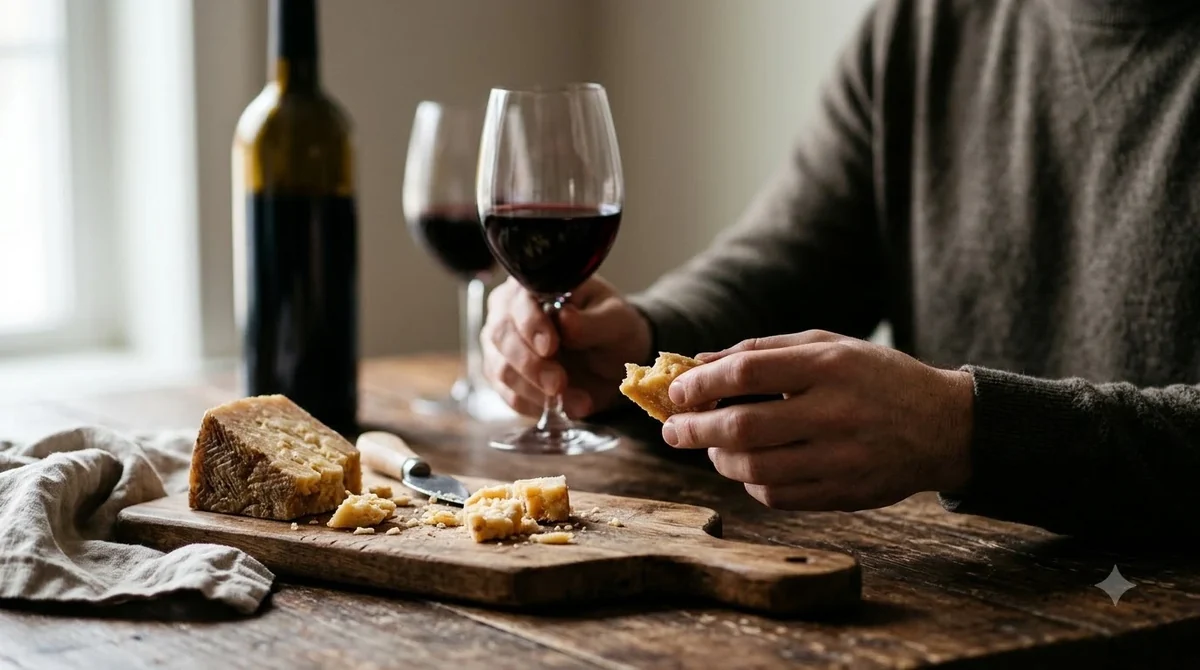
| Cabernet Sauvignon | Dark fruit with oak structure | Roasted beef and aged cheese |
| Merlot | Softer tannins with plum and cherry notes | Everyday drinking and roast chicken |
| Pinot Noir | Lighter body with red fruit | Salmon and mushroom dishes |
Petite Sirah is a notable part of the story. Wikipedia notes that Bogle also produces a Port-style dessert wine made with Petite Sirah, which shows how the grape is used beyond table wine. That versatility makes Petite Sirah a good varietal to learn if you enjoy structured reds.
A useful example is the Essential Red California bottle. One retailer listing for the 2023 Essential Red describes a blend of Petite Sirah, Teroldego, Syrah and Zinfandel, aged twelve months in American and French oak. The blend is a helpful benchmark if you want to understand how Bogle combines several reds in one bottle. Readers who enjoy value blends can also compare it with 14 Hands Hot to Trot wine, which takes a different approach to a similar price segment.
Where Bogle Red Wine Is Grown
Bogle red wines draw on vineyards in the Sacramento River Delta and the wider Sacramento Valley. The sourcing spans several districts, which gives the winery flexibility when it blends across years.
Wikipedia places the winery in Clarksburg, which sits in Yolo County. Firstleaf describes the Sacramento River Delta as a region well suited to grape growing. The Delta’s combination of river influence and warm inland conditions helps explain why Bogle built its reputation on this part of California.
A single bottle may draw on more than one site. The Essential Red listing names Dunnigan Hills, Clarksburg and Lodi as sources, and it describes a blend assembled from several varieties. This approach is common among value-focused California brands, because blending gives winemakers room to keep the style steady when weather changes from one vintage to the next.
Certification is another detail to look for. The same retailer listing says the wine carries California’s Sustainable Winegrowing certification, which describes farming practices rather than quality. Certifications can change from one vintage to another, so check the back label on the bottle you buy.
How to Pair Bogle Red Wine with Food
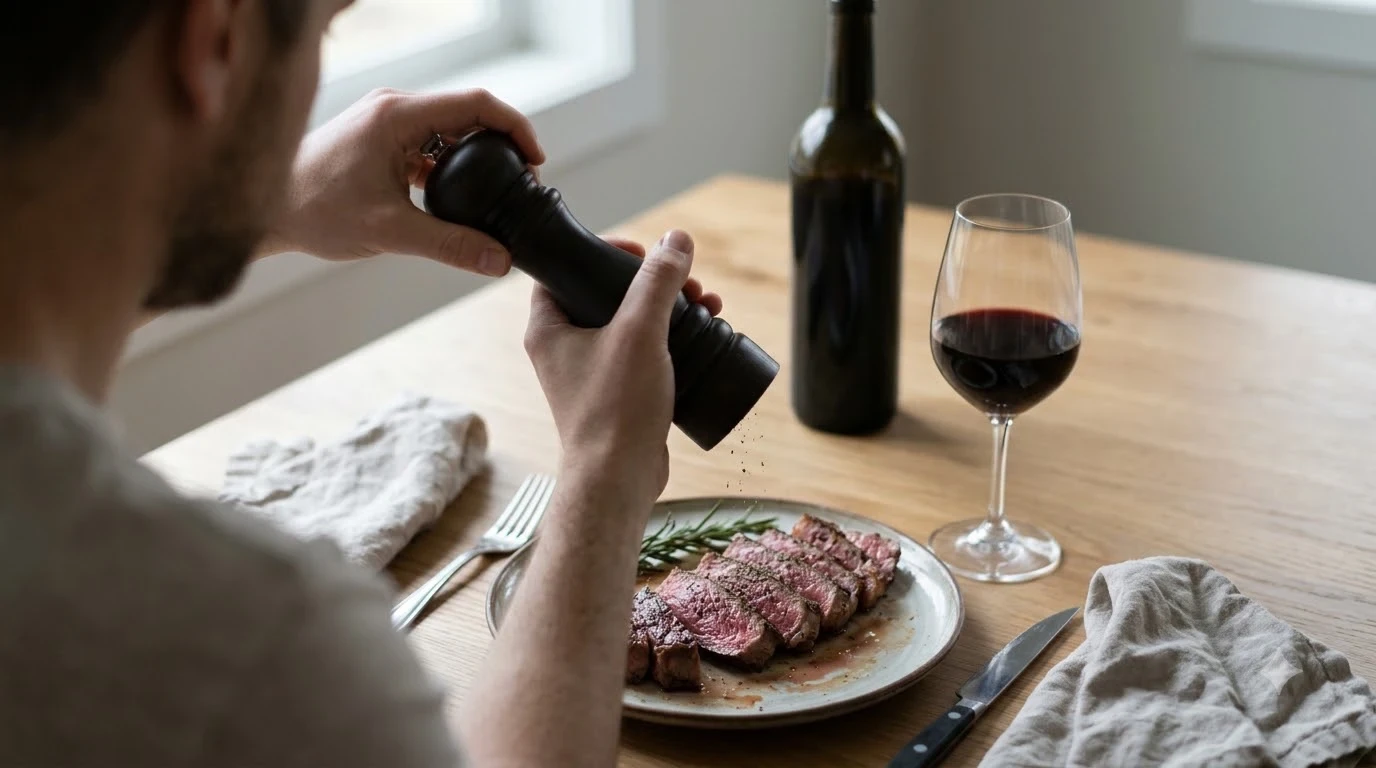
Bogle red wines pair best with grilled, roasted and richly sauced dishes, where the fruit and oak can stand up to the food. Matching the weight of the wine to the weight of the meal is the simplest rule to follow.
- Zinfandel with barbecue ribs, grilled sausages or smoky vegetables.
- Petite Sirah or the Essential Red blend with seared duck breast or rich meats.
- Cabernet Sauvignon with roasted beef, lamb or firm aged cheese.
- Merlot or Pinot Noir with roast chicken, salmon or mushroom dishes.
The Essential Red listing suggests truffle pasta with parmesan, which fits the blend’s warm oak notes and savory finish. Creamy sauces and cheese can soften firm tannins, so a rich pasta often works well with the blend. For lighter weeknight meals, a softer red like Merlot tends to feel more comfortable than a bold Petite Sirah.
When you are unsure, start with the cooking method. Grilled and smoked foods suit the fruit-forward Zinfandel style, while braised or roasted dishes often match Cabernet Sauvignon well. For more matching ideas across producers, explore the Wine Brands section on this site.
Serving, Storing and Whether Bogle Red Wine Is Worth Buying
Bogle red wines are generally easy to serve and store, and many shoppers find them good value for everyday drinking. Serving temperature and storage matter more for the bolder reds, so a few simple habits can improve every glass.
Red wines usually show best slightly below room temperature rather than warm. Fuller reds such as Petite Sirah often open up after a short rest in the glass. Decanting can soften young, firm reds, although most everyday Bogle bottles do not need it. Check the label or the winery website for any specific serving guidance.
Store bottles away from heat and direct light, and keep them in a stable spot rather than near an appliance. Lay bottles on their sides if they use natural corks, so the cork stays moist. Once opened, recork the bottle and refrigerate it, then finish it within a few days, since bold reds tend to fade faster.
On value, Firstleaf describes Bogle as offering quality that rivals higher-priced bottles, and retailer listings often point to affordability. These are marketing and retailer descriptions, so compare current shelf prices yourself rather than relying on any single claim. Prices differ by store and by state, and they change over time.
Bogle red wine is worth buying if you want a reliable, fruit-forward California red for casual meals and gatherings. If you prefer lighter, more restrained styles or single-region wines, you may find other producers a better fit. Taste a bottle before buying a case, and note which varietal you enjoy most.
Tip: Buy a single bottle of two different varietals first, such as a Zinfandel and a Merlot, so you can compare their styles at your own table. Drink responsibly and pace your glasses with food.
Frequently Asked Questions
What is Bogle red wine best known for?
Old Vine Zinfandel and Petite Sirah are the reds most often named for the brand. Cabernet Sauvignon and Merlot are familiar options as well. Lineups change over time, so check the current selection at your retailer before you buy.
Where is Bogle red wine made?
Bogle Vineyards is based in Clarksburg, California, in the Sacramento River Delta. According to Firstleaf, grapes come from estate vineyards and select sites across California. Individual bottles may list specific districts on the label or the retailer page.
Is Bogle red wine good value?
Retailers and wine guides often describe Bogle as an affordable brand with solid quality for the money. Shelf prices vary by store and by state, and they change over time. Compare current prices where you shop before deciding what is a good deal for you.
What food goes best with Bogle red wine?
Zinfandel suits barbecue and grilled foods, while Petite Sirah works well with rich meats. Merlot and Pinot Noir fit lighter dishes such as roast chicken and salmon. Matching the weight of the wine to the weight of the meal is a reliable starting point.
Bogle red wine offers an accessible entry point into California reds, especially for everyday meals. Start with one varietal, note what you enjoy, and then compare related styles. If you want a white for the same table, look at Avaline white wine as a contrast.
More in Wine Brands
 Underwood Wine Price: Compare Bottles, Cans, and Pack SizesUpdated Nov 21, 2026
 Zenato Wine Price: Compare Styles and Choose the Right BottleUpdated Nov 21, 2026
 Zuccardi Wine Price: Compare Bottles and Find the Right RangeUpdated Nov 21, 2026
 Yellow Tail Moscato Review: Taste, Sweetness and Serving TipsUpdated Nov 21, 2026
 Wolf Blass Yellow Label Review: Choose Your Best StyleUpdated Nov 21, 2026
 Wolffer Estate Rose Review: Choose the Right Bottle for Your TableUpdated Nov 21, 2026