

We may earn a commission when you buy through links on this page, at no extra cost to you. Learn more.
is sutter home wine good? Yes, Sutter Home is a good choice for affordable, approachable everyday wine, particularly if you enjoy fruit-forward flavors, accessible styles, and easy-drinking bottles. Its strongest appeal is consistency and variety rather than complexity or age-worthy character. The best bottle depends on whether you prefer sweet White Zinfandel and Moscato or drier choices such as Chardonnay, Pinot Grigio, and Cabernet Sauvignon.
Sutter Home is one of the recognizable names in American supermarket wine, with a history closely connected to the popularity of White Zinfandel. Its selection has expanded well beyond that famous pink wine to include traditional red and white varieties, sweeter blends, and fruit-forward specialty offerings. That range makes the brand useful for casual dinners, parties, picnics, and people who are still figuring out their wine preferences. However, not every bottle suits every palate. Understanding the differences between its varieties is the easiest way to decide whether Sutter Home deserves a place in your wine rack.
Who Should Buy Sutter Home Wine?
Sutter Home is best suited to drinkers who value accessible flavors, familiar grape varieties, and uncomplicated wines for everyday occasions. It is particularly appealing to beginners and people who prefer approachable fruit flavors over pronounced oak, earthy complexity, or firm tannins.

The brand has a recognizable place in American wine history. According to Sutter Home’s official history, the winery was founded in 1890, reopened by the Trinchero family in 1948, and became closely associated with White Zinfandel after Bob Trinchero developed the original version in 1972. That background helps explain the company’s emphasis on approachable wine styles rather than a narrow selection intended only for experienced collectors. Its White Zinfandel became a major commercial success, eventually selling more than 4.5 million cases in 1987, according to the producer’s historical account.
For someone new to wine, this approachable character can be an advantage. A beginner might find a highly tannic Cabernet Sauvignon or a very dry Sauvignon Blanc difficult to appreciate immediately. Sutter Home’s sweeter offerings provide an accessible starting point, while its Chardonnay, Merlot, and Pinot Grigio give drinkers opportunities to explore different styles gradually. The selection is broad enough to accommodate different preferences without requiring a complicated understanding of wine regions or producers.
The brand also makes sense for informal occasions. A bottle served at a backyard barbecue, family gathering, casual pasta dinner, or weekend picnic does not necessarily need the complexity expected from a premium regional wine. Sutter Home offers recognizable varieties that are relatively easy to match with familiar foods. Its multiple package formats also make it practical for occasions where a traditional full-size bottle is not the most convenient option.
However, experienced wine enthusiasts looking for distinctive vineyard character, extended aging potential, or intricate layers of flavor may find the range less compelling. Sutter Home generally prioritizes consistency and accessibility. Those qualities are useful, but they are not the same as the complexity associated with specialized vineyard bottlings or premium wines from established appellations.
Consider these general buyer profiles:
- Wine beginners: The recognizable grape varieties and accessible flavors make it easier to discover personal preferences.
- Sweet-wine drinkers: White Zinfandel, Moscato, Pink Moscato, and Sweet Red offer fruit-forward alternatives.
- Casual hosts: The selection provides familiar styles for informal gatherings and mixed food menus.
- Budget-conscious shoppers: The brand focuses on everyday accessibility rather than collectible positioning.
- Wine collectors: People seeking cellar-worthy bottles or highly distinctive regional expressions should explore other producers.
The important distinction is that good wine does not have to be expensive or complicated. A bottle can serve its intended purpose well without competing with prestigious Napa Valley Cabernet Sauvignon or carefully aged Burgundy. Sutter Home is most successful when judged according to the kind of wine it aims to produce.
Key Factors to Compare Before Buying
The most useful way to evaluate Sutter Home is to compare sweetness, grape variety, acidity, tannin, and serving style. These characteristics have a greater effect on your enjoyment than the brand name alone.
Its range covers noticeably different flavor profiles. For example, White Zinfandel and Moscato are intended for drinkers who appreciate sweetness, while Sauvignon Blanc and Pinot Grigio provide fresher, more refreshing alternatives. Cabernet Sauvignon and Merlot offer traditional red-wine experiences.
| Wine | General style | Typical flavor direction | Best suited to |
|---|---|---|---|
| White Zinfandel | Sweet rosé-style wine | Strawberry, melon | Sweet-wine beginners and casual meals |
| Moscato | Sweet white | Peach, floral fruit | Desserts and fruit-based dishes |
| Pink Moscato | Sweet pink wine | Berry and floral fruit | Light desserts and relaxed gatherings |
| Pinot Grigio | Light white | Fresh fruit and crisp acidity | Salads and seafood |
| Sauvignon Blanc | Dry-style white | Citrus, melon, grassy notes | Vegetables and fresh seafood |
| Chardonnay | Medium-bodied white | Apple, pear, peach, creamy notes | Chicken and creamy pasta |
| Merlot | Medium-bodied red | Soft red and dark fruit | Roasted meats and pasta |
| Cabernet Sauvignon | Fuller-bodied red | Dark fruit and firmer tannins | Beef and grilled dishes |
These descriptions are general style expectations, not guarantees that every bottle will have identical aromas or texture. Winemaking decisions, grape sourcing, and individual production batches can influence the finished wine. The table is a practical starting point for narrowing down the selection.
Sweetness is the first major consideration
Sweetness is one of the biggest reasons people either enjoy or dislike a particular bottle. A person who enjoys sweet cocktails, fruit-forward drinks, or dessert wines may find Sutter Home White Zinfandel or Moscato appealing. Someone accustomed to dry European whites may find those same wines too sweet.
It is also important to distinguish fruity aromas from actual sweetness. A wine can smell like ripe peaches or strawberries while still tasting dry. Sauvignon Blanc, for example, can have pronounced fruit aromas without the dessert-like sweetness associated with Moscato. Choosing according to the sweetness you actually enjoy is more reliable than selecting a bottle because its grape variety sounds familiar.
Body, acidity, and tannin affect the experience
Body describes how substantial a wine feels in the mouth. Light-bodied wines tend to feel refreshing, while fuller-bodied wines have more weight and concentration. Acidity gives wine freshness and helps it work with foods such as tomatoes, citrus, and vinaigrette-based salads.
Tannin is particularly relevant to red wines. Cabernet Sauvignon typically has high tannin, while Merlot is generally softer and more moderate. Pinot Noir, when compared with those varieties, usually has lower-to-medium tannin and higher acidity. These distinctions help explain why two bottles from the same producer can feel completely different.
Production choices also matter. Total Wine’s description of Sutter Home Chardonnay identifies partial malolactic fermentation and wood aging as part of its production approach, followed by stainless-steel aging to retain fruit character and acidity. Its Pinot Grigio, by comparison, is described as cold-fermented at 55°F and aged entirely in stainless-steel tanks. These are different approaches designed to preserve or develop different sensory characteristics.
For a broader understanding of the producer’s range, the Sutter Home wine selection provides a useful starting point for comparing individual varieties.
Step-by-Step: How to Choose the Right Bottle
Choosing a suitable Sutter Home wine is straightforward when you start with your taste preferences and then consider food, occasion, and serving temperature. A few simple decisions can prevent buying a bottle that sounds appealing but does not match what you actually enjoy.
-
Decide how sweet you want your wine.
If you enjoy noticeable sweetness, begin with White Zinfandel, Moscato, or Pink Moscato. If you prefer something drier, consider Pinot Grigio or Sauvignon Blanc. Chardonnay offers another option for people who want a white wine with a rounder texture rather than pronounced sweetness.
-
Choose a color and general style.
White wines are often suitable for lighter meals and casual daytime occasions. Pink wines offer a fruit-forward alternative, while red wines generally work well with richer dishes. This is a preference rather than a strict rule, but it is a useful first filter.
-
Match the wine to your food.
Consider the main ingredient and the dominant seasoning. Sauvignon Blanc works well with acidic salads and seafood, Chardonnay can accompany creamy chicken dishes, and Cabernet Sauvignon is generally more suitable for grilled beef than delicate white fish. Sweet White Zinfandel can complement mildly spicy dishes.
-
Consider the drinking occasion.
A small-format bottle can be convenient when you want a limited serving or need individual portions. A standard 750 ml bottle is suitable for a small gathering, while a 1.5-liter format provides more wine for a larger occasion. The producer lists several package formats for its White Zinfandel, including mini bottles and 1.5-liter bottles.
-
Check the wine’s serving requirements.
Light whites and rosé-style wines are generally best around 45–50°F. Fuller whites are usually served around 50–55°F, while light reds benefit from approximately 55–60°F. Fuller reds are generally better around 60–65°F rather than warm room temperature.
-
Compare the individual varieties rather than assuming they taste alike.
Do not assume that liking Sutter Home Moscato means you will also enjoy its Cabernet Sauvignon. They have different sweetness, acidity, body, and tannin profiles. Choose the next bottle based on the characteristics you liked in the previous one.
-
Think about how quickly you will finish the bottle.
If you are drinking alone or only occasionally, a smaller package may be more practical. For a group dinner, a standard bottle or larger format may make more sense. Once opened, most still wines are best consumed within approximately 3–5 days when refrigerated and properly resealed.
Tip: If you are unsure which Sutter Home variety to try first, start with White Zinfandel if you enjoy sweet pink wines, Moscato if you prefer sweet whites, or Pinot Grigio if you want a lighter, fresher white. These three styles offer noticeably different starting points.
Types and Styles Explained
Sutter Home produces several distinct wine styles, from sweet pink wines to traditional dry-style whites and structured reds. Understanding what each variety is intended to taste like makes it easier to identify the bottles most likely to suit your preferences.

White Zinfandel: The signature sweet pink wine
White Zinfandel is the variety most closely associated with Sutter Home. The producer describes its wine as sweet, light, and refreshing, with strawberry and melon characteristics. Its history is especially interesting because the first version was created in 1972 using the saignée technique, which involves removing some juice from red grape skins.
The original wine was fermented to dryness, but a subsequent vintage developed a stuck fermentation and retained residual sugar. That lighter, sweeter pink style became extremely popular with American consumers. The modern appeal remains its approachable fruit character rather than the firm structure or dryness associated with traditional red Zinfandel.
White Zinfandel is a sensible option for people who enjoy sweeter wines and want something that can be served chilled. It can work with lightly seasoned chicken, salads, mildly spicy dishes, and fruit-based snacks. For a closer look at its flavor and food compatibility, see the Sutter Home White Zinfandel overview.
Moscato and Pink Moscato: Sweet and aromatic
Moscato is another important part of the Sutter Home range. It is designed for drinkers who appreciate fragrant aromas and noticeable sweetness. Peach and floral characteristics are common reference points for this style, making it an appealing option for people who find many traditional dry whites too sharp.
Total Wine describes Sutter Home Moscato as cold-fermented at 50°F and aged in stainless-steel tanks. This approach is intended to preserve fresh aromas and flavors. Pink Moscato uses a similar aromatic direction, with a small amount of rosé wine added to produce its pink appearance.
These wines can accompany fruit desserts, mild cheeses, and dishes with a sweet component. Moscato also works as an informal after-dinner drink, particularly when served cold. Its sweetness means that it is generally better alongside desserts that are at least as sweet as the wine, so the wine does not taste unexpectedly sour.
If this style appeals to you, the Sutter Home Moscato overview offers a more focused starting point.
Pinot Grigio and Sauvignon Blanc: Fresher white wines
Pinot Grigio and Sauvignon Blanc are useful alternatives for people who do not want a noticeably sweet wine. Both varieties are generally associated with refreshing acidity, although they have different aromatic profiles. Pinot Grigio tends to emphasize lighter fruit and a relatively clean finish, while Sauvignon Blanc is often more citrus-driven and can have grassy or herbal characteristics.
Total Wine identifies Sutter Home Pinot Grigio as cold-fermented at 55°F and aged entirely in stainless-steel tanks. The retailer describes its Sauvignon Blanc as cold-fermented at 60°F, also using temperature-controlled stainless-steel tanks. Those production details help explain the emphasis on fresh fruit and bright character.
Pinot Grigio can accompany shrimp, grilled vegetables, and simple seafood dishes. Sauvignon Blanc is particularly useful with goat cheese, fresh herbs, and acidic salads. If a meal includes lemon juice or a vinaigrette, a white wine with sufficient acidity is usually a more suitable choice.
Chardonnay: A rounder white-wine option
Chardonnay occupies a different position in the range. It is a versatile grape variety that can produce anything from crisp, restrained wines to richer wines with creamy textures and noticeable oak influence.
Total Wine describes Sutter Home Chardonnay as undergoing partial malolactic fermentation and wood aging before further aging in stainless-steel tanks. The retailer associates these techniques with a smoother, rounder mouthfeel and creamy characteristics while retaining some fresh fruit and acidity.
This makes Chardonnay worth considering for chicken, roasted vegetables, and creamy pasta. It is also a useful choice for drinkers who want more texture than they typically find in a light Pinot Grigio. Its appeal depends on how much richness you enjoy in a white wine.
Merlot and Cabernet Sauvignon: Traditional red choices
Merlot is generally the softer option between these two red varieties. Its tannins are typically medium and relatively approachable, making it a reasonable starting point for someone transitioning from white wine to red wine. It can work with meat sauces, roasted chicken, burgers, and moderately seasoned pasta dishes.
Cabernet Sauvignon usually has higher tannin and a fuller structure. It is better suited to grilled beef, lamb, and other rich dishes that can soften the perception of tannin through their fat content. Someone who prefers sweet, light wines may find Cabernet more demanding, particularly when served without food.
The distinction is important because Sutter Home’s red wines are not simply darker versions of its pink and white offerings. Their structure, dryness, and food compatibility are quite different. Selecting a red based on its grape variety is more reliable than assuming every bottle from the same producer shares the same easy-drinking character.
Common Mistakes When Buying Sutter Home
Most disappointment with Sutter Home comes from choosing the wrong style rather than from the brand being unsuitable for everyone. Understanding a few common misconceptions can help you avoid a bottle that does not match your expectations.
Assuming every Sutter Home wine is sweet
White Zinfandel and Moscato are strongly associated with the brand, but the selection also includes varieties such as Sauvignon Blanc, Pinot Grigio, Chardonnay, Merlot, and Cabernet Sauvignon. These wines cover different levels of body, acidity, and tannin.
Someone who dislikes sweet wine should not dismiss the entire producer based on one bottle of White Zinfandel. A dry-style Sauvignon Blanc or Pinot Grigio is a much more appropriate comparison. Conversely, a drinker who specifically wants sweetness should not automatically assume a Cabernet Sauvignon will provide the same experience as Moscato.
Expecting premium-wine complexity
An everyday supermarket wine should not automatically be judged by the standards applied to expensive, limited-production wines. Sutter Home is positioned around accessibility and familiar styles. Its goal is to offer recognizable flavors and practical everyday choices.
That does not mean every bottle will be equally enjoyable. However, evaluating a straightforward, fruit-forward wine against an aged Cabernet from a prestigious vineyard creates an unfair comparison. They are intended for different occasions and different audiences.
Serving every bottle at room temperature
Temperature has a substantial effect on wine. Sweet whites can become cloying when served too warm, while whites served excessively cold can lose some of their aroma. Reds can also taste overly alcoholic and heavy if they are served too warm.
White Zinfandel and Moscato generally benefit from refrigeration. Pinot Grigio and Sauvignon Blanc are also best served chilled. Fuller Chardonnay can be served slightly warmer than lighter whites, while Cabernet Sauvignon is usually more enjoyable slightly below typical indoor room temperature.
Pairing sweet wine with an even sweeter dessert
A very sweet dessert can make a wine taste less sweet by comparison. The usual principle is to select a wine that is at least as sweet as the dessert. Moscato, for example, can work well with fruit tarts or moderately sweet desserts, while a very sugary cake may require a sweeter wine to maintain balance.
White Zinfandel can also accompany mildly spicy food because sweetness can soften the perception of chili heat. However, alcohol and tannin can amplify the burning sensation from spicy dishes, so a highly tannic red is not always the best choice for hot food.
Assuming all red wines have the same tannin level
Cabernet Sauvignon and Merlot offer different experiences even though both are red wines. Cabernet generally has higher tannin, while Merlot tends to feel softer. This matters particularly for people who find dry, mouth-drying red wines unpleasant.
Food can change that experience. Salt and fat soften the perception of tannin, which is why Cabernet Sauvignon often works better with a fatty burger or grilled steak than with a delicate fish dish. Oily fish can clash with strongly tannic red wines, making a fresh white or lighter rosé a more suitable choice.
Serving, Care, and Storage Tips
Proper serving temperature and sensible storage can make an everyday wine more enjoyable. Sutter Home does not require elaborate cellar equipment, but attention to refrigeration, bottle position, and opened-bottle storage can help preserve its intended character.
Serve each variety at the appropriate temperature
Temperature is one of the simplest ways to improve the experience of a bottle. The following ranges are useful starting points for the main styles in the Sutter Home selection.
- White Zinfandel: Approximately 45–50°F.
- Moscato and Pink Moscato: Approximately 43–50°F.
- Pinot Grigio: Approximately 45–50°F.
- Sauvignon Blanc: Approximately 45–50°F.
- Chardonnay: Approximately 50–55°F.
- Merlot: Approximately 55–60°F if light-bodied, or slightly warmer if fuller.
- Cabernet Sauvignon: Approximately 60–65°F.
A refrigerator is generally sufficient for chilling white and pink wines. If a bottle becomes too cold, allow it to stand for a few minutes before serving. For red wine, a brief period in the refrigerator can help if the room is particularly warm.
Use sensible pouring sizes
A standard wine pour is approximately 5 oz. According to Sutter Home’s published nutrition information, a 750 ml bottle contains five servings at that portion size. This provides a convenient way to estimate how much wine is available for a meal or small gathering.
Using smaller pours can also make it easier to compare two different styles. For example, a small serving of Pinot Grigio followed by a small serving of Chardonnay can help illustrate differences in acidity and texture without committing to a full glass of either wine.
Store unopened bottles correctly
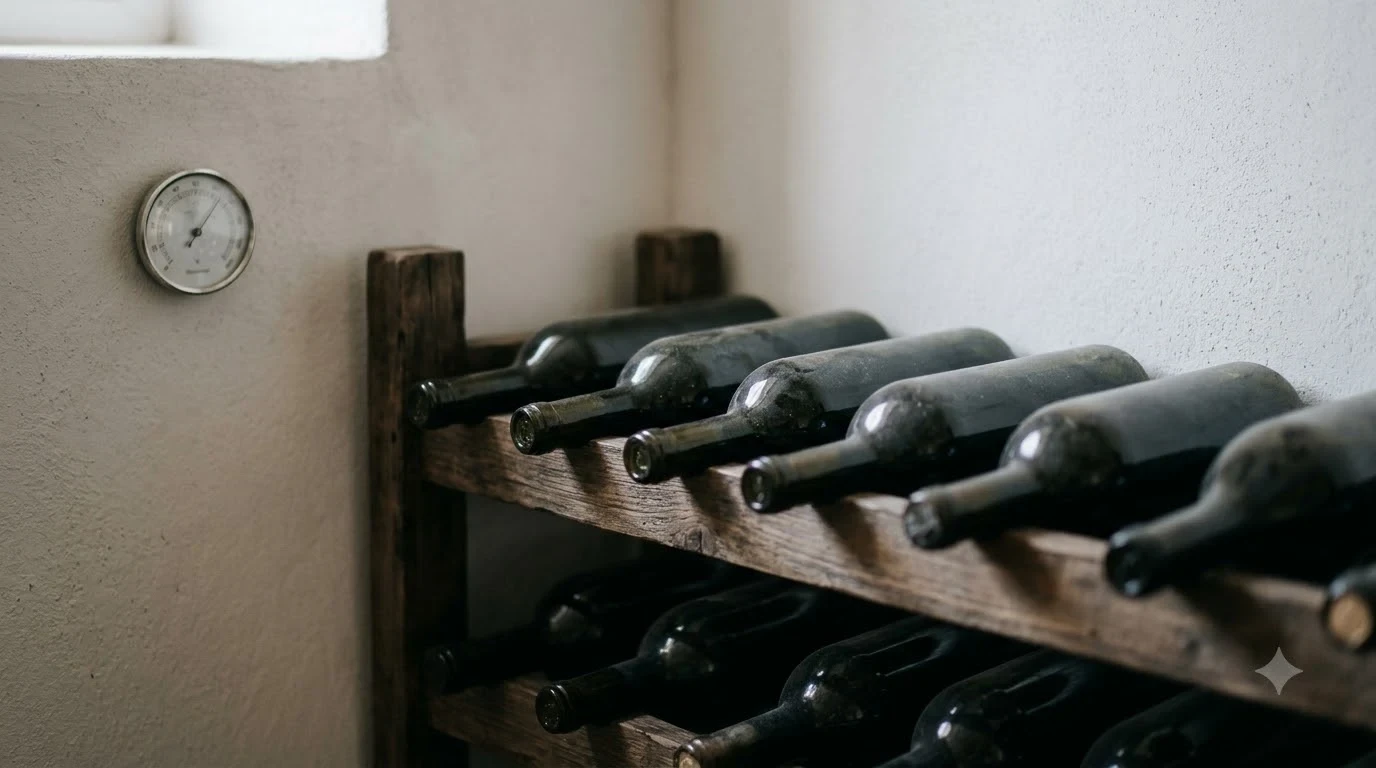
For short-term storage, keep unopened wine away from direct sunlight, heat sources, and major temperature fluctuations. A cool, dark storage area is preferable to a kitchen counter beside an oven or a sunny windowsill.
For bottles with natural cork closures, horizontal storage helps keep the cork in contact with the wine. A storage temperature near 55°F is a useful general target for longer-term wine storage. Everyday wines such as most Sutter Home bottlings are generally intended for relatively early consumption rather than extended cellaring.
Refrigerate opened bottles
Once opened, still wines generally retain their best qualities for approximately 3–5 days when resealed and refrigerated. The exact period depends on the wine, storage conditions, and how much oxygen has entered the bottle.
Use the original closure if it fits securely, or a suitable reusable wine stopper. Keep opened White Zinfandel, Moscato, Chardonnay, Pinot Grigio, and Sauvignon Blanc refrigerated. Red wines can also be refrigerated after opening and brought closer to their serving temperature before the next pour.
A simple approach works well: write the opening date on a removable label, close the bottle promptly after pouring, and avoid leaving it open on a dining table for several hours. If the aroma or flavor has become noticeably stale or unpleasant, it is better not to continue serving it.
Understand package sizes before purchasing
Sutter Home’s White Zinfandel product information identifies mini bottles, Twist & Go packaging, 750 ml bottles, and 1.5-liter bottles. The wider selection available through retailers can include additional formats, such as 187 ml and 500 ml packages, depending on the particular wine.
For an individual serving, a mini bottle can reduce the amount left over. A standard 750 ml bottle is suitable for a small dinner, while a 1.5-liter bottle provides approximately ten standard 5 oz. pours. Larger packages can be practical for gatherings, although they require enough refrigerator or storage space after opening.
For additional producer information and the company’s own descriptions of its wines, consult the official Sutter Home White Zinfandel page. Retailer listings also provide useful descriptions of production methods across varieties, including Sutter Home’s white-wine selection at Total Wine.
Frequently Asked Questions
Is Sutter Home considered a California wine brand?
Yes. Sutter Home’s wines are identified with California, and the brand’s history is closely associated with the Trinchero family’s California winemaking operations. Its history includes the reopening of Sutter Home Winery in 1948. The brand subsequently became particularly well known for White Zinfandel.
Does Sutter Home make nonalcoholic wine?
Trinchero Family Estates also lists FRE alcohol-removed wines in its broader portfolio, including Moscato and Chardonnay offerings. These are separate products rather than standard Sutter Home varietal bottlings. Availability can differ between retailers and locations.
What is the difference between White Zinfandel and regular Zinfandel?
Regular Zinfandel is a red wine made through fermentation with extended contact between the juice and grape skins, producing a darker color and more substantial structure. White Zinfandel is a pink wine made using a different approach to juice extraction and fermentation. Despite its name, White Zinfandel is not simply a white grape wine.
How many calories are in a glass of Sutter Home White Zinfandel?
Sutter Home lists 108 calories in a 5 oz. serving of its White Zinfandel. Its published nutrition information also lists 8.30 grams of carbohydrates per serving. Nutrition figures differ between varieties, so the White Zinfandel figures should not be applied to Moscato, Chardonnay, or other bottles.
Can Sutter Home wine be used for cooking?
Yes. Dry-style Chardonnay and Sauvignon Blanc can be useful in sauces, risotto, and recipes that call for white wine. Merlot and Cabernet Sauvignon can be used in suitable red-wine sauces and braised dishes. Sweet varieties such as Moscato and White Zinfandel are better reserved for recipes specifically designed around fruitiness or sweetness.
Sutter Home is a worthwhile option if you want approachable California wines with familiar flavors and a range of sweetness levels. White Zinfandel and Moscato are natural starting points for sweet-wine drinkers, while Pinot Grigio, Sauvignon Blanc, Chardonnay, Merlot, and Cabernet Sauvignon provide alternatives for different preferences. Choose according to your palate and the occasion rather than expecting every bottle to deliver the complexity of a premium wine. For everyday drinking, that combination of variety, accessibility, and recognizable styles is what makes Sutter Home a reasonable choice.
More in Wine Brands
 Underwood Wine Price: Compare Bottles, Cans, and Pack SizesUpdated Nov 21, 2026
 Zenato Wine Price: Compare Styles and Choose the Right BottleUpdated Nov 21, 2026
 Zuccardi Wine Price: Compare Bottles and Find the Right RangeUpdated Nov 21, 2026
 Yellow Tail Moscato Review: Taste, Sweetness and Serving TipsUpdated Nov 21, 2026
 Wolf Blass Yellow Label Review: Choose Your Best StyleUpdated Nov 21, 2026
 Wolffer Estate Rose Review: Choose the Right Bottle for Your TableUpdated Nov 21, 2026