

We may earn a commission when you buy through links on this page, at no extra cost to you. Learn more.
Sutter Home red wine covers a small, easy-going range: a Cabernet Sauvignon and a Merlot for everyday dinners, plus sweeter reds such as Red Moscato and a Sweet Red Wine for people who want fruit-forward flavor. The brand’s own wines page describes the Cabernet as a rich red meant for meat and hearty dishes, while the sweeter reds lean toward cherry, peach and creamy fruit.
If you have spotted a Sutter Home red on a grocery shelf and wondered how it compares with a dry bottle from a specialist winery, this guide sets out what the brand’s reds are, how they are meant to be served, and what to pair them with. It relies on the brand’s own wines page and on Wine Folly’s notes on red wine styles, and it keeps to what those sources describe.
What the Sutter Home Red Lineup Includes
Sutter Home is a large, mainstream brand, and its red section is short. The brand’s wines page lists four reds: Cabernet Sauvignon, Merlot, Red Moscato and a Sweet Red Wine. That mix tells you a lot about the house style. Two of the reds are built around dry, familiar varietals, and two are sweeter blends aimed at people who prefer fruit over structure.
The page does not publish alcohol levels or sweetness numbers for any of the four reds, so this guide does not give percentages. What the page does provide is tasting language and serving suggestions, and those are the details you can use when you choose a bottle.
| Red on the brand page | How the page describes it | Style |
|---|---|---|
| Cabernet Sauvignon | A “rich red,” paired with homemade chicken, red meats, game and mildly seasoned pasta | Dry varietal red |
| Merlot | Described as the wine for long weekends and lengthy chats | Dry varietal red |
| Red Moscato | A blend of sweet, creamy Moscato and fruity Merlot | Sweet red blend |
| Sweet Red Wine | Juicy peaches and fresh-picked cherries | Sweet red |
The Dry Reds: Cabernet Sauvignon and Merlot
The Cabernet Sauvignon is the most food-oriented red on the page. The brand describes it as a rich red and suggests it for homemade chicken dishes, red meats, game and mildly seasoned pastas. That range makes sense for a Cabernet, since the grape usually brings firm tannin and a structured finish that stands up to protein and savory sauces.
The Merlot is described in a more relaxed way, as the wine for long weekends and lengthy chats. The page gives no tasting notes or food matches for it, so the best guide is the general character of Merlot itself: a softer, rounder red than Cabernet, usually with less grip. If you want a dry red for a casual evening rather than a roast, Merlot is the easier choice of the two.
For a wider look at how red styles differ, Wine Folly’s Zinfandel page describes a bold, full-bodied red with medium-high tannins and ripe dark fruit, which is a useful contrast when you compare a fruit-forward dry red with a more structured one.
The Sweet Reds: Red Moscato and Sweet Red Wine
The two sweet reds are where the Sutter Home lineup differs most from a typical dry red. Red Moscato is described as a blend of sweet, creamy Moscato and fruity Merlot, with a fresh, fruity character. The Sweet Red Wine is named as exactly what it sounds like, a sweet red with juicy peach and fresh cherry notes.
If you usually drink dry wine, these bottles will taste very different. Sweetness is the dominant impression, and the fruit carries the finish. People who enjoy a fruit-forward, dessert-leaning red often prefer this style, and it can be a friendly introduction to red wine for someone who finds dry reds sharp. Serve them a little cooler than a dry red, since chilling tends to make a sweet wine feel fresher.
How to Serve Sutter Home Red Wine
Serving temperature matters more for red wine than many people think. Wine Folly suggests serving bolder reds in the range of 60 to 68 degrees Fahrenheit, or 15 to 20 degrees Celsius, which is slightly cooler than the typical room temperature in a heated home. A short time in the refrigerator before dinner can bring a red into that range, and it softens the impression of heat and alcohol.
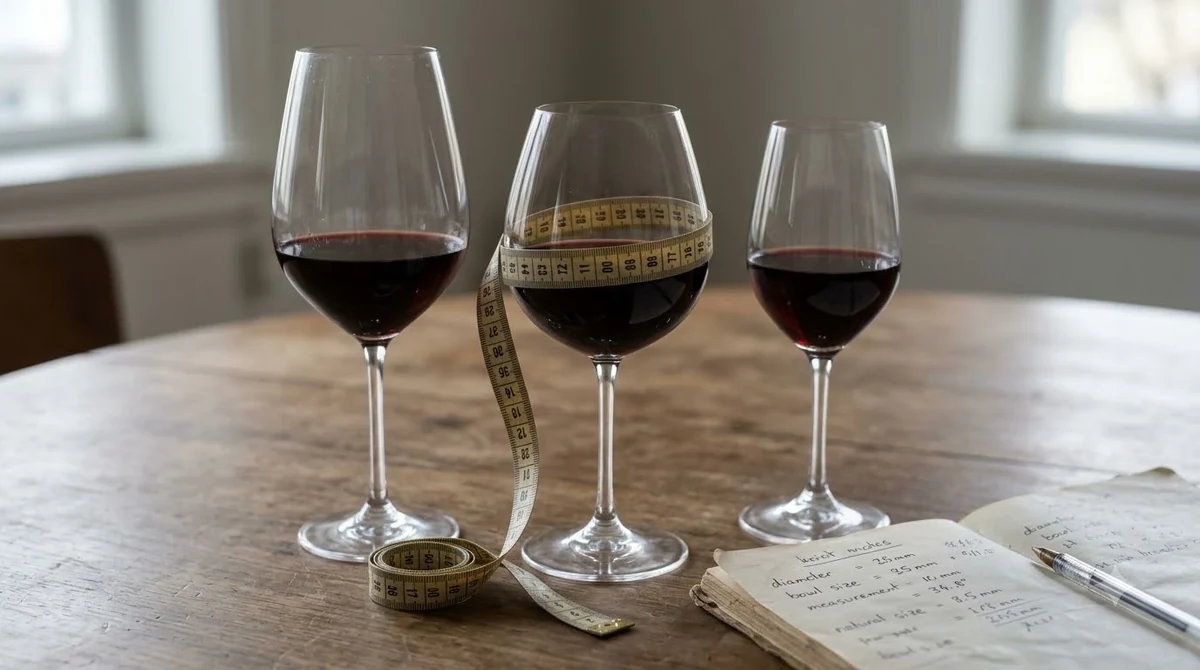
Decanting is optional for these wines. Wine Folly recommends decanting bold reds like Zinfandel for about 30 minutes, which can help the fruit open up. For an everyday Merlot or a Cabernet, a simple pour and a few minutes in the glass is usually enough. Use a standard wine glass with a generous bowl so the aromas can gather, and pour a moderate amount so the wine has room to breathe.
Food Pairing Ideas
Pairing starts with the wine’s weight. The Cabernet Sauvignon suits the foods the brand names directly: homemade chicken, red meat, game and mildly seasoned pasta. Those dishes have enough fat and savory depth to match a dry, structured red without overwhelming it.
The sweet reds work differently. Their fruit and sugar pair well with lighter desserts, soft cheeses and simple fruit plates, while salty snacks can make a sweet wine taste thinner. For a casual evening, a Merlot suits pizza, burgers or a plate of roasted vegetables, and a sweet red can be a dessert-style pour after a heavier meal.
How to Choose Among the Reds
Start with the meal. If you are cooking a roast, a stew or a heavy pasta, the Cabernet Sauvignon is the closest match on the brand’s list. If you are sitting down with friends for a casual night, the Merlot is the more relaxed pick. If you want something sweet and fruity without a dry finish, Red Moscato or the Sweet Red Wine will suit you better.
It also helps to know your own taste. People who like crisp, dry wine will find the Merlot and Cabernet familiar, while those who prefer soft, sweet flavors will enjoy the two sweeter bottles more. If you want to compare brands before you buy, the wine brands guide sets out how mainstream and specialist producers position their lines, and the A to Z Wineworks page is another useful comparison point for everyday reds.
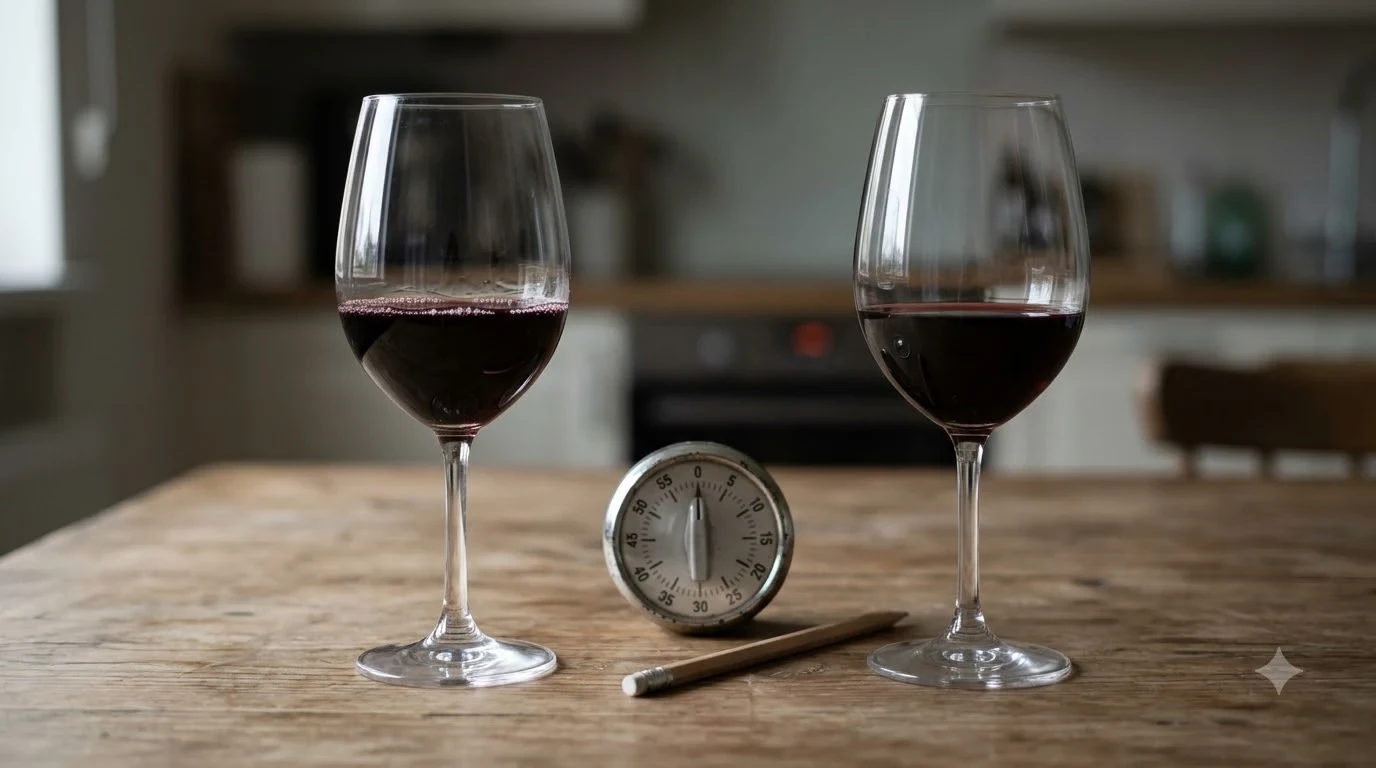
When you open a bottle for the first time, pour two small glasses of the Cabernet and the Merlot and taste them side by side. The difference in structure is easy to notice: the Cabernet tends to feel firmer and drier on the finish, while the Merlot feels softer. That quick comparison tells you which style you prefer, and it is a better guide than any single description on a label.
Frequently Asked Questions
Is Sutter Home red wine sweet or dry?
It depends on the bottle. The Cabernet Sauvignon and Merlot are presented as dry varietal reds, while Red Moscato and the Sweet Red Wine are described as sweet, with fruit-forward flavors such as cherry and peach.
What food goes with Sutter Home Cabernet Sauvignon?
The brand suggests homemade chicken dishes, red meats, game and mildly seasoned pastas. A dry Cabernet works best with savory foods that have enough fat to balance its structure.
Should I chill Sutter Home red wine?
Bolder dry reds are usually best slightly cooler than room temperature, around 60 to 68 degrees Fahrenheit according to Wine Folly. The sweeter reds can be served a little colder, since chilling makes a sweet wine feel fresher.
Does the brand list the alcohol content of its reds?
Not on the wines page this guide relied on. The page gives tasting language and serving suggestions for each red but does not publish ABV figures, so check the label on the bottle you buy for the exact alcohol level.
Sutter Home red wine is a practical choice when you want an approachable, easy-to-find red. Pick the dry Cabernet for savory meals, the Merlot for relaxed evenings, and one of the sweet reds if you prefer fruit-forward flavor, and use the brand comparison guide to see how it stacks up against other producers.
More in Wine Brands
 Underwood Wine Price: Compare Bottles, Cans, and Pack SizesUpdated Nov 21, 2026
 Zenato Wine Price: Compare Styles and Choose the Right BottleUpdated Nov 21, 2026
 Zuccardi Wine Price: Compare Bottles and Find the Right RangeUpdated Nov 21, 2026
 Yellow Tail Moscato Review: Taste, Sweetness and Serving TipsUpdated Nov 21, 2026
 Wolf Blass Yellow Label Review: Choose Your Best StyleUpdated Nov 21, 2026
 Wolffer Estate Rose Review: Choose the Right Bottle for Your TableUpdated Nov 21, 2026