

We may earn a commission when you buy through links on this page, at no extra cost to you. Learn more.
Provence wineries are best known for rosé, and they also make reds and whites from a mix of Mediterranean and Rhône grape varieties. Rosé makes up more than half of the region’s output, while red accounts for roughly a third. The wineries spread across nine appellations, from the large Côtes de Provence zone to small coastal areas such as Cassis and Bandol.
If you are planning a trip to the south of France, or you simply want to know what makes Provence wine different, this guide explains how the region’s wineries are organized, which grapes shape their wines, and what to expect when you visit or buy a bottle.
What Provence wineries are known for
Provence is one of the oldest winemaking areas in France. According to the history summarized in the Provence wine entry on Wikipedia, winemaking around Marseille goes back at least 2,600 years to the Greek settlement founded there around 600 BC. By the time Rome arrived in 125 BC, the region’s wine already had a reputation for quality on the Mediterranean.
The modern identity of the region is rosé. Its wineries have leaned into pale, dry pink wines for decades, and tourism along the French Riviera helped build demand for those bottles as a partner for regional food. Many visitors arrive expecting only rosé, so it helps to know that the reds are often described by critics as the region’s most serious wines, with a spicy, full-flavoured character.
The region’s history also includes a hard setback. Phylloxera devastated Provence’s vineyards at the end of the 19th century. Many growers were slow to replant, and some switched to the high-yielding Carignan grape, which lowered quality for a time. Replanting and new markets, including Paris reached by rail, helped the wineries recover and shape the producers you see today.
Main grapes and wine styles
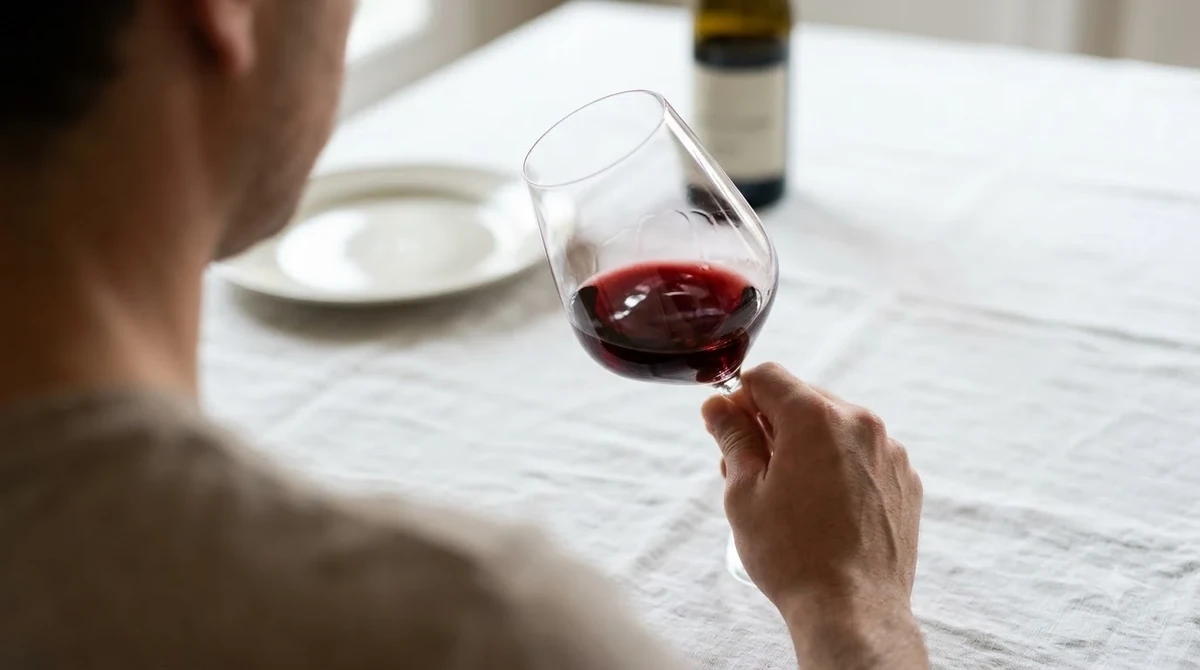
Provence wineries use a blend of grapes from the Mediterranean coast and the Rhône Valley. For reds and rosés, Mourvèdre is the most important variety across the region. It is usually blended with Grenache and Cinsault, which add fruit and softness. Cabernet Sauvignon and Syrah have become more common in recent decades, while Carignan, once a major grape, is used less than before.
White wines use Rhône varieties such as Bourboulenc, Clairette, Grenache blanc, Marsanne, and Viognier, along with Chardonnay, Sauvignon blanc, Sémillon, Rolle, and Ugni blanc. These whites are generally fresh and aromatic, and they pair well with the seafood and herbs typical of the coast.
The style of a Provence rosé depends on the blend, the ripeness of the grapes, and how long the juice stays in contact with the skins. Pale, dry, and crisp versions are the most common, but some producers make richer rosés that show more body. When you read a producer’s notes, look for the grape list first, since it tells you more about the wine than the color alone.
| Wine type | Typical grapes named | What to expect |
|---|---|---|
| Rosé | Grenache, Cinsault, Mourvèdre | Dry, pale, fresh, and the region’s signature style |
| Red | Mourvèdre, Grenache, Syrah, Cabernet Sauvignon | Spicy, structured, and often better with age |
| White | Rolle, Clairette, Bourboulenc, Viognier | Aromatic and crisp, with a Mediterranean character |
Provence wine regions and appellations
Provence has nine appellations (AOC), and each covers a different part of the landscape. Côtes de Provence is the largest, and Coteaux d’Aix-en-Provence is the next biggest. Other appellations include Coteaux Varois en Provence, Les Baux-de-Provence, and Pierrevert inland, along with the coastal zones of Bandol, Cassis, Bellet, and Palette.
The coastal appellations are smaller, and their wineries often produce limited quantities. Bandol is widely recognized for its reds built on Mourvèdre, while Cassis sits close to the sea and is known for its white wines. If you want to explore a single area, choose one or two appellations rather than trying to cover the whole region in one visit.
Because the appellations differ so much in soil, altitude, and exposure to the sea, the same grape can taste different from one zone to the next. This is one reason many wine lovers organize their Provence tasting by appellation instead of by producer alone.
Visiting Provence wineries
Most Provence wineries welcome visitors, but opening hours and tasting formats vary by estate. Smaller family producers may need an appointment, while larger properties often run regular tours and tastings. Check each winery’s website or contact page before you plan a route, especially in the quieter months.
A practical plan is to group wineries that are close together and keep the day manageable. Two or three visits are usually enough to taste a range of styles without rushing. Ask to try both the rosé and a red, since the reds show a different side of the region and are often the most helpful for understanding local grapes.
If you enjoy comparing how wine regions feel to visit, our guide to Santorini wineries covers another Mediterranean destination with its own grape traditions and landscape. For a broader look at how wine regions differ, the Wine Regions section explains the main factors that shape taste.
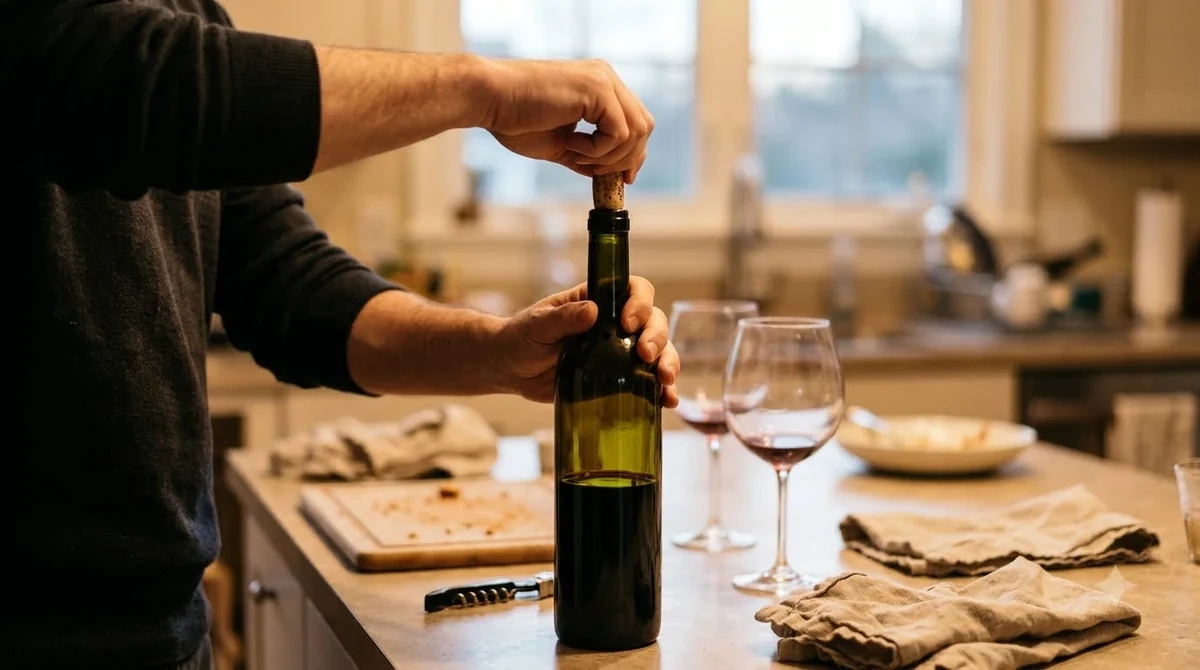
Tip: Rosé from Provence is designed to be drunk young and cold. If you buy a bottle to take home, check the vintage and serve it chilled rather than storing it for years.
How to buy and serve Provence wine
When buying Provence wine, start with the appellation on the label. The name tells you the zone and often hints at the style, so a bottle from Bandol will usually taste different from one labeled Côtes de Provence. Then look at the grape list, the vintage, and the producer’s description of the wine.
Serving temperature matters. Rosé and white wines are usually best lightly chilled, while reds from the region can be served a little cooler than room temperature and opened some time before drinking. A wide glass helps the aromas open for reds, and a standard white or rosé glass works well for lighter styles.
Provence wines pair naturally with the foods of the region, including grilled fish, herbs, olive oil, vegetables, and goat cheese. Reds with Mourvèdre suit grilled or roasted meats, and the crisp rosés fit well with salads and summer meals.
Frequently Asked Questions
What are Provence wineries best known for?
Provence wineries are best known for rosé, which accounts for more than half of the region’s production. They also make red and white wines, and the reds are often praised by critics for their spicy, full-flavoured character.
Which grapes are grown in Provence?
Mourvèdre is the main red and rosé grape across the region, usually blended with Grenache and Cinsault. White wines often use Rhône varieties such as Rolle, Clairette, and Viognier, along with Chardonnay and Sauvignon blanc.
How many appellations are there in Provence?
Provence has nine AOC appellations. Côtes de Provence is the largest, followed by Coteaux d’Aix-en-Provence, and the coastal zones include Bandol, Cassis, Bellet, and Palette.
Do Provence wineries offer tours?
Many wineries welcome visitors, but policies differ from estate to estate. Smaller producers may require an appointment, so check each winery’s website before you visit and plan a route with a few stops rather than many.
Provence wineries offer far more than a single style of rosé. Start with the appellation and grape list, taste both the rosé and a red, and plan a short route if you visit. Once you know how the region is organized, it becomes much easier to choose a bottle or a winery that fits what you enjoy.
More in Wine Regions
 Willcox Wine Trail: Discover Arizona’s High-Elevation Wine CountryUpdated Nov 20, 2026
 Yakima Valley Wine Region: Find the Best Styles to TryUpdated Nov 20, 2026
 Vosne Romanee Wine Tasting: Identify Aromas and Choose Better PairingsUpdated Nov 20, 2026
 Yakima Valley Wine Festival: Find the Best Seasonal Wine EventsUpdated Nov 20, 2026
 Wales Vineyards: Discover Cool-Climate Wines and Where to VisitUpdated Nov 20, 2026
 Yountville Wine Festival: Discover Napa Wines and Local FoodUpdated Nov 20, 2026