

We may earn a commission when you buy through links on this page, at no extra cost to you. Learn more.
Santorini wineries are small estates and cooperatives on a volcanic Greek island in the Aegean Sea, and most of them build their reputation on the white grape Assyrtiko. Visitors come for tastings with caldera views, for the island’s sweet Vinsanto, and for a look at vineyards grown in ash-rich soil. Several well-known producers sit near the harbor or on the cliffs, so a single day can cover the main names.
Santorini is one of the most dramatic wine destinations in Europe, and its wineries are a big part of the appeal. This guide walks through the island’s producers, what to expect at a tasting, how to plan a visit around cruise-ship crowds, and what to buy once you leave. If you want the grape and style basics first, the separate guide to Santorini wine covers that ground in more detail.
What makes the island’s wineries different
Santorini’s wineries work with a landscape that few other regions share. The soil is rich in volcanic ash, and the vines grow low, in tight bunches close to the ground rather than on tall trellises. That shape shelters the fruit from the strong sea winds that sweep across the island. According to VinePair’s Santorini guide, the ash helps the grapes keep their acidity even when they reach full ripeness.
The result is a set of wineries that feel different from the mainland. Whites tend to be crisp and mineral, with a saline edge that fits the sea air. Many producers also make a sweet wine called Vinsanto, where the grapes are dried before pressing. Visiting a winery is the best way to see how each estate handles these traditions.
The wineries worth visiting
Santorini has a handful of producers that most visitors add to their list. VinePair names several of them. Estate Argryos is a family producer with roots going back more than a century, and its tiny tasting room is a good place to see the winemaker at work on the blend. Its visit tends to feel personal rather than busy.
Santo Wines is the island’s largest winery and works as a cooperative of about 2,500 growers near the harbor. It offers a broad view of the island’s output, and its balcony is a popular place to watch the sunset. Domaine Sigalas is a younger estate known for its oak-barrel-fermented Assyrtiko, which shows a rounder, richer side of the grape. Gaia is built on the beach and is known for its wild-fermented Assyrtiko, a style that suits visitors who want a more experimental tasting.
Art Space Winery is worth a stop for a different reason. It doubles as the island’s wine museum and makes Vinsanto, and the grapes are dried on the vineyard’s roof before pressing. A short visit gives context to the sweet wines that are often overlooked on Santorini.
| Winery type | What to expect |
|---|---|
| Family estate | Small tasting room, personal service, winemaker-led blending talk |
| Cooperative | Wide range of styles, large setting, views over the harbor |
| Modern estate | Oak-aged Assyrtiko and a more polished tasting format |
| Museum winery | Wine history, Vinsanto, and a short guided look at production |
How to plan your winery day
Timing matters more on Santorini than at most wine destinations. Large tour groups arrive by bus and cruise ship, and the busiest wineries fill up around midday. VinePair advises visiting Santo Wines first or last in the day to avoid the crowds, and that advice is sound for most of the island’s popular stops. Morning visits also let you taste while your palate is fresh.
Distances are short, but the roads are narrow and winding. Many visitors hire a driver or join a small guided group, which means nobody has to drive after tastings. Plan one or two long tastings rather than racing through five or six quick stops. One full day is enough to see the island’s top wineries and still have time for the caldera views and a meal by the sea.
Tip: Ask whether a tasting includes Vinsanto or only dry whites. Sweet wines are a big part of the island’s identity, and a small pour often makes the visit more memorable.
What to buy and how to take it home
Assyrtiko is the most common bottle to take home, and it keeps its character well when chilled and served with seafood, grilled fish, or fresh cheese. Buy a bottle that names its vineyard or producer, because the style can shift a lot between estates. Vinsanto is a better gift or dessert choice. Serve it in small glasses and pair it with nuts, dried fruit, or a simple biscuit.
Shipping wine from Greece takes planning. Check your home country’s rules on alcohol imports and ask the winery whether it can pack bottles securely for a flight. Many estates sell wine through their own shops, which is often the simplest route for visitors who want a bottle they tasted that day.

Tasting etiquette and what to ask the staff
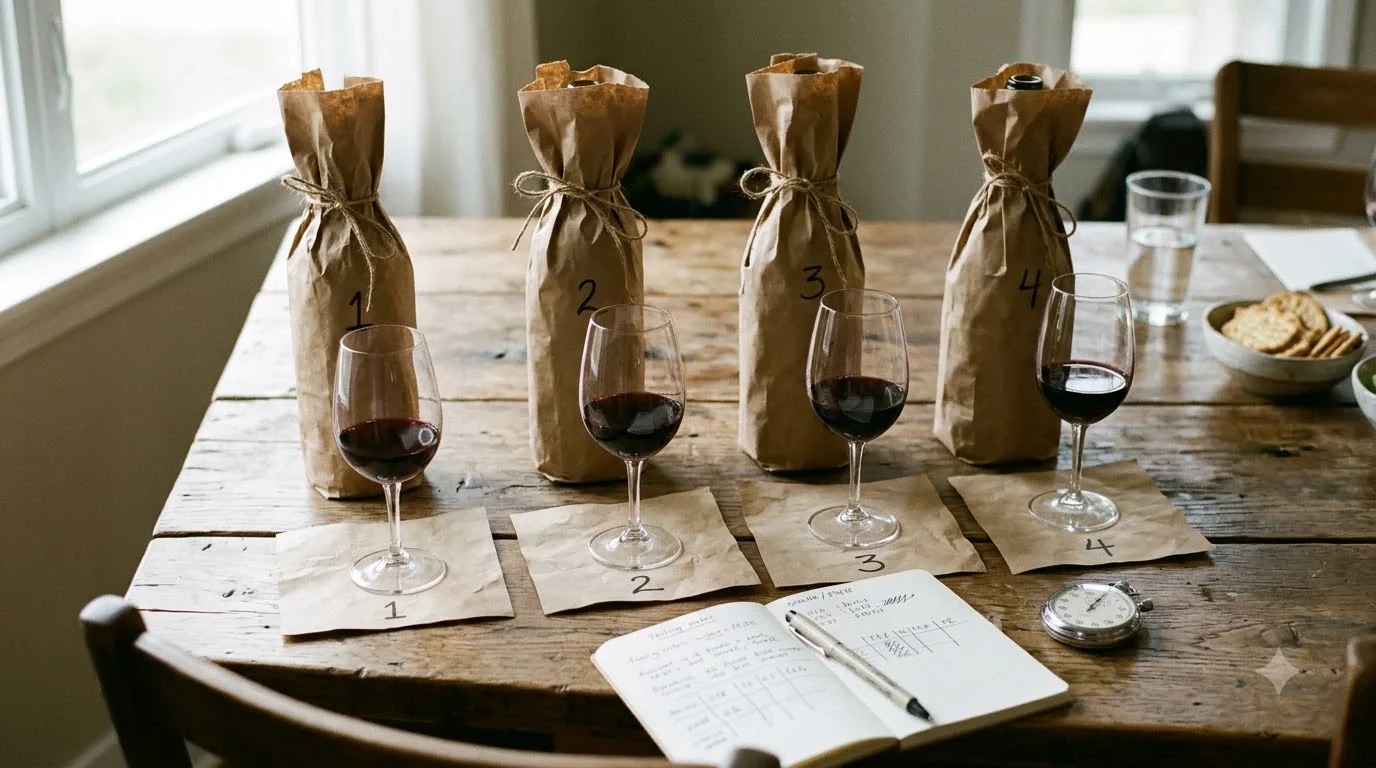
Tasting rooms on Santorini range from informal counters to formal seated tastings with a printed list. Whichever format you find, a few simple habits make the visit more useful. Arrive with an open mind about style, since a dry white from one estate can taste very different from the Assyrtiko poured across the road. Use the spit bucket if one is provided, especially when you have several stops planned.
Asking good questions is often the quickest way to learn something new. You might ask how long the vines have been growing on the estate, whether the wine is fermented in steel or oak, or how the vineyard handles the wind. Staff at small wineries often have a direct link to the vineyard and can explain why a particular bottle tastes the way it does.
Think about what you want from the day before you arrive. Some visitors want a broad survey of the island’s whites, while others prefer a deeper look at one estate and its sweet wines. Deciding early keeps the schedule relaxed and helps you leave room for a long lunch or a slow walk along the cliffs.
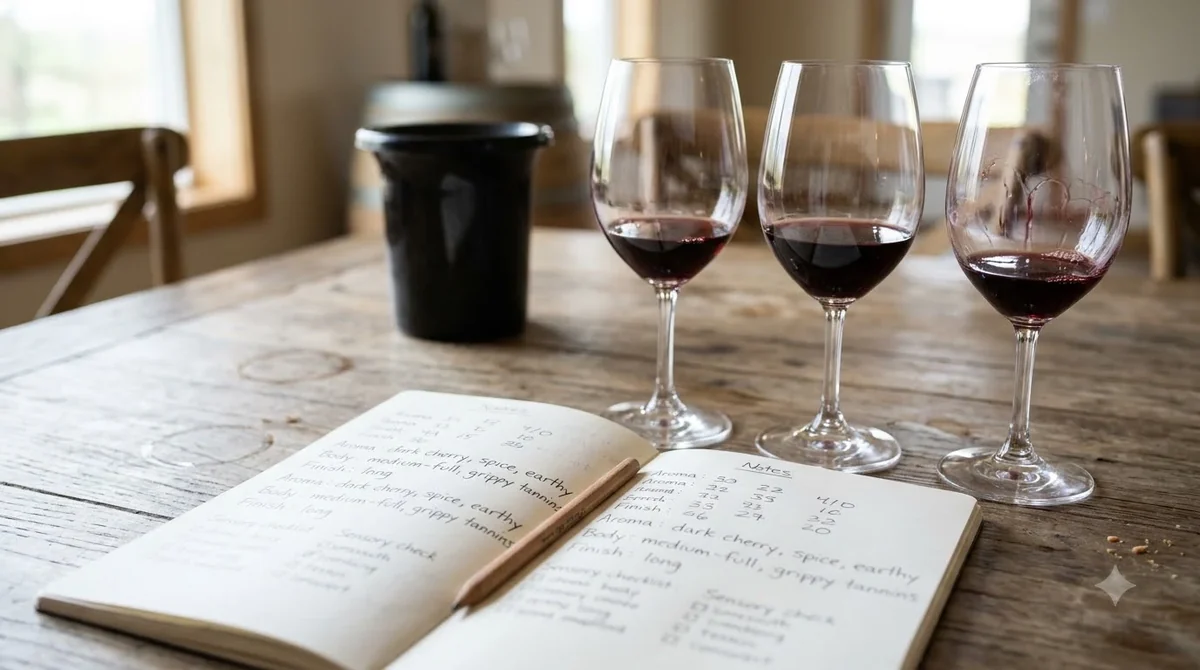
Keep a short list of the wines you like as you go. Note the producer, the grape, and one or two words that describe the taste. Those notes make it much easier to choose a bottle later, whether you are shopping at a winery shop or looking for something similar at home.
Frequently Asked Questions
How many wineries are on Santorini?
The island has a mix of family estates, a large cooperative, and newer producers. Visitors usually focus on a handful of well-known wineries rather than trying to see every small estate in one day.
Which Santorini winery is best for a first visit?
A cooperative like Santo Wines gives a broad overview, while a family estate such as Estate Argryos offers a more personal tasting. Choosing one of each lets you compare a larger setting with a smaller one.
What is Vinsanto?
Vinsanto is a sweet dessert wine made from grapes that are dried, usually in the sun, before pressing. On Santorini the grapes are dried on the vineyard’s roof at Art Space Winery, and the resulting wine is rich and concentrated.
When is the best time to visit Santorini wineries?
Morning is usually the quietest time. Visiting early or late in the day helps you avoid the largest tour groups, and the calmer hours make it easier to ask questions and take in the views.
For a wider look at how wine regions are organized, start with the Wine Regions guide. You can also compare the island’s approach with other destinations, such as mosel wineries or ribera del duero wineries, to see how landscape and tradition shape the way wineries welcome visitors.
More in Wine Regions
 Willcox Wine Trail: Discover Arizona’s High-Elevation Wine CountryUpdated Nov 20, 2026
 Yakima Valley Wine Region: Find the Best Styles to TryUpdated Nov 20, 2026
 Vosne Romanee Wine Tasting: Identify Aromas and Choose Better PairingsUpdated Nov 20, 2026
 Yakima Valley Wine Festival: Find the Best Seasonal Wine EventsUpdated Nov 20, 2026
 Wales Vineyards: Discover Cool-Climate Wines and Where to VisitUpdated Nov 20, 2026
 Yountville Wine Festival: Discover Napa Wines and Local FoodUpdated Nov 20, 2026