

We may earn a commission when you buy through links on this page, at no extra cost to you. Learn more.
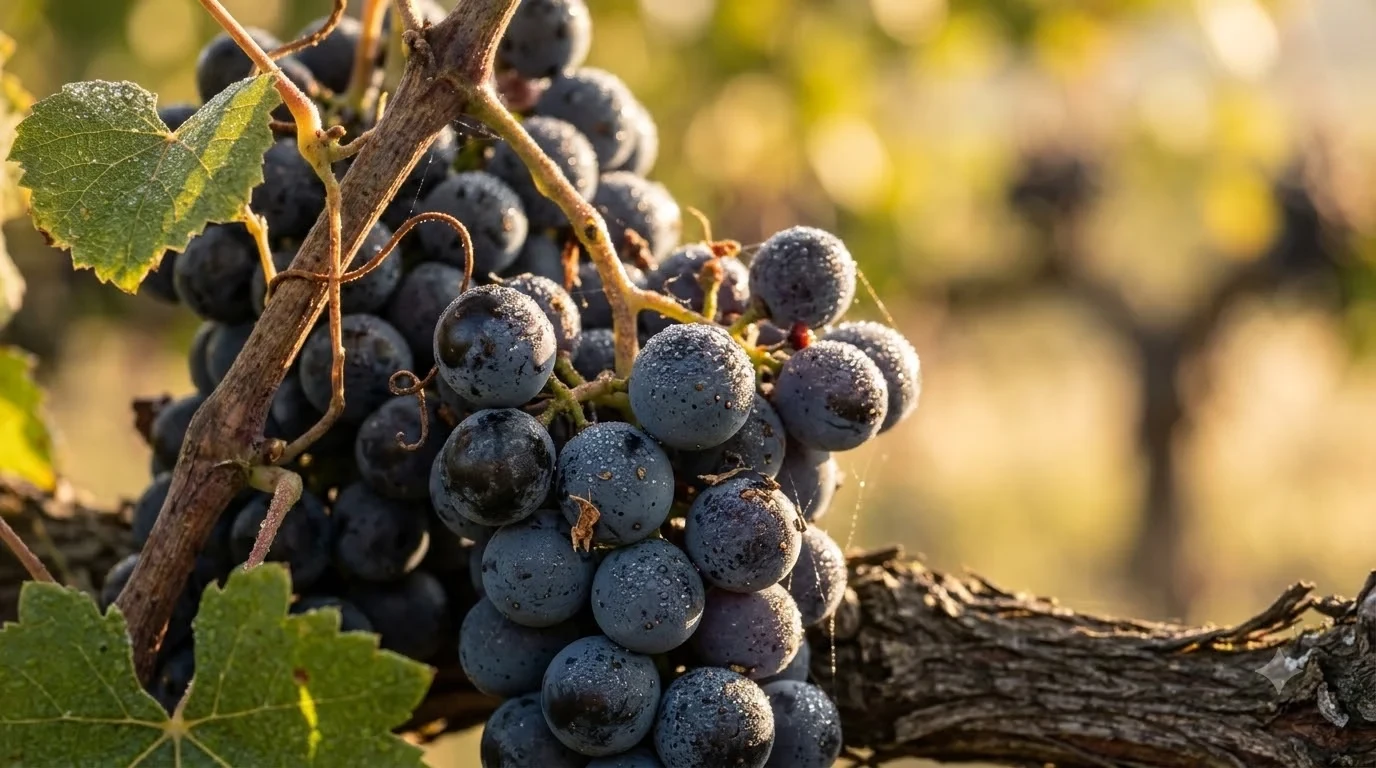
Carignan grape is a red grape that makes dry, medium-bodied wines with bright acidity and flavors of dried cranberry, raspberry, and baking spice. It is grown mainly in Spain and France, where it often shows up in blends with Grenache and Syrah. Carignan is a good match for fall and holiday meals because it handles spiced and smoky food well.
Carignan is one of those grapes many wine drinkers have tasted without knowing its name. It sits in red blends from the south of France and in bottles from northeastern Spain, and it has a long history in both places. This guide explains what the grape tastes like, where it is planted, how to serve it, and what to eat with it, so you can choose a bottle with more confidence.
What Carignan Grape Is
Carignan is a dark-skinned red grape. Its wines are usually dry, which means they have little or no residual sugar, and they tend to sit in the middle of the body range: lighter than a big Cabernet Sauvignon, but with more structure than a simple pink wine. The grape is valued for its natural acidity, which keeps the wine lively on the palate and makes it feel fresh even when the fruit is ripe.
Most of the Carignan you will find on a shelf is not a single-varietal bottle. Winemakers often blend it with Grenache and Syrah, which add softness and dark fruit to balance the grape’s sharper edges. When you see Carignan on a label, it is usually a clue that the wine is built for food, not for a quiet sip by itself.
Flavor and Styles
Carignan has a fairly consistent flavor profile. According to Wine Folly’s guide to the grape, the typical aromas and flavors include dried cranberry, raspberry, tobacco leaf, baking spices, and cured meat. Younger wines lean toward red fruit and fresh herbs, while older bottles often develop savory, earthy notes.
The grape’s tannins are described as medium, so the wine feels firm enough to pair with meat but not so grippy that it overwhelms a dinner. The acidity is typically listed as medium-high, which is one reason Carignan works well with tomato sauces, roasted vegetables, and rich dishes that need a bright counterpoint.
| Characteristic | Typical Carignan | What it means for you |
|---|---|---|
| Body | Medium | Lighter than a big Cabernet, more structured than a Beaujolais |
| Acidity | Medium-high | Pairs well with tomato, olive, and fatty meats |
| Tannins | Medium | Firm but approachable, good with roasted dishes |
| Alcohol | 13.5% to 15% ABV | Moderate for a red, so it suits a long meal |
| Main flavors | Cranberry, raspberry, spice | Fruit-forward with a savory finish |
Tip: If you are unsure whether a label is Carignan, check whether it is a blend. A Grenache-Carignan or Syrah-Carignan mix will usually be softer and fruitier than a bottle that leans heavily on the grape.
Where Carignan Grows
Carignan is planted most widely in Spain and France. In France, it has a long association with the south, where it grows in warm, dry conditions and contributes to many of the region’s everyday red blends. In Spain, the grape is part of the wine culture of the northeast, and producers there often use it alongside other traditional varieties.
Warm climates suit Carignan because the grape can ripen fully without losing its acidity. That balance is the main reason it has stayed in use for so long. Growers who work with older vines often talk about the concentration and character that come from age, though the specifics vary from one vineyard to the next.
How to Serve Carignan
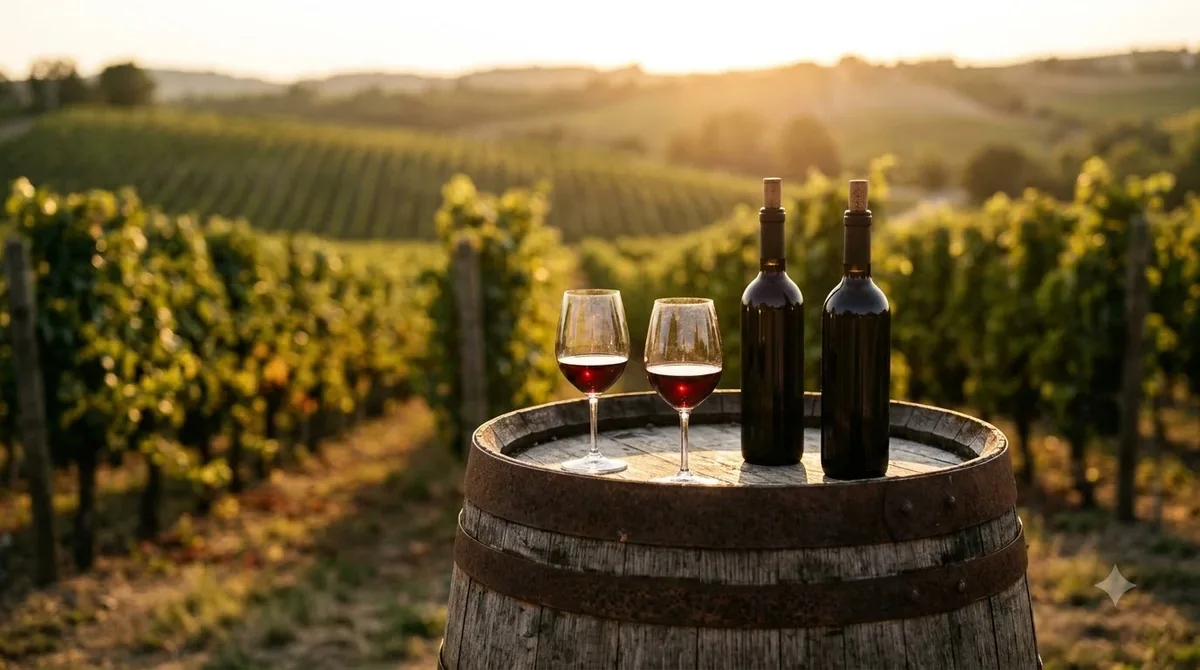
Serving temperature matters more than many people expect. Carignan is best served slightly cool, in the range of 15 to 20 degrees Celsius, which is about 60 to 68 degrees Fahrenheit. At that temperature the fruit stays fresh and the acidity feels clean rather than sharp. If the bottle has been sitting in a warm room, a short stop in the refrigerator can bring it into range.
Decanting is optional but useful for younger wines. Wine Folly suggests decanting for about 30 minutes, which gives the aromas time to open. A universal glass, the kind with a medium bowl and a slight taper, lets you smell the spice and the red fruit without losing the wine’s brightness.
Carignan also keeps well. The same guide suggests a cellar life of around five to ten years for many bottles, so a wine bought today can improve over several seasons if it is stored away from heat and light.
Food Pairings for Carignan
Carignan is at its best with food that has some spice or smoke. Cinnamon-spiced dishes, berry-based sauces, and smoky grilled meats all work well, because the wine’s red fruit and baking-spice notes echo the flavors on the plate. This is why it fits so naturally into holiday menus, where roast meats, cranberry sauce, and spiced side dishes are common.
For a simple weeknight pairing, try a Carignan-based blend with roasted chicken thighs seasoned with paprika, or with a sausage and bean stew. Tomato-based dishes are another strong option because the wine’s acidity keeps the sauce from feeling heavy. If you are serving a cheese board, aged hard cheeses and cured meats tend to match the wine’s savory side.
Avoid very delicate dishes, such as light fish or fresh salads with a vinaigrette, unless the wine is served well chilled. The grape’s structure can overpower them.
How to Choose a Good Carignan Bottle
When you shop, read the back label first. Look for the blend, the region, and the vintage. A Carignan from Spain or the south of France will usually be fruit-forward and easy to drink, while a single-vineyard or older-vine bottle may cost more and show more depth. Because the grape often appears in blends, a bottle labeled as a Grenache-Carignan blend is a practical choice for everyday dinners.
If you prefer a wine that feels softer, choose a blend with more Grenache. If you want more structure and savory character, look for a bottle where Carignan takes a bigger share. Either way, a bottle that is a few years old may show more complexity than a freshly released one.
For more background on how grape character shapes a wine, the Wine by Type section of this site covers other red and white styles, and the pecorino grape page explains how a lesser-known variety can still make a memorable bottle.
Frequently Asked Questions
Is Carignan a red or white grape?
Carignan is a red grape. It produces dry red wines with medium body, medium-high acidity, and medium tannins. It is most often found in red blends.
What does Carignan taste like?
Carignan typically tastes of dried cranberry, raspberry, and baking spices. Older bottles can show tobacco leaf and cured meat notes. The acidity keeps the flavors bright.
Should Carignan be served chilled?
Serve it slightly cool, around 15 to 20 degrees Celsius, or 60 to 68 degrees Fahrenheit. A short time in the refrigerator is enough if the bottle has been sitting in a warm room.
What food goes well with Carignan?
Carignan pairs well with cinnamon-spiced dishes, berry sauces, smoky grilled meats, and tomato-based dishes. It is a natural choice for holiday meals with roast meat and cranberry.
Carignan is a practical, food-friendly red that rewards a little attention to serving temperature and pairing. Start with a blend if you are new to the grape, then try a bottle where Carignan leads to see how its acidity and spice change the meal. If you want to go further, the Wine by Type guide is a good place to compare it with other red styles.
More in Wine Types & Grapes
 Zinfandel Sugar Content: Dry Red vs. White Zinfandel GramsUpdated Nov 21, 2026
 Best Zinfandel Substitute Options for Sipping and CookingUpdated Nov 21, 2026
 Zweigelt Food Pairing: Best Dishes, Cheeses, and Serving TipsUpdated Nov 21, 2026
 Zinfandel Tannins Explained: How Structure Shapes Every BottleUpdated Nov 21, 2026
 Zinfandel Sweetness Level: Dry Red vs. Sweet White Zin ExplainedUpdated Nov 21, 2026
 Xinomavro Food Pairing: Best Dishes, Styles, and Serving TipsUpdated Nov 21, 2026