

We may earn a commission when you buy through links on this page, at no extra cost to you. Learn more.
This la marca prosecco review finds that La Marca Prosecco is a light, fruity Italian sparkling wine with lively bubbles, refreshing acidity, and a noticeable touch of sweetness. Its flavors of green apple, peach, lemon, and honeysuckle make it a versatile choice for brunch, casual celebrations, seafood, and sparkling cocktails. It is particularly appealing to drinkers who prefer approachable, fruit-forward sparkling wine rather than a very dry, austere style.
La Marca has become a familiar name in American sparkling wine, helped by its recognizable blue-and-silver packaging and accessible drinking style. However, appearance and brand recognition do not tell the whole story. Understanding its sweetness, grape variety, production method, alcohol content, and food compatibility makes it easier to decide whether the bottle suits your preferences. This guide examines the flagship Prosecco and explains how to select, serve, and enjoy it.
Who Should Choose La Marca Prosecco?
La Marca Prosecco is particularly suitable for people who enjoy fresh fruit flavors, gentle sweetness, and lively carbonation without the weight of a richer sparkling wine. Its approachable profile works for informal entertaining, weekend brunches, and occasions when a bottle needs to appeal to several different palates.
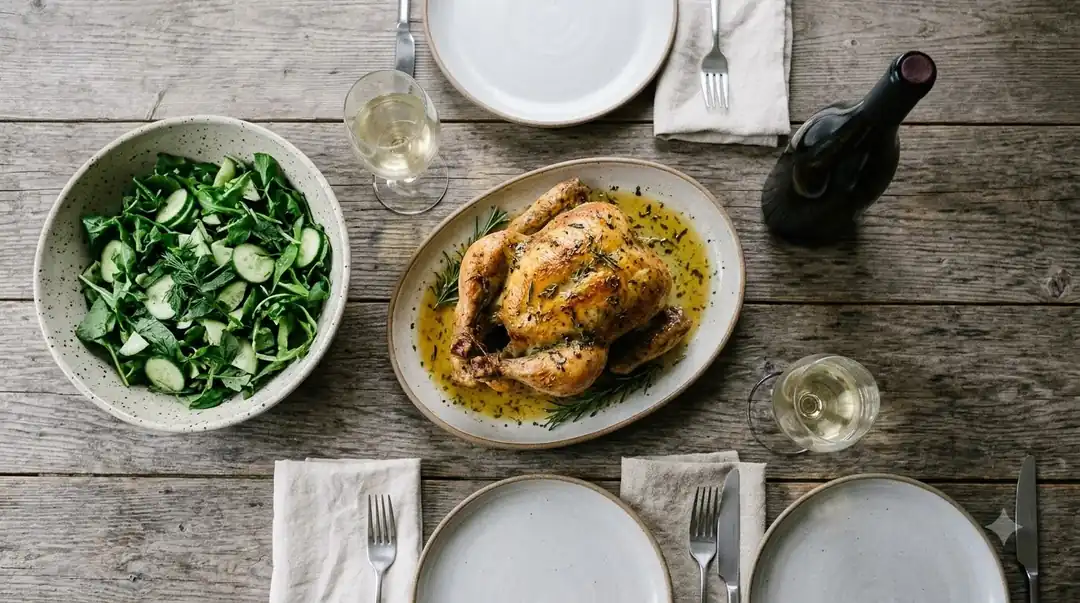
The flagship bottling is a Prosecco D.O.C. from northeastern Italy, made with Glera grapes. La Marca’s official US product description identifies citrus and honeysuckle aromas alongside green apple, juicy peach, and ripe lemon. These characteristics create a recognizable sparkling-wine profile that emphasizes freshness rather than oak, heavy texture, or extended bottle aging.
There are several reasons to consider this wine:
- For casual sparkling-wine drinkers: Its fruity character and approachable sweetness make it accessible to people who find particularly dry sparkling wines too sharp.
- For brunch hosts: The bubbles and citrus-driven profile work well with breakfast dishes, fruit platters, and orange juice cocktails.
- For informal celebrations: Its light body and refreshing finish suit birthdays, holiday gatherings, and outdoor meals.
- For cocktail enthusiasts: The wine can be enjoyed independently or used as the sparkling component in drinks such as Mimosas and Hugo cocktails.
- For seafood lovers: Its acidity and carbonation complement shrimp, sushi, shellfish, and other relatively delicate dishes.
However, La Marca may not satisfy everyone. Drinkers who prefer bone-dry Champagne, particularly complex traditional-method sparkling wines, may find its fruitiness and softer sweetness less compelling. Similarly, someone looking for a powerful, yeasty, long-aged sparkling wine should consider a different production style.
It is also important to distinguish between everyday enjoyment and collecting. The flagship La Marca is a non-vintage Prosecco intended for relatively immediate enjoyment. Its main attraction is its fresh, uncomplicated character, not the development of complex bottle-aged flavors over many years.
Readers comparing different producers can explore our broader Wine Brands coverage to understand how sparkling-wine labels differ in style, origin, and intended use.
Key Factors to Compare Before Buying
The most useful purchasing considerations are grape variety, sweetness, alcohol content, bottle format, and production method. These details explain what the wine tastes like and whether it matches the occasion.
| Characteristic | La Marca Prosecco | What It Means |
|---|---|---|
| Wine category | Italian sparkling wine | Fresh, carbonated wine for casual drinking |
| Appellation | Prosecco D.O.C. | Protected Italian wine designation |
| Primary grape | Glera | Provides fruity and floral characteristics |
| Alcohol content | Approximately 11% | Moderate alcohol for sparkling wine |
| Sugar information | 18 g/L on the SAQ listing | Supports a noticeable fruity sweetness |
| Wine style | Light and fruit-forward | Emphasizes freshness over richness |
| Production method | Charmat method | Secondary fermentation takes place in a tank |
| Standard bottle | 750 ml | Approximately five 5-ounce servings |
| Other formats | 187 ml, 375 ml, 1.5 L | Options for individual servings and groups |
| Serving temperature | About 40–50°F | Preserves freshness and lively bubbles |
The figures above combine the brand’s US product information, an Italian technical document, and the SAQ product listing. The alcohol figure deserves particular attention: Wine.com lists 11.2% ABV, while the SAQ and Italian technical document list 11%. These small differences can reflect different product information or bottling specifications. For a more detailed explanation, see our guide to La Marca Prosecco alcohol content.
Sweetness is another important consideration. The SAQ lists 18 grams of sugar per liter for its 750 ml bottle. That information helps explain why some drinkers perceive the wine as sweeter than a conventional Brut sparkling wine. It is fruity and refreshing, but it should not be confused with a completely dry sparkling wine.
Production method also influences expectations. La Marca’s Italian technical document identifies the Charmat method, in which the second fermentation takes place in a pressurized tank. This approach preserves fresh fruit characteristics and creates the lively bubbles associated with many Prosecco wines.
For a closer look at the flavors and aromas behind these specifications, our La Marca Prosecco tasting notes article provides additional detail.
Two useful independent references are the official La Marca Prosecco product description and the SAQ product information and tasting profile. Together, they help clarify the wine’s stated characteristics and how retailers describe its style.
Step-by-Step: How to Choose and Serve a Bottle
Choosing La Marca Prosecco involves more than picking up a standard 750 ml bottle. The intended occasion, number of guests, preferred sweetness, and serving temperature all influence the best format and presentation.
-
Identify the occasion.
For a quiet evening or a small toast, a 187 ml or 375 ml bottle may be sufficient. For a brunch with several guests, the standard 750 ml format offers more flexibility. A 1.5-liter bottle is worth considering for larger gatherings where several people will share the wine.
-
Decide how you intend to drink it.
If you want to enjoy the wine on its own, the flagship Prosecco is a natural starting point. If you are preparing Mimosas, its green apple, lemon, and peach flavors provide a fruit-friendly foundation. For more elaborate cocktails, consider whether the recipe calls for a particularly dry sparkling wine or a fruitier style.
-
Consider sweetness preferences.
La Marca’s flagship wine has a noticeable fruity character and a hint of sweetness. Someone accustomed to Brut Nature or Extra Brut sparkling wine may find it comparatively soft. Someone who enjoys fruit-forward sparkling wines may appreciate this characteristic.
-
Choose an appropriate bottle size.
A 750 ml bottle provides approximately five standard 5-ounce pours. A 1.5-liter bottle doubles that capacity, while 187 ml and 375 ml formats are practical for smaller occasions. Allow for additional servings if you intend to prepare cocktails.
-
Chill the bottle before opening.
Place the wine in a refrigerator for a few hours or use an ice bucket with ice and water. A serving temperature around 40–50°F is appropriate for sparkling wine, with La Marca’s Wine.com product guidance recommending 46–50°F.
-
Select suitable glassware.
A sparkling-wine flute helps preserve the visual impression of rising bubbles. A white wine glass offers more room for the aromas to develop. Either option works for casual service, although a clean, properly shaped glass makes the wine easier to appreciate.
-
Open and pour carefully.
Remove the foil and loosen the wire cage while maintaining control of the cork. Keep the bottle pointed away from people and fragile objects. Hold the cork securely, rotate the bottle rather than pulling the cork forcefully, and pour gently to control the foam.
These steps help preserve the wine’s freshness and make serving easier. They are particularly useful when entertaining because sparkling wine loses some of its carbonation once opened. Preparing chilled glasses and having a suitable stopper available before opening the bottle can prevent unnecessary delays.
Tip: Chill La Marca Prosecco thoroughly before serving rather than adding ice directly to the glass. Ice dilutes the wine and changes its balance. For a gathering, keep the unopened bottle in an ice-and-water bucket so it remains cold throughout service.
For a Mimosa, pour the chilled Prosecco gently over orange juice instead of vigorously mixing the ingredients. This helps retain more carbonation. For a simpler aperitivo, serve it without additions alongside olives, mild cheese, or lightly salted appetizers.
Types and Styles Explained
La Marca’s wider collection includes several sparkling-wine styles, so the flagship Prosecco is not the only option to understand. The differences involve grape composition, sweetness, and the overall drinking experience.
Flagship Prosecco D.O.C.
The standard La Marca Prosecco is the best-known expression in the collection. It is made from Glera and emphasizes citrus, honeysuckle, green apple, peach, and lemon. Its fruit-forward character and gentle sweetness make it suitable for aperitivo hour, brunch, and everyday celebrations.
The flagship wine is a practical choice when guests have different levels of sparkling-wine experience. It does not demand extensive knowledge of wine terminology, and its recognizable fruit profile makes it relatively easy to pair with appetizers and lighter meals.
La Marca Prosecco Rosé
La Marca’s Rosé differs from the flagship white Prosecco because it combines Glera with Pinot Noir. According to the brand’s portfolio description, the Rosé offers notes of white peach, raspberry, green apple, and summer florals.
This is a useful alternative for people who prefer a pink sparkling wine or want a different fruit profile for entertaining. Its berry character may also make it a natural choice for fruit platters, salmon dishes, and summer gatherings.
La Marca Prosecco Demi Sec
Demi Sec is the sweeter direction within the collection. La Marca identifies this style as its sweetest option, making it more suitable for drinkers who prefer noticeable sweetness rather than a crisp, relatively dry finish.
It can work alongside soft cheeses, fruit-based desserts, and other dishes where a sweeter sparkling wine is appropriate. A useful pairing principle is to choose a wine at least as sweet as the dessert, preventing the wine from tasting overly sharp or sour alongside sugary food.
La Marca Icon
Icon represents a different positioning within the portfolio. La Marca describes it as its driest collection option and associates it with hand-harvested grapes from the Conegliano Valdobbiadene region and the D.O.C.G. designation.
Its stated positioning makes it worth considering for people who want a drier expression than the flagship Prosecco. The distinction is useful because consumers sometimes assume every bottle carrying the La Marca name has exactly the same sweetness and production characteristics.
For everyday buying decisions, the flagship bottle is a sensible starting point. Rosé offers a different color and berry profile, Demi Sec suits sweeter preferences, and Icon provides an alternative for those seeking a drier style.
Common Mistakes When Buying and Drinking La Marca
Several misunderstandings can lead to disappointment with an otherwise suitable bottle. The most common involve sweetness terminology, comparisons with Champagne, temperature, and food pairing.
Assuming Extra Dry Means the Least Sweet
Sparkling-wine sweetness terminology can be confusing. Extra Dry is actually sweeter than Brut, even though its name suggests the opposite. The typical sweetness order, from driest to sweetest, is Brut Nature, Extra Brut, Brut, Extra Dry, Dry, Demi-Sec, and Doux.
La Marca’s Italian technical document identifies its Treviso DOC Extra Dry bottling. This is an important distinction when comparing the Italian technical specification with descriptions of the US flagship product. The exact sweetness designation should not be assumed to apply identically to every bottle in the wider portfolio.
Expecting Champagne Characteristics
Prosecco and Champagne are both sparkling wines, but they generally use different production methods. Prosecco commonly uses tank fermentation, whereas Champagne undergoes its second fermentation in the bottle.
This difference affects the resulting texture and flavor. Prosecco tends to emphasize fresh fruit and lighter, more immediate aromas. Traditional-method Champagne often develops additional bread, biscuit, and yeast-related characteristics through extended contact with spent yeast cells.
La Marca should therefore be judged as Prosecco rather than as an inexpensive imitation of Champagne. Its appeal lies in its fresh, fruity personality.
Serving It Too Warm
Warm sparkling wine can seem less refreshing, and its alcohol and sweetness may become more noticeable. A temperature around 40–50°F helps maintain a crisp impression and makes the bubbles more enjoyable.
Extremely cold service can also mute delicate aromas. Rather than leaving the bottle in a freezer for an extended period, use a refrigerator or an ice-and-water bucket. A few minutes outside the bucket can help the wine become more expressive as it is poured.
Pairing It With the Wrong Food
La Marca’s fruity profile is versatile, but certain foods work better than others. Salt and acidity are useful considerations. Salty appetizers can make sparkling wine taste rounder, while acidic dishes generally work best with wines that have comparable or greater acidity.
Good options include shrimp, sushi, fresh salads, mild cheeses, and lightly seasoned poultry. Rich pasta dishes can also work because the bubbles help refresh the palate between bites.
Very spicy dishes are less straightforward. Alcohol can amplify chili heat, and sweet or fruit-forward wines may not always balance particularly hot sauces. Similarly, heavily tannic red wines are generally better companions for red meat than for oily fish, while a fresh sparkling white is often more versatile with seafood.
Assuming Every Bottle Has Identical Specifications
Retailer listings sometimes show slightly different alcohol figures or sweetness information. Wine.com lists 11.2% ABV for its flagship 750 ml listing, while the SAQ lists 11% ABV and 18 grams of sugar per liter. The Italian technical document also gives 11% for its Treviso DOC Extra Dry product.
These records should be treated as product-specific information rather than interchangeable specifications for every La Marca bottling. Differences in market presentation and bottling details can affect published descriptions.
Care and Storage Tips for Better Freshness
Proper storage and handling are important because sparkling wine depends on retaining its carbonation and fresh aromas. La Marca is best treated as a wine for relatively prompt enjoyment rather than long-term bottle aging.
Before Opening
Store an unopened bottle in a cool, dark location away from direct sunlight, strong temperature changes, and vibration. La Marca’s Italian technical document recommends a storage environment between 12°C and 18°C for its Treviso DOC Extra Dry wine.
For longer-term wine storage generally, a consistent temperature near 55°F is a useful target. Avoid keeping bottles in a kitchen cabinet next to an oven, above a refrigerator, or in a location that becomes hot during the afternoon.
Refrigeration is useful before serving, but the Italian technical document specifically advises against keeping its wine in the refrigerator for prolonged periods. A dedicated cool storage area is preferable if the bottle will not be opened soon.
After Opening
Once opened, sparkling wine begins losing carbonation. Use a proper sparkling-wine stopper rather than an ordinary flat wine stopper. Return the bottle to the refrigerator promptly and keep it upright to reduce the surface area exposed to air.
Wine.com’s product guidance estimates approximately three to four hours of freshness with a bottle closure when the wine is kept chilled. For a more general sparkling-wine storage guideline, one to three days in the refrigerator with an effective sparkling stopper is a reasonable expectation, although the bubbles and freshness may decline during that period.
The wine may still be drinkable after losing some carbonation, but its original character will change. If the remaining wine has become noticeably flat, it is generally better suited to a recipe than to serving as sparkling wine.
Protecting the Cork and Bottle
Never force a cork back into an opened sparkling-wine bottle. The original cork expands after removal and may not fit securely. A dedicated stopper is designed to hold onto the bottle neck and help preserve pressure.
Also avoid shaking the bottle before opening. Agitation increases the risk of excessive foaming and makes controlled pouring more difficult. Keep the bottle upright for a short period before opening if it has been moved around during transport.
Good handling preserves the experience La Marca is designed to deliver: fresh fruit, clean acidity, and lively bubbles. These qualities matter more than elaborate storage equipment for a wine intended for casual enjoyment.
Frequently Asked Questions
Is La Marca Prosecco vegan?
The available official product descriptions do not establish whether every La Marca bottling is vegan. Wine fining agents can include animal-derived materials, and the grape variety alone cannot establish vegan status. Consumers following a vegan diet should seek confirmation from the producer for the specific bottle.
Is La Marca Prosecco gluten-free?
Traditional wine is made from grapes rather than wheat, barley, or rye, so plain Prosecco is generally considered naturally gluten-free. However, consumers with specific ingredient concerns should verify information about the individual product and any added ingredients in prepared cocktails.
Does La Marca Prosecco contain sulfites?
Wine naturally produces some sulfites during fermentation, and additional sulfites may be used during winemaking to help protect freshness. Sulfites are a common feature of commercial wines, including sparkling wines. Product-specific labeling provides the most direct information about required allergen declarations.
Can La Marca Prosecco be used in a Bellini?
Yes. A traditional Bellini combines sparkling wine with white peach purée, making a fruit-forward Prosecco a suitable option. Its peach and apple characteristics complement the fruit, while the carbonation keeps the drink lively. Add the sparkling wine gently to preserve the bubbles.
Is La Marca Prosecco suitable for a wedding toast?
Yes, its approachable style and multiple bottle formats make it a practical candidate for informal wedding celebrations. For planning purposes, a standard 750 ml bottle provides approximately five traditional 5-ounce servings. Hosts should calculate additional bottles for smaller pours, cocktail service, or guests who want a second glass.
La Marca Prosecco is a good choice for drinkers who value fresh fruit flavors, refreshing bubbles, and a little sweetness rather than the complexity of an extensively aged sparkling wine. Its flagship bottling works particularly well for brunch, seafood, casual entertaining, and uncomplicated celebrations. Choosing the right collection style, chilling the bottle properly, and matching its sweetness to the food will help make the most of what this approachable Italian Prosecco offers.
More in Wine Brands
 Underwood Wine Price: Compare Bottles, Cans, and Pack SizesUpdated Nov 21, 2026
 Zenato Wine Price: Compare Styles and Choose the Right BottleUpdated Nov 21, 2026
 Zuccardi Wine Price: Compare Bottles and Find the Right RangeUpdated Nov 21, 2026
 Yellow Tail Moscato Review: Taste, Sweetness and Serving TipsUpdated Nov 21, 2026
 Wolf Blass Yellow Label Review: Choose Your Best StyleUpdated Nov 21, 2026
 Wolffer Estate Rose Review: Choose the Right Bottle for Your TableUpdated Nov 21, 2026