


We may earn a commission when you buy through links on this page, at no extra cost to you. Learn more.
Mikasa champagne flutes are an appealing choice for shoppers who want elegant, occasion-ready glassware with practical features such as lead-free crystal construction and dishwasher-safe care. The collection includes traditional stemmed designs, decorative patterns, and modern alternatives, with different capacities and silhouettes. The Aline set stands out for its distinctive curved shape and generous 10-ounce capacity, while Grace offers a smaller 8-ounce tulip-shaped option. The right choice depends on your preferred appearance, serving size, and how often you plan to use the glasses.
Mikasa makes champagne flutes for more than formal New Year’s Eve toasts. Its designs can suit wedding receptions, anniversary dinners, holiday gatherings, brunches, and everyday sparkling wine service. Some styles emphasize decorative details, while others keep the glass clear and understated. Understanding the differences between the collections helps avoid choosing a set based on appearance alone. Capacity, construction, dimensions, and cleaning requirements all matter when selecting glassware that will remain useful beyond a single celebration.
Specs and Key Features of Mikasa Champagne Flutes
Mikasa champagne flutes combine decorative glassware designs with practical specifications, although the details vary by collection. The Aline set provides a useful starting point because its material, dimensions, capacity, and care instructions are clearly identified by the manufacturer.
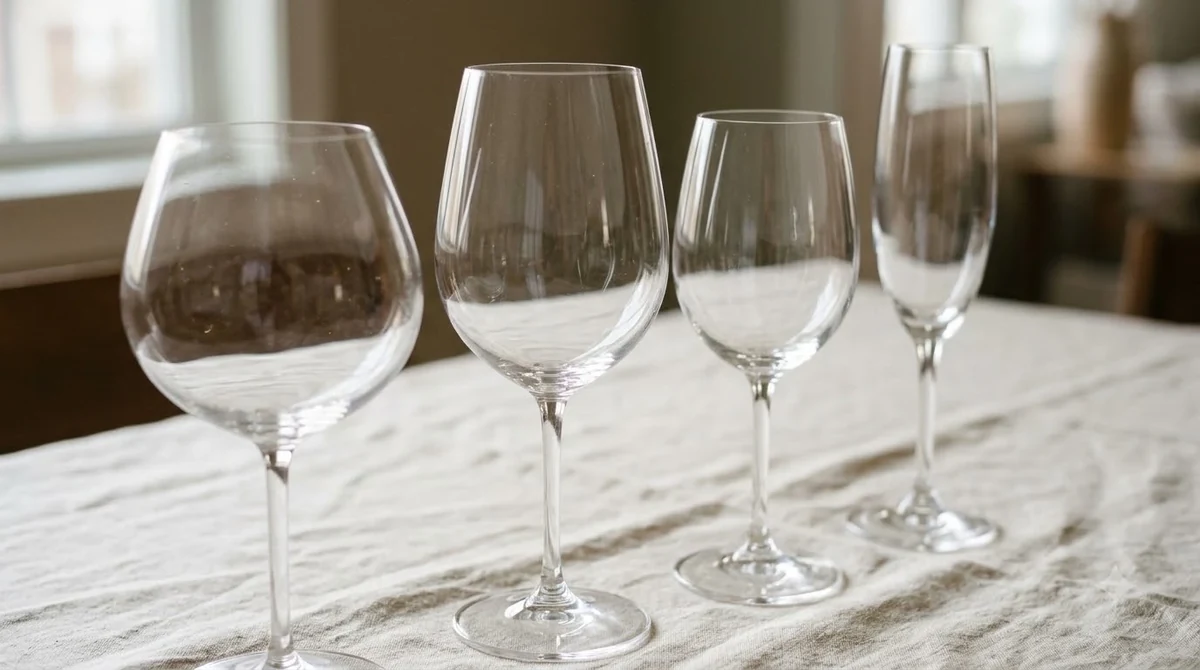
The Mikasa Aline set contains four lead-free crystal flutes. Each glass measures 2-3/4 inches in diameter and 10-1/4 inches in height, with a 10-ounce capacity. Its most recognizable feature is the curved silhouette, which flares outward toward a wider base instead of following the narrow, straight-sided shape associated with conventional champagne flutes. This creates a distinctive presentation without introducing colored glass or elaborate decoration. The manufacturer’s Mikasa Aline product specifications provide the exact dimensions and material details for this set.
Construction is another important consideration. Lead-free crystal provides a clear, refined appearance, making it appropriate for a formal table setting. Mikasa also identifies the Aline glasses as dishwasher safe, a practical feature for people who entertain regularly. Dishwasher compatibility does not mean that crystal should be handled carelessly, however. Proper spacing and a suitable glassware cycle help reduce the chance of contact damage.
| Specification | Mikasa Aline |
|---|---|
| Set size | 4 glasses |
| Material | Lead-free crystal |
| Capacity | 10 ounces per glass |
| Height | 10-1/4 inches |
| Diameter | 2-3/4 inches |
| Care | Dishwasher safe |
| Product number | 5287916 |
These specifications make Aline a relatively generous flute compared with smaller traditional designs. Its 10-ounce capacity leaves room for a standard sparkling wine serving while allowing some additional space above the liquid. A typical wine pour is 5 ounces, so the glass should not be filled to its rim. Leaving room at the top also helps limit spills when carrying a tray of drinks.
Other Mikasa collections offer different proportions. The Grace set, for example, contains four lead-free crystal flutes with an 8-ounce capacity. Its tulip-shaped bowl widens before flaring outward at the rim. That difference matters because glass shape influences both the presentation and the amount of room available for a sparkling wine pour.
For a closer look at the broader category, the champagne flutes buying guide explains the differences between traditional flute shapes and alternative sparkling wine glasses. Mikasa’s collection is worth considering within that wider selection rather than treating every flute as interchangeable.
What Owners Like About the Designs
Customer feedback on Mikasa champagne flutes frequently highlights appearance, presentation, and practical capacity. The designs appeal to people who want glassware that looks appropriate for special occasions but can also serve drinks at ordinary gatherings.
The Aline collection receives positive comments about its clean appearance and distinctive shape. Reviews published on Mikasa’s official product page describe the glasses as elegant and appreciate their generous volume. Customers also mention their presentation and packaging. These comments suggest that Aline works well for shoppers who prioritize an attractive table setting without choosing heavily decorated stemware.
The curved base is a notable visual feature. Traditional champagne flutes generally have a long, narrow bowl that creates a slender profile. Aline introduces a wider lower section, giving the glass a more sculptural appearance. The design can complement contemporary dinnerware, simple white plates, metallic flatware, and understated table linens.
Melody offers a different approach. Perigold describes its four-piece set as having a clear, simple appearance intended to complement existing dinnerware and flatware. Customer feedback mentions the glasses’ presentation, packaging, and suitability for celebrations. Several comments also refer to their usefulness for mimosas, showing that the collection is not limited to Champagne service.
Capacity is another recurring point of appreciation. The 9.5-ounce Melody glasses provide more room than the 8-ounce Grace design, while Aline’s 10-ounce capacity gives it the largest of these three stated capacities. These differences are useful when serving drinks that include fruit juice or other additions rather than sparkling wine alone.
Dishwasher-safe construction is also a practical advantage. People who host several guests may have multiple glasses to clean after an event. Having a manufacturer-approved dishwasher option can make maintenance easier than choosing delicate glassware that requires handwashing after every use.
Still, positive owner comments should be interpreted carefully. A few favorable experiences do not establish that every glass in every set will have identical finishing or long-term durability. Buyers should inspect their delivery before the return period ends, especially when ordering glassware for a wedding or another scheduled event.
Common Complaints and Potential Limitations
Mikasa champagne flutes offer attractive designs, but buyers should consider breakage, manufacturing consistency, and availability before committing to a particular pattern. These concerns are especially relevant when purchasing glassware as a coordinated set.
One practical concern with crystal stemware is its vulnerability to impact. The long stems and relatively narrow bowls of champagne flutes require more careful handling than short tumblers. A glass can break if it strikes another glass in a dishwasher rack, catches on a crowded shelf, or is knocked against a hard countertop.
Customer feedback also shows why inspecting a set upon delivery matters. A Kohl’s review of Mikasa’s Samantha collection praised the appearance and size but reported that two glasses in the purchased set had noticeable flaws. Another customer review of the Lana collection described an attractive appearance but reported receiving a broken glass. These are individual experiences, not evidence that every Mikasa set has a quality problem, but they illustrate why packaging and inspection matter.
The distinction between dishwasher safe and damage proof is important. A manufacturer-approved dishwasher option does not eliminate the risk of chips, cracks, or scratches. Strong water pressure, contact with other dishes, and excessive loading can still damage glassware. For crystal that is particularly delicate or valuable, handwashing may be the more cautious approach.
Availability can also be frustrating. Mikasa’s collection includes multiple patterns, but individual designs may have different stock status. A style that appears in a collection listing may not necessarily be available in the quantity needed. This is relevant when purchasing four glasses for a household or eight or more for a larger event.
Another limitation is that the collection does not use one standardized bowl capacity. Aline holds 10 ounces, Grace holds 8 ounces, and Melody holds 9.5 ounces. Buyers who want matching replacement glasses should identify the exact collection and product number rather than relying on a general description such as Mikasa crystal flute.
Finally, some shoppers may prefer a broader bowl for appreciating the aromas of vintage Champagne or other complex sparkling wines. A narrow flute emphasizes the visual movement of bubbles but offers less room for aromas to develop than a tulip-shaped glass or a suitable white wine glass. Mikasa’s more open designs provide alternatives, but traditional flute proportions may not suit every sparkling wine enthusiast.
Who Should Buy and Who Should Skip Mikasa Champagne Flutes
Mikasa is a sensible option for people who want attractive glassware for celebrations, gift giving, and occasional entertaining. It is less suitable for shoppers who need highly specialized tasting glassware or equipment designed for rough commercial handling.
Who Should Buy
Home entertainers: People who regularly host dinner parties, holiday gatherings, and weekend brunches can benefit from a coordinated set of four glasses. The Aline design provides a recognizable centerpiece for a table, while Melody offers a simpler appearance that can work with different tableware styles.
Wedding and anniversary gift shoppers: Crystal champagne flutes make a traditional celebration gift. Aline’s distinctive curves provide a decorative option for couples who appreciate contemporary designs. Grace may appeal to people who prefer a smaller tulip-shaped bowl. A set of four is also useful when the recipients plan to entertain guests rather than reserve their glasses for two-person celebrations.
Mimosa drinkers: The larger capacities of Aline and Melody offer room for sparkling wine and juice. An 8-ounce Grace glass can also work, but the available space is smaller. A 5-ounce sparkling wine pour can be adjusted to leave sufficient room for the additional ingredient.
People who prefer coordinated crystal: Mikasa’s lead-free crystal collections can suit households that want clear glassware with a consistent appearance. The different patterns allow shoppers to select a design that matches modern or traditional dining rooms.
Who Should Skip
Commercial operators needing heavy-duty glassware: Restaurants, busy event venues, and large hospitality operations may prefer specialized commercial stemware designed around frequent handling and replacement availability. Decorative household crystal is not automatically the most economical choice for high-volume service.
People who prefer wide-bowled sparkling wine glasses: Enthusiasts who prioritize aroma development may prefer tulip glasses or broader sparkling wine glasses. A traditional narrow flute emphasizes the appearance of rising bubbles rather than providing the most spacious tasting environment.
Buyers who dislike delicate stemware: If a household has limited storage space, crowded cabinets, or frequent handling accidents, stemless glassware or more substantial tumblers may be easier to manage. Even dishwasher-safe crystal requires reasonable care.
For shoppers still deciding between brands, the best champagne glass comparison provides a broader perspective on shapes and intended uses. Those looking for more general-purpose drinking glasses can also compare the wine glasses selection before choosing a specialized flute set.
How Mikasa Compares to Alternative Flute Designs
Mikasa’s own collections demonstrate that champagne flutes can differ substantially in size and appearance even within one brand. Aline, Grace, and Melody are useful examples because each has documented specifications and a distinct visual approach.
Aline is the most visually distinctive of the three. Its 10-ounce bowl and outward-flaring base make it a strong option for people who want a decorative flute with a generous capacity. The 10-1/4-inch height gives it a noticeable presence on a dining table. It is particularly appropriate for celebrations where the presentation of the glassware matters as much as the drink itself.
Grace takes a more traditional direction with its tulip shape. Its 8-ounce capacity is smaller than Aline’s, and the flared rim creates a more open drinking profile. This is an appealing choice for someone who prefers a less expansive serving glass or wants a graceful silhouette that looks appropriate with formal table settings. The official Mikasa Grace flute listing provides the manufacturer’s material and capacity details.
Melody sits between these two options in capacity at 9.5 ounces. Its 9-1/4-inch height and 2-3/4-inch diameter give it a comparatively straightforward profile. Perigold identifies the set as lead-free crystal, dishwasher safe, and sold in groups of four. Its clear, simple design is suitable for people who do not want decorative patterns to compete with their dinnerware.
| Collection | Capacity | Height | Main Design Feature |
|---|---|---|---|
| Aline | 10 oz. | 10-1/4 in. | Curved profile with wide base |
| Grace | 8 oz. | Not specified here | Tulip shape with flared rim |
| Melody | 9.5 oz. | 9-1/4 in. | Simple, clear appearance |
All three offer a different interpretation of celebration glassware. Aline is a strong choice for a more sculptural table setting, Grace suits people who appreciate a tulip-shaped glass, and Melody is appropriate for shoppers who want a clean design that blends into different dining arrangements.
These collections should not be treated as interchangeable replacements. Differences in capacity, height, and bowl shape affect how the glasses look and feel in use. If you already own Mikasa stemware, matching the existing pattern may be more important than choosing the largest available capacity.
There is also a practical distinction between a champagne flute and a general-purpose white wine glass. A flute has a narrower bowl that helps maintain a recognizable sparkling wine presentation. A broader wine glass provides more space for aromas, making it useful for different wine styles. Shoppers who need one versatile glass for several wine categories may want to compare Mikasa’s broader stemware selection through the glassware brands resource.
Cleaning, Storage, and Everyday Use
Proper care helps Mikasa champagne flutes maintain their appearance and reduces the chance of accidental damage. Even when a collection is listed as dishwasher safe, sensible handling remains important for crystal glassware.
Start by checking the exact collection’s care instructions. Mikasa identifies Aline and Grace as dishwasher safe, while Perigold lists the same care classification for Melody. These instructions make routine maintenance convenient, but they should not be interpreted as a guarantee against breakage during a wash cycle.
Dishwasher Cleaning
Place each flute in a stable position with enough separation to prevent contact with neighboring dishes. Avoid crowding the rack, particularly around the stem and bowl. If the dishwasher has a dedicated glassware cycle, use it when appropriate. A lower-temperature setting can be preferable for delicate glassware when the manufacturer’s instructions permit it.
Do not allow the glasses to lean against heavy plates or metal utensils. The long stems of champagne flutes can be especially vulnerable if the rack moves or another item shifts during washing. Once the cycle is complete, allow the glasses to cool before handling them.
Handwashing and Drying
Handwashing is another sensible option for people who prefer additional control. Use lukewarm water, mild dish soap, and a soft sponge. Avoid abrasive pads and harsh scrubbing around decorative details. Rinse thoroughly so that soap residue does not affect the appearance of the glass.
Dry each flute with a clean, lint-free cloth. Hold the bowl rather than twisting the stem while polishing. Applying pressure to the bowl and stem in opposite directions can create unnecessary stress around the narrow connection point.
Storage and Serving
Store the glasses upright in a cabinet where they cannot knock against other pieces. Leave a little room between individual flutes rather than squeezing them into a crowded shelf. If the set includes a storage box, keep the packaging available for seasonal storage or relocation.
For sparkling wine service, chilling the wine to approximately 40 to 50 degrees Fahrenheit is a useful starting point. Pour around 5 ounces per serving rather than filling the glass completely. This provides room for bubbles and reduces the chance of spills. A chilled glass should be dry before pouring, since excess water can dilute the drink.
Tip: Keep the original product number and collection name with your glassware records. Mikasa has several similar-looking flute sets, and identifying the exact pattern makes it easier to find matching replacements or confirm the correct care instructions.
For long-term storage, avoid stacking champagne flutes. Their stems and rims are not designed to support the weight of another glass. A dedicated glassware cabinet or padded storage compartment is a safer solution, especially for sets reserved for weddings, anniversaries, and holiday entertaining.
Frequently Asked Questions
Are Mikasa champagne flutes made in the United States?
Mikasa’s product listings identify materials and product specifications but do not establish a US manufacturing origin for every champagne flute collection. Manufacturing location can differ between products and production runs. Buyers who require domestic manufacturing should obtain confirmation for the exact item before purchasing.
Can Mikasa champagne flutes be engraved?
Engraving suitability depends on the glass construction, shape, and decoration. The standard Aline and Grace product descriptions do not advertise an engraving service. For personalized wedding or anniversary gifts, ask a professional glass engraver whether the particular crystal design can safely accommodate customization.
Can Mikasa champagne flutes be used for sparkling rosé?
Yes. Champagne flutes are suitable for sparkling rosé, Prosecco, Cava, and other sparkling wines. The clear glass also allows the wine’s color to remain visible, making it an attractive option for serving pink sparkling wines at brunches and celebrations.
Do Mikasa champagne flutes come with replacement glasses individually?
Replacement availability depends on the collection and current stock. Many Mikasa champagne flute listings are presented as coordinated sets rather than individual replacement pieces. Keep the original item number, such as Aline’s 5287916, when contacting customer service about matching glassware.
Are Mikasa champagne flutes suitable for nonalcoholic sparkling drinks?
Yes. Their intended use as beverage glasses makes them suitable for nonalcoholic sparkling wine, sparkling cider, and carbonated fruit drinks. Their clear construction also makes colorful drinks visually appealing for celebrations where guests prefer alcohol-free alternatives.
Mikasa champagne flutes offer a useful combination of decorative design, lead-free crystal options, and convenient care features. Aline is the standout choice for a distinctive silhouette and 10-ounce capacity, while Grace and Melody provide alternatives for shoppers who prefer different proportions. Compare the exact collection specifications before ordering, and choose a set that suits both your entertaining habits and your available storage space.
More in Wine Glasses
 Zwiesel Glas Champagne Flutes for Durable Everyday Sparkling WineUpdated Nov 20, 2026
 Vera Wang Crystal Wine Glasses: Design, Quality and Buying AdviceUpdated Nov 20, 2026
 West Elm White Wine Glasses: Compare Designs for Better Everyday Wine ServiceUpdated Nov 20, 2026
 Zalto Stemless Wine Glasses: Discover Their Distinctive DesignsUpdated Nov 20, 2026
 Viski Champagne Glasses That Match Your Style and Sparkling WineUpdated Nov 20, 2026
 Vista Alegre Decanter Review: Crystal Style and Wine ServiceUpdated Nov 20, 2026