

We may earn a commission when you buy through links on this page, at no extra cost to you. Learn more.
Mikasa wine glasses are attractive, versatile glassware for everyday dining and entertaining, with a broad selection of stemmed, stemless, crystal, and decorative designs. Their strongest advantages are style variety, coordinated collections, and options for different wine types. However, customer feedback also identifies occasional breakage, delicate rims, and inconsistent quality, so choosing the right collection and handling it carefully matter.
Mikasa offers considerably more variety than a single traditional wine-glass design. Its catalog includes classic red and white wine shapes, decorative etched glasses, colorful stemless options, and larger statement pieces. That selection makes the brand appealing to shoppers who want their glassware to complement their dinnerware or entertaining style. The important distinction is that different Mikasa collections serve different purposes: a colorful glass for casual gatherings has different priorities from a clear Bordeaux glass intended for regular red-wine service. This review examines the available styles, customer experiences, practical limitations, and details worth checking before choosing a set.
Specs and Key Features
Mikasa’s wine-glass range covers several materials, shapes, capacities, and decorative treatments, rather than following one uniform construction standard. The official collection includes both crystal and regular glass products, with stemmed and stemless formats available across multiple patterns.
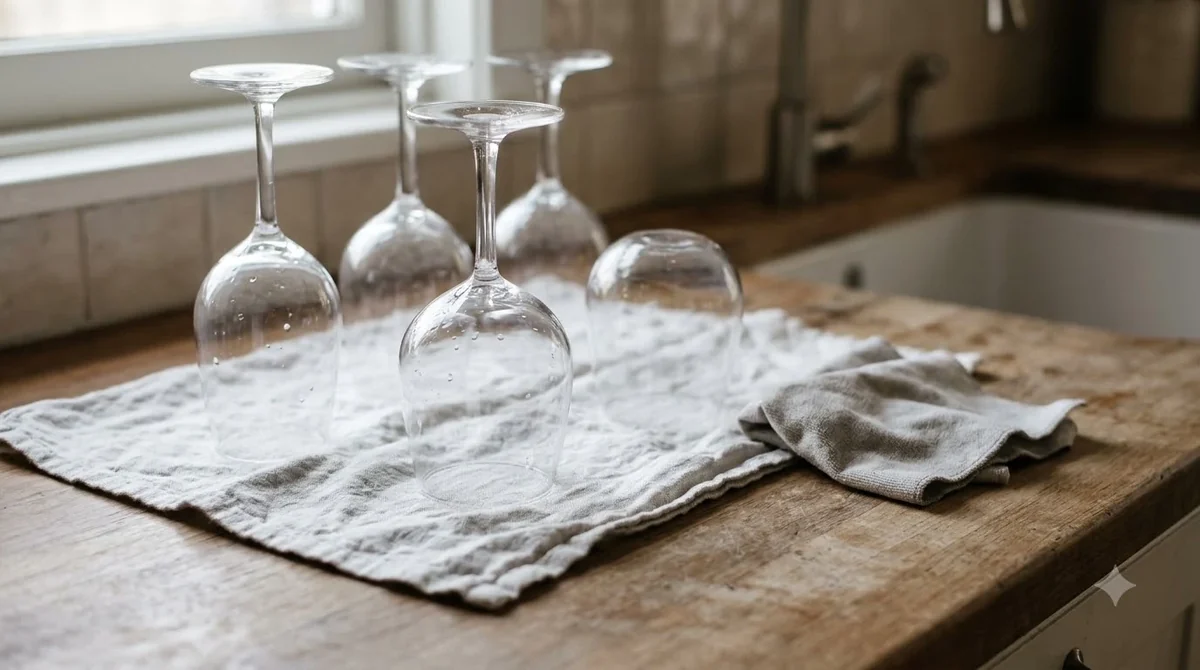
The selection includes dedicated red-wine and white-wine glasses, as well as versatile stemless designs and goblet-style drinkware. Some collections emphasize clear, traditional glass, while others use etching, colored finishes, or decorative details to create a more distinctive table setting. Consequently, shoppers should compare individual collections instead of assuming that every Mikasa glass has identical thickness, weight, durability, or cleaning requirements.
| Feature | Mikasa Range | What It Means |
|---|---|---|
| Available product types | Stemmed, stemless, and goblets | Different serving preferences |
| Material options | Crystal and glass | Different appearances and handling characteristics |
| Collection size | 56 listed products | Broad selection of designs |
| Wine-specific shapes | Red and white wine | More targeted serving options |
| Common set formats | 2, 4, and 6 pieces | Options for different household sizes |
| Chroma capacity | 13 ounces | Moderate stemless serving capacity |
| Chroma dimensions | 3.5-inch diameter x 4.125-inch height | Wide, compact profile |
| Chroma cleaning | Hand wash only | Requires manual cleaning |
One useful example is the Chroma stemless set. Mikasa specifies four glasses, each holding 13 ounces, with a colored ombre finish. The manufacturer’s listed dimensions are 3.5 inches across and 4.125 inches high. These specifications make the glasses relatively broad and compact compared with traditional stemware. Their colored finishes also give guests an easy visual way to distinguish individual glasses during a gathering.
The Cheers collection takes a different approach. Rather than relying primarily on color, it uses distinctive etched patterns. The collection includes stemless glasses alongside traditional red- and white-wine formats. That gives shoppers a way to coordinate different glass shapes while retaining recognizable decorative details across the table.
For a broader explanation of how bowl proportions, rim diameter, and stem construction affect wine service, see our guide to wine glasses. These details are particularly useful when deciding whether a decorative Mikasa design will also meet your wine-serving preferences.
Mikasa’s own Chroma stemless wine-glass specifications provide a useful example of how individual collections differ in capacity, dimensions, finish, and cleaning requirements.
What Owners Like About Mikasa Wine Glasses
Customer feedback most consistently highlights appearance, decorative variety, and versatility. Mikasa’s different patterns give shoppers alternatives to plain restaurant-style stemware, while several collections provide separate red- and white-wine formats for a coordinated dining setup.
The Cheers collection illustrates this design-focused appeal. Macy’s customer feedback describes the etched patterns as attractive and useful for distinguishing glasses at gatherings. Different patterns make it easier for guests to recognize their own glasses without requiring disposable labels or separate colored accessories. This is a practical detail for dinner parties where several people are using similar-looking glassware.
Decorative variety for different tables
Mikasa’s designs cover several aesthetic preferences. Grace offers a more traditional appearance, while Chroma uses colored ombre finishes. Cheers features etched decoration, and collections such as Optic and Aline offer additional choices for shoppers who prefer a more restrained presentation.
This variety is useful when glassware needs to complement existing dinnerware. A household with neutral plates and simple table linens might prefer clear stemware, while a colorful dining setup could benefit from a more decorative option. The available patterns also make Mikasa an appealing choice for people assembling coordinated drinkware rather than purchasing unrelated individual glasses.
Useful options for different occasions
Another advantage is the ability to select glassware around a particular occasion. Traditional stemmed glasses suit formal dinners, while stemless pieces can feel more relaxed during casual meals and outdoor entertaining. Decorative sets can also provide a more distinctive presentation for celebrations and seasonal gatherings.
The dedicated red- and white-wine options are particularly useful for households that regularly serve both styles. A larger red-wine bowl gives wine more room to move when swirling, while a smaller white-wine shape can help maintain a more controlled serving experience. These differences matter more than decorative details if the main purpose is enjoying wine rather than simply displaying attractive glassware.
Owners also appreciate having recognizable designs within a set. The individual Cheers patterns, for example, can reduce confusion at a crowded table. This advantage is modest but practical, especially when hosting several guests who might otherwise pick up identical glasses.
Common Complaints and Quality Concerns
The main concern in customer feedback is durability rather than appearance. Some owners describe Mikasa glasses as attractive and enjoyable to use but report cracked bowls, broken rims, or damaged pieces after relatively limited use.
Macy’s customer-review summaries for the Cheers stemless glasses identify occasional cracking and breakage, including complaints associated with dishwasher cleaning. Individual owners also mention thin glass near the rim. These reports do not establish that every Cheers glass has a durability problem, but they indicate that shoppers should not automatically treat decorative stemless designs as heavy-duty everyday glassware.
Thin rims and fragile construction
A delicate rim can create a pleasant drinking experience, but it also requires more careful handling. Thin glass can be vulnerable to impacts against sinks, cutlery, neighboring glasses, and hard countertops. Even a relatively small collision during loading or unloading can damage a fragile edge.
Stemmed glasses introduce another potential weak point. The connection between the bowl, stem, and foot requires careful handling, particularly when glasses are stored close together. A narrow stem can be damaged by twisting or pressure, while a glass placed at an angle in a crowded cabinet may be more vulnerable to accidental impact.
Some shoppers may prefer a heavier glass because it feels more substantial in the hand. However, greater weight does not automatically indicate better construction. A well-proportioned glass should feel comfortable, remain stable when placed on a table, and have a rim that suits the user’s preferences.
Inconsistent product experiences
Feedback about Mikasa’s Chroma set illustrates another concern. While some customers appreciate its colors and appearance, other reviews mention that the glasses feel thinner and lighter than expected. One reviewer also reports bubbles and dark inclusions in individual pieces.
These comments are individual experiences rather than proof of a widespread manufacturing problem. Still, they highlight why inspecting a new set before putting it into regular rotation is sensible. Look at the rim, bowl, base, and decorative finish under ordinary lighting. All four glasses in a set should have a consistent appearance, with no cracks, sharp edges, or obvious damage.
Another practical issue is cleaning compatibility. The Chroma manufacturer instructions explicitly specify hand washing. A shopper who expects every glass in a collection to be dishwasher safe could end up disappointed. Cleaning instructions must be considered at the individual product level rather than applied to the entire brand.
Tip: Inspect all glasses immediately after delivery. Check the rim and base for cracks, look for visible irregularities, and retain the original packaging until you have confirmed that every piece is in good condition. Follow the individual collection’s washing instructions rather than assuming that all Mikasa glassware can go into a dishwasher.
Who Should Buy Mikasa Wine Glasses and Who Should Skip Them
Mikasa is a reasonable choice for shoppers who place considerable value on decorative design, coordinated collections, and having several glassware styles available. Its range makes it easier to find traditional stemware, distinctive entertaining pieces, or colorful glasses for casual use.
People who host dinners regularly may particularly appreciate the choice between dedicated red- and white-wine glasses. For example, a four-person dinner can use matching sets of four, while a larger household might purchase additional pieces from the same collection. The variety of patterns also gives hosts room to coordinate wine glasses with other table accessories.
Best for style-conscious households
Shoppers who want more personality than plain clear stemware provides should explore Cheers, Chroma, and other decorative collections. Cheers is particularly interesting for entertaining because the etched patterns help distinguish individual glasses. Chroma offers four different tinted finishes in its documented stemless set, making it suitable for relaxed gatherings where visual identification is useful.
Traditional wine drinkers should look at the separate red- and white-wine formats. Grace, Aline, Cora, Melody, Optic, and Samantha are among the collections with dedicated wine-glass options. These designs offer a more conventional way to serve different wines than relying on one general-purpose drinking glass.
Who should consider other options
Shoppers who prioritize maximum durability above appearance should compare Mikasa with alternatives specifically designed for frequent commercial or high-volume use. Restaurant environments put glasses through repeated washing, handling, and storage cycles. Decorative glassware is not necessarily the best match for that workload.
People who strongly prefer machine washing should also pay attention to the individual product specifications. The Chroma set, for example, requires hand washing. If a dishwasher is essential to your routine, choose a collection whose manufacturer explicitly confirms that cleaning method.
Likewise, buyers who want extremely lightweight, thin-rimmed specialist stemware may want to compare the actual shape and construction with dedicated wine-glass brands. Mikasa’s appeal is its combination of tableware design and variety, not a guarantee that every collection will suit specialist wine-service preferences.
How Mikasa Compares to Alternative Wine Glasses
Mikasa’s main competitive strength is the variety of designs available within a single broader tableware range. Other glassware choices may place greater emphasis on wine-specific engineering, minimalist construction, or everyday practicality. The best alternative depends on whether appearance, bowl shape, durability, or ease of cleaning is the highest priority.
Mikasa versus conventional red-wine glasses
A dedicated red-wine glass generally has a larger bowl than a standard white-wine glass. This additional space helps wine move around during swirling and provides room for aromas to collect. Mikasa’s dedicated red-wine formats, including Bordeaux designs in the Grace collection, offer a more wine-specific option than its general-purpose stemless glasses.
For Cabernet Sauvignon, a generous Bordeaux-style bowl is a useful choice. Cabernet Sauvignon typically has high tannin, so the wine’s structure can benefit from an appropriately sized glass that allows the drinker to assess its aromas and flavor. Pinot Noir, by contrast, generally has lower to medium tannin and higher acidity, making a more rounded bowl an appealing option.
Shoppers comparing traditional shapes should also consult our selection of red wine glasses. It provides useful context for evaluating bowl proportions and the differences between red-wine glass designs.
Mikasa versus stemless alternatives
Stemless glasses have a lower center of gravity and are often easier to store than traditional stemware. They can also feel less formal, making them suitable for casual dining and informal gatherings. Mikasa offers several stemless patterns, including Cheers and Chroma.
The trade-off is that a stemless bowl is held directly in the hand. This transfers warmth more readily to chilled wine and can leave fingerprints on clear glass. Traditional stems allow the drinker to hold the glass without placing a hand around the bowl.
For shoppers who prefer the compact format, our guide to stemless wine glasses offers additional comparison points, including shape, stability, and everyday handling.
Mikasa versus specialist crystal glassware
Crystal and standard glass should not be treated as interchangeable descriptions. Crystal glassware can offer a different combination of clarity, brilliance, weight, and rim characteristics depending on its composition and manufacturing method. However, the word crystal alone does not guarantee that a glass is lighter, stronger, or more suitable for a particular wine.
Mikasa’s catalog includes both crystal and standard glass options. This is useful for shoppers who want to compare different materials without limiting themselves to one style. Nevertheless, a dedicated specialist wine-glass manufacturer may offer more narrowly focused designs for particular grapes or wine styles.
For an overview of other manufacturers and their approaches to wine service, see our Glassware Brands resource. Comparing material, rim construction, bowl size, and care instructions is more useful than relying on a brand name alone.
Frequently Asked Questions
Are Mikasa wine glasses made in the USA?
The country of manufacture can vary by individual product and production run. The general Mikasa wine-glass collection does not establish one manufacturing country for every design. Look for the specific country-of-origin information on the product packaging or retailer listing before purchasing if domestic manufacturing is an important requirement.
Can Mikasa wine glasses be used for cocktails and other drinks?
Yes, many standard wine-glass shapes can serve other beverages, including spritzes, sangria, and nonalcoholic fruit drinks. A 13-ounce Chroma stemless glass, for example, has enough listed capacity for a moderate mixed-drink serving. Avoid filling any glass beyond a comfortable level, particularly when adding ice or garnishes.
Can individual Mikasa wine glasses be replaced?
Replacement availability depends on the collection and whether the original design remains in production. Some retailers may offer complete sets rather than individual replacement pieces. Before buying a discontinued or seasonal design, consider purchasing an additional set if maintaining a consistent collection is important.
Do Mikasa wine glasses affect the taste of wine?
A glass does not change a wine’s chemical composition, but its shape influences how aromas reach the nose and how the wine is directed toward the palate. A narrower white-wine bowl and a larger red-wine bowl can produce different sensory experiences. Glass cleanliness also matters because detergent residue, dust, and lingering odors can interfere with aroma perception.
Are Mikasa wine glasses suitable as wedding gifts?
They can make appealing wedding gifts, particularly when the recipients appreciate coordinated tableware and decorative entertaining pieces. A four-piece set is a practical starting point for a couple, while matching red- and white-wine designs can create a more complete presentation. Traditional clear glass is generally easier to coordinate with existing dinnerware than strongly colored or seasonal designs.
Mikasa offers an appealing selection of wine glasses for shoppers who value decorative details, coordinated table settings, and a choice of traditional and stemless formats. Its strongest collections provide attractive designs and useful options for different occasions, although customer feedback suggests that careful handling and attention to cleaning instructions are important. Compare the individual material, dimensions, and care requirements before choosing a set, and prioritize the shape that best matches the wines and occasions you enjoy most.
More in Wine Glasses
 Zwiesel Glas Champagne Flutes for Durable Everyday Sparkling WineUpdated Nov 20, 2026
 Vera Wang Crystal Wine Glasses: Design, Quality and Buying AdviceUpdated Nov 20, 2026
 West Elm White Wine Glasses: Compare Designs for Better Everyday Wine ServiceUpdated Nov 20, 2026
 Zalto Stemless Wine Glasses: Discover Their Distinctive DesignsUpdated Nov 20, 2026
 Viski Champagne Glasses That Match Your Style and Sparkling WineUpdated Nov 20, 2026
 Vista Alegre Decanter Review: Crystal Style and Wine ServiceUpdated Nov 20, 2026