

We may earn a commission when you buy through links on this page, at no extra cost to you. Learn more.
Cupcake red wine is an approachable, fruit-forward red blend from the Cupcake brand, made for easy drinking rather than cellaring. It is usually soft in tannin and round on the palate, so it suits people who are new to red wine or who want a relaxed glass with a casual meal. This guide explains what to expect from the style, how to serve it, and what to pair it with.
Cupcake is a widely available American wine brand, and its red blend is often the first red many shoppers pick up in a supermarket aisle. The name “Cupcake red wine” usually refers to the brand’s red blend line rather than a single grape, so the best way to understand it is as a style: ripe fruit, soft texture, and a friendly sweetness on the finish. Below, the guide covers the brand’s place in the market, the flavor profile, serving tips, and food matches.
What Cupcake Red Wine Is
A red blend combines more than one red grape variety, and the mix is chosen to balance color, fruit, and structure. Cupcake’s red wines follow that approach. Wines marketed this way are typically built for easy drinking, with the emphasis on approachable fruit rather than the firm tannins found in some traditional reds. Treat any brand description as the producer’s own framing, and judge the glass in front of you.
Because blends are built by the winemaker each vintage, the exact mix can change over time. Shoppers who want a consistent experience usually stick with one bottling and check the label for the vintage year.
Flavor and Style
Most people describe Cupcake red as a juicy, fruit-led red with soft tannins. Fruit notes typically lean toward red and dark berries, and the texture is smooth enough that the wine does not demand food to be enjoyable on its own.
Red wines made from Zinfandel offer a useful reference point for this kind of fruit-forward style. Wine Folly’s Zinfandel guide notes flavors of blackberry, strawberry, and peach preserves, with cinnamon and sweet tobacco showing up in some bottles. Cooler growing areas tend to produce brighter red berry aromas, while warmer sites give deeper, jammier fruit. A blend built around ripe fruit often shares that friendly, generous character even when the grapes differ.
| Trait | What to expect |
|---|---|
| Body | Light to medium, smoother than heavy reds |
| Tannin | Soft, low to moderate grip |
| Fruit | Red and dark berry, ripe and approachable |
| Finish | Round, with a friendly sweetness some drinkers notice |
How to Serve Cupcake Red Wine
Serving temperature has a big effect on how soft or sharp a red tastes. A slightly cool red shows brighter fruit and less alcohol warmth, while a red served too warm can taste flat and heavy. For fruit-forward blends like this one, a short chill in the fridge before pouring is usually enough.

Wine Folly’s Zinfandel guide suggests serving full-bodied reds at 60 to 68 degrees Fahrenheit in a universal glass, which is a useful range for many red blends. Lighter, fruit-driven styles can sit at the cooler end of that range. Decanting is rarely necessary for a wine meant to be drunk young, though pouring into a larger glass helps the aromas open.
Tip: Chill the bottle for 15 to 20 minutes before serving if the room is warm. It is a quick way to bring out the fruit without making the wine taste thin.
Food Pairing Ideas
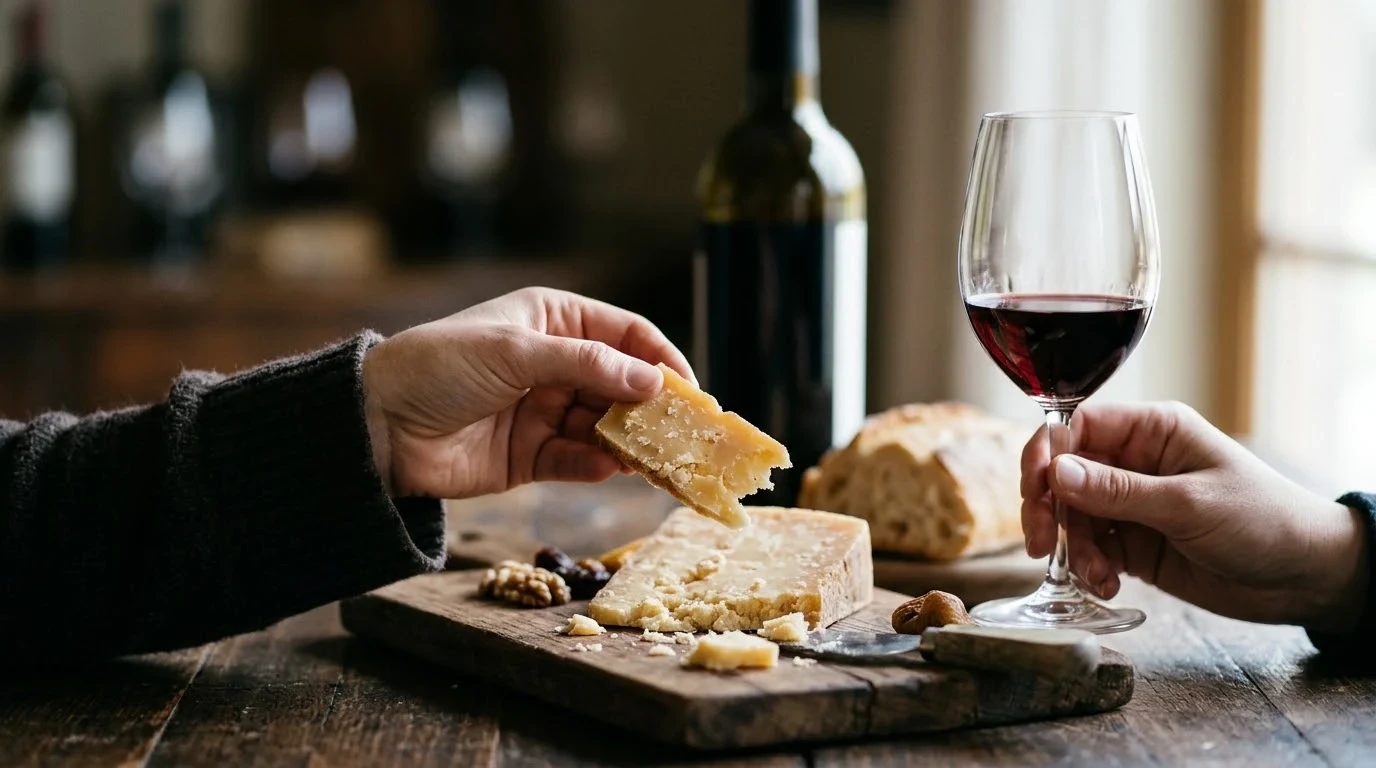
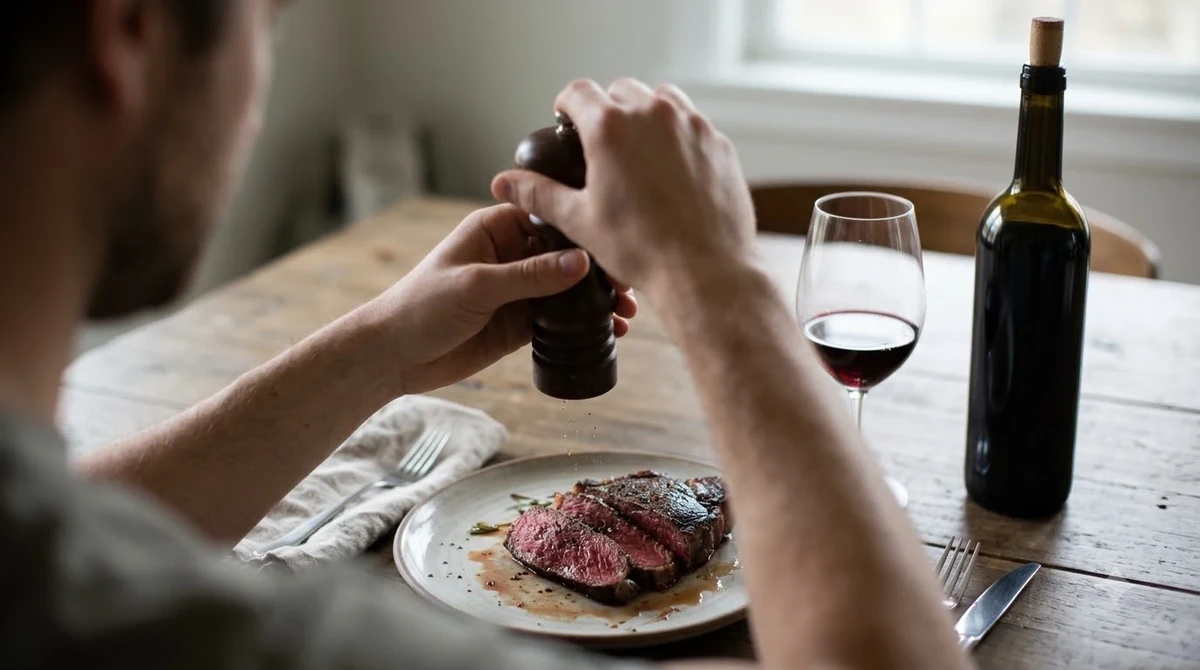
The soft tannins and ripe fruit make this style easy to match with everyday food. Grilled and barbecued dishes work well because the smoky char complements the wine’s fruit. Sharp cheddar and smoked gouda are also good choices, since the cheese’s salt and fat balance the wine’s sweetness.
Wine Folly’s Zinfandel guide lists several pairings that fit this style, including BBQ ribs, grilled chicken, pulled pork, and burgers, along with sharp cheddar, smoked gouda, and roasted vegetables such as caramelized onion, tomatoes, and mushrooms. Pizza with tomato sauce and cured meats is another easy match for a casual red.
How Cupcake Red Compares With Other Reds
Compared with a structured Cabernet Sauvignon, a fruit-forward red blend like Cupcake’s tends to feel softer and more immediately pleasant. A Pinot Noir may be lighter in body but often shows more earthy notes. Shoppers who enjoy a smooth red with clear fruit usually find this style a comfortable starting point before exploring more complex bottles.
Brand-driven shoppers can also explore the wider Cupcake range. The brand’s white wines are a separate style, and cupcake white wine covers that side of the lineup. For a broader look at how brands position their wines, the Wine Brands section groups related guides together.
Reading the Label and Choosing a Bottle
A red blend label usually shows the brand, the vintage, and the region or appellation, but the grape list is not always spelled out in full. When a label names only a region, the wine is generally a blend sourced from that area. When it names varieties, the percentages can still vary from year to year, so the best check is simply to taste a bottle and see whether the profile suits you.
Vintage matters less for an easy-drinking red than for a structured wine meant to age. Choosing the most recent release generally gives the freshest fruit. Storing bottles in a cool, dark place and keeping them upright if they have a cork helps preserve the wine until you open it.
When comparing reds on a shelf, look at the words on the back label and the producer’s tasting notes. Terms such as “smooth,” “juicy,” or “fruit-forward” point toward a softer style, while “structured,” “firm,” or “aged” point toward a wine that needs more time or richer food.
Common Mistakes to Avoid
The most common mistake is serving the wine too warm, which can make a fruit-forward red taste flat and alcoholic. A second mistake is pairing it with very delicate dishes, such as light fish or simple salads, where the wine’s fruit overwhelms the food. Matching it with grilled meat, cured meats, or sharp cheese avoids both problems.
Another frequent error is judging the whole brand from one bottle. Blends change by vintage, and a single bottle is a snapshot. If the first bottle is not to your taste, try a different vintage or a different style from the same producer before drawing conclusions.
Who Should Drink It
Cupcake red suits people who want an easy, fruit-driven red for weeknight dinners, casual gatherings, or a first step into red wine. It is less suited to those who look for firm tannin, aging potential, or a dry, savory profile. Readers who prefer a bolder, drier red may want to compare other bottles from the same shelf.
Shoppers who like to compare brands sometimes look at neighboring labels such as A to Z Wineworks or André Spumante to see how different producers handle sweetness and fruit. Each brand takes a different approach, so tasting a few side by side is the most reliable way to learn your own preferences.
Frequently Asked Questions
Is Cupcake red wine sweet?
Cupcake red is generally described as fruit-forward and smooth, with a friendly sweetness on the finish rather than a dry, savory profile. Drinkers who prefer completely dry reds may find it sweeter than they expect.
What grapes are in Cupcake red wine?
Cupcake red is a blend, so the grape mix can vary by bottling. Check the label and the producer’s current product information for the exact varieties in a given vintage.
Should Cupcake red wine be chilled?
A short chill often helps. Serving the wine slightly cool brings out the fruit and softens any warmth from the alcohol, while a very warm glass can taste heavy.
What food goes best with Cupcake red?
Barbecue, grilled chicken, burgers, pizza, and sharp cheddar are reliable matches. The wine’s soft tannins and ripe fruit work well with smoky and salty foods.
Cupcake red wine is a practical choice for anyone who wants an easy red that goes with everyday meals. Serve it slightly cool, pair it with grilled or smoky food, and compare it with other brands if you want to find a sweeter or drier direction. Drink responsibly.
More in Wine Brands
 Underwood Wine Price: Compare Bottles, Cans, and Pack SizesUpdated Nov 21, 2026
 Zenato Wine Price: Compare Styles and Choose the Right BottleUpdated Nov 21, 2026
 Zuccardi Wine Price: Compare Bottles and Find the Right RangeUpdated Nov 21, 2026
 Yellow Tail Moscato Review: Taste, Sweetness and Serving TipsUpdated Nov 21, 2026
 Wolf Blass Yellow Label Review: Choose Your Best StyleUpdated Nov 21, 2026
 Wolffer Estate Rose Review: Choose the Right Bottle for Your TableUpdated Nov 21, 2026