


We may earn a commission when you buy through links on this page, at no extra cost to you. Learn more.
Cupcake white wine is an easy-drinking white from the Cupcake lineup, built around soft fruit and a smooth finish rather than sharp acidity. It fits people who want a simple, pleasant glass for a casual evening, a backyard gathering, or a first step into white wine. Serve it cool, keep food light to medium in weight, and expect a friendly, approachable profile. This guide covers the style, serving tips, and pairings.
Many shoppers meet the Cupcake brand in a supermarket wine aisle, and the white bottles are often chosen by people who want something lighter than a red. The phrase “Cupcake white wine” generally refers to the brand’s white line as a style, not a single grape. Understanding that style helps you decide when it works, how to serve it, and what to eat with it.
What Cupcake White Wine Is
White wines in this price-friendly, easy-drinking category are usually made to be fresh and approachable. Winemakers often balance fruit with a modest amount of acidity so the wine feels round on the palate. The producer’s own descriptions of the line emphasize that approachable character, and it is a fair way to read the wine too.
Because the brand releases wines each vintage, the exact blend or grape emphasis can shift. The label and current product information are the best sources for the specific variety on a given bottle.

Flavor and Style
Expect soft tropical and orchard fruit, a light body, and a smooth finish. The best-known white varieties in this kind of style show a range of flavors, from crisp green apple and citrus to ripe peach and pear, depending on the grape and how the wine was made.
Wine Folly’s Pinot Grigio guide describes a set of flavors that match this approachable profile, including white peach, lemon zest, and cantaloupe, with ripe pear and apple on the nose. The same guide lists a medium-light body and medium-high acidity for most bottlings, which is why the wine tends to feel fresh and lively rather than heavy. For a richer white, the Chardonnay profile from Wine Folly is a useful contrast, since oaked versions show butter, vanilla, and tropical fruit.
| Trait | What to expect |
|---|---|
| Body | Light to medium, easy to drink |
| Acidity | Moderate, enough to keep the wine fresh |
| Fruit | Soft tropical, citrus, or orchard notes |
| Oak | Usually minimal, with a clean finish |
How to Serve Cupcake White Wine
Serving temperature changes how fresh a white tastes. Too warm, and the wine can feel flabby and alcoholic. Too cold, and the fruit disappears. Wine Folly’s Pinot Grigio guide gives 45 to 55 degrees Fahrenheit (7 to 12 degrees Celsius) as the usual range for light whites, with fuller styles served a little warmer.
Pour into a standard white wine glass and skip decanting. Most bottles in this style are meant to be enjoyed young, so there is no need to let them breathe. A short stay in the refrigerator before serving is usually enough.
The easiest way to keep white wine at the right temperature is to chill it for a few hours before serving and then return the bottle to an ice bucket if the room is warm.
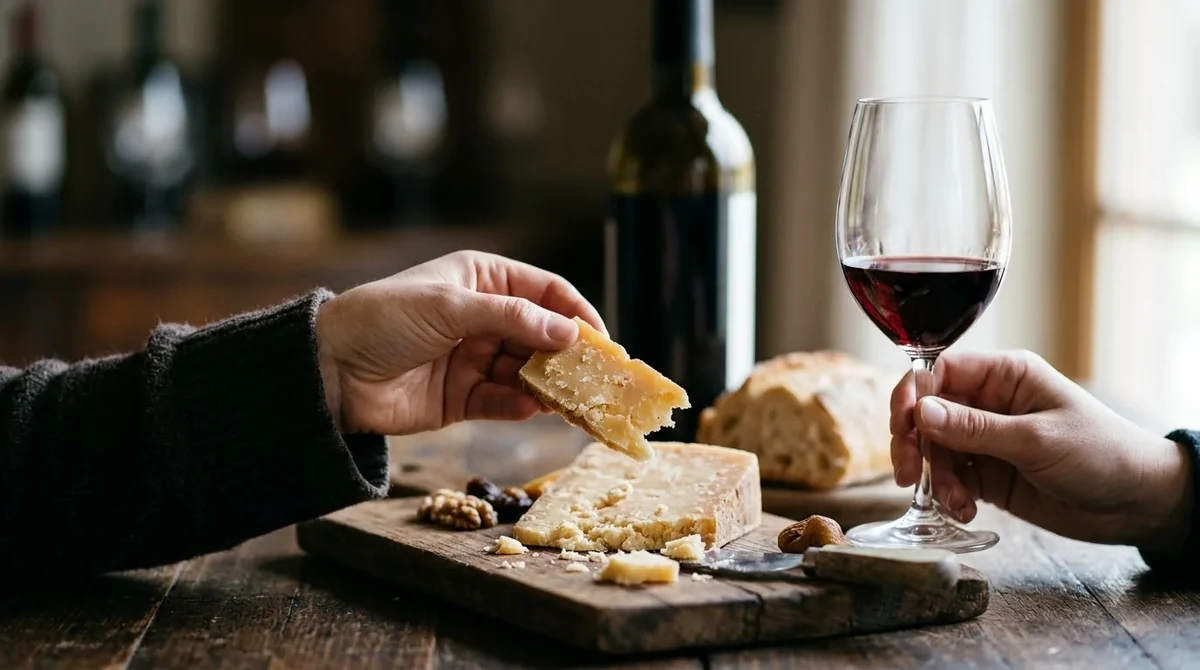
Tip: If the bottle warms up during a long dinner, place it back in the fridge for 20 minutes. It will taste crisper for the rest of the meal.
Food Pairing Ideas
Lighter, zesty whites pair well with seafood, salads, and mild cheeses. The same source notes that oily fish works across both lighter and richer whites, which makes grilled fish or a simple seafood pasta a reliable choice. Fresh salads with citrus dressing also suit the wine’s acidity.
Wine Folly’s Pinot Grigio guide suggests rosé and light pasta or charcuterie for similar casual occasions, and it recommends full-bodied or richer whites for roast chicken or pork. Salty snacks such as popcorn or crackers are an easy fit when the wine is served as an aperitif.
Cupcake White Compared With Other Whites
A lean, crisp white is often sharper and more mineral than a fruit-forward style, while a richer Chardonnay can feel creamy and oaked. The Cupcake-style white sits between those two poles: softer and more fruit-led than a bone-dry white, but lighter and fresher than a heavily oaked wine. That middle ground is why it appeals to people who are still learning their preferences.
Readers who enjoy the brand’s red side can compare it with cupcake red wine, which covers the other half of the line. For a broader look at how wine brands are positioned and what their names suggest, the Wine Brands section gathers related guides in one place.
Reading the Label
White wine labels can be brief. The brand name, vintage, and region are usually visible, but the grape or blend may need a closer look at the back label or the producer’s website. Terms such as “crisp” or “fresh” point toward a lighter style, while “oaked,” “creamy,” or “full-bodied” point toward a richer wine.
Because the wine is meant to be drunk young, choose the most recent vintage on the shelf when you can. Store bottles in a cool, dark place until you are ready to serve them, and keep leftover wine sealed in the fridge for a day or two if you do not finish the bottle.
Common Mistakes
The most frequent error is serving the wine warm, which can make it taste dull. The second is pairing it with very heavy, rich sauces that overwhelm the wine’s fruit. Choose lighter dishes and let the wine be the refreshing element of the meal.
Judging the whole line from a single bottle is another common mistake. Vintages differ, and a different bottling may suit your taste better. If the first bottle is not quite right, try another before deciding.
Who Should Choose It
This style suits people who want a straightforward white for weeknight dinners, picnics, or relaxed gatherings where not everyone wants the same thing. Guests who are new to wine often find an approachable, fruit-led white easier to enjoy than a sharp, very dry one, and it is simple to share without a long explanation.
It is less suited to drinkers who look for intense minerality, long aging potential, or a complex oaked profile. Those readers may want to explore crisper, drier whites from other producers, or a richer Chardonnay, before deciding where Cupcake fits in their rotation.
Cooks who want a white for the kitchen can also use an easy-drinking white in simple sauces for fish or chicken. Keep the heat moderate so the wine’s fruit stays bright, and add it near the end of cooking rather than boiling it for a long time.
Frequently Asked Questions
Is Cupcake white wine sweet?
Many easy-drinking white wines in this style have a noticeable fruit sweetness and a soft finish. Drinkers who prefer bone-dry whites may find it smoother and fruitier than they expect, so check the producer’s description for the specific bottle.
Should Cupcake white wine be chilled?
Yes. Serving it cool, roughly in the 45 to 55 degrees Fahrenheit range recommended for light whites, keeps the fruit fresh and the texture crisp.
What food goes well with Cupcake white?
Seafood, salads, mild cheeses, and light pasta are easy matches. The wine also works as an aperitif with salty snacks.
How is it different from Cupcake red wine?
White wine has no skin contact with the grapes during fermentation, so it is lighter in color and tannin. The red line is fuller and softer in tannin, while the white line tends to feel fresher and lighter on the palate.
Cupcake white wine is a practical choice for casual evenings and easy meals. Serve it cool, pair it with fresh or lightly cooked food, and compare it with other whites if you want a crisper or richer style. Drink responsibly.
More in Wine Brands
 Underwood Wine Price: Compare Bottles, Cans, and Pack SizesUpdated Nov 21, 2026
 Zenato Wine Price: Compare Styles and Choose the Right BottleUpdated Nov 21, 2026
 Zuccardi Wine Price: Compare Bottles and Find the Right RangeUpdated Nov 21, 2026
 Yellow Tail Moscato Review: Taste, Sweetness and Serving TipsUpdated Nov 21, 2026
 Wolf Blass Yellow Label Review: Choose Your Best StyleUpdated Nov 21, 2026
 Wolffer Estate Rose Review: Choose the Right Bottle for Your TableUpdated Nov 21, 2026