

We may earn a commission when you buy through links on this page, at no extra cost to you. Learn more.
Riedel crystal wine glasses are a strong choice for wine drinkers who want thoughtfully shaped, lead-free crystal glassware designed to complement different grape varieties. The brand offers handmade, hand-finished, and premium machine-made collections, with options ranging from versatile everyday glasses to specialized shapes for Cabernet Sauvignon, Pinot Noir, Chardonnay, and Riesling. Their main advantages are varietal-focused design, refined presentation, and a broad selection, while their higher-end thin-stemmed models require more careful handling than ordinary everyday glassware.
Choosing wine glasses can make a bigger difference to the drinking experience than many people expect. Bowl dimensions, rim shape, opening width, and glass thickness influence how wine releases its aromas and reaches the palate. RIEDEL has built its reputation around these differences, offering collections intended to match particular wine styles rather than treating every red and white wine as interchangeable. However, not every drinker needs a separate glass for every grape. Understanding the differences between the collections, manufacturing methods, and bowl shapes makes it easier to choose glassware that suits both your wine preferences and your household routine.
Specs and Key Features
RIEDEL’s strongest selling point is its combination of crystal glass construction and wine-specific design. The range includes handmade pieces, conventional machine-made glasses, and premium machine-made collections, giving buyers several ways to balance craftsmanship, consistency, and everyday practicality.

The manufacturer’s material information is particularly useful for shoppers comparing crystal glassware. RIEDEL states that it has exclusively produced Crystal Glass without lead oxide as a principal ingredient since 2015. This makes its current crystal glassware an option for consumers specifically looking for lead-free crystal rather than traditional lead crystal.
Construction differs substantially between collections. Handmade and hand-finished glasses receive individual attention from glassmakers, while machine-made products emphasize repeatable dimensions and consistency. RIEDEL identifies Veloce and Superleggero as premium machine-made collections, demonstrating that machine production does not necessarily mean conventional, thick, or visually basic glassware.
| Feature | RIEDEL specification or approach | What it means for buyers |
|---|---|---|
| Material | Crystal Glass without lead oxide as a principal ingredient | Suitable for shoppers seeking lead-free crystal |
| Material policy | Exclusive Crystal Glass production since 2015 | A useful distinction when comparing older and newer glassware |
| Manufacturing | Handmade, hand-finished, and machine-made | Different levels of craftsmanship and consistency |
| Premium machine-made collections | Veloce and Superleggero | Advanced production with refined glass profiles |
| Veloce production location | Weiden, Germany | Manufacturer-identified production facility |
| Dishwasher testing | EN 12875-1:2005 and EN 12875-2:2001 | Most models are designed for dishwasher cleaning |
| Cleaning temperature for polishing cloths | 140°F / 60°C | Manufacturer guidance for microfiber cloth maintenance |
| Dishwasher loading | Separate glasses with no contact | Reduces the risk of scratches and breakage |
One important distinction is that these specifications do not apply identically to every individual glass. Handmade pieces can have small differences in size, weight, bubbles, or surface texture because of the production process. These variations are characteristic of handcrafted glassware rather than automatically indicating a manufacturing defect.
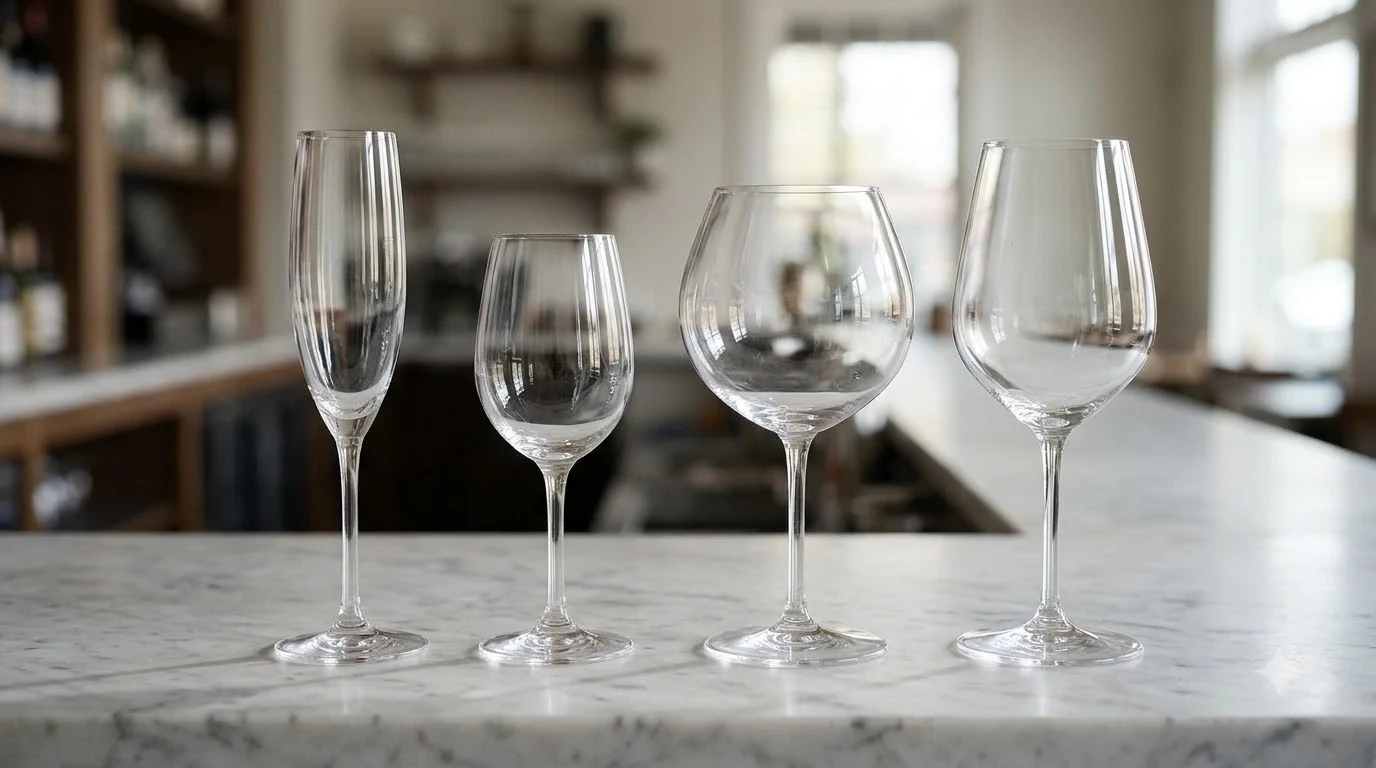
RIEDEL also develops different bowls for different grape varieties. A large bowl for Cabernet Sauvignon has a different purpose from a narrower Riesling glass. The distinction is not simply decorative: bowl proportions influence the wine’s aromatic presentation, the amount of air above the liquid, and the way a sip enters the mouth.
For buyers comparing crystal wine glasses, RIEDEL stands out for the breadth of its grape-specific designs. Its product range is particularly appealing to people who regularly drink several wine styles and appreciate having glassware selected for each one.
What Owners and Wine Drinkers Like
The most compelling advantage of RIEDEL glassware is its focus on wine-specific shapes. Its glasses are not simply attractive serving vessels; their proportions are developed around the characteristics of different wines, with the goal of presenting aromas, fruit, acidity, and tannins in a balanced way.
This design philosophy has received independent attention. In a comparison published by CNA Luxury, four Veloce shapes were examined: Riesling, Chardonnay, Pinot Noir/Nebbiolo, and Cabernet Sauvignon/Merlot. The same wines were poured into different glasses, allowing the writer to compare their aromatic and textural presentation rather than relying solely on appearance.
The Chardonnay comparison was particularly revealing. The Veloce Chardonnay glass brought forward peach and floral aromas, with a combination of fruit, minerality, and creamy texture. The narrower Riesling glass emphasized acidity and made the alcohol feel more pronounced in comparison. The differences demonstrate why a glass designed for a particular wine can be useful even when the wine itself remains unchanged.
The Pinot Noir comparison offered another example. CNA Luxury reported that the Pinot Noir/Nebbiolo glass highlighted cherry and strawberry characteristics in Cristom Vineyards’ Mt Jefferson Pinot Noir. The Cabernet Sauvignon/Merlot glass presented the same wine differently, with more emphasis on dryness and tannic character. These observations support the practical value of matching glass shape to the style being served.
For a fuller account of those comparisons, CNA Luxury’s examination of RIEDEL Veloce glass shapes provides useful examples of how the same wine can change in presentation depending on the bowl.
Another advantage is the range of manufacturing choices. Buyers who appreciate traditional craftsmanship can explore handmade and hand-finished pieces, while those who prefer uniformity can consider machine-made alternatives. Premium machine-made collections such as Veloce and Superleggero combine precise production with more refined proportions.
This flexibility is helpful because wine enthusiasts do not all have the same priorities. Someone furnishing a formal dining room may prefer the visual character of handmade crystal. Another household may prefer a matching set of machine-made glasses that can be used several times each week without worrying about slight differences between individual pieces.
Glass clarity and a fine rim also contribute to the overall presentation. A clear, unobtrusive bowl makes it easier to observe a wine’s color, while a refined rim creates a different sensation from the thicker edge of an inexpensive everyday glass. These qualities are particularly noticeable during slower tasting sessions, where appearance and aroma are part of the experience.
There is also a practical benefit to choosing a recognized glassware range: it becomes easier to build a collection gradually. A household can begin with two red wine shapes, add white wine glasses later, and eventually select specialty pieces for sparkling wine or other drinks. This is more manageable than purchasing an extensive collection immediately.
For people who regularly serve Cabernet Sauvignon, Pinot Noir, Chardonnay, or Riesling, these differences can justify buying more than one glass shape. For occasional wine drinkers, the same design philosophy can still be appreciated through a smaller selection of versatile glasses.
Common Complaints and Potential Drawbacks
The main disadvantage of RIEDEL crystal wine glasses is that some of the finer models demand more attention during handling and storage. Thin stems and delicate bowls look elegant, but they are less forgiving of careless washing, crowded cupboards, and accidental contact with hard surfaces.
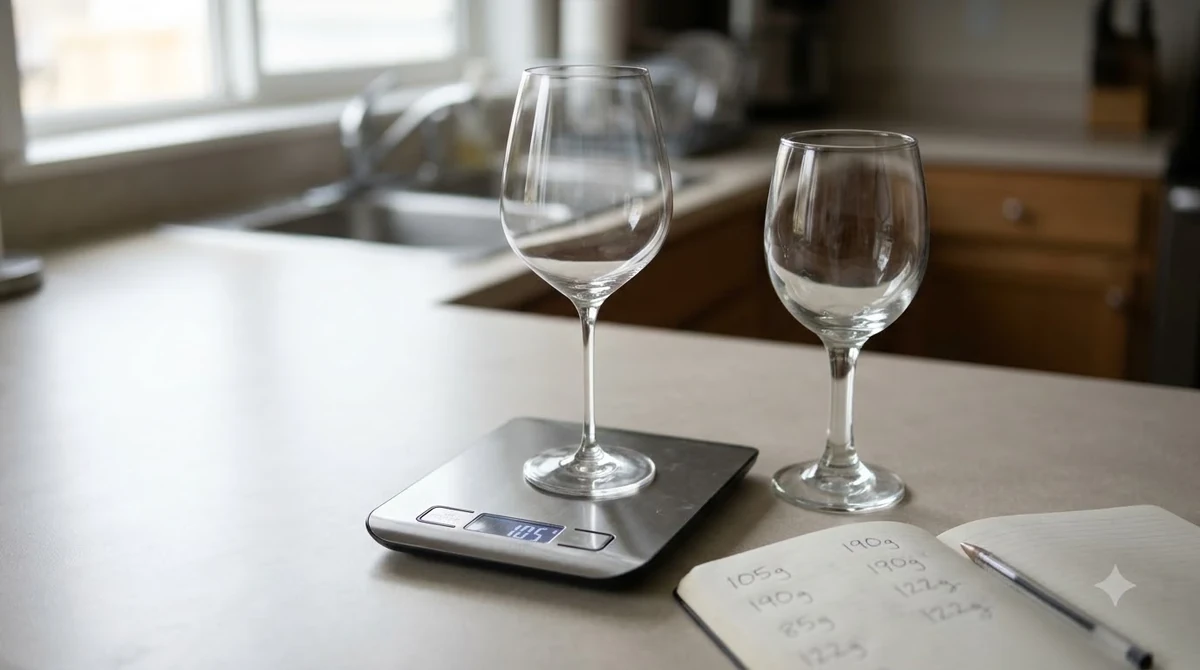
This concern is not merely theoretical. CNA Luxury’s comparison included an account of a broken Veloce Chardonnay glass during handwashing. The writer also noted that the thin varietal-specific glasses required careful handling compared with a thicker all-purpose glass. This illustrates an important trade-off: the qualities that make a premium glass feel refined can also make it more demanding to maintain.
Another potential complaint is the complexity of the product range. RIEDEL offers multiple collections and grape-specific shapes, and the distinctions are not always obvious to first-time buyers. Someone who sees several glasses with slightly different bowls may wonder whether the differences justify owning all of them.
In practice, a separate glass for every grape variety is unnecessary for most households. Even people who enjoy trying different wines can obtain a satisfying experience from a small number of versatile shapes. Purchasing too many specialized glasses can create storage problems and increase the number of delicate items that need cleaning.
There is also a difference between perceived value and practical value. A premium crystal glass can offer excellent clarity, attractive proportions, and a pleasant drinking experience, but it cannot improve the underlying quality of a bottle of wine. The benefits are primarily related to presentation and sensory perception, not to changing the wine’s composition.
Some drinkers may also find the largest bowls inconvenient. Large red wine glasses require additional cupboard space, more room on a crowded dinner table, and greater care when carrying them between the kitchen and dining area. A glass that feels comfortable in a spacious dining room may be awkward in a small apartment or during a casual outdoor gathering.
Machine-made and handmade glasses also have different expectations. Buyers seeking identical dimensions throughout a collection may prefer machine-made models. Those purchasing handmade glassware should understand that small variations in weight, size, bubbles, and surface texture are consistent with RIEDEL’s description of its handcrafted production.
Dishwasher compatibility is another area where assumptions can lead to disappointment. Although RIEDEL states that most glasses are dishwasher safe, the company also identifies exceptions that require handwashing. Treating every model as automatically dishwasher compatible is therefore a mistake.
Finally, the varietal-specific approach may not appeal to people who prefer one universal glass. Some wine drinkers value convenience above subtle differences in aromatic presentation. If a household mainly serves one or two inexpensive wines, a carefully selected multipurpose glass may be more sensible than a collection of specialized crystal pieces.
Who Should Buy and Who Should Skip RIEDEL
RIEDEL is a particularly good match for regular wine drinkers who appreciate differences between grape varieties and want glassware that reflects those distinctions. Its range is also attractive to people who care about presentation, prefer lead-free crystal, and want a collection that can grow over time.
Cabernet Sauvignon enthusiasts are among the clearest potential buyers. A dedicated Cabernet Sauvignon/Merlot shape is intended for fuller-bodied red wines, including Bordeaux-style blends. Its larger bowl provides space for the wine to develop aromatically, while the proportions are designed around the structure of these wines.
Pinot Noir drinkers have a different reason to consider the brand. Pinot Noir generally has lower tannin and relatively high acidity, with delicate red-fruit aromas that can be less expressive in an unsuitable glass. A Pinot Noir/Nebbiolo shape offers a more targeted option for presenting cherry, strawberry, and other aromatic characteristics.
Chardonnay and Riesling drinkers can also benefit from having separate shapes. Chardonnay’s fuller texture and generally medium acidity call for a different presentation from high-acid Riesling. A more open Chardonnay bowl and a narrower Riesling profile give these wines distinct serving experiences.
Buyers who prioritize everyday convenience should pay particular attention to the machine-made collections. RIEDEL describes its machine-made glasses as consistent and durable, and identifies Veloce as a premium machine-made collection. This makes the range an appealing place to start for people who want sophisticated shapes without choosing individually handcrafted pieces.
Who may want to skip the premium collections?
There are several situations where RIEDEL’s more specialized glasses may be unnecessary. People who drink wine only occasionally, use their glassware mainly for parties, or have limited storage space may be better served by simpler, sturdier glasses.
Households with young children or frequent large gatherings should also think carefully about how much delicate stemware they actually need. A few premium glasses reserved for quieter dinners can make more sense than replacing every everyday glass with a thin crystal model.
Another reason to skip a large specialized collection is limited wine variety. If most bottles served at home are Sauvignon Blanc and Cabernet Sauvignon, there is little practical reason to buy numerous additional shapes for grapes that rarely appear at the table.
People who prefer dishwasher convenience should choose carefully rather than assuming every collection offers the same cleaning requirements. The manufacturer’s care guidance provides a straightforward way to distinguish dishwasher-compatible models from pieces that require handwashing.
Tip: Start with two or three glasses that match the wines you drink most frequently. A Cabernet Sauvignon glass, a Pinot Noir glass, and a versatile white wine glass can cover many occasions without filling an entire cupboard with specialized stemware.
The most sensible buying decision is based on frequency of use rather than the number of available shapes. A small collection of appropriate glasses that gets used regularly is more valuable than a large assortment that spends most of its time in storage.
How RIEDEL Compares to Alternatives
RIEDEL’s main distinction is its emphasis on grape-specific bowl design combined with several manufacturing methods. Other glassware approaches may place greater emphasis on simple universal shapes, heavier construction, or a smaller collection of standardized glasses.
The comparison is especially relevant for buyers deciding between premium varietal-specific glassware and everyday multipurpose stemware. A versatile glass can handle numerous wines adequately, while a dedicated RIEDEL shape is intended to present a particular style more precisely.
CNA Luxury’s comparison provides a useful illustration. Its all-purpose control glass performed reasonably well in several comparisons, although the writer reported differences in fruit expression, acidity, and tannin presentation when the same wines were served in the varietal-specific Veloce glasses.
That finding is important because it prevents an overly simplistic buying decision. A specialized glass can offer a more tailored experience, but a universal glass remains useful and can be perfectly adequate for casual drinking. Not every bottle requires a separate piece of equipment.
Universal glasses versus varietal-specific shapes
A universal wine glass is generally the most convenient choice for households that drink a mixture of red and white wines. It reduces the amount of storage space required and makes it easier to serve different bottles at the same gathering.
RIEDEL itself recognizes the value of versatile glassware. Its recommendations include Wine Friendly Magnum, Wine Friendly Red Wine, Ouverture Magnum, VINUM Riesling Grand Cru, and GRAPE@RIEDEL. These options demonstrate that the company does not require every buyer to select a completely different glass for every grape.
Varietal-specific glasses make more sense for people who regularly drink a particular wine style. A Burgundy or Pinot Noir enthusiast may appreciate a dedicated bowl, while a Cabernet Sauvignon drinker may prefer the larger proportions associated with fuller-bodied reds.
Handmade versus premium machine-made
Handmade glasses appeal to shoppers who value individual craftsmanship and traditional production. Small differences between pieces are part of the process, and the resulting glassware can have a distinctive character that appeals to collectors and people furnishing a formal table.
Premium machine-made glassware is more appropriate for shoppers who value consistency and precise production. Veloce and Superleggero demonstrate how machine-made products can retain sophisticated proportions and wine-specific designs. The choice therefore does not have to be between an ordinary thick glass and an extremely delicate handmade piece.
How to decide between the approaches
Consider the wines you serve most often, the number of people you usually entertain, and the amount of time you want to spend caring for your glasses. These three factors usually provide a clearer buying direction than comparing collections based solely on appearance.
For a broader comparison of different materials, shapes, and styles, the wine glasses buying guide can help establish what matters before selecting a premium brand. Shoppers specifically comparing glass composition can also consult our guide to lead free crystal wine glasses.
RIEDEL is strongest for consumers who value the relationship between glass shape and wine presentation. A more basic universal glass may be the better everyday choice for households that prioritize convenience, durability, and fewer storage requirements.
Frequently Asked Questions
Are RIEDEL crystal wine glasses made in Austria?
RIEDEL is an Austrian glassware manufacturer, but individual collections are not necessarily manufactured in Austria. The company identifies its Veloce production facility as being in Weiden, Germany. Manufacturing location therefore depends on the particular collection rather than the brand’s Austrian identity.
What does RIEDEL’s RQ designation mean?
RQ stands for Restaurant Quality. RIEDEL describes these products as having small imperfections compared with its best-quality glassware. The designation is intended for restaurant use and distinguishes this category from the brand’s standard best-quality products.
Can different RIEDEL glasses have slightly different weights?
Yes. RIEDEL explains that handmade and hand-finished glasses can vary slightly in size, weight, bubbles, and surface texture. Such differences are characteristic of the individual production process and do not automatically indicate damage or a defect.
Can RIEDEL identify an older glass without its original packaging?
RIEDEL offers an identification service through customer support. Useful details include the purchase date, collection name, markings on the base, height, rim diameter, base diameter, and a photograph. These details help distinguish similar shapes and identify older pieces.
Can RIEDEL glasses develop cloudiness after repeated washing?
RIEDEL identifies mineral deposits and superficial stains as possible causes of cloudy-looking glassware. The manufacturer recommends soft water with low mineral content and suggests soaking glasses in white vinegar to address superficial stains. Avoiding contact with metal and other glasses also helps maintain the surface.
RIEDEL crystal wine glasses are worth considering for anyone who appreciates refined glassware, lead-free crystal, and thoughtfully developed shapes for different wines. Veloce and other machine-made collections provide accessible ways to explore varietal-specific designs, while handmade options appeal to buyers who value individual craftsmanship. For the best purchase, begin with the wines you drink most often and select a small number of suitable shapes rather than buying an unnecessarily large collection.
More in Wine Glasses
 Zwiesel Glas Champagne Flutes for Durable Everyday Sparkling WineUpdated Nov 20, 2026
 Vera Wang Crystal Wine Glasses: Design, Quality and Buying AdviceUpdated Nov 20, 2026
 West Elm White Wine Glasses: Compare Designs for Better Everyday Wine ServiceUpdated Nov 20, 2026
 Zalto Stemless Wine Glasses: Discover Their Distinctive DesignsUpdated Nov 20, 2026
 Viski Champagne Glasses That Match Your Style and Sparkling WineUpdated Nov 20, 2026
 Vista Alegre Decanter Review: Crystal Style and Wine ServiceUpdated Nov 20, 2026