

We may earn a commission when you buy through links on this page, at no extra cost to you. Learn more.
When comparing gewurztraminer vs moscato, Gewurztraminer is a fuller-bodied, still white wine with higher alcohol and bold lychee-and-spice aromas, whereas Moscato is a lighter, sweeter, gently sparkling wine with roughly half the alcohol. Both grapes belong to the aromatic white wine family and burst with floral perfume, yet they behave very differently at the dinner table. Gewurztraminer commonly ranges from dry to off-dry at 12.5% to 14.5% ABV, while classic Italian Moscato sits around 5% to 6% ABV with pronounced grape sweetness and a soft fizz.
Shoppers often reach for both bottles when looking for an expressive, fragrant white wine that breaks away from crisp Pinot Grigio or oaky Chardonnay. Knowing how their grape genetics, winemaking methods, residual sugar, and serving styles diverge makes choosing between them straightforward, whether you are pouring aperitifs, taming chili heat, or plating dessert.
Gewurztraminer vs Moscato: Core Differences at a Glance
The clearest divide in the gewurztraminer vs moscato matchup comes down to structure, bubbles, and alcohol strength rather than floral perfume alone. Gewurztraminer delivers weight, oiliness, and warming alcohol without carbonation, while Moscato delivers featherweight sweetness, brisk effervescence, and low alcohol.
Because both varieties produce unmistakable floral and stone-fruit scents, casual tasters sometimes lump them together as sweet white wines. In the glass, however, they occupy opposite ends of the white wine texture spectrum. Gewurztraminer coats the palate with a rich, velvety viscosity driven by ripe pink grape skins and higher ethanol. Classic Moscato dances across the tongue with fine carbon dioxide bubbles, bright acidity, and unfermented grape sugar.
Winemaking traditions reinforce this contrast. Most Gewurztraminer is fermented fully or nearly to dryness in stainless steel or large neutral casks, allowing varietal spice and alcohol to take center stage. Conversely, benchmark Moscato—led by Italy’s Moscato d’Asti DOCG—undergoes an arrested single-tank fermentation that intentionally stops around 5% to 5.5% ABV, locking in natural fruit sugar and a gentle spritz.
| Attribute | Gewurztraminer | Moscato (Moscato d’Asti Style) |
|---|---|---|
| Primary Grape | Gewurztraminer (pink-skinned Traminer mutation) | Moscato Bianco (Muscat Blanc à Petits Grains) |
| Signature Regions | Alsace (France), Germany, Alto Adige (Italy), California, Washington | Piedmont (Italy), California, Australia |
| Typical Alcohol (ABV) | 12.5% – 14.5% | 4.5% – 6.5% (still styles up to 11%) |
| Sweetness Level | Dry to off-dry (typically 4–18 g/L RS; late harvest higher) | Sweet (typically 80–130 g/L RS) |
| Effervescence | Still (no bubbles) | Frizzante (lightly sparkling, 1.7–2.5 bar) |
| Body and Texture | Medium-plus to full-bodied, rich, slightly oily | Light-bodied, frothy, crisp |
| Acidity Level | Low to medium-low | Low-medium to vibrant (balanced by CO2) |
| Core Aromas | Lychee, rose petal, pink grapefruit, ginger, clove | Peach, apricot, orange blossom, sage, Meyer lemon |
| Ideal Serving Temp | 43°F – 48°F (6°C – 9°C) | 43°F – 46°F (6°C – 8°C) |
Grape Origins and Winemaking Methods
Gewurztraminer and Moscato trace their roots to two ancient European grape families that evolved in different climates and cellar traditions. Gewurztraminer is a pink-skinned mutation of Savagnin Rose cultivated heavily in the foothills of the Alps, whereas Moscato comes from the ancient Muscat family led by Moscato Bianco in northwestern Italy.
Gewurztraminer: Pink Skins and Full Fermentation
According to the regional wine body Vins d’Alsace, Gewurztraminer descends from the historic Traminer Rose grape, with the German prefix “gewürz” translating directly to “spice.” Its berries ripen to a dusky pink or reddish-copper hue rather than green, imparting a deep golden-yellow tint to the finished wine. Global plantings cover roughly 20,000 acres, with Alsace accounting for about 7,000 acres and the United States cultivating roughly 3,200 acres across cool pockets of California, Washington, and New York.
In the winery, Gewurztraminer grapes are harvested late enough to develop rich phenolic ripeness and concentrated terpene aromatics. Winemakers press the fruit gently and ferment the juice in temperature-controlled stainless steel tanks or large neutral oak foudres to preserve pure fruit and spice without woody vanilla flavors. Fermentation usually runs until alcohol reaches 13% to 14.5% ABV, leaving either a dry finish or a small cushion of residual sugar to round out natural skin bitterness.
Moscato: Early Harvest and Arrested Tank Fermentation
Moscato relies on Moscato Bianco—known in France as Muscat Blanc à Petits Grains—which has grown on the steep limestone and sandstone hillsides of Piedmont since at least the 1300s. Within Italy’s flagship Moscato d’Asti DOCG zone, slopes reach grades of up to 50 percent, requiring 100% hand-harvesting into 20-kilogram crates around late August or early September. This early picking preserves natural freshness before autumn heat dulls the grape’s delicate floral compounds.
Rather than fermenting juice all the way to dryness, Moscato producers use the Martinotti autoclave method. Chilled must is fermented in a single pressurized stainless steel tank around 54°F (12°C) until alcohol reaches roughly 5% to 5.5% ABV and trapped carbon dioxide builds 1.7 to 2.5 bar of pressure. Winemakers immediately chill the tank to 28°F (-2°C) to stop yeast activity, sterile-filter the wine, and bottle it under pressure—often moving from vine to bottle in as little as 30 days.
Sweetness, Alcohol, and Acidity Compared
Moscato is measurably sweeter than almost every standard bottling of Gewurztraminer, containing roughly five to ten times more residual sugar per glass. At the same time, Gewurztraminer packs more than double the alcohol of classic Moscato and relies on lower natural acidity, creating a much heavier mouthfeel.
Understanding the numbers behind residual sugar (RS) prevents surprises when opening a bottle. In Alsace, standard dry Gewurztraminer typically holds under 9 grams per liter of residual sugar, while off-dry examples sit between 9 and 18 grams per liter. Only specialty late-harvest Vendanges Tardives bottlings—which require at least 257 grams per liter of sugar in the grape must at harvest—or botrytized Sélection de Grains Nobles wines cross into true dessert sweetness.
By contrast, Wine Folly’s Moscato d’Asti guide notes that benchmark Italian Moscato finishes around 100 grams per liter of residual sugar, and individual producers in Canelli frequently bottle wines between 120 and 130 grams per liter. Because fermentation stops early, Moscato d’Asti legally carries between 4.5% and 6.5% actual ABV. Even still California or Australian Muscats rarely exceed 9% to 11% ABV, whereas dry and off-dry Gewurztraminer routinely hits 13% to 14.5% ABV.
Tip: Do not judge Gewurztraminer’s sweetness by smell alone. Intense rose and lychee aromas trick the brain into expecting sugar, so check the back label or look at the ABV—bottles at 13.5% ABV or higher are usually dry or barely off-dry, while bottles under 12% ABV tend to hold noticeable sweetness.
Acidity also shapes how each wine carries its weight. Gewurztraminer naturally drops acidity quickly as it ripens on the vine, resulting in low to medium-low tartness and a broad, silky texture. Moscato maintains low-to-medium natural acidity, yet its dissolved carbon dioxide creates carbonic tang on the tongue, making 100 grams per liter of sugar taste crisp and refreshing rather than syrupy. Drinkers exploring how bubbles and sugar interact across sparkling styles can also compare champagne vs moscato to see how full bottle pressure changes sweetness perception.
Aroma and Flavor Profiles in the Glass
Although both wines owe their perfume to natural aromatic compounds called terpenes, Gewurztraminer smells distinctly exotic, spicy, and floral, while Moscato smells like fresh orchard fruit, citrus blossoms, and honey. Pouring them side by side reveals immediate differences in both color and bouquet.
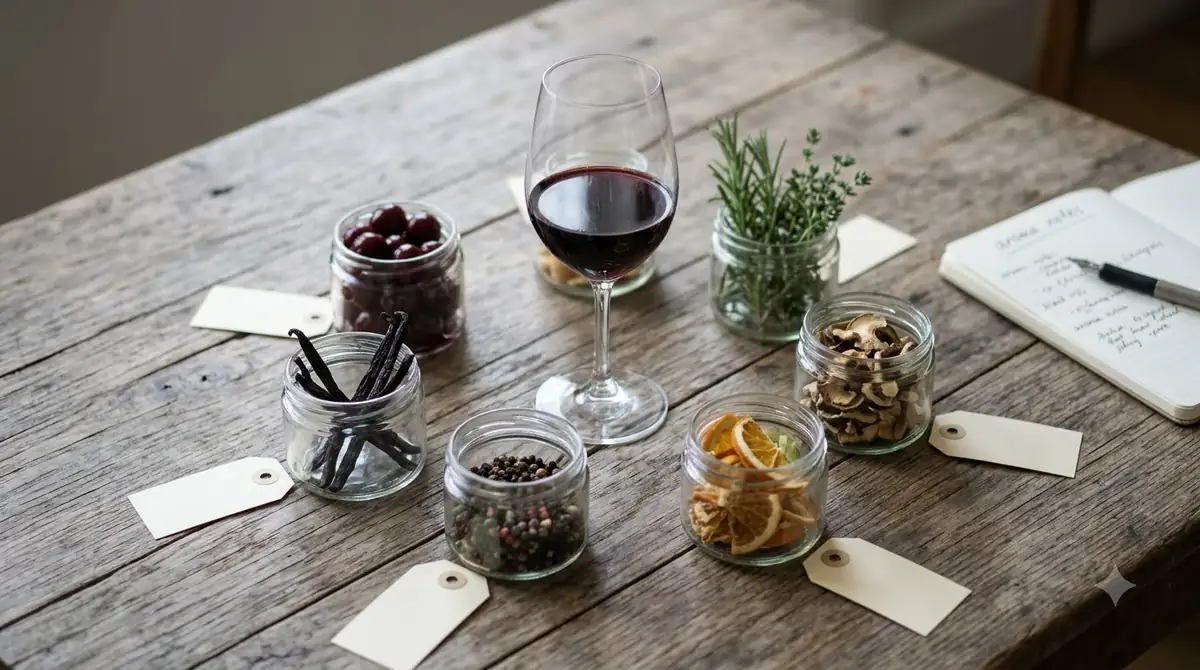
In the glass, Gewurztraminer displays a deeper straw-to-gold hue pulled from its pink grape skins. Swirl the glass and the signature marker of the grape jumps out immediately: sweet canned or fresh lychee backed by crushed red rose petals and ruby red grapefruit pith. Beneath the fruit sits an unmistakable layer of warm baking spices—fresh ginger root, clove, cinnamon bark, allspice, and occasionally a wisp of smoky incense. On the palate, dry versions finish with a pleasant, slightly bitter phenolic grip reminiscent of grapefruit rind.
Food Pairing: Spicy Dishes, Cheese, and Dessert
Gewurztraminer excels with savory, richly spiced main courses and pungent washed-rind cheeses, while Moscato shines alongside brunch pastries, salty blue cheeses, and fruit-driven desserts. Both bottles handle chili heat far better than dry tannic reds, yet each tames spice through a different mechanism.
Because chili heat is amplified by high alcohol and astringent tannin, pairing spicy Southeast Asian, Indian, or Sichuan cooking requires careful balance. Off-dry Gewurztraminer brings a touch of residual sugar and lush body that cushions ginger, galangal, curry paste, and five-spice powder without colliding with oak tannins. According to Vins d’Alsace, classic regional pairings also include washed-rind cow’s milk cheeses—specifically Munster, Maroilles, Pont-l’Évêque, and Livarot—as well as foie gras, roast pork with fruit chutney, and Moroccan tagines.
Moscato tackles spicy dishes with low alcohol (around 5% to 5.5% ABV per the Consorzio dell’Asti), cooling carbonation, and roughly 100 grams per liter of residual sugar according to Wine Folly, making it an easy match for Sichuan dan dan noodles, spicy Thai papaya salad, or Nashville-style hot chicken. At the end of a meal, wine should be at least as sweet as the dessert, which puts Moscato ahead of standard Gewurztraminer for sweet courses. Per Wine Folly’s Moscato d’Asti guide, traditional Piedmont pairings include hazelnut cake (torta di nocciole), panettone, peach tarts, biscotti, and pungent blue cheeses like Gorgonzola Dolce or Roquefort, where salt and sweet create sharp contrast. Readers deciding between sweet bubbly whites and dry red dinner pours can also check merlot vs moscato for contrasting meal strategies.
Serving Temperature, Glassware, and Storage
Both wines belong in the refrigerator before serving, though Gewurztraminer benefits from warming slightly in a standard white wine glass while Moscato tastes crisper when poured colder into a tulip sparkling glass. Proper storage also separates the two, because elite Gewurztraminer can age for decades while Moscato is built for immediate freshness.
Pour Gewurztraminer around 45°F to 50°F (7°C to 10°C)—within the standard white wine serving window—using a standard medium-bowled white wine glass. As the wine warms a few degrees in the glass, its rose petal, clove, and lychee aromatics open steadily without letting 13.5% or 14% alcohol feel hot. If a bottle is fully dry and medium-bodied, serving near 48°F to 50°F (9°C to 10°C) highlights its spicy texture.
Serve Moscato well chilled at 43°F to 46°F (6°C to 8°C) in a tulip-shaped sparkling wine glass or small white wine glass rather than a wide coupe, which lets its delicate frizzante fizz—under 2.5 bar per Italian DOCG rules—dissipate too quickly. Once opened and recorked in the refrigerator, still Gewurztraminer holds its aromatics for 3 to 5 days, whereas lightly sparkling Moscato loses its spritz within 1 to 3 days. For unopened bottles stored on their side near 55°F (13°C), Decanter notes that top Alsatian Grand Cru Gewurztraminer from marly limestone sites like Hengst or Mambourg can evolve for 15 to 20 years, while Moscato d’Asti is best opened within 12 months of the harvest vintage.
How to Choose Between Gewurztraminer and Moscato
Choosing between gewurztraminer vs moscato comes down to three practical questions: whether you want dinner-table structure or sweet refreshment, how much alcohol fits the occasion, and whether bubbles belong in the glass. Matching the bottle to the setting prevents sweetness or alcohol mismatches.
Pick Gewurztraminer If You Want:
- A dry or lightly off-dry dinner wine: Standard bottlings typically sit in a dry to off-dry range with 12.5% to 14.5% ABV according to Vins d’Alsace, giving enough weight for roast duck, smoked salmon, or spiced curries.
- Exotic spice and floral intensity: Lychee, ginger, rosewater, and grapefruit pith create dramatic aroma without syrupy sweetness.
- Cellar aging potential: Late-harvest Vendanges Tardives and Grand Cru bottles develop honeyed, smoky complexity over 10 to 20 years.
Pick Moscato If You Want:
- Unmistakable sweetness and gentle fizz: Around 100 grams per liter of sugar (as noted by Wine Folly) paired with soft frizzante bubbles makes every sip bright, juicy, and dessert-ready.
- Low-alcohol daytime or brunch sipping: At 4.5% to 6.5% ABV under DOCG regulations, a standard 5-ounce pour delivers less than half the alcohol of most dry table wines.
- A crowd-pleasing aperitif or dessert pairing: Fresh peach, orange blossom, and apricot notes appeal to guests who usually dislike dry or bitter wines.
For broader comparisons across grape varieties, body styles, and sweetness levels, explore the Wine vs Wine guide hub to match additional bottles to your menu.
Frequently Asked Questions
Can I substitute Gewurztraminer for Moscato in a recipe or punch?
Substituting standard Gewurztraminer directly for Moscato changes both sweetness and texture because still Gewurztraminer lacks carbonation and holds far less residual sugar than Moscato d’Asti’s roughly 100 grams per liter (reported by Wine Folly). If a sangria, spritzer, or poaching recipe calls for Moscato, use a late-harvest or sweet German Gewurztraminer and top the glass with chilled club soda to mimic Moscato’s gentle fizz.
Is Pink Moscato made from the same grape as Gewurztraminer?
No—Pink Moscato is typically made from white Moscato Bianco blended with a splash of red wine such as Merlot, Zinfandel, or Syrah for color, or from red-skinned Muscat variants like Black Muscat. Gewurztraminer naturally grows pink-to-copper grape skins on the vine, yet winemakers press the juice off the skins immediately to produce a golden white wine rather than a rosé.
Which wine has fewer calories per 5-ounce glass?
Despite holding roughly 100 grams per liter of residual sugar according to Wine Folly, a 5-ounce pour of 5.5% ABV Moscato d’Asti can carry fewer calories than a 5-ounce glass of dry 14% ABV Gewurztraminer because USDA nutrition data shows alcohol contains 7 calories per gram compared to 4 calories per gram for carbohydrates.
What is the difference between Moscato d’Asti and Asti Spumante?
Both wines come from 100% Moscato Bianco grown in Piedmont, Italy, under the same DOCG consortium, but according to the Consorzio dell’Asti, Asti Spumante ferments longer to reach 7% to 9.5% ABV and full spumante pressure above 3 bar, whereas Moscato d’Asti stops fermentation earlier at 4.5% to 6.5% ABV for lower alcohol and gentle frizzante fizz.
Which regions outside Alsace make standout Gewurztraminer?
Northern Italy’s Alto Adige (Südtirol) produces crisp, mineral-driven Gewurztraminer on high-altitude Alpine slopes around Tramin, the village that gave the grape its name. Cool-climate vineyards in Germany’s Pfalz and Baden regions, New Zealand’s Marlborough, and California’s Anderson Valley also bottle expressive, aromatic examples.
Choosing between Gewurztraminer and Moscato becomes easy once you separate floral aroma from actual sugar and alcohol in the glass. Reach for Gewurztraminer when you want a fuller, still, spice-driven white wine for savory meals, and chill a bottle of Moscato when low-alcohol bubbles and lush stone-fruit sweetness fit the moment.
More in Wine vs Wine
 Chenin Blanc vs Pinot Gris: Acidity, Body, and Pairing DifferencesUpdated Nov 20, 2026
 Chianti vs Lambrusco: How Tuscany and Emilia-Romagna Reds CompareUpdated Nov 20, 2026
 Chianti vs Primitivo: Key Differences in Taste, Body, and PairingUpdated Nov 20, 2026
 Chianti vs Rioja: Key Differences in Taste, Aging, and PairingUpdated Nov 20, 2026
 Chianti vs Shiraz: How Acidity, Body, and Food Pairings CompareUpdated Nov 20, 2026
 Chianti vs Syrah: Key Differences in Taste, Body, and Food PairingUpdated Nov 20, 2026