

We may earn a commission when you buy through links on this page, at no extra cost to you. Learn more.
Syrah color is usually a deep, dark red, often purple or nearly black in a young glass, and it is one of the most intensely colored red wines in the world. The color comes from the thick, dark skins of the grape, which release a lot of pigment during fermentation. As the wine ages, the edges tend to lighten toward a brick or garnet tone, while the center stays dense for longer.
This guide explains what a Syrah should look like in the glass, why the color is so dark, how it changes with time and how to read the color as a clue to the style. If you are comparing bottles on a shelf or deciding whether a wine is young or mature, the sections below give you the basics.
Why Syrah Is So Dark
Syrah is a dark-skinned grape, and the pigment that colors red wine sits in the skin. During fermentation, the juice stays in contact with the skins for a period of time, and the longer that contact lasts, the more color and tannin the wine picks up. Syrah’s natural pigment load is high, so the resulting wine is usually very intense.
The Wine Folly guide to Syrah describes the wines as having some of the most intense color concentration among the world’s red wines. That intensity is one of the easiest ways to recognize the grape before you taste it, even when the label does not name the variety clearly.
What a Young Syrah Looks Like
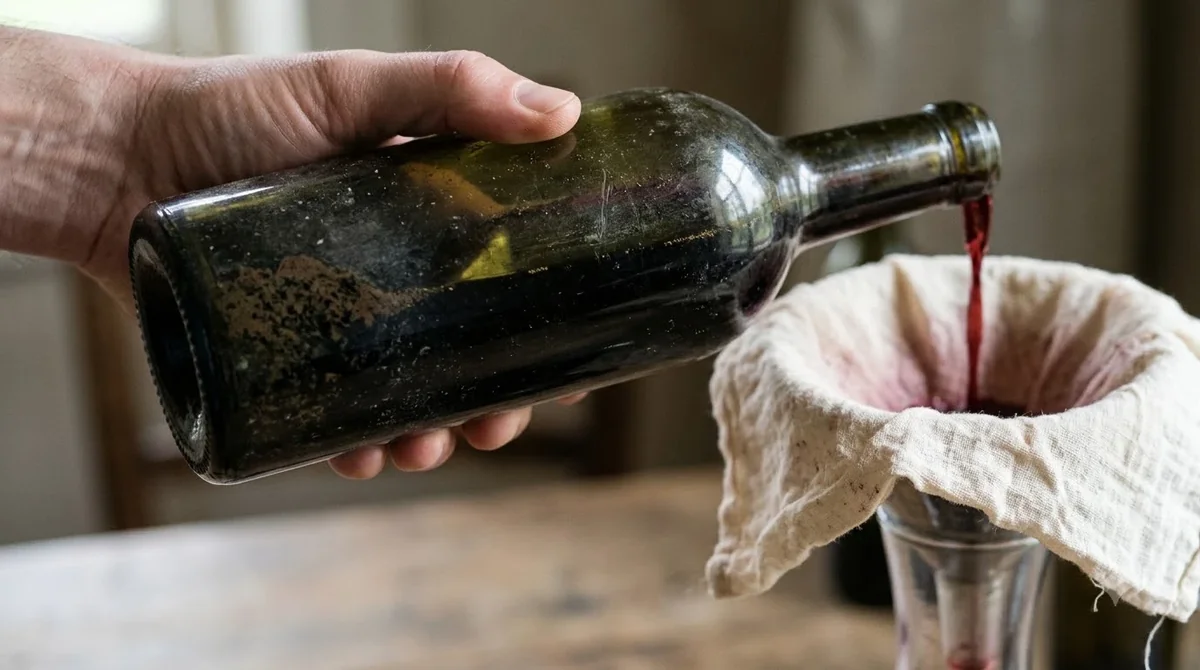
A young Syrah is typically dense and opaque, with a color that can read as deep purple, dark ruby or almost black at the center. Light passes through the glass very little, so the wine looks thick even before you swirl it. Many drinkers describe the first impression as inky.
The rim, the outer edge of the wine in the glass, is often more vivid, with a purple tint that signals youth. A wine with this profile usually shows bright fruit aromas and a firm structure, because the pigment and tannin are both still strong.
| Stage of the wine | What the color usually looks like |
|---|---|
| Young (first few years) | Deep purple to nearly black, opaque at the center |
| Mid-life | Dark ruby with a more transparent edge |
| Mature | Garnet or brick at the rim, with a denser center still visible |
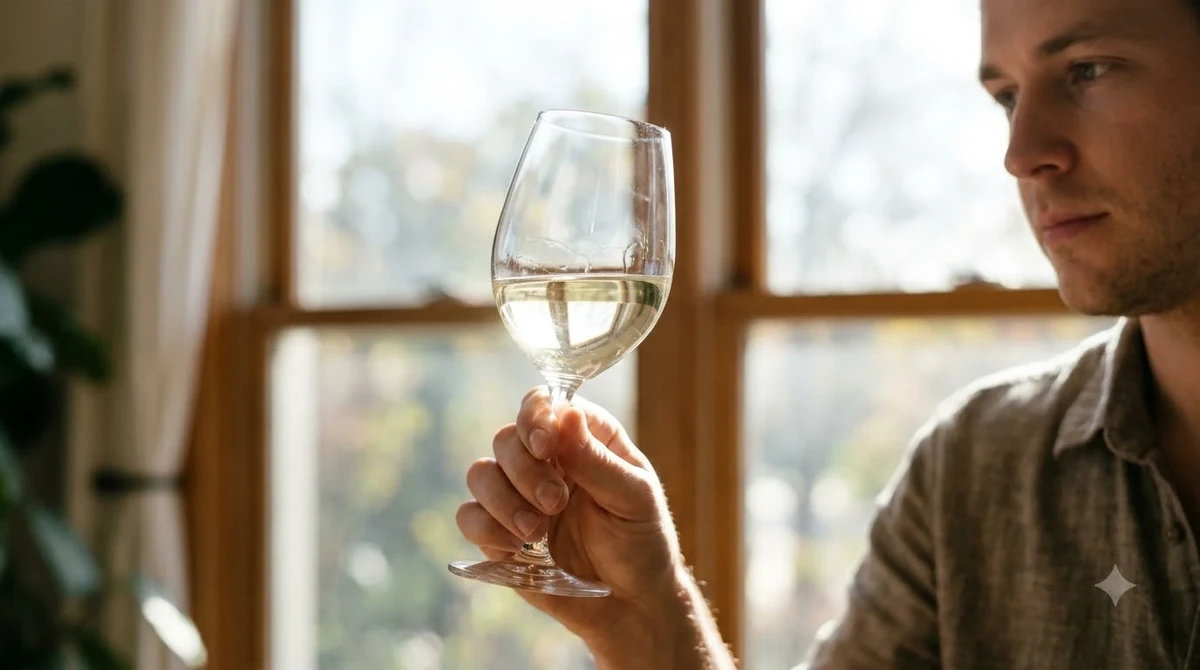
Tip: Hold a glass against a white background and tilt it. The color at the rim tells you more about the age of the wine than the center does.
How the Color Changes With Age
As Syrah ages, the pigments slowly bond with tannins and other compounds in the wine, and the color shifts. The purple tones fade first, followed by a move toward ruby and then garnet. Over many years, the rim can take on a brick or tawny edge, while the core keeps some depth.
Oxygen plays a part too. An opened bottle that is left out for days will lose its vivid purple tones faster, and the wine can look browner and flatter in the glass. Keeping the cork in and the bottle cool slows that process, which is why a half-finished Syrah can taste dull before it looks old.
This change is gradual, and it does not happen on a fixed timetable. A well-made Syrah from a warm vintage can keep a deep color for a long time, while a lighter bottle may show signs of age sooner. Use the label year and the producer’s advice as a guide, and check the color in the glass rather than relying on the date alone.
What Affects Syrah Color
Several factors shape the final color. The grape’s natural pigment is the starting point, but the winemaker controls how long the juice stays with the skins, the temperature of fermentation and whether the wine is pressed early or late. Longer skin contact generally yields a darker and more tannic wine, while shorter contact gives a lighter, fresher color.
Vintage also plays a role. Warm, sunny years tend to produce grapes with more concentrated pigment, while cooler years can yield lighter wines. Oak aging can add structure and soften the color over time, but it does not change the basic depth of the wine. When you compare two Syrahs, the difference in color often reflects a difference in winemaking rather than in the grape itself.
Light exposure matters as well. Bottles kept near a sunny window or under bright store lighting for long periods can lose some of their color and aroma over time. Buying from a shop that keeps its stock cool and dark is a small step that helps the wine show its true color when you open it at home.
Syrah and Shiraz Color
Syrah is the same grape that many Australian producers label as Shiraz. Australian examples are often bold and very dark, and the color can look even more opaque than a cooler-climate Syrah. The name on the label changes the style you expect, but the color is still a reliable way to recognize the grape when you see it in the glass.
If you are comparing dark reds from other grapes, our guides to malbec color and zinfandel color cover two more varieties that are known for deep pigment. Placing them side by side in the glass is a useful way to see how each one looks. Tasting a few reds in the same sitting makes the differences in depth and edge color much easier to notice than reading about them.
How to Judge Syrah Color Before Buying
When you are choosing a bottle, the color on the shelf is only a rough guide, because the label photo and the bottle itself can differ. Look for a wine that is described as deep or intensely colored if you want the classic style. If you prefer a lighter, more elegant wine, pick a Syrah from a cooler region or one that the producer describes as fresh.
Once you open the bottle, pour a small amount into a clear glass and look at the rim. A dense, purple-tinted rim suggests a younger wine that will be firm and fruit-forward. A rim that is starting to turn brick suggests an older bottle that may be softer and more savory.
Frequently Asked Questions
Why is Syrah wine such a dark color?
The grape has thick, dark skins that release a lot of pigment during fermentation. Long contact between the juice and the skins gives the wine its deep color, and it is one of the most intensely colored red wines.
Does Syrah get lighter as it ages?
Yes, the color usually softens over time. The purple tones fade first, the wine moves toward ruby and then garnet, and the rim can turn brick in older bottles.
Is a dark Syrah always a bold wine?
Not always. Color indicates how much pigment is in the wine, but the style also depends on the region, the vintage and the winemaking. Some dark Syrahs are structured and firm, while others are fruit-forward and smooth.
Is Syrah the same as Shiraz?
Syrah and Shiraz are the same grape. Australian producers often use the name Shiraz, and the wines can look very dark and opaque in the glass.
Syrah’s color is one of the clearest signs of what is in the glass, so learning to read it is a useful skill. Pour a glass, look at the rim, and compare what you see with the label year. Over a few bottles, the color will start to tell you as much about the wine as the taste does.
More in Wine Types & Grapes
 Zinfandel Sugar Content: Dry Red vs. White Zinfandel GramsUpdated Nov 21, 2026
 Best Zinfandel Substitute Options for Sipping and CookingUpdated Nov 21, 2026
 Zweigelt Food Pairing: Best Dishes, Cheeses, and Serving TipsUpdated Nov 21, 2026
 Zinfandel Tannins Explained: How Structure Shapes Every BottleUpdated Nov 21, 2026
 Zinfandel Sweetness Level: Dry Red vs. Sweet White Zin ExplainedUpdated Nov 21, 2026
 Xinomavro Food Pairing: Best Dishes, Styles, and Serving TipsUpdated Nov 21, 2026