

We may earn a commission when you buy through links on this page, at no extra cost to you. Learn more.
When comparing malbec vs primitivo, Malbec typically delivers darker plum and blackberry fruit with firmer structure and brighter acidity, while Primitivo leans warmer, jammy, and higher in alcohol. Both grapes produce deep purple-red, medium-to-full-bodied dry wines that pair easily with grilled meats and hearty sauces. Choosing between them comes down to whether a meal calls for Malbec’s plush, violet-scented grip or Primitivo’s sun-baked berry sweetness and peppery finish.
Shoppers browsing the red wine aisle often reach for Argentine Malbec and southern Italian Primitivo for the exact same reason: both offer generous dark fruit, rich color, and approachable tannins without demanding a decade in a cellar. Looking closely at their grape genetics, vineyard climates, and regional styles reveals clear differences in the glass that make each bottle shine at different dinners.
Malbec vs Primitivo at a Glance
At the table, Malbec feels slightly fresher and more structured on the mid-palate, whereas Primitivo feels rounder, warmer, and riper on the finish. Understanding how their core traits line up helps narrow down a bottle in seconds.
Most bottles of Wine vs Wine comparisons focus on contrasting Old World restraint against New World ripeness, yet this matchup flips that pattern. Primitivo is an Old World Italian specialty from Puglia that frequently reaches higher alcohol and riper jammy notes than New World Malbec grown in the high-altitude foothills of Argentina’s Andes mountains.
| Trait | Malbec (Mendoza / Cahors) | Primitivo (Puglia) |
|---|---|---|
| Primary Regions | Mendoza, Argentina; Cahors, France | Manduria and Gioia del Colle, Puglia, Italy |
| Typical Alcohol (ABV) | 13%–14.5% (up to 15% in warm sites) | 13.5%–16% (Manduria); 12.5%–14% (Gioia del Colle) |
| Core Fruit Flavors | Blackberry, black plum, black cherry | Blackberry jam, fig, red cherry, baked plum |
| Secondary Notes | Violet, cocoa, sweet spice, cedar (Cahors) | Black pepper, licorice, dried herbs, orange rind |
| Tannin Level | Medium to high (velvety in Mendoza; firm in Cahors) | Medium to medium-plus, soft and ripe |
| Acidity Level | Medium to medium-plus | Low-medium to medium (higher in Gioia del Colle) |
| Serving Temperature | 60–65°F | 60–65°F |
Because both grapes ripen reliably in sunny climates, neither wine is thin or pale. Still, Malbec’s thicker skins contribute a firmer tannic frame and deeper purple-black hue, while Primitivo’s thin skins and rapid sugar accumulation create a lush, velvety mouthfeel with noticeable warmth.
Grape Origins and Vineyard Climates
Malbec is a French grape that found its modern global home in Argentina, while Primitivo is a Balkan-rooted variety that became the signature red of southern Italy’s Puglia region. Their distinct vineyard environments directly shape how ripe and structured each wine tastes.
According to the Wine & Spirit Education Trust (WSET), Malbec first gained fame in Bordeaux blends and South-West France’s Cahors appellation before expanding across Argentina, which now holds the world’s largest plantings. In Mendoza, vineyards sit in the dry rain shadow of the Andes at high elevations—between 2,950 and 3,610 feet (900 to 1,100 meters) in Luján de Cuyo and up to 4,920 feet (1,500 meters) in the Uco Valley. Intense daytime sunlight builds rich color and ripe berry flavor, while cold mountain nights lock in natural acidity.
Primitivo followed a very different path across the Mediterranean to Puglia, the sunny peninsula stretching more than 200 miles along Italy’s southeastern heel. Genetic research confirmed that Primitivo is identical to California Zinfandel, sharing an ancestral origin along the Adriatic coast of Croatia and Montenegro. Italian growers named the grape Primitivo—derived from prima, meaning first—because it buds late and ripens earlier than neighboring southern Italian varieties.
In Puglia, heat rather than altitude drives ripening. Around Manduria in the province of Taranto, vines grow on flatland clay and sandy soils near the Ionian Sea, often trained as low, free-standing bush vines called alberello. Because Primitivo accumulates sugar rapidly under the southern Italian sun, grapes can shift from underripe to raisined within just a few days, demanding precise harvest timing to keep the wine balanced rather than heavy.
Flavor, Aroma, and Mouthfeel
Malbec centers on fresh dark berries, floral violet aromatics, and cocoa, whereas Primitivo leans toward cooked or jammy fruit, dried fig, and cracked black pepper. Even though both wines are fermented dry, Primitivo often creates an impression of sweetness on the mid-palate.
Pouring a glass of Argentine Malbec reveals an opaque violet-magenta rim and immediate scents of ripe black plum, blackberry, and crushed violets. Oak aging adds layers of milk chocolate, vanilla, and sweet baking spice, while high-altitude Uco Valley bottlings bring a stony, graphite freshness. On the palate, Malbec’s tannins feel plush and powdery, coating the gums gently without harsh bitterness.
Primitivo opens with a warmer, more aromatic bouquet of blackberry preserves, preserved cherry, dried fig, and sweet licorice. A distinct savory edge—often showing black pepper, dried Mediterranean herbs, or blood orange peel—keeps the rich fruit from feeling one-dimensional. Its higher alcohol gives the wine a fuller, glycerine-rich texture that feels broader and softer than Malbec.
Tip: If a label lists Primitivo di Manduria at 15% ABV or higher, expect a plush, almost sweet-edged fruit profile from a small percentage of naturally raisined berries. For a crisper, more savory glass with brighter acidity, look for Primitivo from Gioia del Colle or a high-altitude Uco Valley Malbec.
That genetic link to California Zinfandel explains why Primitivo shares Zinfandel’s signature brambly spice and ripe berry intensity, though Italian versions tend to carry more earthy, herbal undertones. Readers curious about how North American Zinfandel stacks up against Argentina’s flagship red can explore malbec vs zinfandel for a closer look at New World styles.
Key Regional Styles for Malbec and Primitivo
Neither grape produces a single uniform wine; each has two major regional expressions that shift body, tannin, and acidity noticeably. Knowing the region on the front label makes buying either bottle far more predictable.
Mendoza vs. Cahors Malbec
Argentine Malbec from Mendoza accounts for the vast majority of bottles on US shelves and delivers the classic plush, fruit-driven profile. Within Mendoza, lower-elevation sites in Luján de Cuyo produce round, velvety reds with sweet spice, while higher Uco Valley vineyards yield firmer tannins, brighter acidity, and pronounced violet aromatics. By contrast, French Malbec from Cahors grows on limestone plateaus and gravelly river terraces at much lower elevations, producing darker, more rustic “black” wines with firm tannins, tart blackberry fruit, cedar, and earthy tobacco notes built for 8 to 15 years of aging.
Primitivo di Manduria vs. Gioia del Colle
In southern Italy, Wine Enthusiast highlights two benchmark appellations that define Primitivo’s stylistic range. Primitivo di Manduria DOC, located near the Ionian coast, produces the richest, most powerful style, frequently reaching 14.5% to 16% alcohol with concentrated flavors of liquor-soaked berries, fig, and oak spice. Further north and inland in the province of Bari, Gioia del Colle DOC sits at 650 to 1,400 feet on gravelly iron-rich terra rossa and limestone soils, yielding lighter-bodied, fresher Primitivo with crisp red cherry, blackberry, mineral tension, and peppery spice.
Food Pairing: Matching Malbec and Primitivo to Dinner
Malbec excels alongside grilled red meats, savory mushrooms, and herb-marinated dishes, while Primitivo shines with slow-cooked tomato ragùs, sweet-and-smoky barbecue glazes, and aged hard cheeses. Matching each wine’s acidity and alcohol level to the dish prevents one from overpowering the other.
Argentine Malbec’s natural pairing partner is fire-grilled beef—from ribeye and skirt steak to chimichurri-topped flank steak—because salt and rendered fat soften its medium-to-high tannins while its bright mountain acidity cuts through richness. That same structural balance works well with roasted lamb, duck breast, and portobello mushrooms. For readers comparing other grilled-meat staples from the Spanish-speaking world, a look at malbec vs rioja highlights how Tempranillo’s dill-and-leather oak profile contrasts with Malbec’s dark berry plushness.
Primitivo’s jammy fruit, lower acidity, and higher alcohol make it ideal for dishes with a touch of sweetness or smoky char. Slow-simmered pork shoulder, glazed baby back ribs, grilled Italian sausages, and baked eggplant parmesan all echo Primitivo di Manduria’s fig and blackberry-preserve notes. Because high alcohol amplifies capsaicin heat, pair Primitivo with mild herbs like rosemary, oregano, and fennel rather than fiery chili peppers, and reach for lighter, higher-acid Gioia del Colle Primitivo when serving tangy tomato-based pasta.
Serving, Decanting, and Storage Tips
Both Malbec and Primitivo taste best when served slightly below room temperature at 60 to 65°F (15 to 18°C), and young bottles benefit from 30 to 60 minutes of aeration. Keeping high-alcohol Primitivo cool prevents the wine from tasting hot or syrupy on the finish.
Briefly chilling either bottle in a refrigerator before pouring brings warm kitchen-counter wine down into the 60 to 65°F target window. Pouring standard 5-ounce servings yields five glasses from a 750-milliliter bottle, and recorking leftovers upright in the refrigerator preserves freshness for several days.
Decanting plays a slightly different role for each grape. Young Uco Valley Malbec and tannic French Cahors open up noticeably after roughly an hour in a wide-base decanter, softening firm tannins and releasing floral violet aromas. Rich Primitivo di Manduria typically needs around half an hour of air to blow off initial alcohol warmth and integrate its baked-berry and pepper notes, while older bush-vine bottles from Sava—where shallow topsoil under 1 meter over limestone yields concentrated fruit, as noted in Decanter’s reporting on Puglia’s old vines—should be stood upright for a few hours before pouring off fine sediment.
How to Choose Between Malbec and Primitivo
Choose Malbec for a structured, dark-fruited red with firmer tannins and fresher acidity, and choose Primitivo for a warmer, fuller-bodied wine with ripe berry sweetness and peppery spice. Checking the region and alcohol percentage on the front label makes the decision straightforward.
Pick Argentine Malbec when the menu centers on grilled steak, burgers, or roasted root vegetables, or when dinner guests prefer crisp acidity and powdery tannins over high alcohol. Look for Luján de Cuyo for a rounder, plush texture or Uco Valley for brighter floral lift. If a diner loves South American reds with herbaceous green-pepper complexity alongside dark fruit, comparing carmenere vs malbec shows how Chile’s signature grape offers an earthier, softer-tannin alternative.
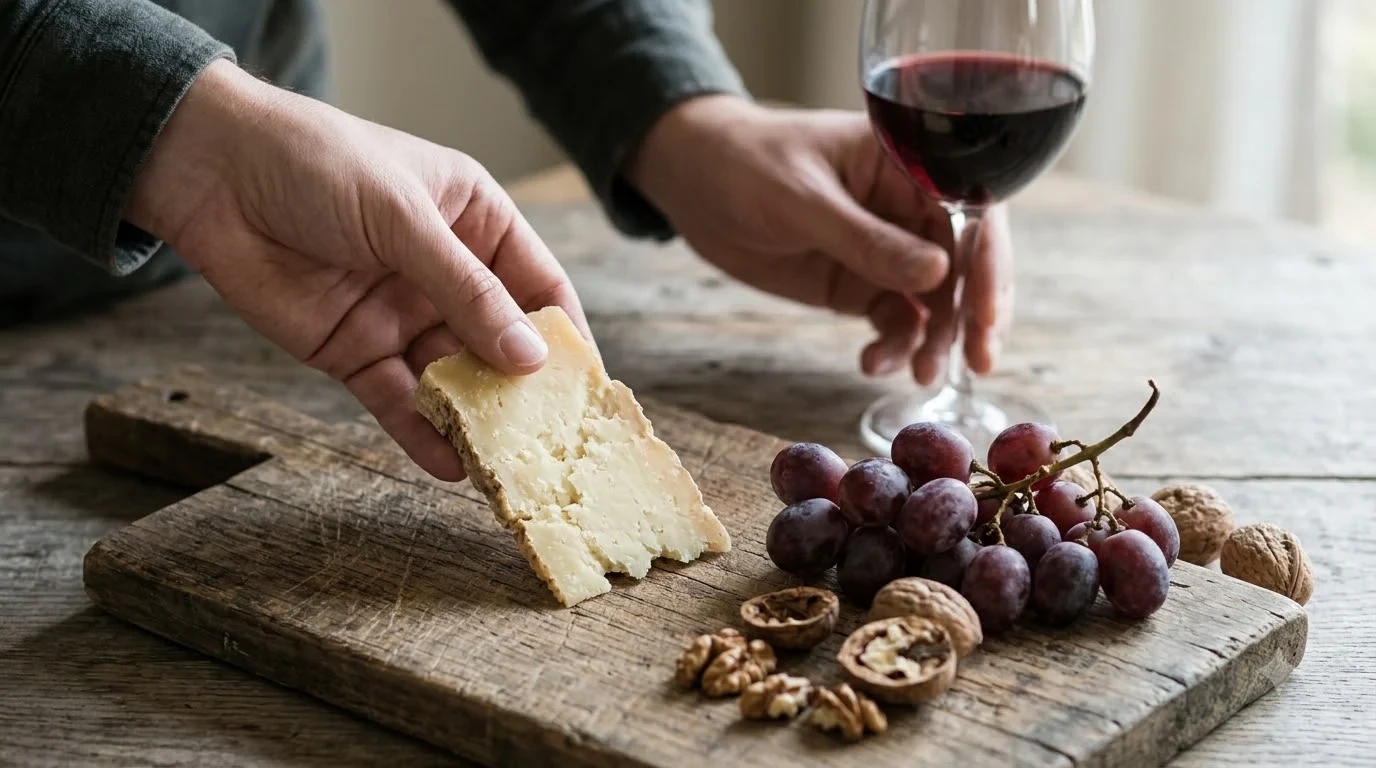
Pick Primitivo when serving rich, saucy Italian comfort food, smoky barbecue, or an evening cheese board featuring aged Pecorino and Parmigiano-Reggiano. A bottle labeled Primitivo di Manduria delivers maximum warmth and dried-fig richness, whereas Salento IGT—covering Puglia’s southern peninsula where Adriatic Sea breezes temper daytime heat, according to Wine Enthusiast—offers an easy-drinking middle ground between lush fruit and savory spice.
Frequently Asked Questions
Is Primitivo sweeter than Malbec?
Both Malbec and Primitivo are fermented dry, meaning neither contains significant residual sugar in standard table-wine bottlings. Primitivo tastes sweeter on the palate because its higher alcohol and tiny proportion of sun-raisined berries create a ripe, jammy impression, whereas Primitivo di Manduria Dolce Naturale is a separate, genuinely sweet fortified-style dessert wine.
Does Malbec or Primitivo age better in a wine cellar?
Top-tier French Cahors Malbec and high-altitude Argentine reserve Malbec generally age longer over a decade or more because higher acidity and thicker-skinned tannins preserve freshness as fruit fades into leather and cedar. Most everyday Primitivo is crafted for drinking within a few years of vintage, though rare old-vine alberello bottlings from Puglia can evolve in the cellar for years.
What glass shape works best for serving Malbec and Primitivo?
A large Bordeaux-style red wine glass with a tall bowl and broad rim works best for both wines. The generous bowl gives Malbec’s dense dark fruit room to aerate while diffusing the alcohol vapors of high-ABV Primitivo before they reach the nose.
Why do some Italian labels say Primitivo and others say Zinfandel?
DNA profiling proved that Italian Primitivo and California Zinfandel are clones of the same Croatian grape variety, Crljenak Kaštelanski. European Union labeling regulations allow Puglian winemakers to print Zinfandel on bottles exported to markets like the United States, even though the wine inside comes from southern Italian vineyards.
Can Malbec and Primitivo be blended with other grapes?
Yes, winemakers frequently blend both grapes to add color, body, or structure. According to the Wine & Spirit Education Trust, Malbec is regularly blended with Cabernet Sauvignon, Merlot, Cabernet Franc, Petit Verdot, and Bonarda in Argentina and California Meritage wines, while Puglian producers often blend Primitivo with Negroamaro to boost acidity and dark-berry structure.
Both Malbec and Primitivo deliver bold color, generous dark fruit, and dependable value without requiring years of patience in the cellar. Whether a meal calls for the mountain-fresh plum and velvety grip of an Argentine Malbec or the sun-warmed berry richness and black-pepper finish of a Puglian Primitivo, matching the bottle’s regional style to the dish guarantees a crowd-pleasing pour.
More in Wine vs Wine
 Chenin Blanc vs Pinot Gris: Acidity, Body, and Pairing DifferencesUpdated Nov 20, 2026
 Chianti vs Lambrusco: How Tuscany and Emilia-Romagna Reds CompareUpdated Nov 20, 2026
 Chianti vs Primitivo: Key Differences in Taste, Body, and PairingUpdated Nov 20, 2026
 Chianti vs Rioja: Key Differences in Taste, Aging, and PairingUpdated Nov 20, 2026
 Chianti vs Shiraz: How Acidity, Body, and Food Pairings CompareUpdated Nov 20, 2026
 Chianti vs Syrah: Key Differences in Taste, Body, and Food PairingUpdated Nov 20, 2026