

We may earn a commission when you buy through links on this page, at no extra cost to you. Learn more.
When comparing pinot noir vs rioja, the biggest difference is that Pinot Noir is a single thin-skinned red grape known for light-to-medium body and bright red fruit, while Rioja is a Spanish wine region whose reds are blends built on thick-skinned Tempranillo. Pinot Noir delivers silky low-to-medium tannins, brisk acidity, and subtle French oak, whereas Rioja brings firmer tannins, savory leather and dried fruit notes, and pronounced vanilla or spice from regulated oak barrel aging. Choose Pinot Noir for delicate dishes like roast salmon, duck, or mushroom risotto, and reach for Rioja when serving lamb, chorizo, aged Manchego, or rich tomato stews.
Shoppers often cross-shop these two bottles because both offer high food versatility, refreshing acidity, and earthy complexity rather than heavy jammy sweetness. Understanding how each wine gets its structure—grape genetics for Pinot Noir versus regional blending and barrel laws for Rioja—makes picking the right bottle straightforward.
Grape Variety vs. Regional Appellation: What You Are Actually Buying
Pinot Noir is a single Vitis vinifera grape variety bottled almost always as a 100 percent varietal wine, whereas Rioja is a protected Denominación de Origen Calificada (DOCa) region in northern Spain that produces multi-grape blends. Reading the front label tells you the grape in one case and the geographic origin in the other.
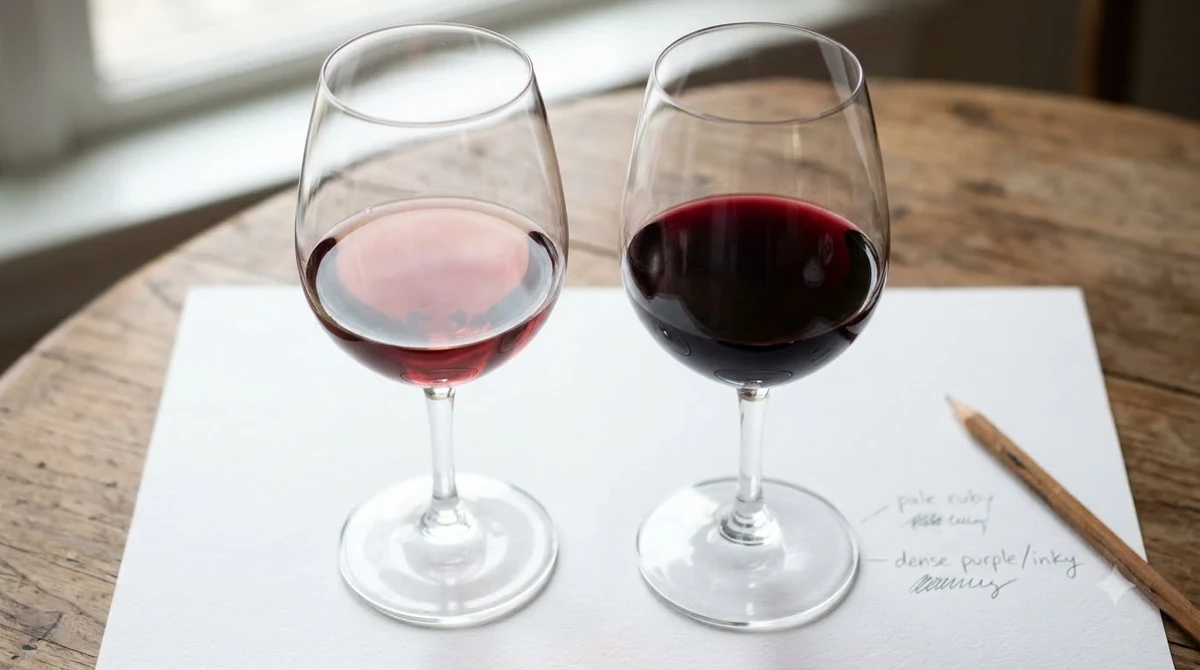
According to Wine Enthusiast, Pinot Noir takes its name from the French words for pine and black, describing its tight, cone-shaped clusters of dark, thin-skinned berries. Because the grape is genetically unstable—with more than 1,000 registered clones and color mutations like Pinot Gris and Pinot Blanc—winemakers rely on single-vineyard site selection and gentle handling rather than blending partners. Across roughly 260,647 global vineyard acres, led by France at 78,090 acres and the United States at 56,829 acres, Pinot Noir remains an unmistakable varietal showcase.
Rioja works on the opposite principle. Located in North Central Spain along a 62-mile stretch of the Ebro River valley, the DOCa Rioja appellation spans three autonomous communities, with roughly 69 percent of vineyards in La Rioja and the rest in Álava and Navarra. Rather than highlighting a single variety, traditional red Rioja blends indigenous Tempranillo—which provides dark fruit, structure, and aging stamina—with smaller portions of Garnacha for plush berry juiciness, Graciano for floral acidity, and Mazuelo (Cariñena) for color and grip.
Pinot Noir vs. Rioja: Side-by-Side Comparison
Pinot Noir sits in the light-to-medium red category with lower tannins and higher transparency, while Rioja spans medium-to-full body with firmer tannins and longer mandatory wood aging. Reviewing their core structural numbers side by side clarifies how differently they behave in the glass.
| Attribute | Pinot Noir | Red Rioja (DOCa) |
|---|---|---|
| Primary Grape | 100% Pinot Noir | Tempranillo blend (with Garnacha, Graciano, Mazuelo) |
| Body Weight | Light to medium | Medium to full (varies by aging tier) |
| Tannin Level | Low to medium (silky, fine-grained) | Medium-plus to high (firm, structured) |
| Acidity | High (bright and mouthwatering) | Medium-plus to high (savory and lifted) |
| Typical ABV | 12% to 15% (12%–13.5% in cool zones) | 13% to 14.5% |
| Oak Regimen | Optional; mostly neutral or lightly toasted French oak | Legally mandated in Crianza (12+ mos) to Gran Reserva (24+ mos) |
| Core Flavors | Red cherry, raspberry, cranberry, mushroom, rose, forest floor | Blackberry, plum, dried fig, vanilla, coconut, leather, tobacco |
| Ideal Serving Temp | 55°F to 60°F | 60°F to 65°F (young Genérico near 58°F) |
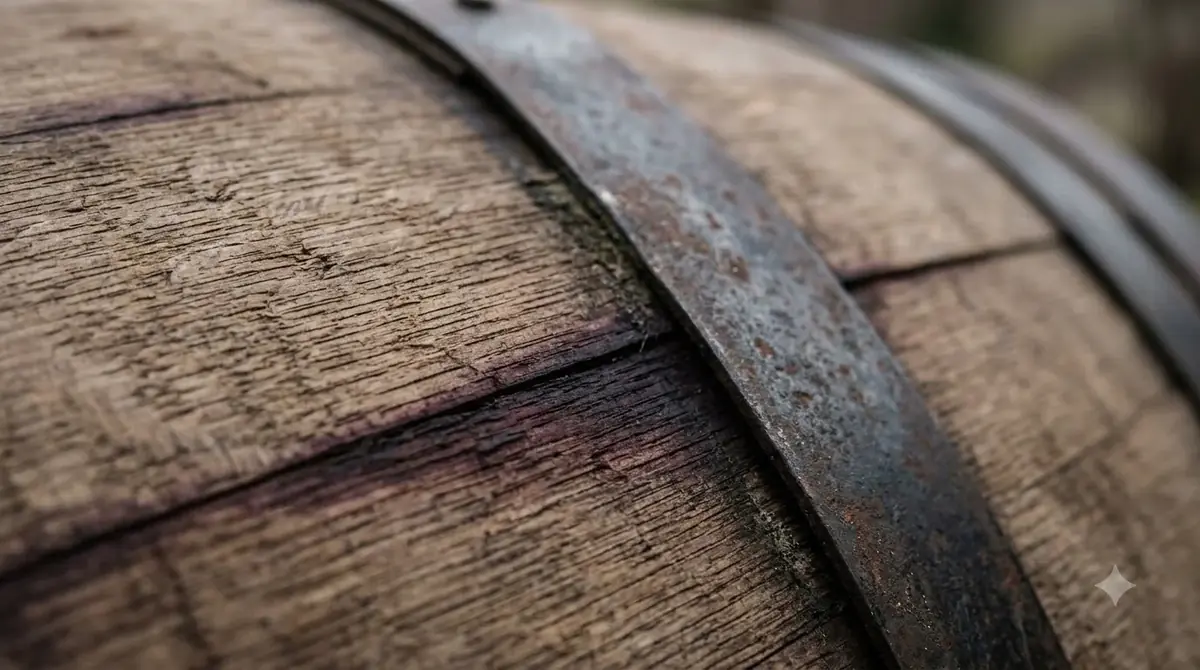
Notice that both wines share brisk natural acidity, which explains why neither feels syrupy on the palate. The divergence comes from skin thickness and barrel time: Pinot Noir’s fragile skin contributes minimal phenolic grip, whereas Tempranillo’s thicker skin and extended oak maturation build a firmer, drier finish.
Flavor Profile, Tannins, and Oak Influence
Pinot Noir emphasizes fresh red berries, floral aromatics, and damp earth over restrained French oak, while Rioja layers dark plum and dried cherry under prominent vanilla, dill, and leather notes from extended barrel aging. Winemaking philosophy shapes these flavor differences almost as much as vineyard climate.
How Pinot Noir Balances Fruit and Earth
In cool regions such as Burgundy’s Côte de Nuits, Oregon’s Willamette Valley, and Germany’s Ahr, Pinot Noir develops tart cranberry, sour cherry, hibiscus, and wet forest floor aromas. Warmer coastal zones like California’s Russian River Valley or Central Otago in New Zealand push the grape toward riper black cherry, raspberry, and cola spice, raising alcohol from 12.5 percent closer to 14.5 percent. Winemakers typically mature Pinot Noir in French oak barrels—often using only 15 to 35 percent new wood—so subtle clove and toast support the fruit without masking delicate aromatics.
How Rioja’s Oak Laws Shape Taste
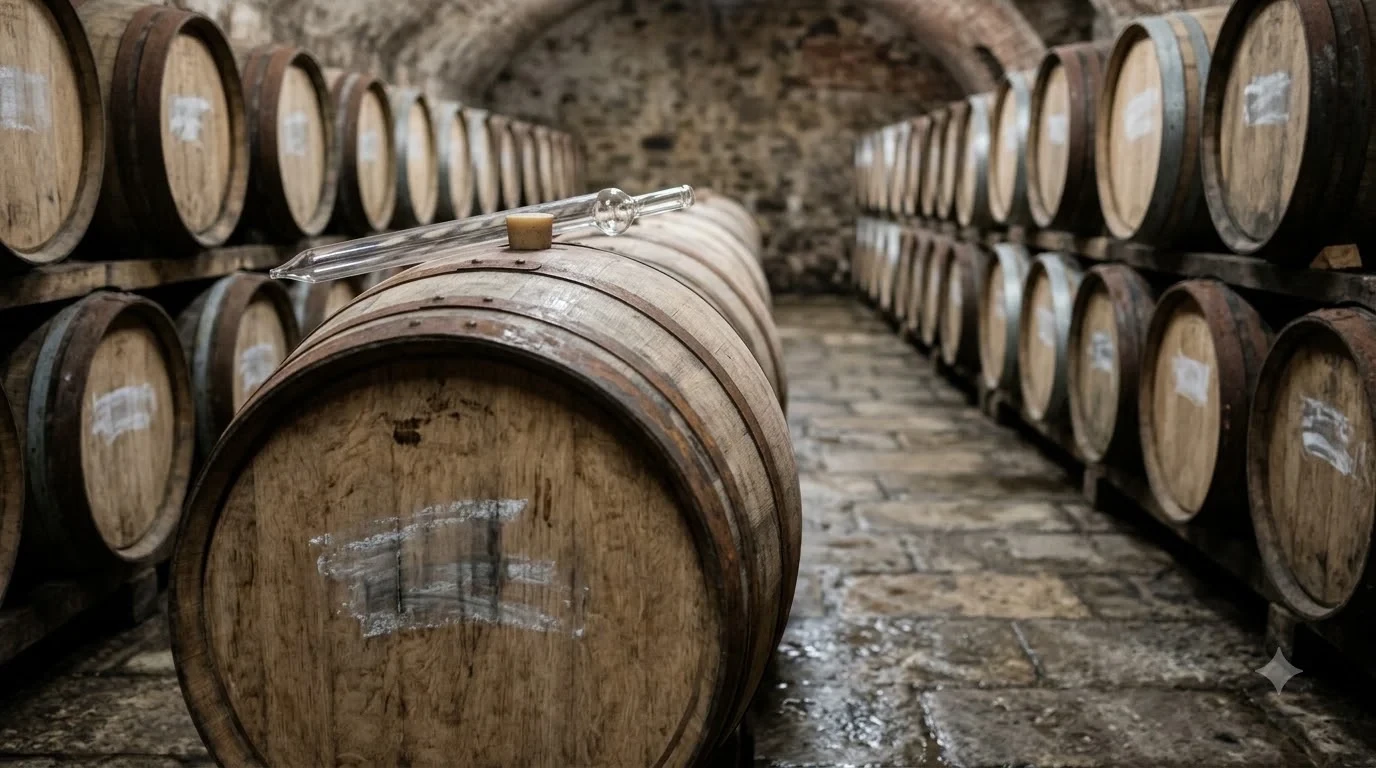
According to Wine Folly, the Consejo Regulador DOCa Rioja enforces strict aging tiers that directly dictate flavor and tannin texture. Traditional Rioja producers mature wines in 225-liter American oak barrels, which impart distinct aromas of sweet vanilla, coconut, cedar, and baking spice while softening Tempranillo’s angular tannins through slow micro-oxygenation. Even modern producers who favor tighter-grained French oak still rely on multi-year barrel and bottle rest to turn fresh black fruit into savory notes of leather, cigar box, and dried fig.
Tip: If you enjoy Pinot Noir’s bright cherry core but want a slightly fuller Spanish red without heavy vanilla oak, look for a young Rioja Genérico or a single-village bottling from high-elevation Rioja Alta or Rioja Alavesa.
Key Regions and Aging Tiers That Change the Style
Pinot Noir changes style primarily by geographic climate—from earthy Burgundy to plush California—while Rioja changes style primarily by legal aging classification from Genérico to Gran Reserva. Knowing which label cues to scan prevents surprises when uncorking a bottle.
Pinot Noir Benchmark Regions
Because Pinot Noir reflects soil and temperature with extreme sensitivity, origin dictates weight and tannin. In Burgundy, communes like Chambolle-Musigny yield perfumed, silky reds on limestone and clay, while iron-rich soils in Pommard produce firmer, darker expressions. Oregon offers brisk acidity with Bing cherry and truffle undertones, whereas Sonoma Coast and Santa Barbara deliver riper red fruit and rounder texture. Drinkers who love Pinot Noir’s translucent color and high acidity often explore other thin-skinned or high-acid reds covered in Wine vs Wine guides, including comparisons of nebbiolo vs pinot noir when looking for firmer structural grip.
Rioja’s Four Aging Classifications and Three Subzones
Every red Rioja carries an official back-label seal from the Consejo Regulador certifying its maturation timeline:
- Genérico (formerly Joven): Accounting for roughly 40 percent of Rioja production, these wines have no minimum oak requirement and are released in their first or second year with vibrant, juicy berry fruit.
- Crianza: Aged at least two years total before release, including a minimum of 12 months in oak barrels, balancing fresh red and black fruit with gentle toast and spice.
- Reserva: Crafted from stronger harvests and aged at least three years total—with at least 12 months in oak casks and the rest in bottle—shifting the profile toward dried cherry, tobacco, and supple tannins.
- Gran Reserva: Produced only in exceptional vintages and representing roughly 2 percent of Rioja output, aged a minimum of two years in oak and three years in bottle (five years total) for complex leather, fig, and cedar depth.
Subzone origin also refines Rioja’s weight. High-altitude Rioja Alta and limestone-rich Rioja Alavesa sit in cooler northwestern pockets shielded by the Sierra Cantabria mountains, yielding fresher acidity and finer tannins, whereas warmer, drier Rioja Oriental in the east produces riper, fuller-bodied reds with generous Garnacha fruit.
Food Pairing: Matching Each Bottle to Your Menu
Pinot Noir pairs best with delicate meats, earthy mushrooms, and fatty fish because its low-to-medium tannins will not overwhelm subtle proteins, while Rioja shines alongside smoky grilled meats, cured pork, and aged cheeses that tame Tempranillo’s firmer grip. Matching protein weight and fat level to each wine’s tannin structure prevents clashes at the table.
Pinot Noir’s high acidity and gentle tannin load make it one of the few red wines that works cleanly with oily fish such as cedar-plank salmon or seared tuna, where heavier tannins would trigger a metallic aftertaste. Pinot Noir’s forest-floor and red-berry notes create natural harmony with wild mushroom risotto, herb-roasted chicken, duck breast, pork tenderloin, and soft bloomy-rind cheeses like Brie or Camembert. When dishes lean toward spicy chili heat, keep Pinot Noir on the cooler, lower-alcohol end—below 13.5 percent ABV—since high alcohol and firm tannins amplify capsaicin burn.
Rioja’s savory acidity and structured tannins call for richer, fattier, or smokier fare. Salt and animal fat physically bind to tannins and soften their drying sensation, making Rioja Reserva or Gran Reserva an ideal partner for roasted rack of lamb, grilled ribeye, pork belly, and chorizo tapas. Aged sheep’s milk Manchego, Jamón Serrano, and slow-simmered tomato-based pasta or bean stews also mirror Rioja’s herbal and leathery complexity. For lighter tapas or weeknight tacos, a fruit-forward Rioja Crianza bridges the gap without overpowering the plate.
Serving Temperature, Glassware, and Decanting
Serve Pinot Noir slightly chilled at 55°F to 60°F in a wide-bowled Burgundy glass to concentrate delicate floral aromatics, and serve aged Rioja at 60°F to 65°F in a taller Bordeaux-style glass so its savory oak and dark fruit notes open evenly. Getting temperature and aeration right prevents Pinot Noir from tasting flabby and keeps young Rioja from feeling overly tight.
Because Pinot Noir can reach higher alcohol levels in warmer regions, serving it at warm room temperature (above 68°F) accentuates alcohol heat and flattens its crisp cranberry and cherry lift. Chilling the bottle briefly in a refrigerator before pouring brings it right into the 55°F to 60°F sweet spot. A wide, balloon-shaped bowl gives Pinot Noir surface area to release volatile rose and berry esters, and pouring a standard 5-ounce serving—five glasses per 750 ml bottle—leaves plenty of headroom for swirling. Young, structured Pinot Noir from Burgundy or Oregon benefits from brief decanting, while fragile older vintages should be poured gently without extended air exposure.
Rioja’s serving routine depends on its aging classification. A young Rioja Genérico or fruit-driven Crianza tastes liveliest near 58°F to 60°F, whereas a full-bodied Reserva or Gran Reserva shows its cedar, dried fig, and tobacco nuances best between 60°F and 65°F. Young Reserva wines often carry firm tannins that soften noticeably after decanting. By contrast, mature Gran Reserva bottles—already aged at least five years before release under DOCa Rioja rules—require only brief breathing in the glass to shed bottle-age tightness without losing delicate tertiary aromatics.
How to Choose Between Pinot Noir and Rioja
Pick Pinot Noir when you want bright red fruit, silky texture, and subtle wood influence for lighter poultry, salmon, or mushroom dishes, and pick Rioja when you want deeper dark fruit, noticeable vanilla or spice oak notes, and firmer tannins for red meat, tapas, or hearty stews. Both styles reward curiosity, and choosing between them comes down to four practical cues.
- Choose Pinot Noir for finesse and versatility: If dinner features mixed dishes—such as roast turkey, salmon, and earthy vegetable sides—Pinot Noir’s low tannins and high acidity bridge contrasting flavors without dominating the meal.
- Choose Rioja for structured value and oak complexity: Because DOCa Rioja rules require wineries to age Reserva and Gran Reserva bottles for at least three to five years before release, Rioja delivers ready-to-drink tertiary leather and spice character straight off the retail shelf.
- Explore adjacent styles when narrowing your palate: Drinkers drawn to Pinot Noir’s plush red-berry side can compare grenache vs pinot noir to see how Garnacha adds body and spice, while those craving crisp citrus refreshment on warm afternoons can check pinot noir vs sauvignon blanc for a high-acid white alternative.
Frequently Asked Questions
Can Rioja be made as a white or rosé wine instead of red?
Yes, while red wines represent the vast majority of DOCa Rioja production, the appellation also certifies white (Rioja Blanco) and rosé (Rioja Rosado) wines. White Rioja is built primarily on the indigenous Viura (Macabeo) grape alongside Malvasía and Garnacha Blanca, ranging from crisp unoaked bottles to rich, nutty barrel-fermented styles aged under the same Crianza, Reserva, and Gran Reserva laws.
Is Tempranillo the exact same wine as Rioja?
No, Tempranillo is an indigenous Spanish red grape variety, whereas Rioja is a regulated wine region where Tempranillo serves as the anchor grape in regional blends. Spanish wineries in other regions—such as Ribera del Duero and Toro—also bottle Tempranillo, often as 100 percent varietal wines with darker color and heavier extraction than classic Rioja blends.
Which wine ages longer in a home cellar, Pinot Noir or Rioja?
Both wines can age for decades at the top level, though Rioja Gran Reserva typically arrives at the store already mature and ready to drink after five or more years of winery aging. Top-tier Burgundian Premier Cru and Grand Cru Pinot Noir bottles often benefit from a decade or more in a cool cellar around 55°F to soften their youthful acidity and develop savory truffle and leather complexity.
Why do some Rioja bottles have a gold wire mesh wrapped around the glass?
The decorative gold wire netting found on traditional Rioja Reserva and Gran Reserva bottles originated in the nineteenth century as an anti-counterfeiting measure. Producers like Marqués de Riscal added the mesh so buyers could verify that an authentic aged Rioja had not been refilled with cheaper wine, and several historic bodegas keep the tradition alive today.
How long do opened bottles of Pinot Noir and Rioja stay fresh in the fridge?
Recorked and stored upright in a refrigerator, both still red wines stay fresh for several days before oxidation dulls their fruit. Because Pinot Noir has thinner skins and lower protective tannins than oak-aged Rioja, it tends to fade sooner, whereas a structured Rioja Reserva holds its savory flavor longer once warmed back to serving temperature.
Pinot Noir and Rioja represent two classic approaches to food-friendly red wine: varietal delicacy driven by cool climates and thin skins versus regional blending shaped by Tempranillo and patient oak maturation. Keeping a bottle of each on hand ensures you have the right match whether dinner calls for herb-roasted salmon or slow-cooked lamb.
More in Wine vs Wine
 Chenin Blanc vs Pinot Gris: Acidity, Body, and Pairing DifferencesUpdated Nov 20, 2026
 Chianti vs Lambrusco: How Tuscany and Emilia-Romagna Reds CompareUpdated Nov 20, 2026
 Chianti vs Primitivo: Key Differences in Taste, Body, and PairingUpdated Nov 20, 2026
 Chianti vs Rioja: Key Differences in Taste, Aging, and PairingUpdated Nov 20, 2026
 Chianti vs Shiraz: How Acidity, Body, and Food Pairings CompareUpdated Nov 20, 2026
 Chianti vs Syrah: Key Differences in Taste, Body, and Food PairingUpdated Nov 20, 2026