

We may earn a commission when you buy through links on this page, at no extra cost to you. Learn more.
The core difference in primitivo vs sangiovese comes down to dark, jammy warmth versus bright, savory acidity. Primitivo from southern Italy delivers a fuller body, lush blackberry and fig flavors, velvety tannins, and higher alcohol that often reaches 14 to 16 percent ABV. Sangiovese from central Italy pours lighter in color with mouth-watering acidity, tart red cherry, dried herbs, and firmer, grippier tannins around 12 to 13.5 percent ABV.
Both grapes belong to Italy’s signature red wine heritage, yet they come from opposite ends of the peninsula and serve very different roles at the dinner table. Knowing how climate, regional rules, and structure separate these two reds makes choosing between a bottle of Primitivo di Manduria and a Chianti Classico straightforward.
Side-by-Side Comparison of Primitivo and Sangiovese
Primitivo and Sangiovese sit on opposite ends of the Italian red wine spectrum in alcohol strength, acidity, and fruit profile. While Primitivo leans toward ripe dark fruit and plush weight, Sangiovese prioritizes crisp acidity and savory herbal complexity.
| Feature | Primitivo | Sangiovese |
|---|---|---|
| Primary Italian Region | Puglia (Southern Italy) | Tuscany and Emilia-Romagna (Central Italy) |
| Typical Body | Full-bodied | Medium- to full-bodied |
| Acidity Level | Medium | High |
| Tannin Profile | Medium, velvety | Medium-plus to high, firm |
| Typical Alcohol (ABV) | 13.5% – 16% | 12% – 14% |
| Core Fruit Flavors | Blackberry, ripe plum, fig, jam | Sour cherry, red plum, strawberry |
| Savory & Secondary Notes | Black pepper, anise, vanilla, sweet spice | Tomato leaf, oregano, black tea, leather |
| Famous Appellations | Primitivo di Manduria DOC, Gioia del Colle DOC | Chianti Classico DOCG, Brunello di Montalcino DOCG |
These structural differences come down to how each grape ripens in the vineyard. Primitivo—whose name stems from the Italian word for “early”—buds late and ripens early, accumulating high sugar levels under the southern sun that ferment into higher alcohol and a perception of ripe sweetness even in dry bottlings. Sangiovese ripens late in the growing season, preserving sharp natural acidity and firm skin tannins even as flavors mature.
Color in the glass offers an immediate visual clue before the first sip. Primitivo pours an opaque, deep ruby-purple, whereas Sangiovese has a translucent ruby-garnet hue that often shows brick-orange edges after a few years in barrel or bottle.
How Primitivo and Sangiovese Taste in the Glass
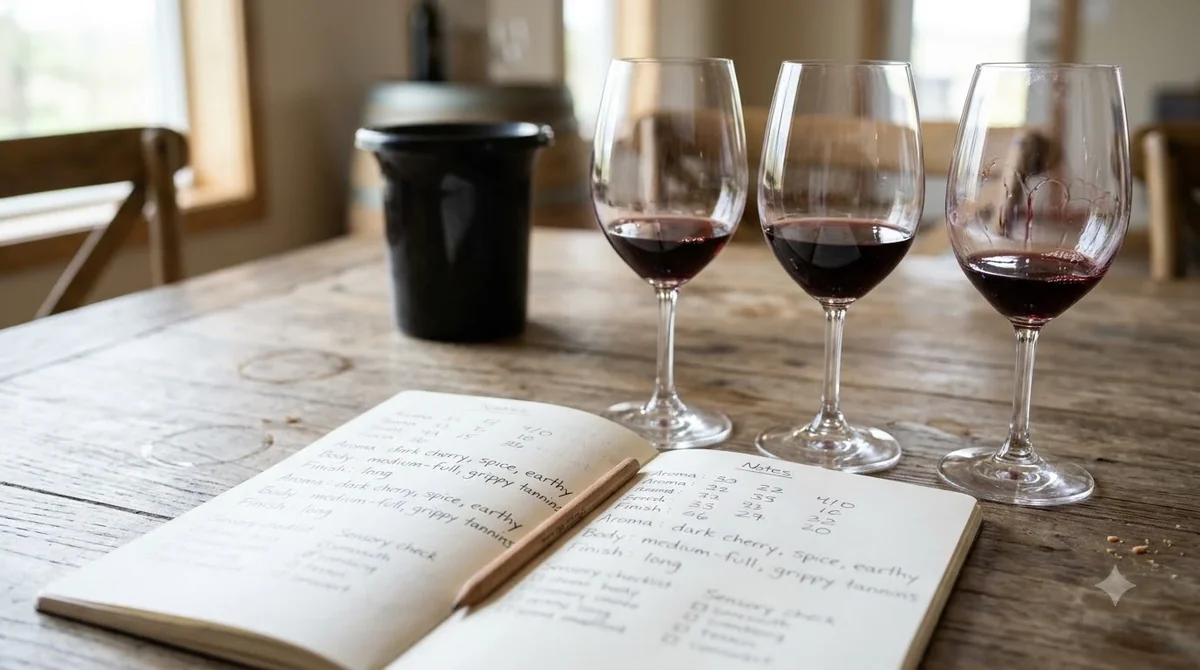
In the glass, Primitivo emphasizes plush dark fruit and warm spice, whereas Sangiovese highlights tart red fruit and earthy, savory tones. Tasting them side by side shows how fruit ripeness and acidity shape mouthfeel.
Primitivo Flavor Profile and Texture
A classic Primitivo opens with aromas of blackberry jam, cooked plum, dried fig, and sweet baking spices like cinnamon and clove. According to Wine Enthusiast, warm flatland vineyards near the Ionian Sea yield rich wines with notes of liquor-soaked berries and orange rind, often rounded out by oak aging. On the palate, the wine feels broad and coating, with soft, velvety tannins and a warming finish driven by alcohol levels between 14 and 16 percent.
Winemaking choices shift that profile from opulent to lively. Producers who age Primitivo in French or American oak barrels emphasize vanilla, cocoa, and toast, while bottlings matured in glass-lined cement tanks—such as Rivera’s Triusco Primitivo di Manduria—highlight fresh red berries, mentholated herbs, and violets alongside zesty acidity.
Sangiovese Flavor Profile and Texture
Sangiovese leads with high-toned red fruit—specifically sour Montmorency cherry, cranberry, and red plum—framed by savory non-fruit notes. As VinePair notes, classic Sangiovese layers tart cherry with dried herbs like rosemary, thyme, and fennel, alongside distinctive hints of roasted tomato, iron, balsamic, and dark clay minerality.
The texture feels brisk and structured rather than heavy. Sangiovese’s high natural acidity makes the mouth water immediately, while medium-plus to high tannins create a drying grip across the gums. With bottle age or maturation in large Slavonian oak casks, those bright fruit notes evolve into black tea, dried tobacco, leather, and cocoa.
Tip: If a label says “dry” on Primitivo yet the wine tastes slightly sweet, that impression comes from ripe fruit glycerol and 14.5 to 15.5 percent alcohol rather than high residual sugar. Check the back label for the ABV percentage to gauge how rich and warming a bottle will feel.
Key Italian Regions and Famous Appellations
Primitivo is anchored in Puglia on Italy’s southeastern heel, while Sangiovese dominates Tuscany and Emilia-Romagna in central Italy. Regional elevations, soils, and DOC or DOCG rules produce distinct styles within each grape.
Where Primitivo Thrives in Puglia
Puglia stretches more than 200 miles along the Adriatic and Ionian seas, and three appellations define most of the Primitivo exported to the United States:
- Primitivo di Manduria DOC: Located across 15 municipalities in Taranto province and 3 in Brindisi province, this low-lying coastal zone features calcareous, tufaceous, and clay soils. Under the Primitivo di Manduria DOC production code, dry table wines require a minimum of 14 percent alcohol and at least 5 grams per liter of total acidity, creating full-bodied, velvety reds.
- Gioia del Colle DOC: Situated inland in the province of Bari at elevations between 650 and 1,400 feet on gravelly terra rossa soils, cooler nights preserve crisp acidity. These bottles emphasize crunchy cherry, blackberry, and black pepper with restrained oak.
- Salento IGT: Covering the southern peninsula of Puglia, constant Adriatic sea breezes moderate summer heat, yielding approachable, fruit-forward Primitivo at everyday value.
Where Sangiovese Thrives in Central Italy
Sangiovese—whose name translates from Latin as “blood of Jove”—is Italy’s most planted red grape and takes on different personalities across central Italian hills:
- Chianti DOCG and Chianti Classico DOCG: Chianti DOCG spans northern Tuscany and requires at least 70 percent Sangiovese, producing fresh, high-acid reds meant for early drinking. Chianti Classico DOCG covers the historic heart between Florence and Siena; according to the Consorzio Vino Chianti Classico, Annata requires at least 80 percent Sangiovese, 12 percent ABV, and 12 months of aging, while Gran Selezione requires at least 90 percent estate-grown Sangiovese, 13 percent ABV, and 30 months of maturation.
- Brunello di Montalcino DOCG: Grown on higher-elevation galestro hills south of Siena, Brunello must be 100 percent Sangiovese (locally called the Brunello clone) and ages at least four years—including two years in oak—before release, yielding powerful, age-worthy wines.
- Vino Nobile di Montepulciano DOCG and Morellino di Scansano DOCG: Vino Nobile uses at least 70 percent of the Prugnolo Gentile clone with two years of aging, while coastal Morellino di Scansano in Maremma produces plush, juicy Sangiovese eligible for release just six months after harvest.
Readers comparing Tuscan reds can explore how Sangiovese stacks up against other central Italian grapes in montepulciano vs sangiovese or browse broader grape matchups in the Wine vs Wine library.
Acidity, Tannins, and Alcohol: How Structure Shapes Each Wine
The clearest way to separate primitivo vs sangiovese is through structural balance: Primitivo relies on alcohol and ripe fruit weight, while Sangiovese relies on crisp acidity and firm tannins. Understanding these three pillars helps predict how each bottle behaves in the glass.
Acidity drives Sangiovese’s identity. According to the Consorzio Vino Chianti Classico, Chianti Classico wines must maintain a minimum total acidity of 4.5 grams per liter, and many hillside bottlings sit noticeably higher, giving the wine a zesty snap that refreshes the palate between bites. Primitivo di Manduria requires at least 5 per thousand (5 grams per liter) total acidity in its production disciplinarian, yet its higher alcohol and dense fruit extract soften the perception of tartness, resulting in a rounder, smoother mouthfeel.
Tannin structure also moves in opposite directions. Sangiovese has medium-plus to high tannins that feel fine-grained yet assertive, especially in young Chianti Classico Riserva or Brunello di Montalcino, where two years of oak maturation and four to five years of total aging help integrate the grip. Primitivo carries medium tannins that feel plush and velvety early on, making most bottles approachable within one to three years of harvest without needing a decade in the cellar.
Food Pairing: Matching Primitivo and Sangiovese to Dinner
Primitivo pairs best with smoky, sweet-savory, and heavily spiced meats that match its plush fruit and 14 to 16 percent ABV, while Sangiovese shines alongside acidic tomato dishes, herbs, and fatty roasts. Matching the wine’s dominant structural trait to the sauce and cooking method prevents clashes at the table.
Best Food Pairings for Primitivo
Because Primitivo carries ripe blackberry, fig, and sweet spice flavors with velvety tannins, it stands up to rich glazes, charred crusts, and bold seasonings without turning bitter:
- Barbecue and smoked meats: Pulled pork, smoked beef brisket, and baby back ribs brushed with tomato-molasses barbecue sauce mirror Primitivo’s dark fruit and sweet oak notes.
- Braised and roasted meats: Slow-cooked lamb shanks, beef short ribs, and grilled pork chops seasoned with fennel seed, black pepper, and rosemary match the wine’s full body and warming finish.
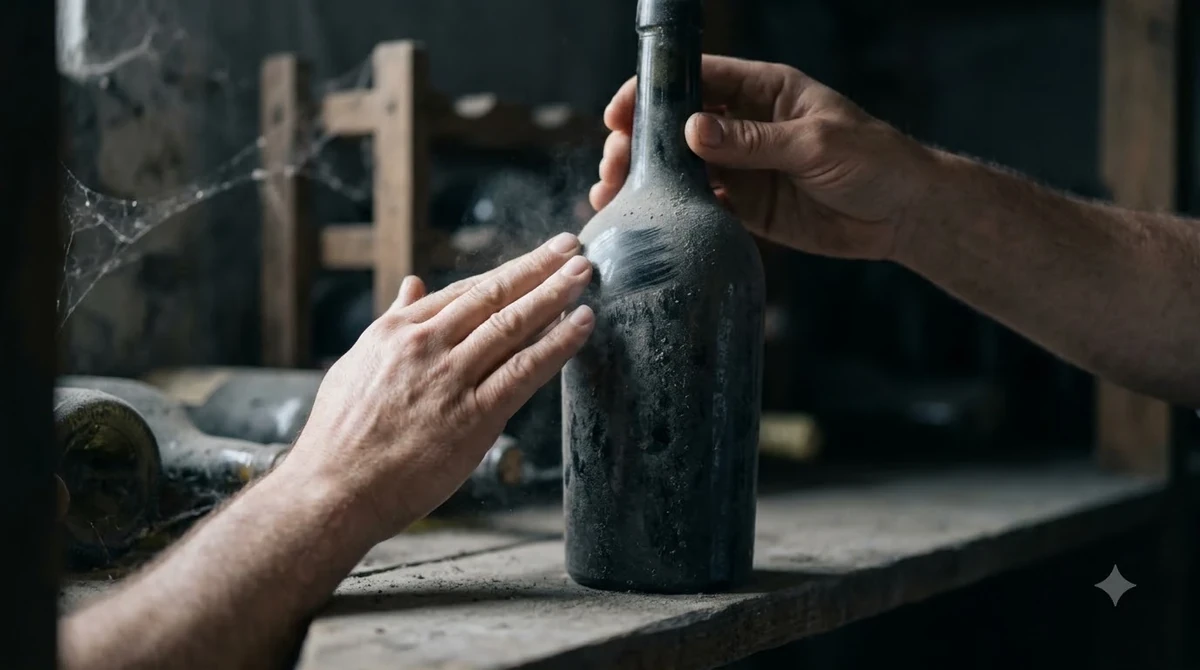
- Aged cheeses and hearty pastas: Aged Pecorino, sharp cheddar, and baked pasta al forno with sausage and mushrooms soften Primitivo’s alcohol while letting its plush fruit shine.
Avoid pairing high-alcohol Primitivo di Manduria with very spicy chili-heavy dishes or delicate white fish, as high alcohol amplifies chili heat and overwhelms light proteins.
Best Food Pairings for Sangiovese
Sangiovese’s high natural acidity—mandated at a minimum total acidity of 4.5 grams per liter under the Chianti Classico DOCG production regulations—and savory notes of roasted tomato and dried herbs make it one of the most versatile dinner wines in the world:
- Tomato-based pasta and pizza: Spaghetti alla marinara, rigatoni all’amatriciana, lasagne alla Bolognese, and Neapolitan Margherita pizza need a wine with equal or higher acidity so the red sauce does not make the wine taste flat.
- Grilled steak and roasted poultry: Bistecca alla Fiorentina, herb-crusted roast chicken, and grilled sausages use protein and fat to tame Sangiovese’s firm tannins.
- Earthy vegetarian dishes: Wild mushroom risotto, grilled eggplant parmigiana, and white bean ragu echo the earthy, balsamic, and black tea nuances of aged Chianti Classico or Brunello di Montalcino.
Readers who enjoy high-acid Italian reds with tomato dishes can also compare Sangiovese with Piedmont’s top everyday red in barbera vs sangiovese or see how Tuscan reds stack up against Spanish Rioja in sangiovese vs tempranillo.
Serving, Decanting, and Storage Guidelines
Serve both Primitivo and Sangiovese slightly below room temperature between 60 and 65°F, and decant young, structured bottles for 30 to 60 minutes before pouring. Proper temperature and aeration keep Primitivo’s alcohol balanced and soften Sangiovese’s firm tannins.
Temperature control matters even more for Primitivo than for Sangiovese. When Primitivo di Manduria at 15 or 16 percent ABV warms above 68°F, alcohol heat dominates the aroma and mutes the blackberry and spice notes; chilling the bottle in the refrigerator for 20 minutes before opening brings it into the ideal 60 to 65°F range. Lighter, unoaked Primitivo from Gioia del Colle or Salento tastes especially lively near 60°F.
Decanting timing depends on age and oak treatment. Young Brunello di Montalcino—which spends at least two years in oak and four years aging before release—and structured Chianti Classico Gran Selezione benefit from 45 to 60 minutes in a decanter to open up savory leather, tea, and cherry aromatics. Everyday Chianti DOCG, Morellino di Scansano, and stainless-steel or cement-aged Primitivo like Rivera Triusco are ready right after uncorking, while rich oaked Primitivo di Manduria opens nicely after 30 minutes of air.
Store unopened bottles on their sides in a dark, vibration-free space near 55°F to keep corks moist and prevent premature oxidation. Once opened, recork leftovers and refrigerate them at 40°F; both still reds hold their freshness for 3 to 5 days when chilled and recorked promptly.
How to Choose Between Primitivo and Sangiovese
Choose Primitivo if you want a full-bodied, fruit-forward red with soft tannins and a warm, rich finish, and choose Sangiovese if you prefer a crisp, savory, medium-to-full-bodied red built for food. Checking the appellation and alcohol percentage on the bottle makes matching your mood simple.
Reach for Primitivo when the menu features grilled burgers, smoky barbecue ribs, glazed pork tenderloin, or when you want a generous red wine to sip on its own without heavy food. Look for Primitivo di Manduria DOC (14 percent ABV and up) for maximum richness and velvet texture, or Gioia del Colle DOC (grown at 650 to 1,400 feet in Bari province) for brighter cherry fruit and peppery lift.
Reach for Sangiovese when serving anything with red tomato sauce, pizza, aged hard cheeses, or rich grilled beef. Pick Chianti DOCG or Morellino di Scansano DOCG for a lively, juicy weeknight bottle, Chianti Classico Riserva (aged at least 24 months) for deeper savory spice, or Brunello di Montalcino DOCG for a special-occasion dinner that rewards extra decanting time.
Frequently Asked Questions
Is Primitivo the same grape as California Zinfandel?
Yes, DNA profiling confirmed that Italian Primitivo and California Zinfandel are genetically identical clones of the Croatian grape Tribidrag (also known as Crljenak Kaštelanski). Despite sharing the same DNA, Puglian Primitivo often shows slightly earthier, more herbal and dried-fig notes than jammy California Zinfandel due to differences in Mediterranean soils, bush-vine training, and winemaking traditions.
Is Primitivo sweeter than Sangiovese?
Standard table versions of both Primitivo and Sangiovese are fermented dry, meaning they contain very little residual sugar. Primitivo simply tastes sweeter on the mid-palate because warm Puglian sunshine builds higher grape sugar that converts into 14 to 16 percent alcohol and glycerol, whereas Puglia also produces a separate sweet fortified-style dessert wine called Primitivo di Manduria Dolce Naturale DOCG.
Which wine ages longer in the cellar, Primitivo or Sangiovese?
Top-tier Sangiovese—especially Brunello di Montalcino DOCG (aged at least four years before release under Consorzio rules) and Chianti Classico Gran Selezione (aged at least 30 months)—ages significantly longer thanks to high acidity and firm skin tannins. Most Primitivo is crafted for vibrant fruit enjoyment within a few years of harvest, though Primitivo di Manduria Riserva requires at least 24 months of aging before release under DOC rules and can develop further in bottle.
How many glasses are in a standard bottle of Primitivo or Sangiovese?
A standard 750-milliliter bottle of either wine holds about 25.4 fluid ounces, which pours five standard 5-ounce glasses. Because Primitivo di Manduria often reaches 14 to 16 percent ABV under its DOC rules compared to 12 to 13.5 percent ABV for typical Chianti Classico, each 5-ounce glass of Primitivo delivers noticeably more alcohol per serving.
Can I find good Sangiovese or Primitivo grown outside Italy?
Yes, Sangiovese has established plantings outside Tuscany in Emilia-Romagna as well as Argentina, California, and Australian regions including McLaren Vale, King Valley, and Barossa. Primitivo is grown across California—often labeled as Zinfandel or Primitivo—and in warm regions of Australia and South Africa where dry, sunny summers mirror southern Puglia.
Comparing primitivo vs sangiovese highlights the remarkable diversity across Italy’s wine regions, from Puglia’s sun-drenched coast to Tuscany’s rolling limestone and clay hills. Whether tonight’s menu calls for a velvety, blackberry-packed Primitivo di Manduria or a bright, cherry-scented Chianti Classico, matching each grape’s natural structure to your meal ensures the best experience in the glass.
More in Wine vs Wine
 Chenin Blanc vs Pinot Gris: Acidity, Body, and Pairing DifferencesUpdated Nov 20, 2026
 Chianti vs Lambrusco: How Tuscany and Emilia-Romagna Reds CompareUpdated Nov 20, 2026
 Chianti vs Primitivo: Key Differences in Taste, Body, and PairingUpdated Nov 20, 2026
 Chianti vs Rioja: Key Differences in Taste, Aging, and PairingUpdated Nov 20, 2026
 Chianti vs Shiraz: How Acidity, Body, and Food Pairings CompareUpdated Nov 20, 2026
 Chianti vs Syrah: Key Differences in Taste, Body, and Food PairingUpdated Nov 20, 2026