

We may earn a commission when you buy through links on this page, at no extra cost to you. Learn more.
When comparing sauvignon blanc vs viognier, the defining difference is crisp, high-acid refreshment versus rich, low-acid floral weight. Sauvignon Blanc is a light-to-medium-bodied dry white wine driven by zesty citrus, green herbs, and mouthwatering acidity, while Viognier is a medium-to-full-bodied dry white known for an oily texture, higher alcohol, and intense stone-fruit and honeysuckle perfume. Both wines typically finish dry, yet their opposite structures call for completely different temperatures, glassware, and dinner pairings.
Standing in the white wine aisle, shoppers often confuse these two French varieties because both are famous for powerful aromatics that jump out of the glass. Beneath those bold scents, however, they sit at opposite ends of the white wine spectrum—making each suited to distinct palates and meals. Exploring more side-by-side Wine vs Wine comparisons makes it easier to match a bottle’s structure to what is on the table.
Sauvignon Blanc vs Viognier: Core Structural Differences
Sauvignon Blanc delivers lean body, brisk acidity, and moderate alcohol, whereas Viognier brings a broad, viscous mouthfeel, lower acidity, and higher alcohol. Understanding how those four structural pillars interact explains why one feels like biting into a fresh lime and the other feels like ripe peach nectar.
Chemically, the two grapes rely on completely different aroma families. According to Wine Enthusiast’s Sauvignon Blanc guide, Sauvignon Blanc owes its signature grassy, herbal, and green bell pepper notes to methoxypyrazines, alongside tropical thiols that emerge in sunnier climates. Viognier lacks those green compounds entirely, instead packing high levels of floral terpenes—specifically linalool, geraniol, and nerol—in its thick golden skins to create scents of honeysuckle, orange blossom, and tangerine.
Acid and alcohol further separate their feel on the palate. Sauvignon Blanc typically finishes between 12.5% and 14% alcohol by volume (ABV) with bright, high acidity that keeps every sip brisk and light on its feet. Viognier ripens to higher sugar levels in warm vineyards, commonly reaching 13.5% to 15% ABV with medium-low acidity, which gives the wine a plush, rounded weight across the mid-palate.
| Trait | Sauvignon Blanc | Viognier |
|---|---|---|
| Origin | Loire Valley and Bordeaux, France | Northern Rhône Valley (Condrieu), France |
| Sweetness | Typically dry (0–4 g carbs per 5 oz) | Typically dry (aromatics feel sweet) |
| Body | Light to medium | Medium to full (oily texture) |
| Acidity | High | Low to medium-low |
| Typical ABV | 12.5%–14% | 13.5%–15% |
| Primary Aromas | Lime, grapefruit, cut grass, passion fruit | Peach, apricot, honeysuckle, tangerine |
| Serving Temp | 45–50°F (50–55°F for oaked styles) | 50–55°F |
| Cellar Window | 1–5 years | 1–3 years (0–2 years for standard bottles) |
Aroma, Flavor, and Sweetness on the Palate
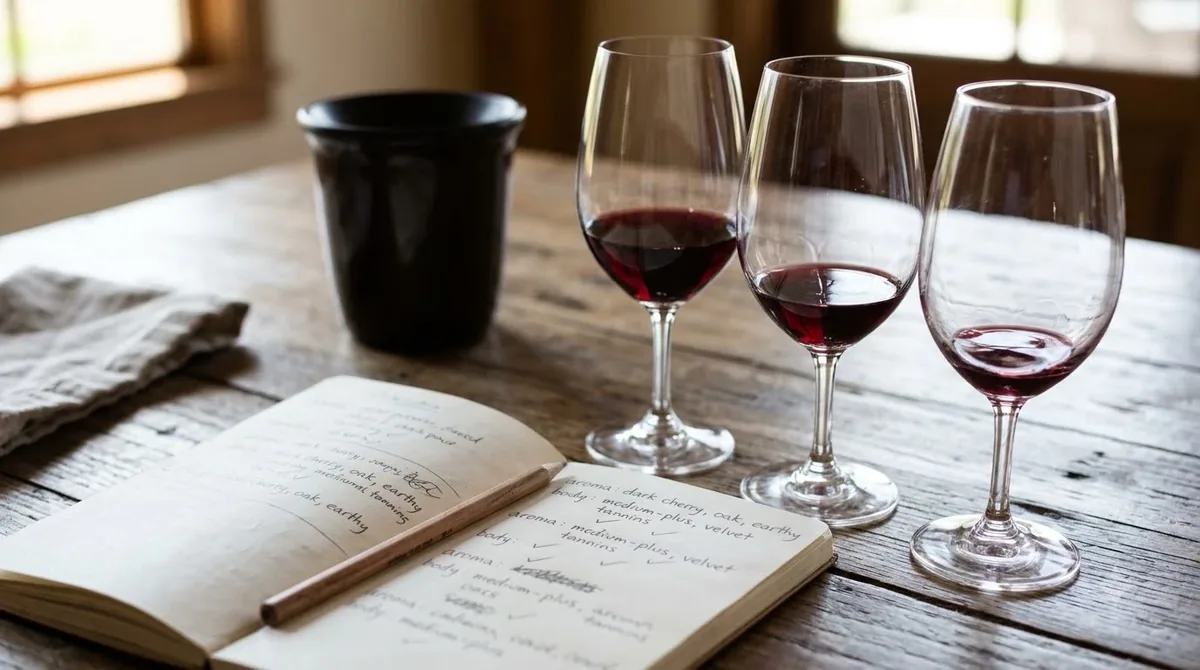
Both Sauvignon Blanc and Viognier are overwhelmingly fermented dry, yet Viognier tricks the brain into sensing sweetness through ripe fruit and floral perfume. Sauvignon Blanc leans tart, savory, and citrus-driven, while Viognier tastes lush, creamy, and orchard-fruited.
A glass of cool-climate Sauvignon Blanc opens with sharp lime zest, green apple, gooseberry, and freshly snipped herbs. When grown in warmer pockets such as Napa Valley or parts of South Africa, those green edges soften into white peach, honeydew melon, and ruby grapefruit, though high acidity still keeps the finish snappy and dry. For drinkers who enjoy that crisp backbone without intense grassy notes, comparing pinot blanc vs sauvignon blanc highlights how softer orchard fruit behaves under similar high-acid freshness.
Viognier takes the opposite sensory path by leading with ripe apricot, yellow peach, mango, and jasmine. Because yeast converts nearly all grape sugar into alcohol during standard fermentation, a dry Viognier contains virtually no residual sugar—usually well under 4 grams per liter. Still, the combination of floral terpenes, glycerol-rich viscosity, and warm alcohol creates an impression of sweet ripeness that makes Viognier feel generous even without sugar.
Tip: Do not judge Viognier on the very first sip straight from the refrigerator. Let the glass warm toward 52°F for ten minutes so the floral honeysuckle and stone-fruit aromatics open up instead of staying locked behind alcohol.
Winemaking Styles: Stainless Steel vs Oak Aging
Most Sauvignon Blanc is fermented in stainless steel to protect crisp fruit and herbal snap, whereas Viognier is frequently aged in oak barrels or stirred on its lees to amplify creamy texture. Still, winemakers in top regions bend both rules to create richer or leaner expressions.
Unoaked vs Barrel-Fermented Sauvignon Blanc
Roughly nine out of ten everyday bottles from Marlborough, Sancerre, and Chile see only stainless steel or neutral concrete tanks. Cool fermentation preserves volatile thiols and pyrazines, yielding a translucent, zippy white meant for immediate drinking. By contrast, top estates in Bordeaux’s Pessac-Léognan subregion and select California producers—who often label oak-aged bottles Fumé Blanc—ferment Sauvignon Blanc in French oak barrels and age it on dead yeast cells (lees) for 6 to 12 months. That oxygen and wood contact softens the sharp edges into lemon curd, toasted almond, and beeswax.
Stainless Steel vs Oaked Viognier
Because Viognier naturally lacks brisk acidity, winemakers handle oak and fermentation temperature carefully so the wine never turns heavy. According to Wine Folly’s guide to Viognier, fermenting the juice between 16°C and 22°C (61°F to 72°F) preserves delicate floral aromatics while preventing sluggish fermentations. Modern producers in California and Condrieu often age a portion of the wine in neutral or lightly toasted oak barrels with regular lees stirring (bâtonnage), adding subtle vanilla, ginger, and clove spice to its naturally oily body, while value bottlings from southern France stay in stainless steel for pure peach and citrus-blossom brightness.
Key Wine Regions for Both Grapes
Sauvignon Blanc thrives in cool-to-moderate coastal and river valleys across France, New Zealand, and California, while Viognier requires warm, sunlit slopes in France’s Northern Rhône, California, and Virginia to ripen fully. Climate dictates whether each grape stays taut and mineral or expands into tropical richness.
Sauvignon Blanc’s ancestral home is France’s Loire Valley, where the grape has grown for more than 500 years as a descendant of Savagnin. In Sancerre and Pouilly-Fumé, limestone and flint soils produce razor-sharp, mineral-laced wines with lime and wet-stone notes. Farther south in Bordeaux, Sauvignon Blanc is blended with Semillon for added body, while Marlborough on New Zealand’s South Island has become the benchmark for pungent passion fruit, gooseberry, and green bell pepper intensity. In the United States, Napa and Sonoma valleys turn out riper, melon-and-grapefruit styles that bridge Old World structure and New World fruit.
Viognier has a far smaller global footprint—roughly 39,692 acres worldwide, led by France with 21,802 acres, Italy with 4,514 acres, and the United States with 3,659 acres. Its spiritual benchmark is Condrieu in the Northern Rhône Valley, a steep granite appellation where regulations mandate 100% Viognier and where fewer than 30 acres survived in the 1960s before a dramatic revival. Neighboring Château-Grillet operates as a single-estate appellation producing roughly 10,000 bottles a year. Outside France, California’s Paso Robles and Central Coast craft lush, full-throttle bottlings, while Virginia has made Viognier a signature white grape thanks to warm summers that ripen its thick skins without losing aromatic lift.
Food Pairing: What to Cook for Each Wine
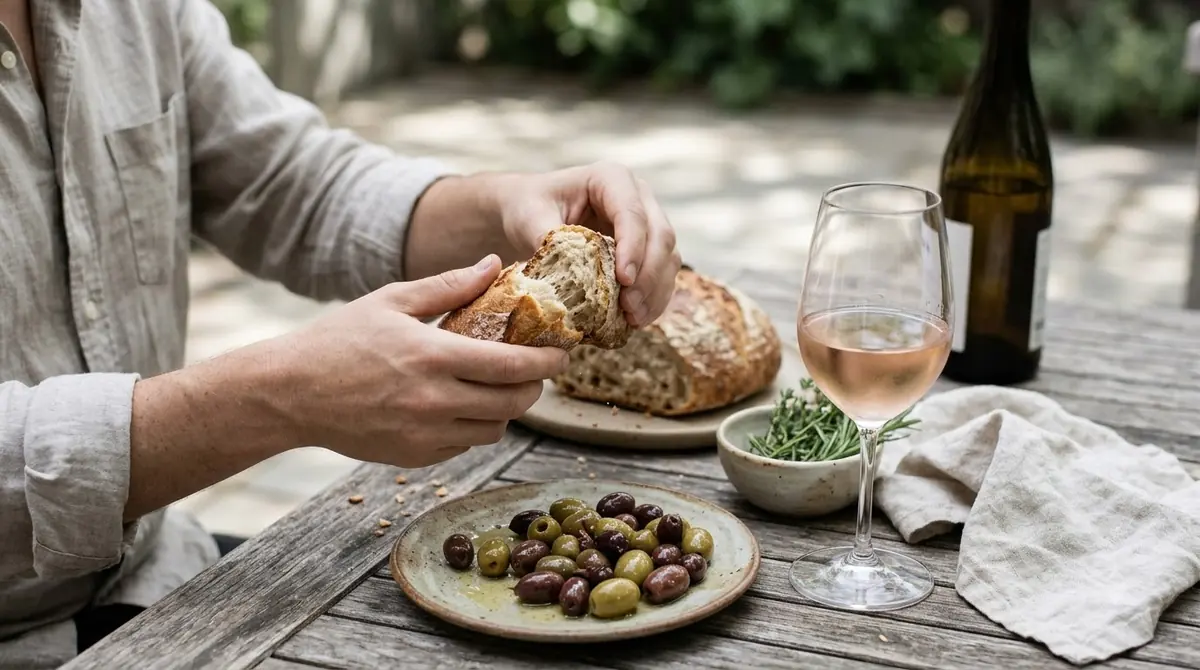
Sauvignon Blanc pairs best with tangy, herbaceous, and green-vegetable dishes that match its high acidity, while Viognier shines beside sweet shellfish, rich cream sauces, and fragrant mild spices. Matching food weight and acid level prevents either wine from tasting sour or heavy at the dinner table.
Best Dishes for Sauvignon Blanc
High acidity acts like a squeeze of fresh lemon over food, cutting through richness and matching tart ingredients. Sauvignon Blanc is a classic partner for fresh goat cheese (chèvre), raw oysters, steamed mussels, and flaky white fish such as trout, cod, and halibut. It is also one of the few dry wines that handles notoriously tricky green vegetables—including grilled asparagus, snap peas, and artichoke hearts—because its own herbal pyrazines echo the green flavors on the plate rather than clashing with them. Readers looking for another crisp, food-friendly white with even brighter white-pepper bite can compare gruner veltliner vs sauvignon blanc for similar salad and seafood versatility.
Best Dishes for Viognier
Viognier’s low acidity and lush stone-fruit perfume call for dishes with natural sweetness, butter, or gentle warmth rather than sharp vinegar. Seared sea scallops, pan-roasted snapper, and sea bass braised with fennel and saffron make standout partners because the wine’s oily texture mirrors rich seafood without metallic bitterness. Roast chicken with tarragon, pork tenderloin with apricot glaze, mild yellow Thai curry, and semi-soft cheeses like triple-cream Brie or young Gouda also work well. Avoid pairing Viognier with fiery chili heat, since its typically higher alcohol level amplifies capsaicin burn, and skip tart tomato or vinaigrette salads that strip away its delicate peach aromatics.
Serving Temperature, Glassware, and Storage
Serve unoaked Sauvignon Blanc well chilled at 45°F to 50°F in a standard white wine glass, and pour Viognier slightly warmer at 50°F to 55°F in a wider bowl to release its floral aromatics. Both varieties are meant to be enjoyed young, though top barrel-fermented examples reward short-term cellaring.
Temperature control makes an immediate difference in the glass. Standard stainless-steel Sauvignon Blanc tastes sharpest between 45°F and 50°F—roughly 90 minutes in a kitchen refrigerator—whereas barrel-fermented Bordeaux Blanc or Fumé Blanc opens up better at 50°F to 55°F. Viognier sits firmly in that 50°F to 55°F window; chilling it down to 40°F mutes its linalool and geraniol perfume and leaves only warm alcohol on the finish. Choose a tall, narrow-bowled white wine glass for Sauvignon Blanc to channel citrus aromas straight to the nose, and reach for a slightly wider-bowled Chardonnay or universal glass for Viognier so oxygen can lift its heavier floral esters.
Once opened, recork either bottle tightly and store it upright in the refrigerator for 3 to 5 days, pouring a standard 5-ounce glass (about five servings per 750 ml bottle). For unopened bottles stored on their side near 55°F, standard Viognier is best drunk within 1 to 2 years of vintage before its volatile floral aromatics fade, while top Condrieu bottlings can hold for 3 to 5 years. Crisp Sauvignon Blanc peaks within 1 to 3 years, though oak-aged Pessac-Léognan whites can develop honeyed complexity for 5 to 10 years.
How to Choose Between Sauvignon Blanc and Viognier
Pick Sauvignon Blanc when you want a refreshing, mouthwatering aperitif or a partner for salads, goat cheese, and light seafood, and choose Viognier when you want a fuller, rounder white wine for richer poultry, shellfish, or lightly spiced dishes. Checking the region and oak treatment on the bottle makes that choice predictable every time.
Buyers who prefer zesty, dry refreshment—around 120 calories per 5-ounce pour according to USDA FoodData Central—and love flavors of lime, grapefruit, and fresh herbs will typically favor Sauvignon Blanc. Look to Sancerre for chalky minerality, Marlborough for bold tropical and grassy punch, or Napa Valley for softer melon fruit. Conversely, drinkers who find high-acid whites too sharp and usually enjoy Chardonnay, Pinot Gris, or Gewürztraminer will feel right at home with Viognier’s silky texture and peach-blossom nose. For a red-wine comparison that shares Sauvignon Blanc’s high-acid versatility at the dinner table, explore pinot noir vs sauvignon blanc.
Frequently Asked Questions
Is Viognier a blend or a single-varietal wine?
Viognier is bottled both as a 100% single-varietal wine—mandatory in France’s Condrieu appellation—and as a blending partner. In the Southern Rhône and California, winemakers frequently blend Viognier with Marsanne and Roussanne to add floral lift to white Rhône-style wines, while Northern Rhône producers in Côte-Rôtie may co-ferment up to 20% Viognier with red Syrah to stabilize pigment and soften tannins.
Why is Viognier harder to find and often pricier than Sauvignon Blanc?
Viognier vines produce naturally low yields and are highly susceptible to powdery mildew in humid weather, requiring careful canopy management in the vineyard. Combined with a global vineyard footprint of roughly 37,000 acres (around 15,000 hectares) reported by the International Organisation of Vine and Wine—far smaller than Sauvignon Blanc’s worldwide plantings—smaller harvests keep supply tight and limit bottle availability compared with everyday Sauvignon Blanc.
Are Sauvignon Blanc and Viognier genetically related?
No, DNA profiling shows the two grapes belong to distinct family trees despite both originating in France. Sauvignon Blanc is an ancient descendant of Savagnin from eastern France and is one of the parent varieties of Cabernet Sauvignon, whereas Viognier is genetically linked to Mondeuse Blanche from the Savoie and Northern Rhône regions.
Which wine works better as a warm-weather patio pour?
Sauvignon Blanc is the stronger choice for hot afternoons because its high acidity and typically moderate 12% to 13.5% alcohol keep each sip crisp and thirst-quenching. Viognier’s often higher 13.5% to 15% ABV and fuller, low-acid body can feel heavy in direct summer heat, making it better suited to evening meals or air-conditioned dining rooms.
Can you substitute Viognier for Sauvignon Blanc in cooking?
Sauvignon Blanc is far better for deglazing pans, steaming mussels, or making white wine vinaigrettes because its high acidity brightens sauces without adding sweetness. Cooking with Viognier concentrates its low-acid, floral terpene character, which can turn overly perfumey or bitter when reduced over high heat.
Choosing between Sauvignon Blanc and Viognier comes down to whether the moment calls for brisk citrus snap or plush, aromatic weight. Keep a bottle of Sauvignon Blanc chilled for crisp appetizers and green dishes, and reach for Viognier whenever richer seafood or roasted poultry is on the menu.
More in Wine vs Wine
 Chenin Blanc vs Pinot Gris: Acidity, Body, and Pairing DifferencesUpdated Nov 20, 2026
 Chianti vs Lambrusco: How Tuscany and Emilia-Romagna Reds CompareUpdated Nov 20, 2026
 Chianti vs Primitivo: Key Differences in Taste, Body, and PairingUpdated Nov 20, 2026
 Chianti vs Rioja: Key Differences in Taste, Aging, and PairingUpdated Nov 20, 2026
 Chianti vs Shiraz: How Acidity, Body, and Food Pairings CompareUpdated Nov 20, 2026
 Chianti vs Syrah: Key Differences in Taste, Body, and Food PairingUpdated Nov 20, 2026