

We may earn a commission when you buy through links on this page, at no extra cost to you. Learn more.
For anyone asking where is viognier from, the grape’s historic home is the Northern Rhône Valley of France, especially around Condrieu. The nearby Château-Grillet appellation is another historic stronghold, and both places are closely associated with expressive, dry white wines made from Viognier. The grape is now grown in several countries, but its Rhône origins explain much of its identity.
Viognier is a white wine grape known for heady floral aromas, ripe stone-fruit flavors, a full texture, and relatively low acidity. Its story is unusually dramatic: a difficult-to-farm variety that nearly vanished from its home vineyards became an internationally planted grape. Understanding the Northern Rhône, especially Condrieu, makes it easier to recognize what is distinctive about Viognier and what to look for in bottles from other regions.
Condrieu and the Northern Rhône Are Viognier’s Historic Home
Viognier is generally traced to the Northern Rhône, with Condrieu and neighboring Château-Grillet regarded as its original heartland. These appellations sit on the Rhône River’s right bank, just south of Côte-Rôtie, in a stretch where Syrah is the better-known red grape but Viognier has a long local history.
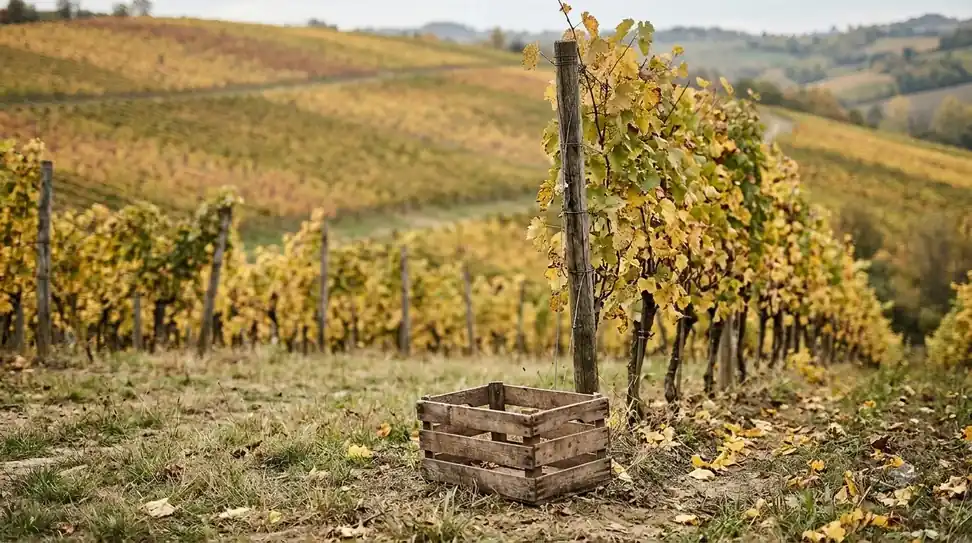
Condrieu is not simply a village name that appears on some Viognier labels. It is a protected wine appellation whose identity is built around this one white grape. The official Rhône wine body describes Viognier as the only grape grown in Condrieu; Château-Grillet is also a Viognier-based appellation. That distinction matters when reading a French label: Condrieu identifies a place and its rules, while Viognier identifies the grape variety. A bottle labeled Viognier from California or Australia can use the same grape without being a Condrieu wine.
The area is in the northern part of the Rhône Valley, between the vineyards associated with Côte-Rôtie to the north and the wider network of Rhône appellations to the south. Syrah is closely tied to this landscape, so readers who want the red-wine side of the region can also explore where is syrah from. The relationship is more than geographic: some Rhône producers use a small amount of Viognier alongside Syrah, although the classic Condrieu style is a still white wine.
Viognier’s history is sometimes described as ancient, but the precise origin story is uncertain. The safest answer is that it is a traditional Northern Rhône variety, probably native to Condrieu, rather than a grape with a securely documented single point of invention. That qualified explanation reflects how wine grapes were cultivated and passed between vineyards long before modern records could establish their family trees.
Condrieu’s Seven Communes and Granite Slopes Shape the Wine
The Condrieu appellation occupies a steep section of the Rhône’s right bank, where narrow terraces, granite-rich soils, and a mix of continental and Mediterranean climate influences create demanding but distinctive growing conditions. Its boundaries include seven communes spread across the Rhône, Loire, and Ardèche departments.
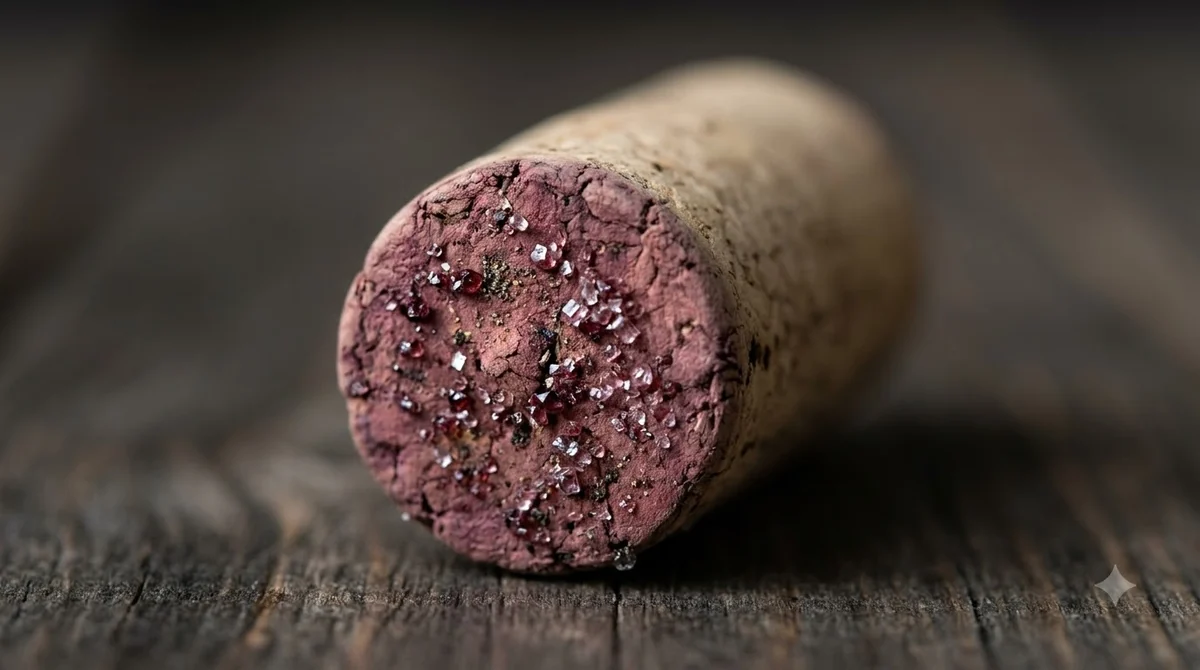
The seven communes are Condrieu, Saint-Michel-sur-Rhône, Vérin, Chavanay, Saint-Pierre-de-Bœuf, Malleval, and Limony. Rather than a single uninterrupted vineyard, the appellation is a patchwork of slopes overlooking the river. The official Condrieu appellation profile describes long, narrow terraces known locally as chayées, built into rocky inclines and requiring ongoing upkeep. The steepness limits easy mechanization and makes vineyard work labor-intensive.
Granite is a defining geological feature. The Rhône’s official regional information describes fractured rock, clay-filled fissures, and shallow soils on the slopes. Those fissures help vines reach moisture, while the terrace structure prevents the surface from becoming compacted. The climate is largely continental, similar to Lyon, but Mediterranean influence and sun-facing rocky slopes can bring intense summer heat. This combination helps explain why a relatively cool northern site can still ripen a grape associated with generous fruit and body.
The appellation’s scale is modest in comparison with broad regional wine zones. The official Condrieu page reports a production area of 216 hectares and an average yield of 23 hectoliters per hectare for its 2025 figures. Those figures describe the appellation, not all Viognier vineyards in France or around the world. Small production and steep terrain help explain why Condrieu is a distinctive origin rather than a generic synonym for every wine made from the grape.
Viognier Nearly Disappeared Before Its Revival
Viognier’s international success followed a period when its original vineyards were close to extinction. Steep slopes, low yields, phylloxera, war, and the demands of manual vineyard work all contributed to its decline in the Northern Rhône.
The Wine & Spirit Education Trust reports that total Viognier plantings worldwide fell below 10 hectares in the 1960s. Inter Rhône’s history of Condrieu says that only about a dozen hectares remained planted in the appellation’s core communes by the 1950s. These are different snapshots and scopes, but both show how narrow the variety’s survival margin had become. In difficult sites, growers had strong reasons to favor crops or grape varieties that were easier to farm and more productive.
Condrieu received official AOC recognition in 1940, but formal status alone could not reverse the decline. The Rhône region’s account places the appellation’s revival in the 1980s, when growers replanted abandoned hillsides and rebuilt terrace walls. In 1986, the appellation boundaries were revised to retain slopes with the best exposure. The revival depended on people willing to restore difficult parcels, not simply on new interest in an unfamiliar grape.
As plantings recovered, winegrowers in southern France and then outside Europe began growing Viognier. The variety went from near-local obscurity to a grape recognized by wine drinkers in the United States, Australia, and South America. Its story is a useful reminder that a grape’s present popularity does not necessarily reflect how secure its future once seemed.
Viognier’s Aromas, Texture, and Acidity Set It Apart
Viognier is best known for an intense perfume of flowers and ripe fruit, paired with a broad, rounded texture. Typical aromas include honeysuckle, jasmine, violet, apricot, peach, and sometimes mango or tropical fruit; the exact mix changes with climate, ripeness, and winemaking.
Although the aromas can suggest sweetness, most Viognier is made as a dry white wine. Wine Enthusiast notes that the grape is used primarily for dry whites, with some sweet late-harvest examples. In a ripe, warm-climate style, the fruit can feel plush and almost nectar-like even when the wine contains little residual sugar. This distinction is important at the table: a fragrant aroma is not proof that a wine is sweet.
Viognier generally has low to moderate acidity, and its generous body can make it feel softer than a crisp Sauvignon Blanc or Riesling. Warm growing conditions may push grape sugars high enough for wines to reach the 14% alcohol range, according to Wine Enthusiast. That is not a fixed alcohol level for every bottle; climate, harvest timing, and cellar choices all affect the final wine. A cooler-site Viognier may feel more restrained, while a riper example can be broader, warmer, and more overtly perfumed.
Winemaking choices also shape the style. Some producers use stainless steel or neutral vessels to emphasize fresh fruit and floral aromas, while others ferment or age the wine in oak for added weight, spice, and a creamy impression. Decanter’s reporting on Condrieu producers describes approaches ranging from no new oak to a limited proportion of new barrels, rather than one mandatory recipe. For a simple tasting exercise, notice the sequence in the glass: flowers first, then peach or apricot, followed by the wine’s weight across the palate. Viognier can smell sweet but finish dry; comparing it with a leaner white such as Sauvignon Blanc makes the contrast in acidity and body easier to recognize.
Viognier Now Grows Far Beyond France
France remains the grape’s historic home, but Viognier has spread to wine regions with very different climates. Wine Enthusiast identifies significant plantings in the Languedoc in southern France and in Argentina, Chile, California, Australia, and New Zealand. Inter Rhône notes that the grape expanded from its original northern Côtes du Rhône range, historically described from Vienne to Valence, into popular plantings in California and Australia toward the end of the 20th century. These newer homes do not erase its French origin; they show how growers have adapted the variety to different conditions.
Planting figures compiled by WSET from international vineyard data illustrate the scale of that expansion; the estimates below refer to worldwide Viognier plantings, not production from Condrieu alone. The figures are summarized in the WSET overview of Viognier.
| Year | Worldwide Viognier plantings | What the figure shows |
|---|---|---|
| 2000 | More than 3,000 hectares | The variety had moved beyond a small regional specialty. |
| 2010 | About 11,400 hectares | Plantings had expanded sharply across several countries. |
| 2016 | About 16,000 hectares | Viognier had entered the world’s 50 most planted grape varieties. |
Those figures are useful as a historical measure of the grape’s growth, not as a current census, and they show why Viognier should not be treated as a single flavor profile. A warm, sunny site may produce richer wine with more ripe fruit and alcohol, while a cooler site or earlier harvest may preserve freshness; soil, elevation, water availability, yield, and cellar choices create further differences. For shoppers, Condrieu signals a traditional Northern Rhône expression, while a California or Australian Viognier reflects its own region and producer. A Languedoc bottling offers another French point of comparison. Exploring a broader Wine by Type collection can help compare Viognier with other aromatic whites and identify the style you prefer.
Serving Viognier and Pairing It With Food
Serve Viognier cool but not ice-cold: 50–55°F is a practical range for a full-bodied white. That temperature keeps the wine refreshing while allowing its floral aromas, peach flavors, and rounded texture to show.
Viognier’s body and aromatic intensity suit foods with enough flavor to meet it. Roast chicken, pork tenderloin, turkey, scallops, lobster, and grilled shrimp can all work, especially when served with herbs, mild spices, or a lightly creamy sauce. Dishes with apricot, peach, ginger, or aromatic herbs can echo the wine without making the pairing taste sugary.
Pay attention to acidity and heat. Viognier is generally lower in acidity than Sauvignon Blanc or Riesling, so a very sharp lemon dressing or vinegar-heavy dish can make the wine seem flat. Chili heat can also become more pronounced alongside a wine with appreciable alcohol, so choose a gentler preparation rather than a very hot curry. For oily fish, a tannic red is a poor match; a white Viognier is a better starting point, particularly with grilled or sauced preparations.
Tip: Start with a 50–55°F pour and pair Viognier with roast poultry, shellfish, or pork seasoned with herbs rather than a sharply acidic dressing or high-chili sauce. If the dish is spicy, choose a lower-alcohol, fresher style.
For a meal that includes both red and white wine, serve Viognier with the first course and move to a red with the main dish. Merlot has softer, medium tannins than Cabernet Sauvignon, which can make it a useful alternative for guests who prefer a gentler red; learn more about where is merlot from before choosing a bottle. If the meal ends with dessert, remember that the wine should be at least as sweet as the food. A late-harvest Viognier may suit some fruit desserts, while fortified Port is a distinct style; readers curious about its origin can learn where is port from. For a standard tasting, a 5-ounce pour lets the wine open in the glass, and a 750-milliliter bottle provides about five such glasses. Keep opened still wine sealed in the refrigerator and aim to finish it within 3–5 days for the best expression of its aromas and texture.
Frequently Asked Questions
These quick answers cover pronunciation, less familiar names, and a few cellar practices that help explain the grape’s history.
How do you pronounce Viognier?
Wine Enthusiast gives the pronunciation as “VEE-oh-nyay.” The final syllable is soft, so the word does not sound the way its spelling might suggest to an English speaker.
Can Viognier be used in red wine?
Yes. In parts of the Rhône and elsewhere, some winemakers co-ferment a small amount of Viognier with Syrah. Wine Enthusiast notes that this practice can help Syrah develop a deeper red color while adding a light floral note.
Does Viognier have other names?
Yes. Recorded synonyms include Bergeron, Barbin, Rebolot, Galopine, Greffou, Picotin Blanc, Vionnier, Petiti Vionnier, and Viogne. The name Vionnier also appears in historical references to wines from the Vienne area.
Can Viognier make a sweet wine?
Yes. Historical Condrieu sometimes had discernible sweetness when very ripe musts stopped fermenting before all the sugar was converted. Those stuck fermentations were occasional examples rather than the usual modern style, which is dry.
What do Viognier grape clusters look like?
Inter Rhône describes Viognier as having small, compact bunches with small berries. The berries begin with a greenish tint and can turn brown when they become overripe.
Viognier comes from the Northern Rhône, and Condrieu remains the clearest reference point for understanding its classic character. From granite slopes in France to vineyards in California, Australia, and South America, the grape offers a range of aromatic white wines built around flowers, stone fruit, and a generous texture. Start with a Condrieu if you want to explore its historic home, then compare bottles from other regions to see how place changes the style.
More in Wine Types & Grapes
 What Does Mourvèdre Taste Like? Flavor Profile, Regions, and PairingsUpdated Nov 20, 2026
 What Does Marsanne Taste Like? Flavors, Styles, and Food PairingsUpdated Nov 20, 2026
 What Does Malvasia Taste Like? Styles, Flavors, and Food PairingsUpdated Nov 20, 2026
 What Does Grenache Blanc Taste Like? Flavor Profile, Styles, and PairingsUpdated Nov 20, 2026
 What Does Garnacha Taste Like? Key Flavors, Styles, and Pairing TipsUpdated Nov 20, 2026
 What Does Fruit Wine Taste Like? A Complete Flavor and Style BreakdownUpdated Nov 20, 2026