


We may earn a commission when you buy through links on this page, at no extra cost to you. Learn more.
Negroamaro tasting notes center on ripe black cherry, black plum, and blackberry layered over dried thyme, licorice, dark cocoa, and a signature bitter-savory finish. Grown almost exclusively in southern Italy’s Puglia region, this thick-skinned red grape produces medium-full to full-bodied dry wines with medium-high tannins, moderate acidity, and 13.5 to 15 percent ABV. Rather than relying on sharp tartness or heavy jamminess, Negroamaro balances warm sun-drenched dark fruit with earthy spice and herbal grip.
Pronounced neg-row-ah-mah-ro, the grape derives its name from a combination of Latin and Greek roots meaning “black black” or “black bitter”—a nod to both its inky skin color and the pleasant, amaro-like bitter edge on its finish. Understanding what shows up in the glass makes it much easier to pick the right bottle, set the proper serving temperature, and match the wine with hearty, savory dishes.
What It Is
Negroamaro is an indigenous dark-skinned red wine grape cultivated primarily on the Salento peninsula of Puglia, the sun-drenched heel of Italy’s boot. DNA analysis links it to Sangiovese and Verdicchio, and historians trace its cultivation in southern Italy back roughly 3,000 years to the arrival of Greek settlers across the Adriatic Sea.
In the vineyard, Negroamaro thrives in brutal Mediterranean heat and drought without losing its natural phenolic structure. Vines are traditionally trained in the low, free-standing alberello bush system, which shades the grape clusters from scorching sun while concentrating extract in the skins. While winemakers frequently bottle Negroamaro as a single-varietal wine, they also blend it with softer or more aromatic local grapes like Malvasia Nera, Susumaniello, and Primitivo to round out its rustic edges.
On the broader spectrum of Wine by Type, Negroamaro sits firmly among dry, full-flavored southern European reds. Unlike high-acid northern Italian varieties such as Nebbiolo or Sangiovese, Negroamaro builds its weight through ripe dark fruit extract, warm alcohol, and dusty tannins rather than brisk acidity.
Flavor and Styles
Classic Negroamaro tasting notes combine concentrated black fruit—think black cherry, black plum, blackberry, and dried prune—with dried Mediterranean herbs, black licorice, tobacco leaf, and dark chocolate. Across nearly every expression, the defining trait is a dry, faintly bitter finish reminiscent of black tea, wild thyme, or unsweetened cocoa.

According to Wine Folly’s guide to Negroamaro, young stainless-steel-aged bottles highlight fresh forest berries, crushed black cherry, and savory dried thyme over a medium-full frame. These unoaked or lightly aged expressions keep the grape’s natural herbal snap front and center, offering brisk drinkability without heavy wood spice.
When matured in oak barrels—particularly under Riserva classifications—the flavor profile shifts toward cooked plum, fig, vanilla, espresso, leather, and sweet baking spice. Reviewers at Wine Enthusiast note that bottle age further transforms the primary fruit into dried prunes, black pepper, and earthy forest-floor nuances while softening the firm tannins. Beyond red wines, Salento producers also craft dry rosato (rosé) from Negroamaro, which trades dark plum and cocoa for wild strawberry, blood orange peel, watermelon, and a saline, herbal finish.
| Style | Primary Fruit Notes | Savory & Secondary Notes | Body & Structure |
|---|---|---|---|
| Young Red (Stainless Steel / Neutral Oak) | Fresh black cherry, blackberry, red currant | Dried thyme, black pepper, licorice, black tea | Medium-full body, moderate acidity, firm yet approachable tannins |
| Oak-Aged / Riserva Red | Black plum, dried prune, preserved fig, cherry jam | Dark chocolate, espresso, tobacco, leather, clove | Full body, velvety integrated tannins, long warming finish |
| Salento Rosato (Dry Rosé) | Wild strawberry, watermelon, cranberry | Orange peel, Mediterranean herbs, sea salt | Medium body, crisp cleansing acidity, dry savory finish |
Where It Grows
Almost all commercial Negroamaro grows in Puglia, concentrated heavily across the flat, limestone- and clay-rich plains of the Salento peninsula in the provinces of Lecce, Brindisi, and Taranto. Cooling breezes from both the Adriatic and Ionian seas moderate the intense southern Italian sunshine, helping grapes retain aromatic freshness during long ripening seasons.
The grape’s flagship appellation is Salice Salentino DOC, established in 1976 around the town of Salice Salentino. Under DOC rules, Salice Salentino Rosso must contain at least 85 percent Negroamaro (often blended with up to 15 percent Malvasia Nera di Lecce), while wines labeled specifically as Salice Salentino Negroamaro require a minimum of 90 percent. Riserva bottlings must age for at least two years, including a minimum of six months in oak barrels, yielding deeper balsamic and roasted-spice complexity.
Several neighboring appellations showcase distinct regional nuances of the grape. Copertino DOC and Squinzano DOC are known for structured, age-worthy reds driven by iron-rich terra rossa soils that accentuate earthy, mineral undertones. Meanwhile, Brindisi DOC, Leverano DOC, and Alezio DOC—the latter celebrated especially for traditional Negroamaro rosato—offer vibrant expressions shaped by coastal proximity. Outside Puglia, plantings remain tiny, making Negroamaro one of Italy’s most geographically concentrated heritage varieties.
How to Serve
Serve red Negroamaro slightly below room temperature at 60 to 68°F (15 to 20°C) in an oversized Bordeaux-style wine glass, and decant fuller-bodied bottles for about 30 minutes before pouring. Because Negroamaro routinely reaches 13.5 to 15 percent ABV, serving it too warm emphasizes alcohol heat and dulls its herbal aromatics.
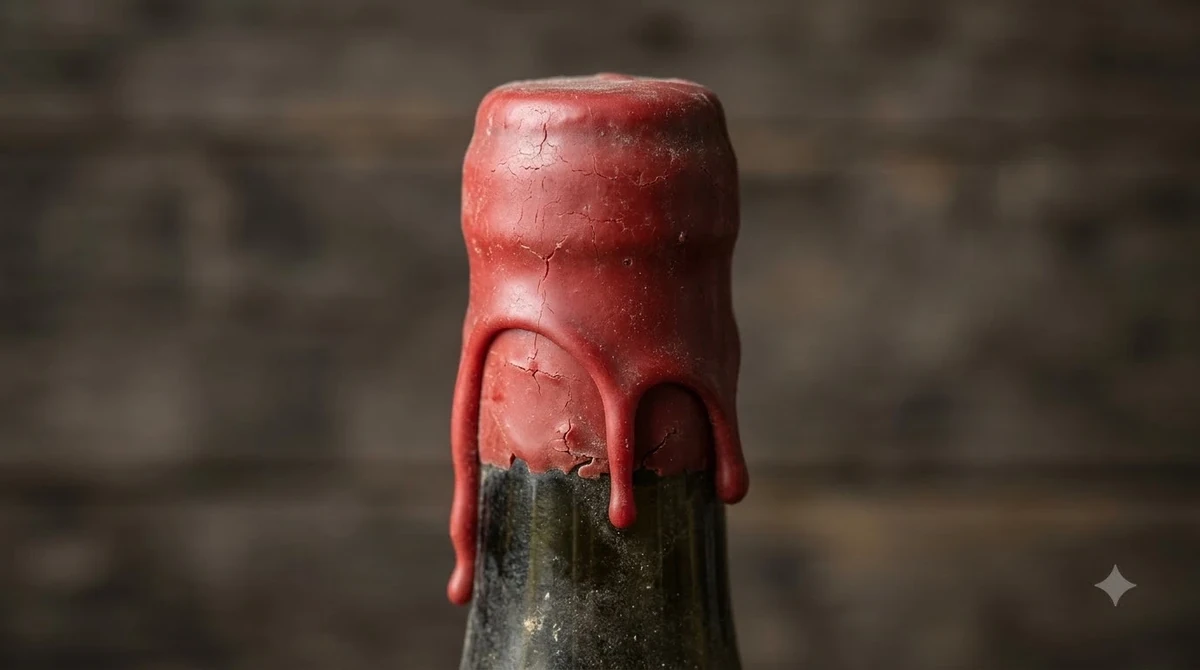
Twenty minutes in the refrigerator before opening brings a room-temperature bottle right into the ideal 60 to 65°F window, sharpening its black cherry lift and keeping the finish crisp. If you are pouring a dry Negroamaro rosato, chill it further to 45 to 50°F so its citrus peel and saline notes shine. A wide-bowled glass gives the wine’s dense bouquet of dried herbs, spice, and dark fruit room to open up rather than trapping volatile alcohol at the rim.
Tip: If a young Negroamaro tastes overly gripping or bitter right after opening, pour it into a decanter for 30 minutes—oxygen softens the phenolic bite and brings forward the ripe plum and cocoa notes.
Regarding cellaring, everyday stainless-steel reds and rosatos are crafted for immediate enjoyment within two to four years of the vintage date. Well-structured Salice Salentino Riserva and old-vine alberello bottlings easily develop in a cool cellar for five to ten years, gaining tertiary aromas of leather, dried fig, and sweet tobacco.
Food Pairing
Negroamaro’s combination of ripe dark fruit, moderate acidity, and a dry, herbal-bitter finish makes it an effortless match for smoky, slow-cooked, and savory Mediterranean fare. The wine’s subtle bitterness acts like culinary herbs on the palate, cutting through rich fats and caramelized glazes without relying on piercing acidity.
- Smoky Barbecue and Grilled Meats: Pulled pork, barbecue chicken, grilled lamb chops with rosemary, and charred beef steaks mirror the wine’s dark fruit and roasted spice while smoky, caramelized sauces bring out Negroamaro’s natural fruit sweetness.
- Hearty Tomato and Baked Pasta Dishes: Classic Puglian orecchiette with meat ragù, braised beef braciole, and baked eggplant parmesan align smoothly with the wine’s moderate acidity and earthy thyme undertones.
- Aged Cheeses and Antipasti: Hard sheep’s-milk cheeses such as aged Pecorino and Parmigiano-Reggiano, alongside cured salumi, briny black olives, and roasted bell peppers, echo the grape’s savory, bitter-edged finish.
If you enjoy the plush berry warmth found in grenache tasting notes or the dark, structured intensity explored in petit verdot tasting notes, Negroamaro bridges both worlds at the dinner table—offering generous fruit weight without overpowering grilled vegetables or herb-rubbed roasts.
How to Choose a Bottle
Reading the front and back labels is the fastest way to predict whether a bottle of Negroamaro will lean bright and herbal or rich and velvety. Start by checking the appellation and aging tier to match the wine’s intensity to your meal.
For a vibrant, food-friendly weekday red, look for Salento IGT or standard Salice Salentino DOC bottlings from recent vintages, which typically see minimal oak and showcase crisp black cherry, licorice, and dried thyme. If you prefer plush texture, baking spice, and dark chocolate depth, look for the word Riserva or mentions of old-vine alberello fruit on the label.
Check the grape breakdown if listed on the back label: 100 percent Negroamaro bottlings emphasize the grape’s trademark herbal, slightly bitter grip, whereas blends containing 10 to 20 percent Malvasia Nera or Primitivo feel rounder, softer, and slightly more fruit-forward on the mid-palate.
Frequently Asked Questions
Is Negroamaro a dry or sweet wine?
Negroamaro is almost always made as a fully dry wine. Although its ripe black cherry and plum aromas can create an impression of richness on the nose, the palate finishes dry with firm tannins and a distinctly savory, herbal edge.
How does Negroamaro compare to Primitivo?
Both grapes hail from Puglia, but Primitivo—genetically identical to Zinfandel—tends to be higher in alcohol, more jammy, and sweeter-tasting on the finish. Negroamaro is more structured and savory, trading jammy fruit for dried thyme, dark cocoa, and a pleasant bitter snap.
What does the name Negroamaro mean?
The name combines the Latin word niger (black) with either the Italian amaro (bitter) or the ancient Greek mavro (also meaning black). Together, it translates to “black bitter” or “black black,” accurately describing both the grape’s deeply pigmented skin and its subtly bitter finish.
Does Negroamaro need to be decanted before drinking?
Young reds and oak-aged Riserva bottlings benefit noticeably from 30 minutes in a decanter. Brief aeration softens the grape’s naturally firm tannins and allows layered notes of black plum, licorice, and Mediterranean herbs to open up in the glass.
From vibrant Salento rosatos to cellar-worthy Salice Salentino Riservas, Negroamaro offers a distinctly savory take on southern Italian red wine. Once you recognize its hallmark mix of dark berry fruit, wild herbs, and cocoa-like bitterness, you can serve it at the right cellar temperature and pair it confidently with everything from smoky barbecue to aged sheep’s-milk cheeses.
More in Wine Types & Grapes
 What Does Ruby Port Taste Like? Flavor Notes, Styles, and Serving TipsUpdated Nov 21, 2026
 What Does Ribolla Gialla Taste Like? Crisp White and Amber Styles ExplainedUpdated Nov 21, 2026
 What Does Semillon Taste Like? Flavor Profile, Styles & PairingsUpdated Nov 21, 2026
 What Does Scuppernong Taste Like? Flavor, Styles, and Pairing GuideUpdated Nov 21, 2026
 What Does Saperavi Taste Like? Flavors, Styles, and Pairing GuideUpdated Nov 21, 2026
 What Does Natural Wine Taste Like? Flavors, Styles, and Serving TipsUpdated Nov 21, 2026