

We may earn a commission when you buy through links on this page, at no extra cost to you. Learn more.
Muscadine sugar content varies dramatically between the raw grape and the finished wine: fresh muscadine grapes naturally hold a relatively low sugar level of 10 to 20 degrees Brix (roughly 10 to 20 percent sugar by weight), whereas finished commercial muscadine wines typically contain anywhere from 0.4 percent to 13 percent residual sugar depending on the style. Because native southeastern grapes ripen with less natural sugar than European wine varieties, winemakers routinely add cane sugar before fermentation to achieve standard alcohol levels and often back-sweeten the final bottle. As a result, a standard five-ounce pour of sweet muscadine wine can carry roughly 9 to 20 grams of sugar, while rare dry bottlings contain less than one gram.
Understanding muscadine sugar content requires looking at two separate stages in the bottle’s lifecycle: the fruit on the vine and the liquid in the glass. While many wine drinkers assume muscadine grapes are overflowing with natural sugar because the resulting wines often taste intensely sweet, the agricultural reality in the vineyard is quite the opposite.
What Is Muscadine Sugar Content?
Muscadine sugar content refers both to the natural soluble solids present in ripe Vitis rotundifolia berries at harvest and to the residual sugar remaining in the finished wine after fermentation. At harvest, muscadine fruit contains noticeably less natural sugar than classic European wine grapes, yet finished muscadine wines frequently rank among the sweetest bottles on American retail shelves.
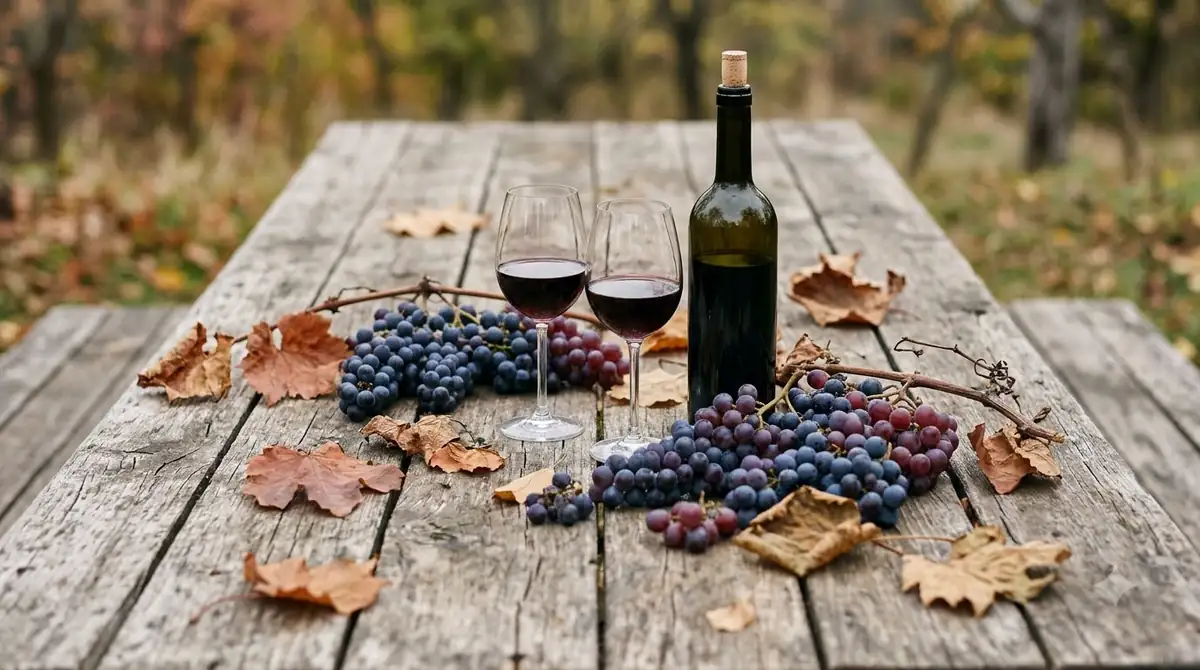
In the vineyard, agricultural researchers and growers measure grape ripeness using the Brix scale, where one degree Brix equals roughly one gram of sucrose per 100 grams of grape juice. According to Wine Folly’s guide to muscadine wine, ripe muscadine berries typically register between 10 and 15 degrees Brix, and broader viticultural studies place commercial harvest windows between 14 and 20 degrees Brix. By comparison, European Vitis vinifera varieties such as Cabernet Sauvignon or Chardonnay routinely reach 22 to 26 degrees Brix before picking.
The gap between low vineyard sugar and high bottle sweetness happens inside the winery. Because 14 degrees Brix would only ferment to roughly 7 or 8 percent alcohol by volume—too low for microbial stability and standard table wine body—winemakers use a traditional practice called chaptalization, adding sugar to the unfermented must so yeast can produce 10 to 13 percent alcohol. Once fermentation finishes, producers frequently add extra sugar back into the wine to balance the grape’s naturally high acidity and thick-skinned tannins, resulting in finished residual sugar levels that commonly span from 2.5 percent to over 6 percent.
Sweetness Levels Across Muscadine Wine Styles
Although sweet red and white bottlings dominate regional sales across the American South, muscadine wine is actually produced across the full sweetness spectrum, from bone-dry table wines to syrupy dessert pours. Knowing how residual sugar translates into grams per glass helps you predict how heavy or crisp a bottle will taste before you pull the cork.
| Muscadine Wine Style | Typical Residual Sugar (%) | Residual Sugar (g/L) | Approx. Sugar per 5 oz (148 mL) Pour | Taste Profile |
|---|---|---|---|---|
| Dry Muscadine (Red or White) | Under 0.4% to 1.0% | Under 4 to 10 g/L | Under 1.5 g | Tart, earthy, crisp, with noticeable skin grip |
| Blush / Off-Dry Muscadine | 2.5% to 3.5% | 25 to 35 g/L | 3.7 to 5.2 g | Lightly sweet, refreshing, balanced by bright acidity |
| Traditional Sweet Muscadine | 6.0% to 8.0% | 60 to 80 g/L | 8.9 to 11.8 g | Lush, jammy, pronounced grape and floral notes |
| Rich Dessert Muscadine | 10.0% to 13.0% | 100 to 130 g/L | 14.8 to 19.2 g | Syrupy, intensely sweet, candied fruit character |
For context, commercial producers in Florida and North Carolina illustrate how wide these numbers swing in real bottles. Winery technical notes show blush muscadine blends sitting around 2.5 to 3.5 percent residual sugar, classic southern red and white expressions made from Noble and Carlos grapes landing near 6 percent residual sugar, and extra-sweet specialty bottlings climbing as high as 13 percent residual sugar.
When compared to mainstream international wines, traditional sweet muscadine sits well above standard dry table reds. If you look at typical merlot sugar content, a dry bottle usually finishes below 2 grams of residual sugar per liter, meaning a single glass of classic sweet muscadine delivers more than five times the sugar of a dry Merlot. Instead, sweet muscadine aligns more closely with late-harvest riesling sugar content or even fortified port sugar content, which commonly sits around 90 to 110 grams per liter, though muscadine achieves that richness at a much lower alcohol strength.
Why Muscadine Grapes Have Lower Natural Sugar
Muscadine vines belong to Vitis rotundifolia, a native North American species genetically distinct from European wine grapes, carrying 40 chromosomes instead of 38. Adapted over millennia to the hot, humid, disease-prone summers of the southeastern United States, the vine prioritizes thick skins and defensive phenolic compounds over heavy sugar accumulation.
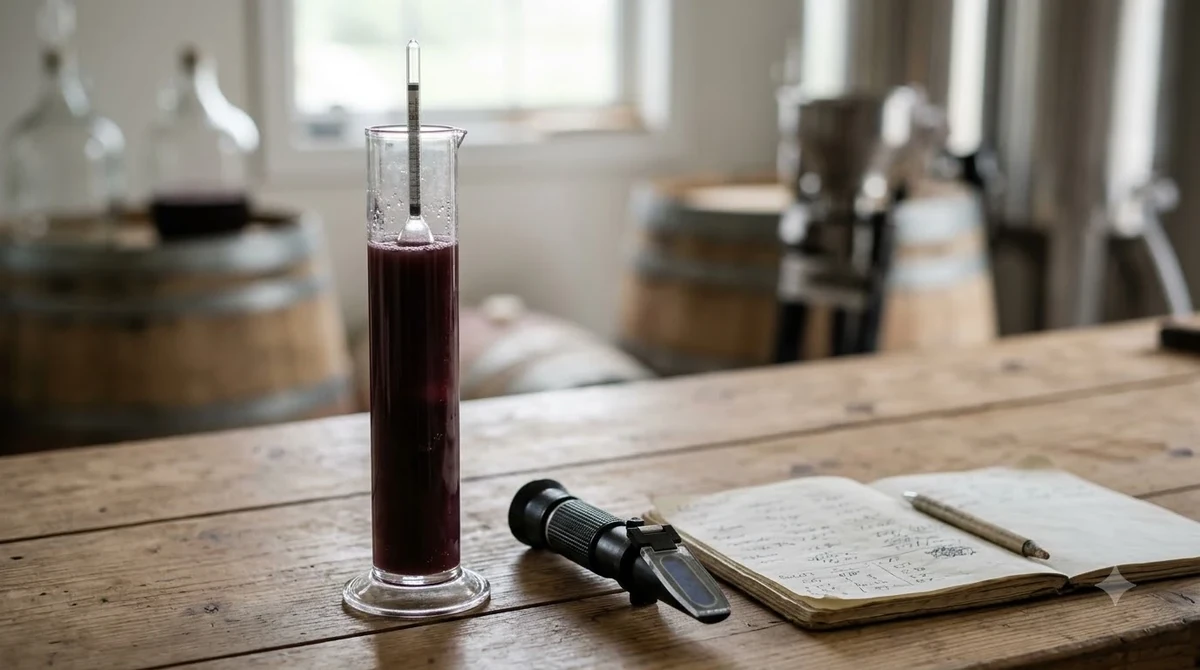
Unlike European grapes that grow in tight, uniform bunches and ripen simultaneously, muscadines grow in loose clusters of large berries—sometimes approaching the size of golf balls—that ripen unevenly from August through October. As the berries mature, soluble solids climb steadily while titratable acidity drops, yet natural Brix levels plateau much earlier than they do in California or European vineyards. Roughly two-thirds of the acid in a mature muscadine resides inside its tough outer skin, which gives the juice a sharp, tangy bite if left unsweetened.
Cultivar selection also shapes how sweet the raw fruit tastes on the palate. Varieties like Noble, the leading dark-skinned red wine grape, and Carlos or Scuppernong, the prized bronze-skinned white cultivars, are bred for vineyard vigor and aromatic intensity rather than extreme Brix readings. Because consumers perceive sweetness through the ratio of sugar to acid rather than sugar alone, a muscadine berry at 16 degrees Brix with higher acidity tastes noticeably sharper than a European grape at the same sugar level.
Tip: Check the back label for residual sugar percentages or alcohol by volume—wines bottled at 9 to 11 percent ABV with no “dry” designation almost always carry significant back-sweetened residual sugar.
How Sugar Shapes Flavor, Body, and Serving Temperature
Residual sugar does far more than make muscadine wine taste sweet; it actively buffers the grape’s assertive wild aromas, smooths out astringent skin tannins, and adds mid-palate weight. Without at least a modest touch of sweetness, young muscadine wines can taste fiercely tart with earthy, pine-resin, or musky notes that catch dry-wine drinkers off guard.
As Wine Enthusiast notes in its overview of muscadine wine, a growing wave of southeastern winemakers is proving that dry and off-dry muscadine styles can be crisp and compelling when handled carefully in the cellar. By fermenting juice cleanly and limiting harsh skin extraction, producers in North Carolina and Georgia create dry bottlings with bright citrus, tropical fruit, and subtle saline undertones that require zero added sweetness to feel balanced.
Serving temperature plays a critical role in keeping muscadine sugar content from feeling cloying in the glass. Both red and white muscadine wines—especially bottles with 3 percent residual sugar or higher—should be served well chilled between 45 and 50 degrees Fahrenheit. Cold temperatures firm up the wine’s natural acidity and tighten the perception of sugar, whereas serving a sweet red muscadine at room temperature amplifies the syrupy texture and dulls its fresh fruit aromas.
Pairing Muscadine Wines by Sugar Level
Matching muscadine wine with food comes down to aligning the bottle’s residual sugar with the salt, spice, or sweetness on your plate. Because sugar softens chili heat and contrasts with savory richness, sweeter muscadines perform remarkably well alongside bold southern dishes that would overwhelm delicate dry wines.
For traditional sweet red and white muscadines in the 6 to 8 percent residual sugar range, lean into smoky, spicy, or salty classics. Slow-cooked pulled pork with tangy vinegar or tomato barbecue sauce, spicy blackened catfish, Nashville-style hot chicken, and aged sharp cheddar cheese all thrive against a chilled glass of sweet muscadine. The wine’s sugar tames capsaicin heat while its brisk underlying acidity cuts through rich fats.
If you track down a dry or off-dry muscadine with under 2.5 percent residual sugar, treat it like a crisp aromatic white or light chillable red across different Wine by Type categories. Dry bronze muscadines pair cleanly with fried green tomatoes, boiled shrimp, oysters, and fresh goat cheese salads, while off-dry blush styles work effortlessly with honey-glazed ham, charcuterie boards, and fruit-driven desserts like peach cobbler or pecan pie.
How to Spot Low-Sugar vs. Sweet Muscadine Bottles
Because American wine labels are not legally required to print nutrition facts or exact grams of sugar per serving, reading subtle label clues is the fastest way to gauge muscadine sugar content before buying. Most regional wineries group their muscadine lineups clearly by sweetness tier if you know what terminology to look for.
Start by scanning the front and back labels for explicit style descriptors and cultivar names. Words like “Dry,” “Brut,” or “Table Wine” indicate that fermentation ran nearly to completion, leaving minimal residual sugar. Conversely, labels featuring “Sweet,” “Southern Red,” “Southern White,” “Reserve,” or heritage varietal names like “Scuppernong” without a dry qualifier almost certainly signal a sweet bottling with 5 percent or more residual sugar.
Finally, pay close attention to the stated alcohol by volume alongside the winery’s tasting notes. Because winemakers chaptalize muscadine must to reach roughly 10 to 12 percent alcohol before halting fermentation or back-sweetening, bottles sitting around 9 to 11 percent ABV with descriptors like “jammy,” “lush,” or “smooth finish” carry substantial residual sugar, whereas dry expressions typically reach 11.5 to 13 percent ABV with notes of “crisp,” “tart,” or “citrus.”
Frequently Asked Questions
Are muscadine grapes naturally higher in sugar than regular wine grapes?
No, fresh muscadine grapes actually contain less natural sugar than standard European wine grapes. Ripe muscadines typically measure between 10 and 20 degrees Brix at harvest, whereas varieties like Cabernet Sauvignon and Chardonnay usually reach 22 to 26 degrees Brix. The high sweetness found in many muscadine wines comes from sugar added by the winemaker during and after fermentation.
How many grams of sugar are in a glass of sweet muscadine wine?
A standard five-ounce pour of traditional sweet muscadine wine typically contains between 9 and 12 grams of sugar, corresponding to roughly 6 to 8 percent residual sugar. Extra-sweet dessert styles can climb up to 19 grams of sugar per five-ounce serving. By contrast, rare dry muscadine wines contain less than 1.5 grams of sugar per glass.
Does dry muscadine wine exist without added sugar?
Yes, several wineries across North Carolina, Georgia, and Florida produce dry muscadine wines with less than 1 percent residual sugar. While winemakers often still add a small amount of sugar prior to fermentation so the yeast can achieve stable alcohol levels around 11.5 to 12.5 percent ABV, the yeast consumes all of that sugar during fermentation, leaving a crisp, dry finish.
Why is sugar added when making muscadine wine?
Winemakers add sugar to muscadine juice for two distinct reasons: alcohol stability and flavor balance. First, adding sugar before fermentation raises the naturally low Brix level so the wine reaches 10 to 13 percent alcohol, which preserves the wine from spoilage. Second, back-sweetening after fermentation softens the grape’s naturally high skin acidity and wild, musky aromatics.
Whether you prefer a brisk, bone-dry bronze bottling or a chilled glass of classic sweet Noble red, checking how a producer handles muscadine sugar content takes the guesswork out of buying regional southern wines. Keep an eye on ABV figures, sweetness descriptors, and serving temperatures, and you can match the right bottle to everything from backyard barbecue to late-night dessert.
More in Wine Types & Grapes
 What Does Ruby Port Taste Like? Flavor Notes, Styles, and Serving TipsUpdated Nov 21, 2026
 What Does Ribolla Gialla Taste Like? Crisp White and Amber Styles ExplainedUpdated Nov 21, 2026
 What Does Semillon Taste Like? Flavor Profile, Styles & PairingsUpdated Nov 21, 2026
 What Does Scuppernong Taste Like? Flavor, Styles, and Pairing GuideUpdated Nov 21, 2026
 What Does Saperavi Taste Like? Flavors, Styles, and Pairing GuideUpdated Nov 21, 2026
 What Does Natural Wine Taste Like? Flavors, Styles, and Serving TipsUpdated Nov 21, 2026