

We may earn a commission when you buy through links on this page, at no extra cost to you. Learn more.
Muscadet alcohol content typically falls between 10% and 12% ABV, making it one of the lightest dry white wines produced in France. Under French Appellation d’Origine Contrôlée (AOC) regulations, all Muscadet wines must contain at least 9.5% ABV, and producers are strictly capped at a 12% ABV maximum after chaptalization. Because the Melon de Bourgogne grape ripens slowly in the cool, Atlantic-influenced Loire Valley, bottles rarely feel heavy or warming on the palate.
For anyone looking for a crisp, refreshing white wine that won’t overwhelm a meal or weigh down an afternoon, Muscadet is an easy choice. While many modern white wines push past 13.5% or 14% alcohol, this coastal French classic stays firmly in the low-to-moderate alcohol tier while still fermenting completely bone-dry.
What It Is
Muscadet is a dry, light-bodied French white wine made exclusively from the Melon de Bourgogne grape in the western Loire Valley. Despite the similar spelling, it has zero genetic or flavor connection to sweet, aromatic Muscat or Moscato.
Originally planted in Burgundy, Melon de Bourgogne found its true home near the Atlantic coast around the city of Nantes after severe winter frosts wiped out local vineyards in 1709. The grape survived the cold far better than its neighbors and eventually became the sole permitted variety across all Muscadet appellations. Wine educators at Wine Folly describe Melon de Bourgogne as a grape built for drinkers who prefer lean, mineral-driven wines over overt fruitiness.
What makes Muscadet unusual among French table wines is its legal alcohol ceiling. French appellation rules mandate a minimum alcohol level of 9.5% ABV and cap the finished wine at 12% ABV even when winemakers use chaptalization, the practice of adding sugar to unfermented grape must during cool vintages. That rule keeps the style bright, brisk, and balanced rather than rich or boozy.
Flavor and Styles
Standard Muscadet tastes crisp, tart, and bone-dry, with bright notes of green apple, lemon zest, unripe pear, and a distinct sea-spray salinity. Its texture and depth change noticeably depending on whether the winemaker bottles it young or ages it on the yeast lees.
Most quality bottles on American retail shelves carry the term sur lie on the label, meaning “on the lees.” After fermentation finishes, the winemaker leaves the wine resting on the dead yeast cells through the winter without racking it off. Under AOC rules, Muscadet Sur Lie must stay on its fine lees until at least March 1 following the harvest and be bottled directly from those lees before November 30.
This extended lees contact transforms the mouthfeel without raising the alcohol level. As the yeast cells break down, they release compounds that lend a subtle creaminess, faint notes of fresh bread or brioche, and a tiny, refreshing spritz of trapped carbon dioxide. At the top tier, single-village bottlings known as Crus Communaux—from villages like Clisson, Gorges, and Le Pallet—spend two to three years on the lees, developing deeper orchard fruit and complex savory richness while staying around 12% ABV.
| Wine Style | Typical ABV Range | Sweetness Level | Body & Texture |
|---|---|---|---|
| Muscadet (Standard / Sur Lie) | 10% – 12% | Bone-dry | Light-bodied, crisp, slight spritz |
| Muscadet Cru Communal | 11.5% – 12% | Bone-dry | Medium-light, creamy, textured |
| Pinot Grigio (Northern Italy) | 12% – 13% | Dry | Light-bodied, clean, citrusy |
| Chablis (Unoaked Chardonnay) | 12.5% – 13% | Bone-dry | Light-to-medium, steely, mineral |
| California Chardonnay | 13.5% – 14.5% | Dry | Full-bodied, rich, round |
Where It Grows
All authentic Muscadet comes from the Pays Nantais district at the far western edge of France’s Loire Valley, where the Loire River meets the Atlantic Ocean. Cool sea breezes, frequent rain, and rocky soils keep grape sugar levels modest and natural acidity high.
The region spans roughly 8,000 to 8,500 hectares of vineyards surrounding Nantes and divides into four main appellations. The entry-level Muscadet AOC covers the broader area and produces light, straightforward bottles meant for immediate drinking. Roughly three-quarters of all production comes from Muscadet Sèvre et Maine AOC, situated southeast of Nantes where the Sèvre Nantaise and Petite Maine rivers converge over weathered granite, gneiss, and schist.
Two smaller sub-zones round out the map. Muscadet Côtes de Grandlieu sits near a shallow coastal lake southwest of Nantes, yielding slightly softer, floral whites, while Muscadet Coteaux de la Loire stretches along the northern riverbanks, producing taut, nervy wines in warmer vintages. Across every sub-region, the maritime climate prevents grapes from accumulating excessive sugar, naturally locking in the restrained alcohol profile.
How to Serve
Serve Muscadet well chilled between 45°F and 50°F (7°C to 10°C) in a standard white wine glass to highlight its brisk acidity and saline minerality. Serving it straight from an ice-cold refrigerator can mute its delicate citrus and brioche aromatics, while letting it warm past 55°F makes the acidity feel sharp.
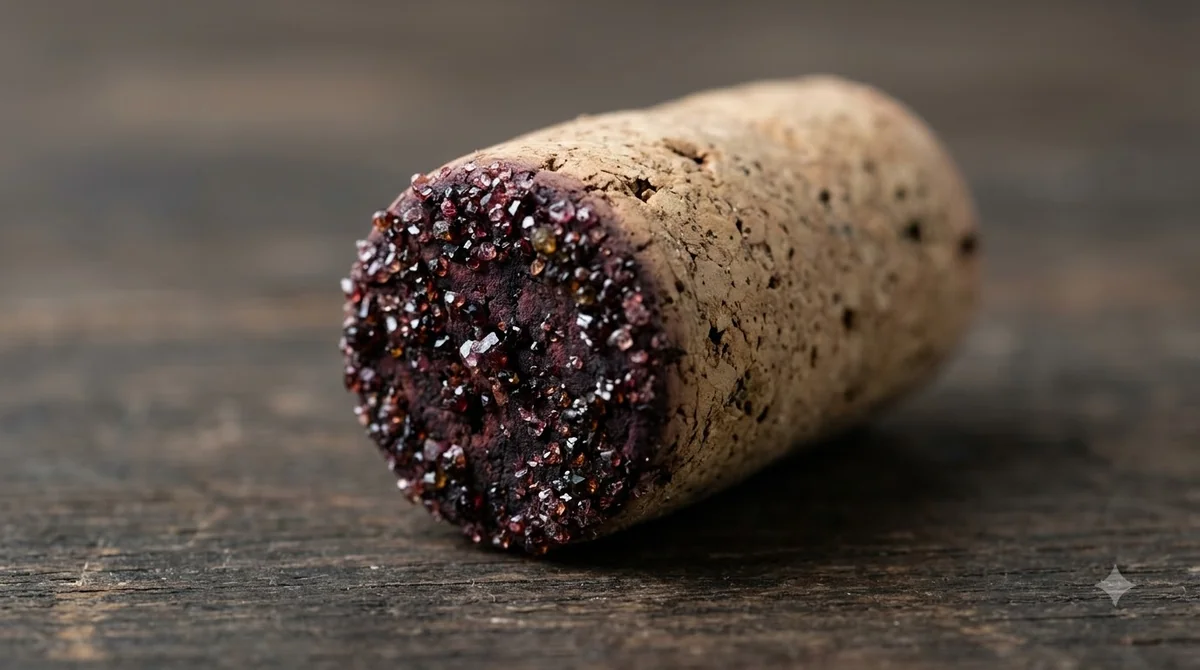
According to tasting guidelines from Wine Enthusiast, youthful Muscadet is best enjoyed within one to five years of the vintage, though top Cru Communal bottlings can evolve gracefully for up to a decade. Young bottles need no decanting; simply pull the cork or unscrew the cap, pour a modest glass, and let the subtle carbonation from sur lie aging tingle on your tongue.
If you open an older, extended-lees bottling from a producer like Domaine de la Pépière, Domaine Luneau-Papin, or Chéreau-Carré, pouring it into a slightly wider tulip-shaped white wine glass gives the savory, nutty aromas room to open up. Once opened, recork the bottle and keep it in the refrigerator, where the wine’s high natural acidity will keep it fresh for two to three days.
Tip: Put your bottle in the fridge two hours before dinner, then pull it out 10 to 15 minutes before pouring so the temperature lands right around 46°F.
Food Pairing
Muscadet’s combination of 10% to 12% alcohol, piercing acidity, and briny minerality makes it the classic companion for raw oysters and shellfish. Low alcohol ensures the wine never clashes with delicate seafood or intensifies spicy seasonings.
In its hometown of Nantes, locals pair chilled Muscadet Sur Lie with platters of freshly shucked Atlantic oysters, steamed mussels, shrimp, and grilled sea bass. The wine acts like a squeeze of fresh lemon over fish, cutting through richness and cleansing the palate between bites without leaving a heavy alcoholic finish.
Beyond the raw bar, Muscadet works effortlessly with everyday dishes that overpower higher-alcohol whites. Try it alongside fresh Loire Valley goat cheese, herb-dressed green salads, pan-seared chicken with lemon and capers, or light garlic-and-olive-oil pasta. Because the alcohol stays modest, you can also pour it as an easygoing pre-dinner aperitif without dulling your appetite. If you are exploring other bottles across the strength spectrum, our broader guide to Wine by Type shows how light whites stack up against fuller reds and fortified styles.
How to Choose a Bottle
Start by looking for the words “Muscadet Sèvre et Maine” paired with “Sur Lie” on the front label, as this combination signals the region’s benchmark quality and texture. Checking the back label for the stated ABV will almost always confirm a reading between 11% and 12%.
When browsing a shop shelf, pay attention to vintage dates for entry-level bottles. Because basic Muscadet Sur Lie relies on vibrant freshness and subtle spritz, look for the most recent two or three harvests rather than dusty older bottles sitting upright under bright store lights. If you want more weight and complexity without stepping up to a 14% ABV Chardonnay, seek out bottles labeled with one of the village Crus Communaux—such as Clisson, Gorges, or Le Pallet—which offer deeper texture at the exact same restrained alcohol level.
Understanding how low-alcohol dry whites behave also helps when planning a multi-course dinner. While Muscadet sits near the bottom of the table-wine alcohol scale alongside cool-climate ice wine alcohol content, fortified wines sit at the opposite extreme—comparing marsala alcohol content or tawny port alcohol content makes it easy to see why a 12% Muscadet feels so refreshing at the start of a meal.
Frequently Asked Questions
Is Muscadet considered a low-alcohol wine?
Yes, Muscadet is considered a low-to-moderate alcohol wine, typically measuring between 10% and 12% ABV. Because French appellation laws cap Muscadet at 12% ABV, it is noticeably lighter than most dry white wines like California Chardonnay or Viognier, which often reach 13.5% to 14.5% ABV.
Why is Muscadet alcohol content capped at 12% ABV?
French AOC regulations limit Muscadet to a maximum of 12% ABV after chaptalization to preserve its signature crisp, linear, and refreshing character. The cool maritime climate near the Atlantic Ocean naturally keeps grape sugar levels modest, and the legal cap prevents winemakers from adding excess sugar to create a heavier, high-alcohol style.
Does Muscadet Sur Lie have more alcohol than regular Muscadet?
No, aging Muscadet sur lie (on the dead yeast cells) does not increase its alcohol content, because fermentation is already complete before lees aging begins. Both standard Muscadet and Muscadet Sur Lie follow the same 9.5% minimum and 12% maximum ABV rules, though sur lie bottles feel slightly richer and creamier on the palate.
Is Muscadet sweet or dry?
Muscadet is virtually always bone-dry, with almost no residual sugar remaining after fermentation. Even though its alcohol content is relatively low—a trait often associated with sweet wines like Moscato—yeast converts nearly all the Melon de Bourgogne grape sugars into alcohol, leaving a crisp, tart, mineral finish.
With its legal 12% ABV ceiling, bone-dry finish, and bright coastal acidity, Muscadet delivers serious refreshment without heaviness. Keep a bottle chilled for shellfish nights, goat cheese boards, or any warm afternoon when a lighter pour fits the table best.
More in Wine Types & Grapes
 What Does Ruby Port Taste Like? Flavor Notes, Styles, and Serving TipsUpdated Nov 21, 2026
 What Does Ribolla Gialla Taste Like? Crisp White and Amber Styles ExplainedUpdated Nov 21, 2026
 What Does Semillon Taste Like? Flavor Profile, Styles & PairingsUpdated Nov 21, 2026
 What Does Scuppernong Taste Like? Flavor, Styles, and Pairing GuideUpdated Nov 21, 2026
 What Does Saperavi Taste Like? Flavors, Styles, and Pairing GuideUpdated Nov 21, 2026
 What Does Natural Wine Taste Like? Flavors, Styles, and Serving TipsUpdated Nov 21, 2026