


We may earn a commission when you buy through links on this page, at no extra cost to you. Learn more.
Mulled wine sugar content typically ranges from 12 grams to 30 grams per 5-ounce to 6-ounce serving, depending on whether the drink is homemade or commercially bottled. While a standard 5-ounce glass of dry red wine holds 0 to 4 grams of residual sugar, mulling recipes and commercial Glühwein producers add cane sugar, honey, fruit juice, or liqueurs to balance the bitterness of steeped spices and warm tannins. Bottled varieties generally sit at the higher end of that range, often carrying between 10.5 grams and 17 grams of sugar per 100 milliliters.
Serving wine hot changes how the human palate perceives flavor, amplifying acidity and astringency while muting fruit sweetness. Understanding how base wine selection, added sweeteners, and regional styles affect the final sugar count helps wine drinkers control sweetness in the pot or choose a bottle that matches their palate.
Mulled Wine Sugar Content Breakdown by Style
The exact amount of sugar in a mug of spiced wine depends heavily on preparation method, serving size, and regional tradition. Commercial bottles rely on added sugar or fruit concentrates for shelf stability and broad appeal, whereas stovetop batches let the host dial sweetness up or down.
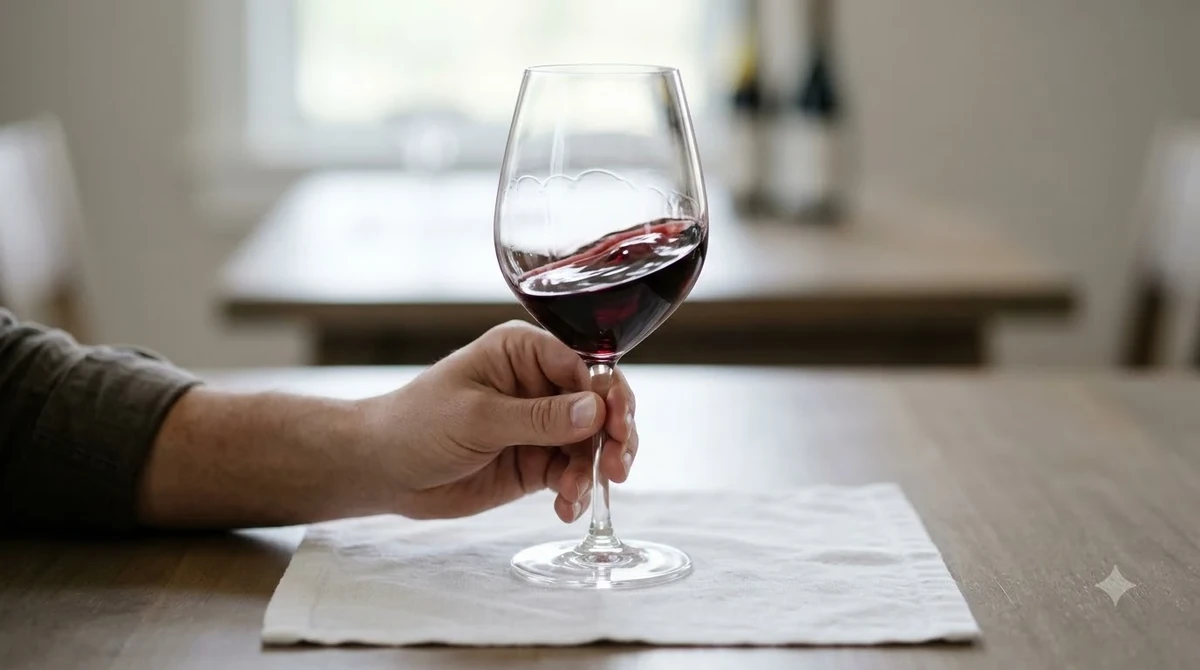
In a standard 5-ounce (150-milliliter) pour of unspiced dry red table wine, Wine Folly notes that residual sugar stays around 0 to 4 grams, with fully dry bottlings sitting under 2 grams per liter. Once that same bottle enters a saucepan with half a cup of granulated or brown sugar—a common ratio across classic recipes—the sugar load rises sharply. Half a cup of white sugar weighs roughly 100 grams, which adds about 16 to 20 grams of sugar per serving across a five- to six-glass batch before accounting for fresh orange juice or apple cider.
Pre-mixed bottled mulled wines and traditional German Glühwein frequently pack even more sweetness into every pour. Nutritional analyses of commercial mulled wines show figures spanning 10.5 grams to 17 grams of sugar per 100 milliliters, translating to roughly 18 grams to 30 grams in a standard 6-ounce (175-milliliter) wine glass. Sweetened liqueurs, port splashes, or rum-soaked sugar cones used in German Feuerzangenbowle push total sugar levels higher still.
| Wine or Mulled Style | Typical Serving Size | Estimated Sugar Content | Primary Sugar Sources |
|---|---|---|---|
| Dry Red Base Wine (Unmulled) | 5 oz (150 ml) | 0–4 g | Natural grape residual sugar |
| Lightly Sweetened Homemade Batch | 5 oz (150 ml) | 8–12 g | 2–3 tbsp sugar or honey, citrus juice |
| Classic Homemade Mulled Wine | 5 oz (150 ml) | 15–22 g | 1/2 cup sugar, orange juice or cider |
| Commercial Bottled Glühwein | 6 oz (175 ml) | 18–30 g | Added sugar, glucose syrup, fruit concentrate |
| Fortified or Liqueur-Spiked Glögg | 5 oz (150 ml) | 22–32 g | Sugar, port or brandy, raisins, sweet liqueurs |
Why Warm Wine Requires Extra Sweetness
Temperature alters sensory perception in wine more dramatically than almost any other serving variable. When red wine is heated to steaming temperatures, volatile aromatic compounds lift quickly off the surface while alcohol vapors and phenolic bitterness become far more pronounced on the tongue.
At cellar temperature, a dry red wine relies on subtle fruit esters to balance its natural acidity and grape tannins. Heating that same wine strips away the refreshing chill that keeps acid in check, making an unsweetened dry red taste sharp, metallic, and overly tannic. Adding sugar coats the palate, rounds off harsh spice edges from cloves and star anise, and restores the perception of ripe dark fruit.
Commercial producers face an additional challenge because bottled mulled wines often start with inexpensive, high-acid base wines that lack mid-palate weight. Adding generous amounts of cane sugar or grape must masks structural flaws and creates a plush texture that holds up in outdoor winter markets, even after sitting on a warmer for hours.
How Base Wine Choice Affects Final Sugar Levels
Every batch of mulled wine starts with the residual sugar already inside the bottle, which varies widely across grape varieties and winemaking styles. Choosing an appropriate base wine prevents unintentional sweetness overload before the stove is even turned on.
Most dry red varieties—including Cabernet Sauvignon, Syrah, and Merlot—ferment nearly all grape sugars into alcohol, leaving minimal sweetness behind. You can compare specific varietal baselines in our breakdown of merlot sugar content, which remains low despite the grape’s plush, chocolatey fruit profile. By contrast, starting with a jammy commercial red blend or a semi-sweet table wine introduces up to 15 or 16 grams of residual sugar per liter right out of the bottle.
White mulled wine variations also depend on base selection. As Wine Folly explains, aromatic white grapes like Riesling, Muscat, and Chenin Blanc are popular foundations for warm winter punches. Because these varieties span a spectrum from bone-dry to dessert-sweet, checking riesling sugar content before mulling ensures you do not combine an off-dry bottle with a full measure of added sugar. Similarly, recipes calling for a splash of fortified wine increase total carbohydrates significantly, as reflected in typical port sugar content figures.
Tip: Taste your base wine at room temperature before adding sweetener; if the bottle already shows noticeable fruit sweetness, cut the recipe’s sugar in half and adjust only after the spices finish steeping.
Common Sweeteners and Mixers in Mulling Recipes
Not all mulling ingredients contribute sugar at the same rate, and hidden carbohydrates often come from fruit juices and fortified spirits rather than table sugar alone. Measuring each component helps keep a homemade pot balanced rather than syrupy.
Granulated white sugar and brown sugar are the standard choices in European Glühwein and Vin Chaud because they dissolve cleanly without clouding the wine. One tablespoon of granulated sugar adds roughly 12.5 grams of sugar to the pot, while packed brown sugar contributes a similar amount alongside subtle molasses notes. Honey and maple syrup offer deeper aromatic complexity, though both are slightly denser per tablespoon and bring distinct herbal or woody flavors that compete with delicate spices.
Liquid mixers frequently account for a third or more of the total sugar in American-style mulled wine. Unfiltered apple cider, packaged orange juice, and cranberry juice all carry natural fruit sugars—often 20 to 30 grams per cup—on top of any dry sweetener stirred into the pan. Swapping bottled juice for fresh citrus zest and a modest squeeze of fresh juice delivers bright aroma with a fraction of the sugar.
Practical Ways to Lower Sugar Without Losing Flavor
Reducing sugar in mulled wine does not mean settling for a thin or bitter mug. Building aromatic intensity through whole spices, citrus oils, and gentle heating tricks the palate into perceiving richness with far less sweetener.
Start by blooming whole spices—such as cinnamon sticks, green cardamom pods, star anise, and whole cloves—in a splash of wine or water over low heat before adding the rest of the bottle. Extracting essential oils first creates a fragrant, sweet-spiced nose that compensates for lower sugar on the palate. Wide strips of orange or lemon peel add bright citrus oils without introducing the fructose found in full cups of juice.
Temperature control matters just as much as ingredient ratios. Boiling mulled wine drives off alcohol, cooks the fruit flavors into a flat jammy taste, and intensifies bitterness, which tempts cooks to dump in extra sugar to fix the balance. Keeping the pot at a bare simmer—steaming gently below a boil—preserves the base wine’s natural fruit character so two to three tablespoons of sugar per 750-milliliter bottle is plenty for most palates. If you want to explore how different base styles behave across Wine by Type, low-tannin, fruit-forward reds like Grenache or Zinfandel naturally taste rounder at lower sugar levels than high-tannin Cabernet Sauvignon.
Frequently Asked Questions
Does mulled wine have more sugar than regular red wine?
Yes, mulled wine contains substantially more sugar than standard table wine. A 5-ounce glass of dry red wine typically holds 0 to 4 grams of residual sugar, whereas a comparable serving of mulled wine usually contains between 12 and 30 grams due to added sugar, honey, or fruit juice.
How many grams of sugar are in a standard bottle of Glühwein?
Commercial bottles of German Glühwein and store-bought mulled wine generally contain between 10.5 grams and 17 grams of sugar per 100 milliliters. Across a full 750-milliliter bottle, that equals roughly 78 to 127 grams of total sugar, or about 18 to 30 grams per 6-ounce glass.
Can you make mulled wine without adding any sugar?
You can make mulled wine with zero added cane sugar by starting with a fruit-forward, low-tannin red wine like Zinfandel or Grenache and leaning on orange peel, cinnamon, and vanilla bean for perceived sweetness. If the warm wine still tastes too tart, a small splash of unfiltered apple cider softens the edges with less sugar than standard recipes.
Does heating mulled wine burn off the sugar or calories?
Heating wine does not reduce its sugar content at all, because sugar does not evaporate when warmed. In fact, if you boil mulled wine uncovered for a long period, water evaporation slightly concentrates the remaining sugar per ounce, even while a portion of the alcohol vaporizes.
Whether you pour a commercial bottle of Glühwein or simmer a custom batch on the stovetop, mulled wine sugar content comes down to how much sweetness is needed to tame heat, acid, and spice. Choosing a low-tannin, fruit-driven base wine and relying on fresh citrus peel and whole aromatics lets you enjoy a balanced winter mug without overwhelming sweetness.
More in Wine Types & Grapes
 What Does Ruby Port Taste Like? Flavor Notes, Styles, and Serving TipsUpdated Nov 21, 2026
 What Does Ribolla Gialla Taste Like? Crisp White and Amber Styles ExplainedUpdated Nov 21, 2026
 What Does Semillon Taste Like? Flavor Profile, Styles & PairingsUpdated Nov 21, 2026
 What Does Scuppernong Taste Like? Flavor, Styles, and Pairing GuideUpdated Nov 21, 2026
 What Does Saperavi Taste Like? Flavors, Styles, and Pairing GuideUpdated Nov 21, 2026
 What Does Natural Wine Taste Like? Flavors, Styles, and Serving TipsUpdated Nov 21, 2026