

We may earn a commission when you buy through links on this page, at no extra cost to you. Learn more.
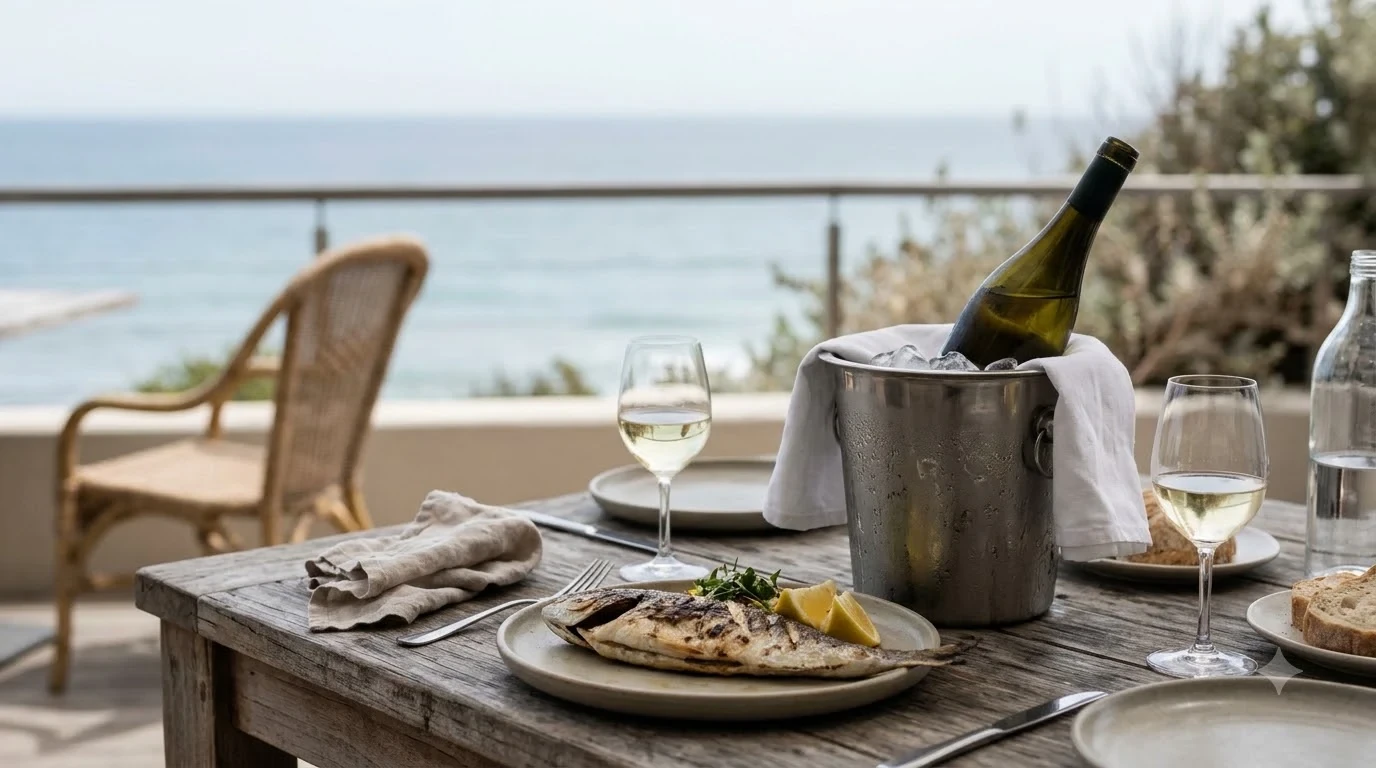
Moschofilero food pairing works best with dishes that mirror the grape’s bright citrus acidity and floral aromatics, such as lemon-dressed seafood, herb-roasted poultry, tangy goat cheese, and fresh Mediterranean salads. Because this pink-skinned Greek white wine balances crisp, dry tension with aromas of rose petal, orange blossom, and pink grapefruit, it cuts through olive oil and mild richness without overpowering delicate proteins. Serving the wine well chilled around 46 to 52 degrees Fahrenheit keeps its zesty lift sharp enough for everything from grilled octopus to Southeast Asian spring rolls.
Pronounced “moosh-ko-fee-lair-oh,” this aromatic grape from the high-altitude Peloponnese peninsula behaves like a Mediterranean cross between Pinot Grigio, dry Riesling, and Torrontés. Understanding how its fragrant nose interacts with a bone-dry palate makes matching it at the dinner table surprisingly straightforward once you know which flavors to echo and which heavy sauces to skip.
What It Is
Moschofilero is a pink-skinned aromatic grape variety indigenous to Greece, prized for producing crisp, floral white wines alongside expressive rosés and traditional-method sparkling bottlings. Although its thick skins carry a rosy-gray hue similar to Pinot Gris or Gewürztraminer, winemakers typically press the grapes gently and ferment the juice off the skins to capture pure aromatics and lively acidity.

According to Wine Folly’s Moschofilero grape guide, the variety belongs to a broader family of aromatic Greek cultivars known as Fileri, which share spicy, muscat-like perfume. Despite that sweet-smelling bouquet of potpourri, honeydew, and Meyer lemon, the vast majority of Moschofilero on American retail shelves is fermented completely dry. That contrast between a perfumed nose and a tart, mouthwatering finish gives the wine remarkable flexibility at the table.
In the glass, standard dry white expressions usually show a pale straw color with faint greenish or coppery glints depending on how much skin contact occurred during pressing. Because the grape naturally retains high malic and tartaric acid in cool mountain vineyards, winemakers rarely need to rely on heavy oak aging. Instead, stainless steel fermentation preserves the vibrant orchard fruit and floral top notes that define the grape’s identity.
Flavor and Styles
The signature profile of Moschofilero combines pronounced floral notes of rosewater, jasmine, and orange blossom with zesty flavors of pink grapefruit, lime, green melon, and white peach. Underneath the fruit, a subtle hint of white pepper and wet stone keeps the finish clean, snappy, and refreshing rather than cloying.
As Wine Enthusiast notes in its profile of Moschofilero, the grape acts like a chameleon in the cellar, yielding distinct styles depending on vineyard elevation and skin contact. Classic still white bottlings emphasize crisp citrus, green apple skin, and delicate white flowers, delivering a light-to-medium body that feels effortless on warm afternoons. When producers allow brief maceration on the pink skins, the wine shifts into a copper-tinted rosé or light orange wine with extra texture, wild strawberry notes, and gentle phenolic grip.
A smaller group of Greek estates also crafts sparkling Moschofilero, using both tank and traditional bottle-fermentation methods to amplify the grape’s natural lemon-blossom lift. If you enjoy exploring aromatic whites across our Wine by Type resources, Moschofilero bridges the gap between ultra-crisp coastal whites and plush, perfumed varieties. Even rare aged examples develop intriguing notes of beeswax, dried apricot, and toasted almond over four to five years in bottle.
Where It Grows
Moschofilero reaches its highest expression on the high-altitude plateau of Mantinia in the central Peloponnese peninsula of southern Greece. Established as a Protected Designation of Origin (PDO) in 1971, Mantinia sits roughly 2,100 to 2,200 feet above sea level, surrounded by mountains that trap cool air and extend the growing season.
Those elevated vineyards are essential to the grape’s balance because Moschofilero ripens late and struggles to maintain its signature floral perfume in overly hot climates. Cool nights and brisk mountain breezes slow down sugar accumulation while locking in crisp natural acidity, often resulting in moderate alcohol levels around 12 to 13 percent ABV. Vineyards planted on the surrounding foothills tend to yield leaner, citrus-driven wines with razor-sharp acidity, whereas the flatter central plateau produces slightly rounder, more intensely floral bottlings.
Under Greek appellation rules, wines labeled PDO Mantinia must contain at least 85 percent Moschofilero, with the remaining portion occasionally blended with local white grapes such as Asproudes. Outside Mantinia, producers across the broader Peloponnese—including Arcadia and Nemea—also bottle single-varietal Moschofilero or blend it with Roditis to add aromatic lift to crisp everyday whites.
How to Serve
Serve dry white and rosé Moschofilero well chilled between 46 and 52 degrees Fahrenheit (8 to 11 degrees Celsius) in a tulip-shaped white wine glass to focus its floral bouquet while keeping its acidity brisk. Serving the bottle straight from an ice bucket can mute the rose-petal and stone-fruit aromatics, so letting it warm slightly in the glass for five minutes pays off immediately.
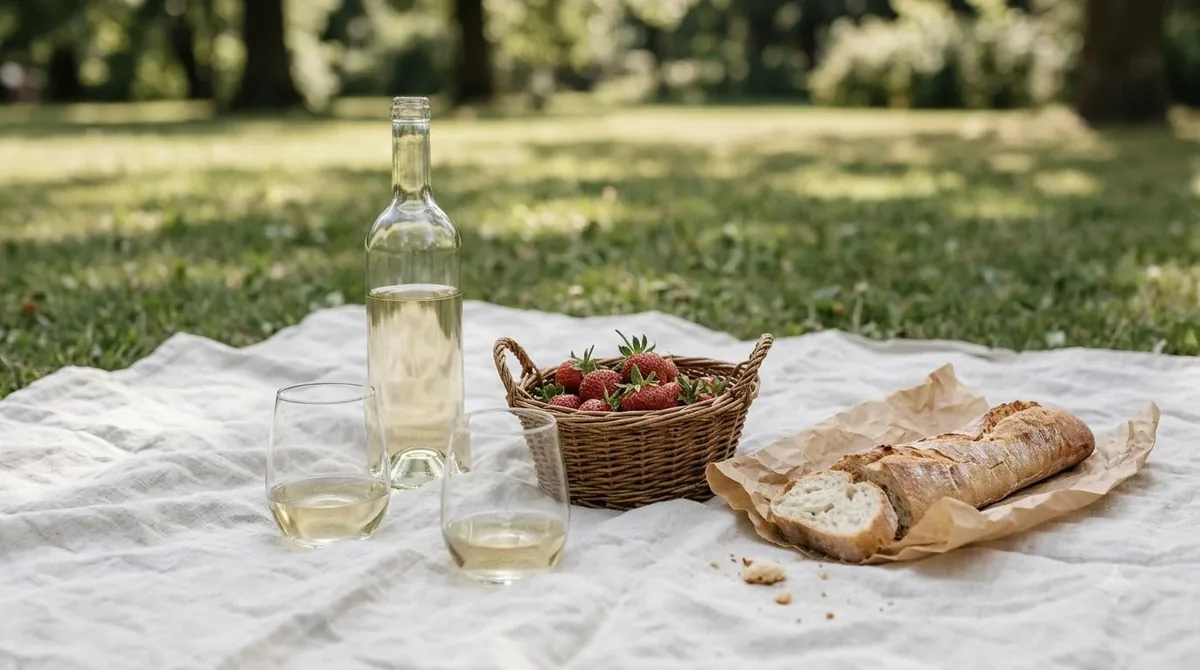
A standard white wine glass with a slightly tapered rim directs the wine toward the center of the palate, highlighting the juicy melon and citrus mid-palate before the tart finish kicks in. Holding the glass by the stem prevents body heat from warming the pour too quickly during outdoor meals or multi-course dinners.
Most classic stainless-steel bottlings are built for immediate enjoyment within one to three years of the vintage date, when their primary floral and grapefruit notes are at peak intensity. However, single-vineyard or lees-aged Mantinia releases gain extra mid-palate weight and nutty complexity after three to five years in a cool cellar, making them sturdy enough for richer autumn poultry and creamy cheeses.
Tip: If your Moschofilero tastes overly sharp on the first sip, let the glass sit on the table for five minutes; warming it by just a few degrees unlocks the lush orange-blossom and white-peach notes hiding behind the acidity.
Food Pairing
Successful moschofilero food pairing relies on matching the wine’s high acidity and aromatic lift with bright herbs, citrus marinades, mild cheeses, and lightly charred seafood. Because the wine lacks heavy oak tannins, it never clashes with delicate fish oils or raw vegetables that can make full-bodied reds taste metallic.
Think of Moschofilero as a squeeze of fresh lemon and a scattering of chopped herbs in liquid form. Mediterranean staples—such as grilled sea bass with olive oil and oregano, fried calamari, steamed mussels in white wine, and classic horiatiki salad with briny feta—align effortlessly with the wine’s zesty finish. Beyond Greek cuisine, the grape’s floral perfume also makes it a standout partner for Vietnamese summer rolls, sushi, mild Thai herb salads, and cucumber tea sandwiches, where a touch of aromatic fruit softens gentle spice and fresh cilantro.
| Dish Category | Specific Pairing Ideas | Why It Works |
|---|---|---|
| Seafood & Shellfish | Grilled octopus, lemon-garlic shrimp, fried calamari, seared scallops, sushi | High acidity slices through olive oil and rich shellfish while zero oak prevents metallic aftertastes. |
| Poultry & Light Meats | Herb-roasted chicken, lemon-oregano souvlaki, pork tenderloin with fennel | Citrus and white-pepper notes echo savory herbs and cleanse the palate between bites. |
| Cheese & Mezze | Feta, fresh chèvre, ricotta with honey, halloumi, tzatziki, hummus | Briny, tangy dairy softens the wine’s tart finish while creamy textures highlight floral fruit. |
| Vegetables & Global Dishes | Vietnamese salad rolls, grilled asparagus, spanakopita, roasted bell peppers | Aromatic rose and grapefruit notes complement fresh mint, cilantro, and sweet caramelized vegetables. |
When planning a multi-course menu, keep heavier smoked meats, rich tomato stews, and heavily charred red meats for fuller-bodied reds—for instance, those dishes shine in a blaufrankisch food pairing or a savory carignan food pairing. Likewise, if a dish features rich butter sauces or roasted root vegetables that call for rounder body and lower acidity, a grenache blanc food pairing will carry that extra weight better than crisp Moschofilero.
How to Choose a Bottle
Look for the PDO Mantinia designation on the front label and check the vintage date to ensure you are picking up a recent release with vibrant, intact aromatics. Because Moschofilero thrives on fresh primary fruit and floral lift, bottles from the most recent one to two harvests reliably deliver the snappiest citrus and rose-petal character.
When browsing a shop shelf or restaurant list, pay attention to subtle cues on the back label that signal style differences. Wines fermented exclusively in stainless steel will lean crisp, zesty, and aperitif-friendly, making them ideal for raw shellfish, salads, and warm-weather sipping. Bottlings that mention extended lees contact, wild yeast fermentation, or brief skin maceration offer a slightly broader texture and deeper spice notes suited to roasted chicken, grilled fish, and semi-soft cheeses.
Established Peloponnese producers frequently imported into the United States include Tselepos, Boutari, Domaine Skouras, Domaine Spiropoulos, Semeli, Nasiakos, Bosinakis, and Troupis. Checking the alcohol percentage on the label also provides a quick clue: bottles around 12 to 12.5 percent ABV tend to feel extra brisk and linear, while 13 percent ABV releases usually show riper stone fruit and a fuller mid-palate.
Frequently Asked Questions
Is Moschofilero a sweet or dry white wine?
Nearly all bottled Moschofilero is fermented completely dry, despite its intensely floral, Muscat-like aromas of rose petal and orange blossom. Those fragrant fruit notes can trick your brain into expecting sweetness on the first sniff, but the palate finishes crisp, tart, and refreshing.
What does Moschofilero taste like compared to Pinot Grigio or Sauvignon Blanc?
Moschofilero shares the light body and zesty citrus snap of Italian Pinot Grigio, but it offers far more aromatic perfume on the nose. Compared to Sauvignon Blanc, it swaps grassy, green bell-pepper notes for softer white flowers, pink grapefruit, honeydew melon, and subtle white pepper.
What foods should you avoid pairing with Moschofilero?
Avoid heavy red meats, thick cream sauces, smoky barbecue, and intensely sweet desserts, all of which will overwhelm Moschofilero’s delicate floral frame. Dishes laden with dark soy reduction or fiery chili heat can also clash with the wine’s bone-dry, high-acid finish.
Can you pair Moschofilero with spicy Asian dishes?
Yes, dry Moschofilero works wonderfully with mild-to-medium aromatic Asian dishes such as Vietnamese fresh spring rolls, lemongrass chicken, and ginger-steamed fish. Its pronounced floral and citrus aromatics harmonize with fresh herbs like cilantro and Thai basil, though extremely fiery dishes still call for a wine with a touch of residual sugar.
Whether you are building a Mediterranean mezze spread or looking for a lively white to brighten weeknight seafood, Moschofilero brings unmistakable floral charm and crisp acidity to the table. Start with a well-chilled bottle from Mantinia alongside lemon-dressed fish or tangy goat cheese, and let its aromatic lift do the rest.
More in Wine Types & Grapes
 What Does Ruby Port Taste Like? Flavor Notes, Styles, and Serving TipsUpdated Nov 21, 2026
 What Does Ribolla Gialla Taste Like? Crisp White and Amber Styles ExplainedUpdated Nov 21, 2026
 What Does Semillon Taste Like? Flavor Profile, Styles & PairingsUpdated Nov 21, 2026
 What Does Scuppernong Taste Like? Flavor, Styles, and Pairing GuideUpdated Nov 21, 2026
 What Does Saperavi Taste Like? Flavors, Styles, and Pairing GuideUpdated Nov 21, 2026
 What Does Natural Wine Taste Like? Flavors, Styles, and Serving TipsUpdated Nov 21, 2026