

We may earn a commission when you buy through links on this page, at no extra cost to you. Learn more.
Fino sherry alcohol content is typically 15% alcohol by volume (ABV), making it stronger than most regular table wines but lighter than many other fortified wines. Most bottles fall around 15-16% ABV, although the permitted range can extend higher. Fino gets its distinctive strength through traditional fortification, which prepares the base wine for biological aging beneath a layer of flor yeast.
Fino is one of Spain’s driest and most refreshing Sherry styles. Its pale color, almond-like aromas, salty character, and crisp finish make it a popular aperitif and a natural partner for seafood and tapas. Understanding its alcohol percentage helps with choosing a bottle, estimating the alcohol in each pour, and serving it at the right temperature.
Typical Alcohol Percentage in Fino Sherry
Most Fino Sherry contains approximately 15% ABV, with many commercially available bottles falling between 15% and 16%. This is noticeably higher than the alcohol level of an average white wine, but it remains relatively moderate among fortified wine styles.
The Consejo Regulador, the regulatory organization responsible for the Jerez wine designation, gives Fino an alcoholic-content range of 15-18% by volume, with 15% identified as the usual strength. Wine Enthusiast also describes typical Fino examples as containing 15-16% ABV. These figures provide a useful starting point when comparing bottles.
The exact percentage depends on the wine’s production, aging, and final bottling specifications. A bottle marked 15% ABV is a conventional example, while one marked 16% contains slightly more alcohol in the same volume. The difference is not enormous, but it matters when calculating the amount of pure alcohol in a serving.
Fino is classified as a fortified wine, although its traditional production details are more specific than simply adding alcohol to ordinary wine. The base wine is fermented dry before grape spirit is introduced. This process raises the alcoholic strength to a level that encourages the development of flor, the yeast layer responsible for much of Fino’s character.
What 15% ABV means in practice
Alcohol by volume measures how much of a drink consists of pure alcohol. A wine at 15% ABV contains 15 milliliters of pure alcohol in every 100 milliliters of liquid. It does not mean that 15% of the bottle consists of grape spirit added during production.
For example, a 750 ml bottle of Fino at 15% ABV contains approximately 112.5 ml of pure alcohol. A 375 ml half-bottle at the same strength contains approximately 56.25 ml. These calculations are useful for comparing bottle sizes and understanding why a relatively small serving of Fino can contain more alcohol than a similar pour of ordinary white wine.
Alcohol percentage also differs from perceived strength. Fino is usually dry, light in body, and served very cold. Those characteristics can make it feel crisp and refreshing even though its alcohol concentration is higher than that of many still wines.
Why Fino Sherry Has a Higher Alcohol Level
Fino’s alcohol content comes from a combination of natural fermentation and traditional fortification. Producers first ferment Palomino grape juice into a dry base wine, then adjust its alcoholic strength to support biological aging beneath a layer of flor yeast.
Palomino is the principal grape associated with dry Sherry production in Andalusia, particularly around Jerez de la Frontera and El Puerto de Santa María. Its relatively neutral flavor profile allows the effects of fermentation, flor, and aging to become central to the finished wine. The result is a distinctive dry wine with savory rather than overtly fruity characteristics.
After fermentation, producers add grape-derived spirit to the base wine. The Jerez regulatory council describes the traditional Fino method as bringing the wine to approximately 15% ABV. The resulting alcohol level helps create suitable conditions for flor to develop across the surface of the wine.
The role of flor yeast
Flor is a naturally occurring film of yeast that grows on the surface of the wine inside partially filled oak casks. It acts as a protective layer, limiting direct exposure to oxygen and helping preserve Fino’s pale appearance and fresh character.
This biological aging process also changes the wine’s aroma and flavor. Flor contributes notes associated with fresh bread dough, almonds, green apple, and savory herbs. These characteristics distinguish Fino from Sherries that mature primarily through oxidative aging.
Traditional Fino aging lasts at least two years. During this period, producers use the criaderas and solera system, which involves transferring wine between different levels of aging casks and periodically blending older wine with younger wine. This helps maintain a recognizable house style across bottlings.
The casks are traditionally made from American oak. Unlike a conventional white wine that may develop substantial oak flavors through barrel contact, Fino’s identity comes primarily from its biological aging rather than pronounced vanilla or toasted wood notes.
Why Fino does not taste as strong as its ABV suggests
Fino has several characteristics that make its alcohol less obvious on the palate. Its very dry profile, refreshing acidity, saline impression, and cool serving temperature create a crisp sensation that contrasts with its relatively high ABV.
Its typical sugar concentration is also low. According to the Jerez regulatory council, Fino generally contains less than 4 grams of sugar per liter, with usual examples containing less than 1 gram per liter. This helps explain why it tastes dry rather than sweet or syrupy.
The combination of dry flavors and a delicate texture can make Fino seem lighter than its actual alcohol percentage. That perception should not be confused with a lower concentration of alcohol.
Alcohol in a Glass of Fino Sherry
A standard 5-ounce pour of Fino at 15% ABV contains approximately 0.75 ounces of pure alcohol, or about 22.2 ml. Smaller aperitif servings contain less alcohol in total, but their concentration remains the same.
Fino is frequently served in smaller quantities than ordinary table wine because it has a concentrated savory character and is traditionally enjoyed alongside food. A small glass can be enough to accompany a plate of olives, almonds, or cured ham.
The following figures show the approximate pure alcohol content at different serving sizes. They assume a bottle strength of exactly 15% ABV.
| Serving size | Volume in ml | Pure alcohol | US fluid ounces of alcohol |
|---|---|---|---|
| 2 oz | 59 ml | 8.9 ml | 0.30 oz |
| 3 oz | 89 ml | 13.4 ml | 0.45 oz |
| 4 oz | 118 ml | 17.7 ml | 0.60 oz |
| 5 oz | 148 ml | 22.2 ml | 0.75 oz |
| 750 ml bottle | 750 ml | 112.5 ml | 3.80 oz |
These numbers illustrate why serving size matters as much as ABV when comparing wines. A 2-ounce aperitif pour of Fino contains considerably less total alcohol than a 5-ounce glass, even though both come from the same bottle.
A typical 750 ml bottle provides approximately five 5-ounce glasses. If it is poured in 3-ounce servings, it provides approximately eight full servings. Smaller traditional pours can therefore make a bottle last longer during a meal.
For comparison, consider a 5-ounce glass of white wine at 12% ABV. It contains approximately 0.6 ounces of pure alcohol, compared with 0.75 ounces in the same-sized serving of Fino at 15% ABV. The Fino serving contains 25% more alcohol in an equal pour.
Tip: When comparing Fino with table wine, compare equal serving sizes and ABV figures. A small aperitif glass can contain a different amount of alcohol from a full 5-ounce wine pour, even when the wine itself has the same strength.
Fino Sherry Compared With Other Wines
Fino is stronger than most conventional still wines but generally less alcoholic than many other fortified wine styles. Its typical 15% ABV places it near the lower end of the broader fortified wine category.
Regular white and red wines commonly fall around 11-14% ABV, although individual bottles vary. Some lighter whites are below this range, while certain full-bodied reds can reach or exceed 15%. Fino therefore overlaps with stronger table wines while retaining the distinctive production characteristics of Sherry.
Other Sherry styles can have considerably higher alcohol levels. Amontillado and Oloroso are often stronger than Fino because of differences in their fortification and aging methods. Sweet Sherries also vary, so sweetness alone does not indicate how much alcohol a bottle contains.
Alcohol comparison by wine style
The following table gives useful typical ranges for comparing Fino with other familiar wines. These are general reference figures rather than fixed values for every bottle.
| Wine style | Typical ABV | General character |
|---|---|---|
| Light white wine | 11-12.5% | Fresh and relatively light |
| Fuller white wine | 12.5-14% | Richer and more concentrated |
| Red table wine | 12-15% | Ranges from light to full-bodied |
| Fino Sherry | 15-16% | Dry, savory, and delicate |
| Amontillado Sherry | 16-22% | Nutty and more developed |
| Oloroso Sherry | 17-22% | Rich and oxidative |
| Port | 19-22% | Usually fuller and often sweeter |
The Sherry ranges shown for Amontillado and Oloroso reflect the broader style specifications. The table’s Fino figure describes the common commercial range rather than every possible specification or bottling.
Fino versus Amontillado
Amontillado begins with biological aging under flor, much like Fino, but continues its development through oxidative aging after the protective yeast layer disappears. This gives it a deeper color and more pronounced aromas of toasted nuts, mushrooms, and dried fruit.
Its alcohol level is usually higher than Fino’s, often around 18% ABV in common examples. Wine Enthusiast describes Amontillado as a richer style with more pronounced oxidative character. Fino, by contrast, retains a lighter profile with almond, bread dough, and saline notes.
Fino versus Manzanilla
Manzanilla is closely related to Fino and uses the same broad biological aging approach. The distinction is geographical: Manzanilla is associated with Sanlúcar de Barrameda, a coastal town in the Sherry region.
Both styles are commonly around 15% ABV. Manzanilla often has a particularly fresh, saline character, while Fino can show a somewhat broader almond and savory profile. For readers exploring the wider range of wines, the Wine by Type resource offers a useful starting point for understanding how different categories are classified.
How to Serve Fino Sherry and Preserve Its Freshness
Fino is best served very cold, ideally between 43°F and 46°F. Chilling the wine helps emphasize its freshness, crisp acidity, and savory aromas while keeping its alcohol from dominating the palate.
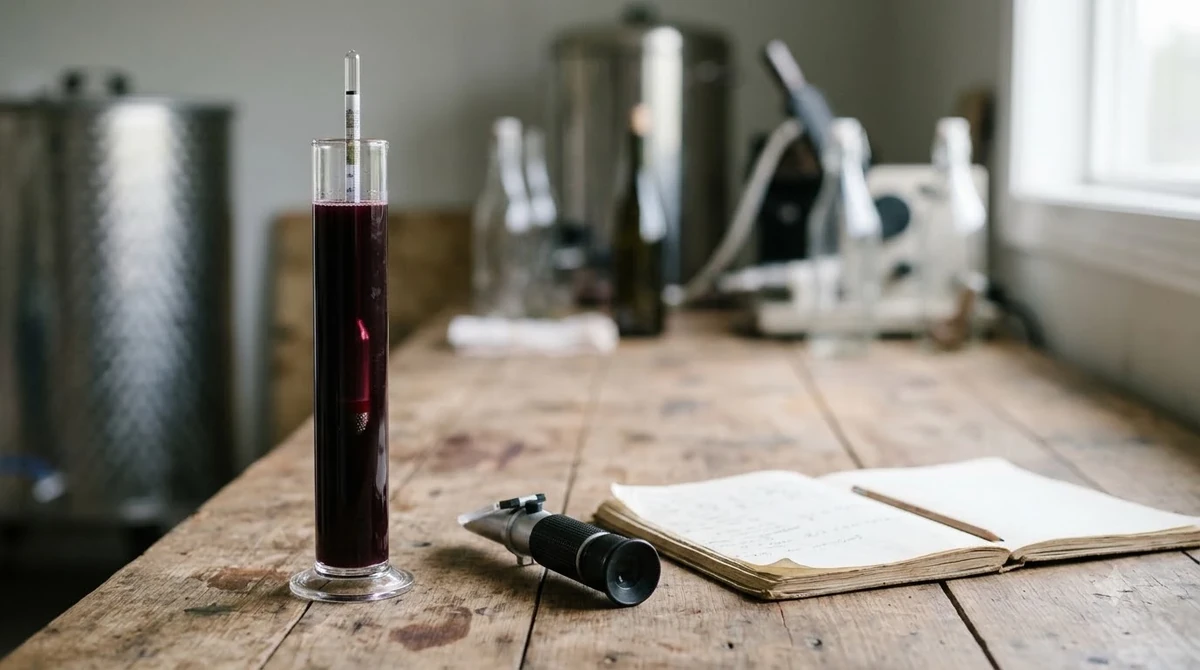
The Jerez regulatory council recommends a serving temperature of 6-8°C, which converts to approximately 43-46°F. This is colder than the usual serving temperature for many fuller-bodied white wines. An ice bucket containing both ice and water is a practical way to keep a bottle chilled during a meal.
A traditional catavino, the small glass associated with Sherry, is suitable for Fino. A regular white wine glass also works well, particularly when the wine is being served with a full meal. A white wine glass gives the aromas room to develop without requiring a large serving.
Choosing the right serving temperature
Temperature affects the balance between aroma, acidity, and alcohol perception. A Fino served too warm may seem more alcoholic and less refreshing. A properly chilled serving highlights its almond notes, delicate yeasty aromas, and clean finish.
Once poured, the wine can gradually warm in the glass. This allows some additional aromatic detail to emerge without sacrificing the refreshing character that makes Fino particularly suitable as an aperitif.
Storing an opened bottle
Fino is more delicate after opening than many richer Sherry styles. Its biological aging protects it during production, but once bottled and exposed to air, the wine can gradually lose its freshness and aromatic definition.
After opening, reseal the bottle and keep it refrigerated. For the best flavor, aim to finish it within approximately 1-3 days, although storage conditions and the amount of air in the bottle influence how quickly its character changes.
Unopened bottles should be stored in a cool, dark location away from direct sunlight and large temperature fluctuations. Sherry bottles are generally stored upright. Fino is usually intended to be enjoyed fresh rather than kept for extended cellar aging after purchase.
Decanter also emphasizes that Fino should be served very cold and enjoyed fresh. Its delicate, yeast-driven character is a major part of its appeal, so preserving that freshness is more important than treating it like a long-term cellar wine. Its guide to drinking fortified wines in the summer also highlights the traditional combination of chilled Fino, olives, anchovies, and salty snacks.
Food Pairings That Work With Fino’s Alcohol and Flavor
Fino is particularly well suited to salty, savory, and acidic foods. Its dry finish, refreshing acidity, and distinctive saline character make it a natural partner for tapas, seafood, cured meats, and simple appetizers.
The Jerez regulatory council specifically recommends olives, nuts, Iberian cured ham, shellfish, and fish. These foods complement Fino’s savory character without overwhelming its delicate aromas. Its dry finish also makes it useful alongside dishes that can be difficult to pair with fuller or sweeter wines.
One of its strongest qualities is its ability to accompany foods with noticeable acidity. Fino’s own acidity helps it remain lively alongside vinaigrette salads, marinades, and traditional cold Spanish soups such as gazpacho and ajo blanco.
Salty appetizers and cured meats
Green olives, salted almonds, potato chips, and Iberian ham are straightforward pairings. Salt can soften the perception of certain wine characteristics, while Fino’s dryness and savory notes complement the intense flavors of these foods.
Fried seafood is another particularly successful match. Fried calamari, small fried fish, and shrimp benefit from the wine’s crisp finish, which contrasts with the richness of the cooking oil. The combination is especially appealing when the seafood includes lemon or a lightly acidic sauce.
Seafood and fresh fish
Fino works well with shellfish such as oysters, shrimp, clams, and mussels. Its saline impression complements the natural flavors of seafood, while its freshness prevents the pairing from feeling heavy.
Anchovies are another classic option. Their pronounced saltiness and concentrated flavor can make many wines seem less balanced, but Fino’s savory profile is well suited to this type of food.
Raw seafood preparations can also work, including sashimi and simple fish dishes with citrus. The key is to keep the preparation relatively clean so the delicate yeast and almond notes remain noticeable.
Foods to approach carefully
Fino is not the best choice for every dish. Strong sweetness can make its dry character seem sharper, while very heavy sauces may overwhelm its relatively delicate body. Very hot chili dishes also require some care because alcohol can intensify the sensation of heat.
For dishes with substantial sweetness, a sweeter Sherry or another wine with matching sweetness may be a better choice. For example, readers considering dessert wines can compare ice wine alcohol content to understand how a sweet wine differs from a bone-dry fortified style.
Likewise, a recipe that specifically calls for a richer fortified wine may need something other than Fino. A Fino Sherry substitute can be useful when the intended flavor profile or alcohol concentration is different from what Fino provides.
Choosing a Fino Bottle and Understanding the Label
Choosing Fino becomes easier when the label, alcohol percentage, and production style are considered together. The most familiar starting point is a dry Fino around 15% ABV, made primarily from Palomino grapes and aged under flor.
The term Fino identifies a particular Sherry style rather than a generic name for any dry fortified wine. Its production relies on biological aging, which is why the flavor profile differs from oxidative Sherries such as Oloroso and Amontillado.
When comparing two bottles, begin with the ABV printed on each label. A 15% bottle and a 16% bottle may share the same broad style, but the latter contains more alcohol in an equal serving. The alcohol percentage is one useful detail, although it does not tell the whole story about the wine’s aroma, texture, or freshness.
Recognizing typical Fino characteristics
Most Fino wines have a pale straw-yellow to light golden appearance. Their aromas can include almonds, fresh dough, green apple, and herbs. On the palate, they are dry, relatively light, and savory, often finishing with a delicate saline impression.
The presence of flor is central to these characteristics. A wine aged without the same biological protection can develop a different color and flavor profile through oxidation. This is why a pale, fresh Fino differs substantially from a darker and richer oxidative Sherry.
Understanding the alcohol declaration
Alcohol percentages are generally displayed as ABV or % vol. on wine labels. In the United States, the figure provides a convenient way to compare the strength of different bottles.
For example, a 15% ABV bottle contains 15% alcohol by volume, while a 16% bottle contains 16%. The difference is one percentage point, not a 1% difference in the total volume of the bottle.
The alcohol figure should also be separated from sweetness. Fino is characteristically dry even though its alcohol concentration is relatively high. A sweet Sherry may have a comparable or higher ABV, depending on its style and production, so sweetness is not a reliable indicator of strength.
For readers comparing other fortified wines, Marsala alcohol content provides another useful reference. Marsala is an Italian fortified wine with several styles and production approaches, making it an interesting comparison with Spanish Fino.
Frequently Asked Questions
Does Fino Sherry contain added sulfites?
Fino, like many wines, may contain sulfites, which are used during winemaking to help protect wine from oxidation and unwanted microbial activity. Bottles containing more than 10 milligrams per liter of sulfites generally require a sulfite declaration under US labeling rules. The amount varies by producer and bottling.
What grape variety is used to make traditional Fino?
Palomino is the principal grape associated with traditional Fino production in the Jerez region. The variety is valued for producing a relatively neutral base wine that allows flor aging to shape the final character. This makes the yeast-derived aromas particularly important to the style.
What does en rama mean on a Fino Sherry label?
En rama refers to Sherry bottled with limited processing, usually with less filtration or stabilization than conventional bottlings. The aim is to preserve more of the wine’s character as it comes from the cask. These wines can appear slightly hazy and may show particularly expressive yeast-driven aromas.
Can Fino Sherry be used in cocktails?
Yes. Fino works in dry cocktails that benefit from savory, nutty, and saline flavors. It can be used in a Martini variation or mixed with gin and other ingredients where a dry fortified wine provides structure. Its approximately 15% ABV also makes it a different ingredient from high-proof distilled spirits.
Is Fino Sherry the same wine as Spanish cooking sherry?
No. Traditional Fino is a drinking wine made through controlled fermentation and biological aging. Commercial cooking Sherry can contain added salt and other ingredients, and it may not follow the same production standards or offer the same delicate aromas. A proper bottle of Fino can be enjoyed on its own or used in recipes that call for dry Sherry.
Fino is a distinctive Spanish wine that combines a dry, savory profile with a typical alcohol level of approximately 15% ABV. Its strength comes from its production and aging process, while flor gives it the fresh almond, bread-dough, and saline character that sets it apart from other Sherry styles. Serve it thoroughly chilled, choose an appropriate pour, and pair it with salty appetizers or seafood to appreciate its traditional character.
More in Wine Types & Grapes
 What Does Ruby Port Taste Like? Flavor Notes, Styles, and Serving TipsUpdated Nov 21, 2026
 What Does Ribolla Gialla Taste Like? Crisp White and Amber Styles ExplainedUpdated Nov 21, 2026
 What Does Semillon Taste Like? Flavor Profile, Styles & PairingsUpdated Nov 21, 2026
 What Does Scuppernong Taste Like? Flavor, Styles, and Pairing GuideUpdated Nov 21, 2026
 What Does Saperavi Taste Like? Flavors, Styles, and Pairing GuideUpdated Nov 21, 2026
 What Does Natural Wine Taste Like? Flavors, Styles, and Serving TipsUpdated Nov 21, 2026