


We may earn a commission when you buy through links on this page, at no extra cost to you. Learn more.
Monastrell tasting notes center on concentrated dark fruit—such as blackberry, black cherry, blueberry, and ripe plum—layered with cracked black pepper, Mediterranean herbs, smoke, cocoa, and savory roasted meat. Known as Mourvèdre in France and Mataro in parts of Australia and California, this thick-skinned red grape produces full-bodied wines with firm tannins, medium acidity, and alcohol levels typically ranging from 13.5% to 15% ABV. Younger bottlings highlight juicy black fruit and violet aromas, while oak-aged and mature examples develop leather, tobacco, licorice, and earthy forest-floor depth.
Because Monastrell ripens late and thrives under intense Mediterranean sunshine, its profile combines generous dark-fruit concentration with an unmistakably savory, herbal edge. Drinkers exploring Wine by Type often find that this variety bridges the gap between plush, fruit-driven reds and structured, earthy Old World bottles, offering substantial grip alongside aromatic complexity.
What Is Monastrell?
Monastrell is a native Spanish red wine grape celebrated for producing deeply colored, full-bodied, and structured red wines, though it also appears in dry rosés, sparkling Cava rosés, and sweet fortified bottlings. The variety originated on the Iberian Peninsula and later spread across the Mediterranean basin, becoming a foundational blending partner in Southern France under the name Mourvèdre.
In the vineyard, Monastrell vines grow thick-skinned, small berries in tight clusters that require abundant warmth and dry weather to reach full phenolic ripeness. According to Wine Enthusiast, the grape is widely planted across southeastern Spain and is legally mandated as a primary variety in appellations including Jumilla, Yecla, Alicante, Almansa, and Valencia. Its drought tolerance and late-ripening nature allow growers in arid regions to harvest fruit with high natural sugar and dense skin extracts.
In the glass, a typical red Monastrell shows an opaque, deep ruby-to-violet core with slow-moving tears that reflect its extract and alcohol content. On the palate, it delivers moderate to high tannins, medium acidity, and a broad, velvety texture that holds up well to oak maturation and extended bottle aging.
Flavor Profile and Wine Styles
Core monastrell tasting notes revolve around crushed blackberry, ripe plum, black cherry, and blueberry, framed by savory notes of black pepper, wild thyme, rosemary, smoke, and cured meat. Winemaking choices—particularly fermentation temperature, oak aging, and whether the grape is bottled solo or blended—shift the wine from bright and juicy to dense and brooding.
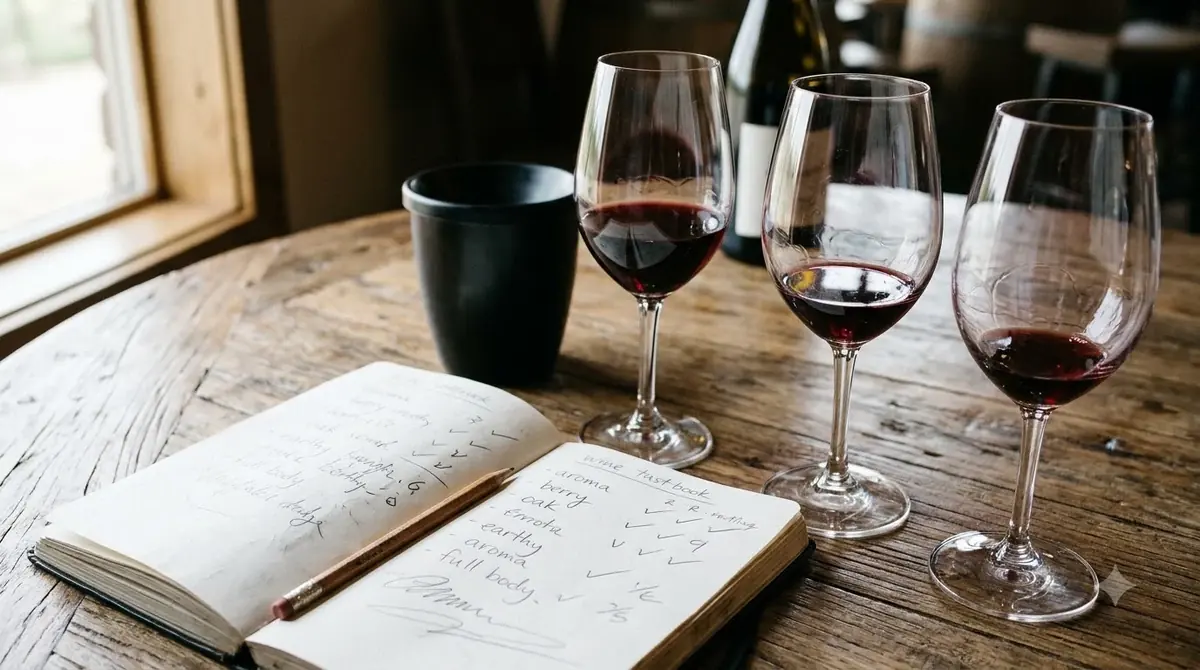
Unoaked or lightly aged Spanish Monastrell—often labeled as Joven—emphasizes fresh dark berries, red cherry, violet blossoms, and a dusty herbal lift reminiscent of wild Mediterranean scrub. Reviewers at Wine Folly highlight primary flavors of blackberry, black pepper, cocoa, tobacco, and roasted meat, noting that barrel aging integrates the grape’s substantial tannins while adding dark chocolate, vanilla, and toasted spice.
Beyond single-varietal reds, Monastrell plays a vital structural role in Rhône-style GSM blends alongside Grenache and Syrah. While grenache tasting notes lean toward bright red berries, candied strawberry, and soft spice, Monastrell contributes mid-palate weight, dark color, firm tannic backbone, and earthy complexity. Producers also craft dry Monastrell rosés—ranging from pale strawberry to deep salmon—that showcase wild strawberry, rose petal, herbs, and crisp acidity, as well as traditional sweet red styles showing stewed prunes, fig, cocoa, and licorice.
| Style / Expression | Primary Fruit Notes | Secondary & Savory Notes | Body & Structure |
|---|---|---|---|
| Young / Unoaked (Joven) | Blackberry, black cherry, ripe plum, blueberry | Violet, cracked black pepper, wild thyme, rosemary | Medium-full body, medium acidity, firm but juicy tannins |
| Oak-Aged Varietal (Crianza / Reserva) | Blackberry jam, black currant, stewed prune | Dark cocoa, leather, tobacco, smoke, clove, roasted meat | Full body, medium acidity, high structured tannins |
| GSM / Rhône-Style Blend | Raspberry, red plum, blackberry | Garrigue herbs, white and black pepper, cured meat | Medium-full to full body, balanced tannins and supple mid-palate |
| Dry Rosé | Wild strawberry, watermelon, red currant | Rose petal, dried oregano, pink grapefruit zest | Light-medium body, lively acidity, crisp dry finish |
Where Monastrell Grows Best
Monastrell performs best in warm, sunny, arid climates with well-drained limestone, gravel, or sandy soils that moderate yields and concentrate flavor. Spain holds the vast majority of the world’s plantings, followed by Southern France, Australia, and warm inland valleys of the Western United States.
Southeastern Spain remains the spiritual and agricultural heartland of the grape, particularly in the high-altitude plateaus of Jumilla, Yecla, and Bullas, as well as coastal Alicante. Sandy soils in parts of Jumilla allowed ancient, ungrafted bush vines to survive phylloxera, yielding low-cropping old-vine Monastrell with extraordinary concentration, mineral tension, and plush dark fruit. Coastal Alicante and Almansa produce similarly powerful, sun-drenched bottles accented by dried herbs and warm spice.
Across the border in France, the grape goes by Mourvèdre and reaches benchmark status in Provence’s coastal Bandol appellation, where terraced limestone vineyards facing the Mediterranean yield age-worthy, structured reds with pronounced gamey, leathery, and floral complexity. In the Southern Rhône Valley—including Châteauneuf-du-Pape and Gigondas—it serves as a key blending grape. Outside Europe, Australia’s Barossa Valley and McLaren Vale produce rich, chocolatey expressions often labeled Mataro, while California’s Paso Robles and Washington’s Columbia Valley craft ripe, peppery bottlings.
How to Serve Monastrell
Serve red Monastrell slightly below room temperature at 60–68°F (15–20°C) in a large-bowled red wine glass, and decant full-bodied or youthful bottles for 30 to 60 minutes before pouring. Proper temperature control keeps its 13.5% to 15% ABV feeling balanced rather than hot on the finish.
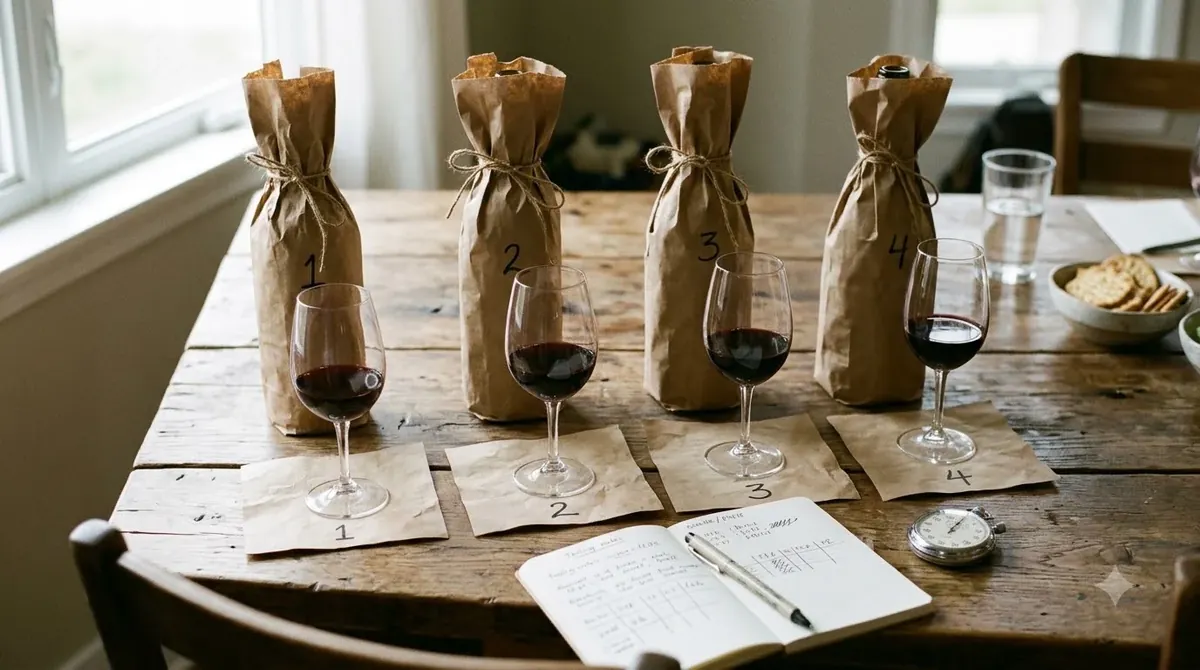
If a bottle is served too warm—above 70°F—alcohol warmth can overshadow the delicate violet, herb, and red-berry nuances beneath the dark fruit. Chilling the bottle in the refrigerator for 20 to 30 minutes prior to opening brings it into the sweet spot where acidity feels lively and tannins stay firm yet polished. Dry Monastrell rosé should be served much colder, around 46–50°F (8–10°C), to highlight its bright red fruit and refreshing snap.
Decanting is particularly helpful for Monastrell because the grape is naturally prone to reduction during winemaking, which can temporarily produce closed, meaty, or sulfurous aromas upon opening. Giving the wine 30 to 60 minutes of air in a wide decanter allows those reductive notes to blow off, softening the grip of young tannins and revealing layered cocoa, blackberry, and garrigue aromatics. Well-made oak-aged examples from strong vintages can also cellar gracefully for 10 years or more.
Tip: If a newly opened bottle of Monastrell smells overly smoky, rubbery, or closed, swirl it vigorously in a wide decanter for 45 minutes—aeration quickly releases the hidden blackberry, violet, and spice aromatics.
Food Pairing Ideas
Monastrell’s bold fruit, firm tannins, and smoky, peppery undertones pair naturally with charred meats, slow-braised dishes, and rich Mediterranean ingredients. Protein and fat soften the wine’s tannic grip while allowing its dark berry and chocolate notes to shine.
At the grill or smoker, Monastrell is an effortless partner for brisket, barbecued pork ribs, grilled lamb chops, beef short ribs, and smoky Spanish chorizo. The charred crust on grilled meats mirrors the wine’s smoky, roasted-meat character, while herbs like rosemary, thyme, and black pepper echo the grape’s natural savory profile. Slow-cooked stews such as braised oxtail, lamb shanks, or bean-and-sausage cassoulet also match the wine’s full weight.
For meatless meals, lean into earthy, umami-rich ingredients that stand up to firm tannins. Roasted portobello or shiitake mushrooms, grilled eggplant stuffed with lentils and herbs, wild rice pilaf, aged Manchego cheese, and dishes seasoned with smoked paprika or black olives all create balanced pairings. Lighter, unoaked Monastrells also work nicely with tomato-based pasta dishes and cured charcuterie.
How to Choose a Bottle
Reading the label for region, vine age, and oak aging clues lets you predict whether a Monastrell will taste bright and juicy or dense and savory. Looking at the grape name itself—Monastrell, Mourvèdre, or Mataro—also signals the regional style inside the bottle.
Start with the appellation and aging terms on Spanish labels. Bottles from Jumilla or Yecla labeled Joven or Roble typically spend little to no time in new oak, offering approachable dark berries, cracked pepper, and moderate grip for casual weeknight meals. Labels marked Crianza, Reserva, or Viñas Viejas (old vines) indicate extended barrel aging and lower-yielding vines, delivering denser tannins, dark chocolate, leather, and aging potential.
Compare Spanish Monastrell with French Bandol or New World Mourvèdre depending on your palate preference. Bandol reds tend to be firmer, more savory, and earthier, while Australian Mataro and California Mourvèdre emphasize plush blackberry, mocha, and sweet spice. If you enjoy high-tannin, deeply pigmented reds similar to petit verdot tasting notes, single-varietal old-vine Monastrell offers that same structure with a warmer, more herbal Mediterranean personality—or you can pivot to crisp sancerre tasting notes when you want a bright white contrast on the table.
Frequently Asked Questions
Is Monastrell the same grape as Mourvèdre?
Yes, Monastrell and Mourvèdre are the exact same red grape variety. It is called Monastrell in its native Spain, Mourvèdre in Southern France and most of the United States, and Mataro in parts of Australia and heritage California vineyards. Flavor differences come down to climate, soil, and winemaking rather than genetics.
Is Monastrell a dry or sweet wine?
The vast majority of Monastrell wines are completely dry, though their ripe blackberry and plum flavors can give a rich impression of fruitiness on the mid-palate. A small subset of traditional Spanish producers in Alicante and Jumilla also craft sweet fortified or late-harvest Monastrell wines with notes of fig, prune, and cocoa.
How does Monastrell compare to Cabernet Sauvignon?
Both grapes produce full-bodied, deeply colored, high-tannin red wines suited to oak aging and rich meat dishes. However, Monastrell typically shows softer, medium acidity and leans toward blue-and-black fruits, gamey roasted meat, black pepper, and wild Mediterranean herbs rather than Cabernet Sauvignon’s signature cassis, cedar, and bell-pepper notes.
Does Monastrell need to be decanted before drinking?
Decanting red Monastrell for 30 to 60 minutes is strongly recommended, especially for young or oak-aged bottles. Because the grape is prone to reduction, brief exposure to oxygen helps dissipate closed, smoky aromas while softening firm tannins and opening up layered dark fruit and floral notes.
Understanding monastrell tasting notes makes it easy to spot a bottle that delivers deep dark fruit, savory spice, and serious structure without losing its Mediterranean warmth. Whether poured alongside smoky grilled meats or explored in a classic Rhône blend, Monastrell rewards a short decant and proper serving temperature with memorable depth.
More in Wine Types & Grapes
 What Does Ruby Port Taste Like? Flavor Notes, Styles, and Serving TipsUpdated Nov 21, 2026
 What Does Ribolla Gialla Taste Like? Crisp White and Amber Styles ExplainedUpdated Nov 21, 2026
 What Does Semillon Taste Like? Flavor Profile, Styles & PairingsUpdated Nov 21, 2026
 What Does Scuppernong Taste Like? Flavor, Styles, and Pairing GuideUpdated Nov 21, 2026
 What Does Saperavi Taste Like? Flavors, Styles, and Pairing GuideUpdated Nov 21, 2026
 What Does Natural Wine Taste Like? Flavors, Styles, and Serving TipsUpdated Nov 21, 2026