


We may earn a commission when you buy through links on this page, at no extra cost to you. Learn more.
Malvasia tasting notes center on expressive aromas of ripe apricot, white peach, orange blossom, honey, and toasted almond, paired with a round, medium-bodied palate. Because Malvasia is an ancient Mediterranean family of closely related grapes rather than a single cultivar, its profile spans crisp, floral dry whites, textured skin-contact wines, lightly sparkling bottles, and rich fortified Madeira known as Malmsey. Most dry table versions fall between 12% and 13.5% ABV with low-to-moderate acidity and zero tannins, while fortified sweet styles reach around 20% ABV with vibrant, balancing tartness.
If you have ever ordered a glass of aromatic white wine in Italy, explored volcanic island bottles from Spain, or sipped a nutty, caramel-laced dessert wine from Portugal, you have likely encountered a branch of the Malvasia family. Tracing its name back to the medieval Greek port of Monemvasia, this historic grape group traveled along Venetian trade routes across southern Europe, adapting to dozens of local microclimates. Understanding how those regional clones behave in the glass makes it much easier to pick the right bottle for dinner or dessert.
What Is Malvasia Wine?
Malvasia is not a single grape variety, but a genetically diverse family of predominantly white-skinned cultivars—alongside a few notable red-skinned relatives—grown throughout the Mediterranean and Atlantic islands. Wine educators at Wine Folly highlight how regional clones like Malvasia Fina bring full aromatics, white peach, and green almond character to both still table wines and fortified styles.
Historically, Malvasia ranked among the most prized wines in Europe during the thirteenth and fourteenth centuries because its natural sugar concentration and sturdy structure helped barrels survive long sea voyages. Merchants shipped casks out of the Peloponnese port of Monemvasia, and local dialects gradually adapted the town’s name into Malvasia, Malvazia, and Malmsey. Today, ampelographers recognize dozens of distinct members within the clan, including Malvasia Bianca, Malvasia di Candia Aromatica, Malvasia Istriana, Malvasia Nera, and Malvasia delle Lipari.
While individual sub-varieties differ in berry size, skin thickness, and terpene levels, nearly all white Malvasia wines share a signature aromatic generosity and a plush, rounded mouthfeel. Unlike high-acid whites that rely on sharp citrus snap, Malvasia leans into stone fruit, floral perfume, and subtle herbal or nutty undertones. If you enjoy browsing broader classifications on our Wine by Type guide, Malvasia sits comfortably alongside aromatic whites like Gewürztraminer and Viognier, though with a distinctly Mediterranean savory edge.
Flavor Profile and Major Styles
In the glass, Malvasia tasting notes shift dramatically depending on whether the winemaker ferments the juice bone-dry, leaves residual sugar, extends skin contact, or fortifies the must with grape spirit. Dry table styles emphasize white peach, pear, wild flowers, and blanched almond, whereas sweet and fortified expressions develop dried fig, caramelized orange peel, walnut, and brown spice.

Dry still Malvasia is the everyday staple across central and northern Italy, Croatia, and Spain. On the nose, these wines open with fragrant bursts of honeysuckle, orange blossom, and ripe yellow peach, often accented by crushed basil, beeswax, or a faint saline sea-spray note from coastal vineyards. On the palate, they feel smooth and medium-bodied with soft-to-moderate acidity, finishing with a characteristic bitter-almond grip that keeps the lush fruit from feeling heavy.
Winemakers also craft skin-contact, sparkling, and red expressions that broaden the grape’s sensory range. In Friuli and Slovenia, extended maceration turns Malvasia Istriana into structured amber or orange wines layered with dried apricot, chamomile tea, ginger, and gentle phenolic tannin. Meanwhile, Emilia-Romagna and Piedmont produce lightly sparkling, off-dry frizzante and spumante bottles bursting with fresh grape, white flowers, and candied citrus, while southern Italy’s dark-skinned Malvasia Nera yields supple, cherry-and-spice red blends.
At the opposite end of the spectrum sit sweet passito and fortified wines, which represent Malvasia at its most age-worthy. For Tuscany’s Vin Santo or Sicily’s Malvasia delle Lipari, growers dry harvested bunches on straw mats to concentrate sugars, creating golden nectars redolent of acacia honey, roasted hazelnuts, and marmalade. On the island of Madeira, Malvasia forms the base of Malmsey—the richest, sweetest tier of Madeira—where oxidative aging and gentle heating produce complex aromas of toasted caramel, dried dates, coffee bean, and bright, racy acidity.
| Malvasia Style | Primary Aromas & Flavors | Sweetness & Body | Typical ABV | Ideal Serving Temp |
|---|---|---|---|---|
| Dry Still White (e.g., Istriana, Puntinata) | White peach, pear, orange blossom, green almond, sea spray | Dry; medium body, soft acidity | 12% – 13.5% | 45°F – 50°F (7°C – 10°C) |
| Skin-Contact / Orange Malvasia | Dried apricot, chamomile, candied ginger, beeswax, hazelnut | Dry; medium-full body, light tannin | 12.5% – 14% | 52°F – 57°F (11°C – 14°C) |
| Off-Dry Sparkling (Spumante / Frizzante) | Fresh grape, honeysuckle, ripe melon, lychee, lemon zest | Off-dry to sweet; light body | 6% – 11.5% | 43°F – 46°F (6°C – 8°C) |
| Passito Dessert Wine (e.g., Lipari, Vin Santo) | Acacia honey, dried fig, orange marmalade, toasted almond | Sweet; full body, balanced acidity | 13% – 15% | 46°F – 52°F (8°C – 11°C) |
| Fortified Malmsey (Madeira) | Caramel, roasted walnut, raisins, dark chocolate, citrus oil | Very sweet; full body, high acidity | 19% – 20% | 55°F – 61°F (13°C – 16°C) |
Where Malvasia Grows Best
Malvasia thrives in warm, sun-drenched coastal and island climates where sea breezes moderate afternoon heat and well-drained soils prevent rot in its relatively tight grape clusters. Italy cultivates the widest assortment of clones, followed closely by Portugal, Spain, Croatia, Greece, and select warm-climate pockets of California.
In Italy, regional sub-varieties take on distinct local personalities. Lazio uses Malvasia Puntinata and Malvasia di Candia to give Frascati its round, stone-fruit generosity, while Umbria blends Malvasia into Orvieto alongside Grechetto for added textural weight. Further north, Emilia-Romagna’s Colli Piacentini showcases intensely floral Malvasia di Candia Aromatica, Friuli-Venezia Giulia champions savory, mineral-driven Malvasia Istriana, and Puglia blends dark-berried Decanter-noted Malvasia Nera with Negroamaro to soften angular tannins.
Across the Iberian Peninsula and Atlantic archipelagos, volcanic and granitic terroirs shape remarkably long-lived wines. Portugal relies on Malvasia Fina in the Douro Valley and Dão for aromatic white blends, while Madeira’s steep coastal vineyards produce iconic Malmsey. In Spain’s Canary Islands—particularly Lanzarote and Tenerife—old-vine Malvasia Volcánica grows in black basalt ash, yielding dry and sweet wines with smoky minerality and brisk acidity. Along Croatia’s Istrian peninsula, Malvazija Istarska stands as the signature white grape, prized for fresh acacia, apple, and saline notes.
How to Serve and Store Malvasia
Serving Malvasia at the proper temperature preserves its delicate floral esters while keeping its round, low-to-moderate acidity feeling crisp and focused. Dry white and sparkling versions belong well chilled, whereas richer skin-contact, passito, and fortified styles open up best with a gentler chill.
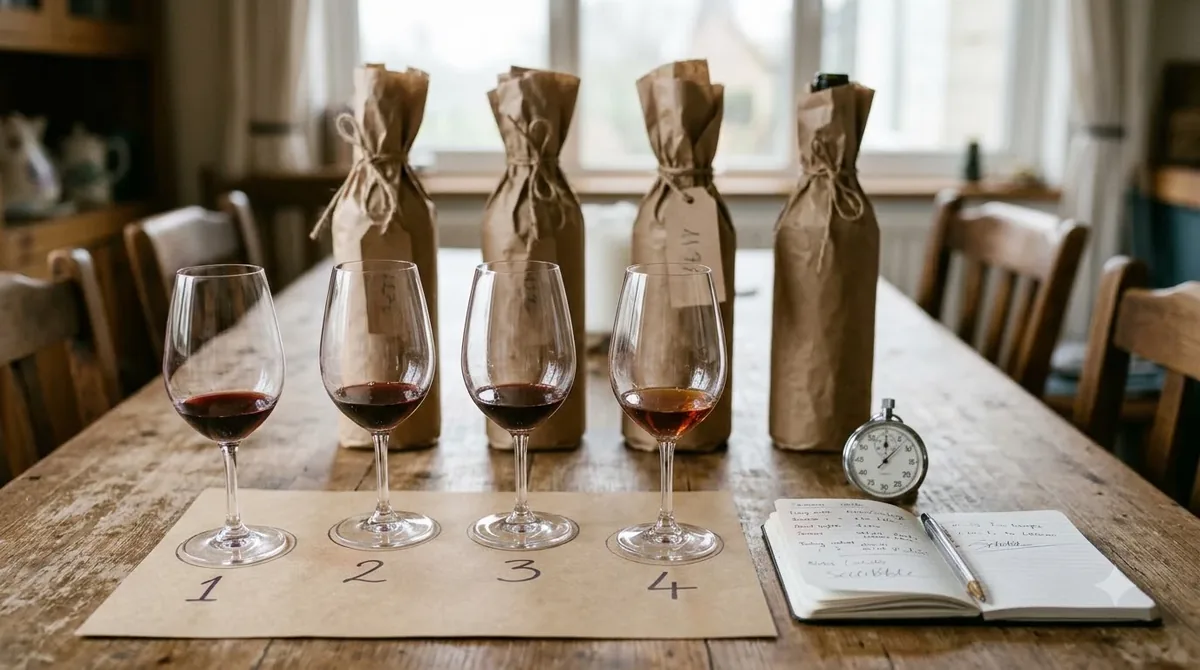
For crisp, dry white Malvasia and off-dry sparkling bottles, aim for 43°F to 50°F (6°C to 10°C)—roughly two hours in a standard refrigerator, followed by fifteen minutes on the counter before pouring. Serving dry Malvasia ice-cold mutes its signature white peach and orange blossom aromatics, while letting it warm past 55°F can make lower-acid bottles taste flat. Use a standard tulip-shaped white wine glass to concentrate the floral bouquet toward the rim.
Skin-contact orange Malvasia and fortified Malmsey Madeira reward slightly warmer temperatures and extra air. Pour amber styles at 52°F to 57°F (11°C to 14°C) in a wider-bowled universal or Burgundy glass so savory herbal and nutty notes can unfurl. Serve Malmsey Madeira around 55°F to 61°F (13°C to 16°C) in a small tulip dessert glass; unlike table wines that fade within two or three days of opening, an opened bottle of fortified Madeira remains vibrant for months or even years thanks to its oxidative aging.
Tip: If a dry Italian or Istrian Malvasia feels slightly heavy on the first pour, drop the bottle into an ice bucket for ten minutes—a modest chill sharpens its natural almond finish and lifts the citrus aromatics.
Food Pairings for Every Style
Because Malvasia spans dry, aromatic whites to syrupy fortified dessert wines, matching the wine’s sweetness and weight to the intensity of the dish is the secret to effortless pairing. Dry expressions love coastal seafood and herb-driven poultry, off-dry styles tame spicy dishes, and sweet bottles shine alongside salty cheeses and nut desserts.
Dry still Malvasia is built for Mediterranean seafood and light pastas. Its round texture and subtle salinity complement grilled sea bass, seared scallops, lemon-butter shrimp scampi, and fried calamari without overwhelming delicate flavors. It also pairs naturally with herb-roasted chicken, pork tenderloin with apricots, and creamy vegetable risottos, where the wine’s stone-fruit notes echo sweet aromatics in the food while its almond finish cleanses the palate—much like the lighter side of sancerre tasting notes, though with softer acidity and fuller orchard fruit.
When working with off-dry sparkling Malvasia or aromatic California Malvasia Bianca, lean into mildly spicy or sweet-and-savory cuisines. A touch of residual sugar cools the chili heat in Thai pad thai, Vietnamese spring rolls, or Cajun shrimp dishes, while floral aromatics harmonize with ginger, lemongrass, and five-spice pork. For red Malvasia Nera blends, try charcuterie boards, grilled sausages, or pasta with light tomato ragù—a softer, juicier alternative to the structured dark fruit you find in grenache tasting notes.
Save passito Malvasia and fortified Malmsey for the cheese course or dessert table. Sweet, nutty Malmsey cuts right through pungent blue cheeses like Gorgonzola, Stilton, and Roquefort, as well as aged Parmigiano-Reggiano and Gouda. On the sweet side, serve passito or Madeira with almond biscotti, fig tarts, baklava, crème brûlée, or dark chocolate desserts, letting the wine’s caramelized dried-fruit notes mirror the richness on the plate.
How to Choose a Bottle of Malvasia
Reading the regional appellation and sub-variety name on the label is the most reliable way to predict whether a bottle of Malvasia will taste crisp and dry or honeyed and sweet. Because producers rarely print a sweetness scale on the front label, paying attention to origin and ABV cues prevents surprises at the table.
Start by checking the alcohol percentage and regional wording. Bottles labeled Colli Piacentini Malvasia Secco, Malvazija Istarska, Frascati, or Canary Islands Malvasia Volcánica Seco typically sit between 12% and 13.5% ABV and ferment completely dry, offering bright floral and stone-fruit refreshment. Conversely, labels featuring words like Dolce, Amabile, Spumante Dolce, or Malvasia di Castelnuovo Don Bosco often carry lower alcohol (around 6% to 10% ABV) and noticeable sweetness suited for brunch or fruit tarts.
If you are shopping for a meditation or dessert wine, look for the terms Passito, Vin Santo, Vendemmia Tardiva (late harvest), or Madeira Malmsey. Still passito bottles usually list 13% to 15% ABV and come in half-bottles (375 ml), while fortified Madeira carries 19% to 20% ABV and often specifies an age designation such as 5-Year, 10-Year, or vintage Colheita. Dry white Malvasia is best purchased from recent vintages within two to three years of harvest for peak floral freshness, whereas quality Istrian, Friulian, and volcanic island examples can evolve gracefully for five to eight years in a cool cellar.
Frequently Asked Questions
Is Malvasia a sweet or dry wine?
Malvasia can be completely dry, off-dry, or deeply sweet depending on where it is grown and how it is vinified. Dry table styles are common in northern Italy, Croatia, and the Canary Islands, while sweet passito and fortified Malmsey styles dominate in Sicily, Tuscany, and Madeira. Checking the alcohol level and regional label terms like Secco (dry) or Dolce (sweet) helps clarify the style before opening.
What does Malvasia taste like compared to Moscato?
Both grapes share perfumed aromas of orange blossom, peach, and honeysuckle, but Malvasia generally feels fuller-bodied and less grapey than Moscato. While Moscato is most famous for light, sweet, fizzy wines with bright acidity, Malvasia more frequently appears as a dry, medium-bodied white with notes of green almond, pear, and subtle coastal salinity. Even in sweet styles, Malvasia leans toward honeyed dried fruit and nuts rather than pure fresh grape.
Is Malvasia always a white grape?
No, while the vast majority of Malvasia varieties have green or golden skins, several dark-skinned red varieties belong to the same botanical family. The most famous red member is Malvasia Nera, widely grown in southern Italy’s Puglia region and blended with Negroamaro to add soft plum, cherry, and sweet spice aromas. Small plantings of red Malvasia also exist in northern Italy and Portugal.
How long does an open bottle of Malvasia last?
An opened bottle of dry still or off-dry sparkling Malvasia stays fresh for two to three days when tightly recorked and stored in the refrigerator. Skin-contact orange Malvasia holds up slightly longer, often tasting expressive for four to five days due to its protective phenolic structure. Fortified Malvasia Madeira is virtually indestructible once opened, maintaining its caramel and nutty complexity for several months to over a year in a cool, dark cabinet.
Whether you uncork a crisp, floral bottle from Istria for weeknight seafood or pour a glass of nutty Malmsey Madeira alongside aged blue cheese, Malvasia rewards curiosity with remarkable versatility. Keeping its regional clones and serving temperatures in mind ensures every bottle shows off the expressive fruit, blossom, and almond character that has captivated wine drinkers for centuries.
More in Wine Types & Grapes
 What Does Ruby Port Taste Like? Flavor Notes, Styles, and Serving TipsUpdated Nov 21, 2026
 What Does Ribolla Gialla Taste Like? Crisp White and Amber Styles ExplainedUpdated Nov 21, 2026
 What Does Semillon Taste Like? Flavor Profile, Styles & PairingsUpdated Nov 21, 2026
 What Does Scuppernong Taste Like? Flavor, Styles, and Pairing GuideUpdated Nov 21, 2026
 What Does Saperavi Taste Like? Flavors, Styles, and Pairing GuideUpdated Nov 21, 2026
 What Does Natural Wine Taste Like? Flavors, Styles, and Serving TipsUpdated Nov 21, 2026