

We may earn a commission when you buy through links on this page, at no extra cost to you. Learn more.
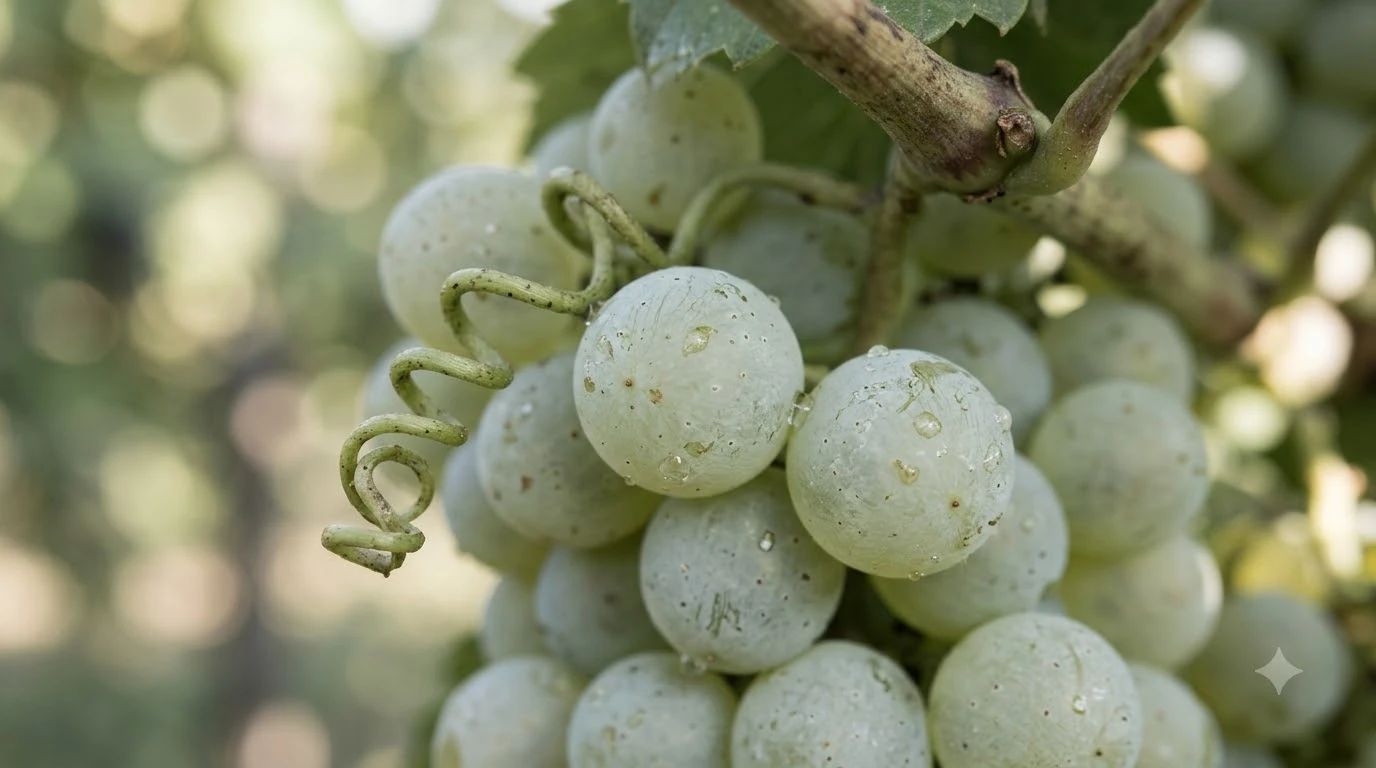
The fernao pires grape is a Portuguese white wine variety known for its expressive floral aromas, citrus flavors, and versatile winemaking potential. Also called Maria Gomes in northern Portugal, it produces fragrant dry whites, sparkling wines, blends, and occasionally sweet late-harvest wines. Its most important growing areas include Tejo, Lisboa, and Bairrada, where climate and harvest timing influence the character of the finished wine.
Portugal has an unusually diverse collection of indigenous wine grapes, and Fernão Pires is among its most recognizable white varieties. Although it does not always receive the international attention given to Alvarinho or Touriga Nacional, it offers something distinctive: abundant fragrance, approachable fruit, and flexibility across several wine styles. Understanding its regional names, growing conditions, and winemaking possibilities makes it easier to recognize a bottle and choose the right occasion for opening it.
What Is the Fernão Pires Grape?
Fernão Pires is a native Portuguese white grape variety valued for its aromatic intensity, early ripening, and ability to produce several different wine styles. Its identity is closely connected with Portugal’s central and southern winegrowing areas, although plantings extend throughout the country.

The variety is particularly important in Tejo, Lisboa, and Bairrada. In northern Portugal, especially Bairrada, it is commonly called Maria Gomes. The two names refer to the same grape rather than separate varieties. This distinction matters when shopping for Portuguese wine because a bottle labeled Maria Gomes may offer the same underlying grape characteristics as one labeled Fernão Pires.
The grape has a documented history in Portuguese viticulture and is an important part of the country’s indigenous wine heritage. The WSET overview of Portugal’s indigenous varieties explains that Portugal has more than 250 native grape varieties and that regional naming differences are common. Fernão Pires illustrates this diversity particularly well because its Maria Gomes synonym is closely associated with Bairrada.
Fernão Pires is also notable for its agricultural importance. Its high productivity and ability to grow in different Portuguese wine regions have helped it maintain an important position in the country’s vineyards. Its early development, however, means vineyard management and harvest decisions are especially important for preserving desirable acidity.
Unlike grapes grown primarily for a single recognizable wine style, Fernão Pires gives winemakers considerable flexibility. It can be bottled alone, incorporated into blends, used in sparkling wine production, or harvested later for sweeter wines. This adaptability helps explain why it remains important across several Portuguese wine regions.
For readers exploring Portuguese varieties, Fernão Pires is a useful starting point for understanding the country’s white wine traditions. It provides a different experience from the more sharply acidic Airén grape, another important white variety associated with substantial production and versatile winemaking.
Where Fernão Pires Grows in Portugal
Fernão Pires grows across Portugal, but Tejo, Lisboa, and Bairrada are especially important regions for understanding its identity. Differences in climate, soils, and harvest decisions help explain why the same grape can produce noticeably different wines.
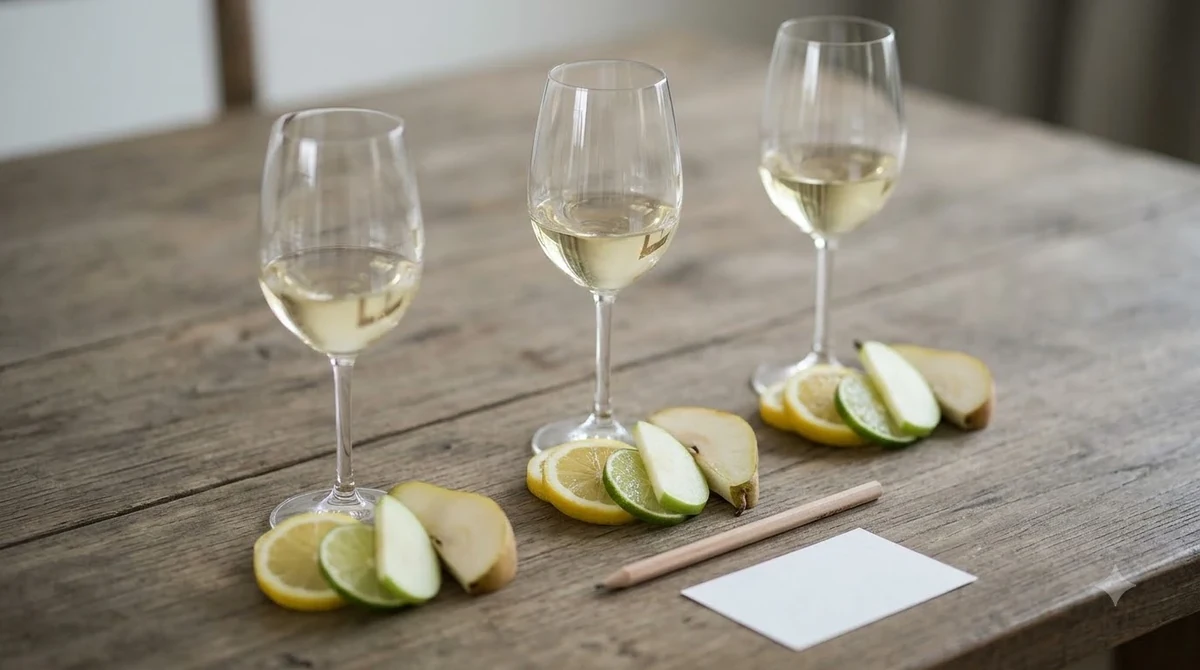
Tejo is one of the variety’s central strongholds. Located in central Portugal, the region has a relatively warm growing environment that suits Fernão Pires. Its wines can emphasize ripe citrus, peach, and other fruit characteristics, depending on harvest timing and vineyard conditions.
Bairrada is particularly interesting because Fernão Pires is generally known there as Maria Gomes. The region demonstrates that the variety can produce more than simple, fruit-forward whites. Its importance in Bairrada is substantial: the regional grape catalog identifies Maria Gomes as representing approximately 70% of the region’s white vineyard plantings in its documented profile.
Lisboa also has an important connection with the grape. Its Atlantic-influenced winegrowing areas provide another setting for producing aromatic Portuguese whites. Depending on the vineyard and harvest conditions, the resulting wine can emphasize fresh citrus, floral notes, or more generous fruit characteristics.
Fernão Pires is not limited to these three regions. It is cultivated elsewhere in Portugal, including areas farther south. The variety has also been planted successfully in South Africa and Australia, demonstrating that its potential is not restricted to its homeland.
Each region contributes a different perspective. Tejo helps illustrate the grape’s fruit-forward character, Bairrada demonstrates its established regional importance, and Lisboa adds another regional interpretation to its Portuguese identity.
When comparing bottles, look at the regional designation as well as the grape name. A Maria Gomes from Bairrada and a Fernão Pires from Tejo may share recognizable floral and citrus aromas while differing in ripeness, acidity, body, and overall texture.
Flavor, Aroma, and Structure of Fernão Pires Wine
Fernão Pires is an aromatic white grape whose most recognizable characteristics include citrus fruit, flowers, and fragrant orange-like notes. Its wines are generally dry, light to medium in body, and moderately acidic, although individual examples can vary with climate and winemaking.
The first impression often comes from the nose. Lime, lemon, orange zest, mandarin, and floral aromas are common descriptions. Rose petals and orange blossom can contribute a particularly expressive fragrance, while some examples show a muscat-like character that makes the variety easy to recognize among Portuguese whites.
Fruit character changes with grape ripeness. Earlier-picked grapes can emphasize lemon, lime, and fresher citrus notes. Riper fruit can develop peach, orange, and tropical-fruit characteristics. Harvest decisions are particularly important because Fernão Pires develops early and can lose acidity relatively quickly.
The grape’s aromatic character is one of its defining qualities. Floral compounds contribute to the impression of orange blossom and other fragrant flowers. These characteristics help explain why Fernão Pires can smell expressive even when its palate is relatively soft.
Acidity and body
Acidity is an important part of understanding this variety. Fernão Pires generally has moderate acidity rather than the sharp freshness associated with Sauvignon Blanc or Riesling. Its aromatic intensity can therefore be more prominent than its sense of crispness.
WSET specifically notes that the grape’s early development and ripening can cause it to lose acidity rapidly. This means harvest timing is an important decision for producers who want to preserve freshness. Warmer growing conditions and excessive ripeness can make the finished wine feel softer.
Body is usually light to medium, although ripeness, fermentation decisions, and aging choices can create fuller expressions. Stainless-steel fermentation commonly preserves primary fruit and floral aromas, while oak treatment can add texture and introduce additional complexity.
Typical flavor profile
| Characteristic | Typical description |
|---|---|
| Wine color | Pale to medium straw yellow |
| Primary fruit | Lemon, lime, mandarin, orange, peach |
| Floral aromas | Rose, orange blossom, other flowers |
| Additional aromas | Muscat-like fragrance and occasional spice |
| Sweetness | Usually dry |
| Acidity | Moderate, sometimes relatively soft |
| Body | Light to medium |
| Typical alcohol | Varies by producer and ripeness |
| Common serving temperature | 45–50°F for lighter examples |
| General drinking window | Often best enjoyed young |
These characteristics describe a general style rather than a fixed formula. A cooler, fresher example may emphasize lemon and flowers, while a riper wine can show more peach, mandarin, and tropical fruit. The grape’s versatility is one reason it deserves attention beyond its traditional Portuguese growing areas.
Wine Styles and Winemaking Techniques
Fernão Pires can produce dry still wines, sparkling wines, blends, and late-harvest sweet wines. Its aromatic intensity gives winemakers several options, while its moderate acidity makes harvest timing and blending particularly important.
Dry varietal wines
Single-varietal Fernão Pires is a straightforward way to understand the grape. These wines usually emphasize floral aromas and citrus fruit, with a relatively soft palate and approachable texture. They are often made to be enjoyed young, while their primary aromas remain expressive.
Temperature-controlled fermentation in stainless steel is a common approach for aromatic white wines. It allows producers to retain fresh fruit characteristics without adding strong oak flavors. The resulting wine can be an appealing choice as an aperitif or alongside lighter meals.
Blended white wines
Fernão Pires also works in blends, where its aromatic qualities can contribute fragrance and fruit character. Blending decisions depend on the producer’s desired balance and the characteristics of the available grapes.
Blending is especially useful when winemakers want to balance aromatic intensity against acidity, body, or texture. A partner grape with stronger acidity can help create a fresher overall profile, while a variety with greater structure can contribute additional weight.
Sparkling wines
Fernão Pires can also serve as a base for sparkling wine. Its floral and citrus aromas provide an expressive starting point, and its flexibility allows producers to explore different harvest ripeness levels.
Portuguese sparkling wines are not all made from the same grapes or by the same production method. The traditional method involves a second fermentation in the bottle, while other sparkling production approaches use different fermentation vessels. The production method and the final sweetness level influence the character of the finished wine.
Late-harvest and sweet wines
Late-harvest Fernão Pires offers another side of the variety. Leaving grapes on the vine longer allows additional ripening and sugar accumulation, potentially creating wines with richer fruit and a sweeter profile. In warmer Portuguese areas, producers have also used botrytised grapes to create sweet wines.
This style is particularly interesting for people who enjoy aromatic dessert wines and want to explore a Portuguese alternative to more familiar sweet white varieties. The grape’s natural fragrance can provide an expressive foundation for wines with concentrated fruit character.
For a broader understanding of these different categories, explore Wine by Type, which provides useful context for distinguishing still, sparkling, and sweet wines.
How to Serve and Store Fernão Pires Wine
Fernão Pires is generally best served chilled, with lighter dry examples benefiting from temperatures around 45–50°F. Appropriate serving temperature helps preserve citrus freshness while allowing the grape’s floral aromas to remain noticeable.
Serving the wine too cold can make its aromatic character harder to appreciate. If the bottle has been stored in a refrigerator, allow it a few minutes to warm slightly before pouring. Conversely, serving it too warm can make a moderately acidic wine feel heavier and less refreshing.
A standard white wine glass is suitable for most dry Fernão Pires wines. A moderately sized bowl gives floral and citrus aromas enough room to develop without requiring an oversized glass. Sparkling versions are generally served in sparkling wine glasses or other suitable glasses that preserve their bubbles and allow their aromas to emerge.
Serving temperature by style
| Wine style | Serving temperature | Serving suggestion |
|---|---|---|
| Light dry Fernão Pires | 45–50°F | Serve chilled in a white wine glass |
| Fuller or oak-aged white | 50–55°F | Allow additional warmth for texture and aroma |
| Sparkling Fernão Pires | 40–50°F | Use a sparkling wine glass |
| Sweet late-harvest wine | 43–50°F | Serve in smaller dessert wine pours |
Storage and drinking window
Most Fernão Pires wines are intended for relatively early enjoyment rather than prolonged cellaring. Wines of Portugal specifically recommends enjoying the variety young. Their fresh citrus and floral characteristics are generally the main attraction, and extended storage does not necessarily improve those qualities.
Store unopened bottles on their sides when they have natural cork closures, ideally in a cool, dark location near 55°F. Avoid direct sunlight, large temperature changes, and locations close to heat-producing appliances. Consistent storage conditions are more important than repeatedly moving bottles between different environments.
Once opened, reseal the bottle and keep it refrigerated. Most opened still white wines retain reasonable quality for approximately three to five days, although the aromatic freshness can decline sooner. Use a clean stopper and minimize unnecessary exposure to air.
Tip: Chill a dry Fernão Pires to approximately 45–50°F before serving. If its floral aromas seem muted, let the wine warm slightly in the glass rather than immediately pouring another glass at a higher temperature.
Food Pairings for Fernão Pires Wine
Fernão Pires pairs particularly well with seafood, white fish, salads, poultry, and lightly seasoned dishes. Its floral fragrance and citrus flavors complement delicate ingredients, while its moderate acidity makes it a flexible choice for everyday meals.
Seafood is a natural starting point. Grilled shrimp, steamed mussels, scallops, and simply prepared white fish allow the wine’s citrus and floral notes to complement the food without overwhelming it. A squeeze of lemon or a fresh herb garnish can reinforce the wine’s brighter characteristics.
Portuguese seafood dishes are especially appropriate. Bacalhau, or salt cod, is an important part of Portuguese food culture, and its different preparations offer several potential pairing opportunities. Lighter preparations with olive oil, potatoes, and herbs can work particularly well with a fresh, dry Fernão Pires.
Asian cuisine is another useful pairing category. Sushi, Vietnamese fresh spring rolls, and lightly seasoned seafood dishes can complement the grape’s fragrant fruit. The wine’s moderate acidity and relatively soft structure make it a good option when a dish contains delicate herbs, citrus, and fresh vegetables.
Pairing by ingredient
Seafood and shellfish: Try grilled shrimp, scallops, mussels, or crab. The grape’s citrus character complements natural seafood sweetness, while its floral aromas add another layer to the pairing.
White fish: Baked cod, grilled sea bass, and steamed fish with herbs are useful choices. Avoid heavy sauces that completely overwhelm the wine’s relatively delicate body.
Salads: Fresh greens, cucumber, citrus dressing, and soft cheeses can work well. Acidic dressings should have acidity equal to or greater than the wine to prevent the wine from tasting flat.
White meat: Roast chicken, grilled turkey, and herb-seasoned poultry can complement fuller examples. Wines with a little more texture are especially suitable for dishes involving olive oil or lightly creamy sauces.
Asian-inspired food: Vietnamese fresh rolls, sushi, and lightly seasoned noodle dishes can highlight the wine’s aromatic qualities. Be careful with strong chili heat because alcohol can intensify the burning sensation and make spicy food less comfortable.
Cheese: Fresh goat cheese, mild sheep’s milk cheese, and young semi-soft cheeses can complement the wine’s citrus and floral profile. Salt and fat can soften the perception of acidity, helping the combination feel more balanced.
Sweet Fernão Pires requires a different approach. A late-harvest version should generally be served with desserts that are no sweeter than the wine itself. Fruit tarts, citrus desserts, and lighter pastries can work well, particularly when their sweetness does not overpower the wine.
For another Portuguese food-and-wine comparison, consider the differences between aromatic white wines and the sweet, fruit-driven character of Brachetto grape wines. They demonstrate how aromatic grape varieties can serve very different roles at the table.
Frequently Asked Questions
Is Fernão Pires the same grape as Maria Gomes?
Yes, Fernão Pires and Maria Gomes are regional names for the same Portuguese white grape. Maria Gomes is particularly associated with Bairrada and northern Portugal. The change in name does not indicate a different grape variety or a separate genetic identity.
What is the correct pronunciation of Fernão Pires?
A practical English approximation is fehr-NOW PEER-esh. The name is Portuguese, so the pronunciation of the nasal vowel in Fernão differs from a typical English vowel sound. You may also see the simplified spelling Fernao Pires on international wine websites and retail listings.
Can Fernão Pires grow outside Portugal?
Yes. Wines of Portugal identifies South Africa and Australia as countries where the variety has been planted successfully. Its preference for warm growing conditions helps explain this international potential, although vineyard location and climate influence the final wine style.
Is Fernão Pires genetically related to Malvasia Fina?
Fernão Pires is sometimes discussed alongside other Portuguese aromatic white varieties, but its exact parentage should not be assumed from similarities in flavor. The grape’s identity is established through its own varietal characteristics and regional naming history. Malvasia Fina is a separate Portuguese grape variety.
Why is Fernão Pires vulnerable to spring frost?
The variety develops early in the growing season, including early budbreak. This can expose young shoots to damaging late spring frosts before temperatures have stabilized. Vineyard managers therefore need to consider local frost conditions when choosing growing sites and pruning strategies.
Fernão Pires deserves attention from anyone exploring Portugal’s native white wines. Its floral aromas, citrus fruit, regional diversity, and versatility make it a distinctive variety, whether bottled as a fresh dry white, blended with other grapes, or transformed into sparkling and sweet wines. Start with a young bottle from Tejo or a Maria Gomes from Bairrada to discover how Portuguese terroir shapes this aromatic grape.
More in Wine Types & Grapes
 What Does Ruby Port Taste Like? Flavor Notes, Styles, and Serving TipsUpdated Nov 21, 2026
 What Does Ribolla Gialla Taste Like? Crisp White and Amber Styles ExplainedUpdated Nov 21, 2026
 What Does Semillon Taste Like? Flavor Profile, Styles & PairingsUpdated Nov 21, 2026
 What Does Scuppernong Taste Like? Flavor, Styles, and Pairing GuideUpdated Nov 21, 2026
 What Does Saperavi Taste Like? Flavors, Styles, and Pairing GuideUpdated Nov 21, 2026
 What Does Natural Wine Taste Like? Flavors, Styles, and Serving TipsUpdated Nov 21, 2026