

We may earn a commission when you buy through links on this page, at no extra cost to you. Learn more.
Does shiraz need to breathe? Yes, most young, full-bodied bottles do, and about an hour in a decanter is the usual starting point. Shiraz, also called Syrah, is a bold red with medium-plus to high tannin, and a little air softens that grip while lifting its dark fruit and spice. Older bottles need a different approach, with a gentle pour and a short window before serving. The right answer depends on the age and style of the bottle in front of you.
Shiraz has a reputation for feeling dense and grippy the moment it is opened, so many people reach for a decanter before pouring a glass. The question is worth asking because the answer changes from bottle to bottle. A young, ripe Shiraz behaves differently from a cool-climate bottle, and an aged bottle with sediment needs its own handling. This guide covers when air helps, how long to give it, and when to skip the extra step. For the general rules that apply across the whole red category, read does red wine need to breathe first, then come back here for the Shiraz-specific timing.
Does Shiraz Need to Breathe at All?
Most young Shiraz benefits from a short period of air, though the effect depends on how closed the bottle is when you open it. Oxygen is the main reason to decant any wine, because pouring it into another vessel exposes the liquid to air quickly. According to VinePair’s explainer on decanting, bold reds such as Shiraz become much more expressive with a touch of oxygen, which is why a young bottle often shows brighter fruit after its first hour in the decanter.
Not every bottle needs the same treatment. A softer, fruit-forward Shiraz may show well straight from the bottle, while a tight, dense wine with firm tannins usually improves with time. Shiraz is also more forgiving than many reds. A side-by-side comparison from Decanter found that Syrah and Shiraz held their character across different aeration times much better than Cabernet Sauvignon did, so a decant that runs a little long or short rarely ruins the wine.
What Air Does to Shiraz in the Glass
Oxygen changes Shiraz in two directions at once, softening its structure while opening its aromas. Knowing that split helps you decide how much time a particular bottle deserves.
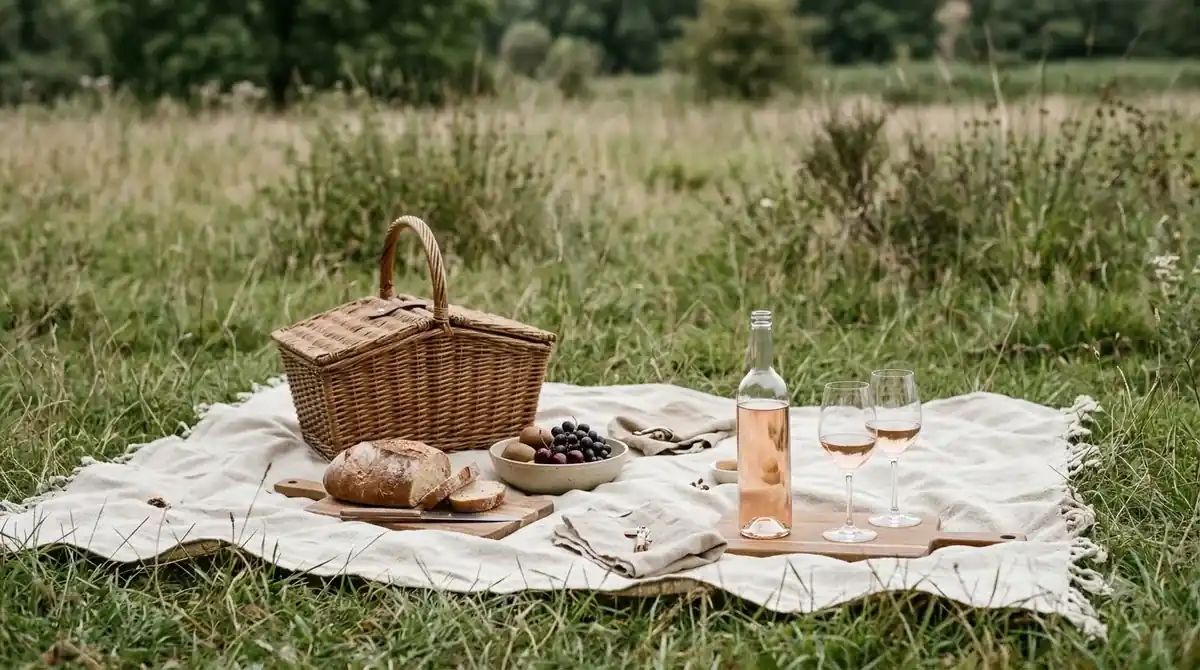
Inside a closed bottle, wine has very little oxygen, and that low-oxygen environment slows its development. Wine Folly describes wine in the bottle as practically comatose because oxygen levels are so low, and decanting introduces air that releases aromas and flavors. The trade-off is that the same exposure speeds up the reactions that eventually degrade wine, so the goal is to catch the window where the bottle is open but not yet tired.
Surface area matters as much as time. A wide decanter exposes more wine to air than a narrow one. Decanter’s article, drawing on a wine laboratory’s explanation, describes decanting as a contest between oxygen and the natural antioxidants already in the wine, along with the sulfur dioxide usually added at bottling. Those protective compounds get used up gradually, which is why a young, bold bottle can handle a long decant while an older one fades sooner.
Air does not replace time in the bottle. Decanter concluded that long aeration is not a substitute for bottle age, so a young Shiraz decanted for hours still tastes young, only with its edges rounded. Think of decanting as a way to show the wine at its best now, not a way to turn a young bottle into a mature one.
Decanting Times for Young, Bold Shiraz
For young, full-bodied Shiraz, plan on at least an hour in the decanter, and extend toward about four hours for the most tannic bottles. Leaving it overnight is the mistake to avoid.
Wine Folly lists Syrah/Shiraz among the reds that need 60 minutes or more, and it notes that the younger and more tannic a wine is, the longer it needs. The same guide puts the typical range for all wines at roughly 30 minutes to more than three hours, depending on variety and age, which places a bold Shiraz in the longer half of that range.
| Shiraz situation | Guideline |
|---|---|
| Young, full-bodied and tannic | 60 minutes or more, up to about 4 hours |
| Lighter, cool-climate style | About 1 hour, checked at 30 minutes |
| Aged bottle with sediment | Pour gently and serve right after decanting |
| Serving temperature | 60 to 65 degrees Fahrenheit |
| Upper limit in the decanter | About 4 hours, never overnight |
VinePair is more generous on the upper end. Its guidance says young bold wines can spend up to four hours in a decanter without losing aroma or flavor, as long as the wine does not sit overnight. Decanter’s comparison found that decanting one hour ahead was consistently good, and that two hours could work well for younger wines, while longer periods carried more oxidation risk. A practical routine is to open the bottle about 90 minutes before pouring, check the wine after an hour, and stop once the fruit and spice feel balanced.
Aged Shiraz and Sediment Changes the Routine
Older Shiraz needs a lighter touch, and the main goal is separating the wine from sediment rather than adding more air. Pour gently, stop at the right moment, and serve promptly.
Sediment forms as a bottle ages and settles at the bottom, and it tastes extremely bitter. VinePair explains that the technique for removing it is the opposite of a vigorous decant. Pour slowly into the decanter while watching the neck of the bottle, and stop as soon as you see sand-like sediment, leaving a few ounces behind. A fine-mesh strainer placed over the decanter catches stray particles if you want to pour to the last drop.
Wine Folly advises that dry reds of 20 years or more show best when decanted immediately before serving. For younger aged bottles, it suggests tasting a small sample periodically to see whether the tannins have smoothed and the aromas have become more present. Avoid vigorous swirling in the decanter, because delicate aromas can fade quickly. Decanter also notes that the more evolved a wine is, the greater the risk of oxidation while it sits, so time the decant close to the moment you plan to drink.
Once the sediment is out, the clock matters more than the technique. Serve the decanted wine within a short window rather than leaving it to sit through a long evening, since a bottle that has been open to air for hours can lose the freshness that made it worth opening. Pouring carefully at the start is the best way to keep the last glass as enjoyable as the first.
Cool-Climate and Lighter Shiraz
Cooler-climate and lighter Shiraz generally needs less time than a bold, warm-climate bottle, and some examples show best with only a short window. The safest starting point is about one hour, checked at the 30-minute mark.
Shiraz from cooler sites tends to show more peppery spice and less ripe weight, with a firmer structure than the most generous warm-climate bottles. Wine Folly places medium-bodied reds with medium tannins, often with high acidity, in the one-hour range, which is a sensible benchmark for a Shiraz that looks lighter in the glass. Pour a small glass at the 30-minute mark and decide from there whether the wine needs more time.
Decanter’s experts were cautious about lighter Rhône Syrah in less powerful vintages, suggesting it may be better not to decant those years at all. The same logic applies to Shiraz that already smells lifted and fresh straight from the bottle, because decanting can open the nose while costing fruit on the palate. When you do decant a lighter bottle, keep the window short, since leaving a delicate wine too long can flatten the fruit it has. A decanter is a tool for bottles that need it, not a rule for every bottle with Shiraz on the label.
Serving temperature matters even more for these bottles. Start near the lower end of the 60 to 65 degree range, since a slightly cooler glass keeps fresh edges intact, then let the wine warm gently as you drink it.
Shiraz Next to Other Reds
Shiraz sits in the middle of the red spectrum, with more structure than Pinot Noir and more forgiving aeration than Cabernet Sauvignon. Comparing it with neighboring styles helps you choose a sensible time without guessing.
Cabernet Sauvignon is the usual reference point for high tannin, and Shiraz falls just below it, with medium-plus to high tannin in most styles. That places Shiraz between the grippy profile of a young Cabernet and the lighter reds that need little air. Decanter’s findings support that middle position, because Shiraz held up well over long aeration while Cabernet changed more visibly.
Nebbiolo, the grape behind Barolo, is a different case. Wine Folly lists it in the same 60-minutes-or-more bracket as Syrah/Shiraz, so the timing looks similar even though the flavors differ. If you are weighing a bottle from that side of the table, check does barolo need to breathe before settling on a routine. Lighter reds need a shorter window. Wine Folly suggests about 30 minutes for Pinot Noir, and Beaujolais, usually served fresh and lively, tends to need little or no air, which you can explore in does beaujolais need to breathe. For a broader view of each grape, the Wine by Type guide is a helpful reference.
Serving Temperature and Common Mistakes
Temperature shapes how a Shiraz tastes as much as decanting does, and a few common errors can undo good timing. Get the serving temperature right, then decide on the decant.
Serve full-bodied Shiraz between 60 and 65 degrees Fahrenheit, which is roughly 16 to 18 degrees Celsius. A bottle served too warm can taste heavy and hot, while one served too cool hides its aromatics. Wine Folly advises against heating wine during decanting because wine is sensitive to temperature, so keep the decanter away from the stove or a sunny window.
The most frequent error is decanting too far ahead. Decanter’s comparison concluded that decanting too early is worse than decanting too late, so pour the wine only as far ahead as you need. Another mistake is applying one routine to every Shiraz. Taste the bottle straight from the glass, decant for the recommended time, and taste again. If the fruit and spice are clearer, the decant is working. If nothing changes after an hour, the wine may just need time in the glass, or it may not need a decanter at all.
Tip: If the wine smells like vinegar, it has been in the decanter too long, so pour it right away. Keeping the decanter stoppered while it waits slows oxygen contact and buys a little more time.
Frequently Asked Questions
Can I skip the decanter and just open the bottle?
Yes, and some bottles are fine that way. Decanter notes that an opened but undecanted bottle takes a few hours to become saturated with oxygen, because the liquid forms a natural barrier to gas. A bottle left open in the neck therefore changes slowly, so a young Shiraz poured straight from the bottle will be less expressive than one that has been decanted.
Is a wine aerator a good substitute for a decanter?
For a young Shiraz that needs to be served quickly, an aerator is a reasonable shortcut. Wine Folly says aerators work faster than decanters, but it advises against using them on aged wines. A decanter gives you more control over timing and sediment, so it remains the better choice for an older bottle.
What if my Shiraz still tastes closed after decanting?
Wine Folly describes a closed wine as one with very little fruit, excess tannin, or aromas that are hard to identify. Double decanting, which means pouring the wine into a decanter and then back into its original bottle, quickly aerates a closed red. Repeat the process as needed, then taste again.
Can Shiraz stay in the decanter overnight?
It is better not to. Wine Folly reports that most red wines last only 12 to 18 hours once they have been decanted, so a bottle left until the next day is likely to taste flat and tired. If you plan to decant in advance, time it for the same day you will serve the wine.
How should I store leftover Shiraz from an opened bottle?
Re-cork the bottle and refrigerate it, since opened still wines generally keep for about 3 to 5 days in the fridge. Take it out 30 to 60 minutes before serving so it can return to 60 to 65 degrees Fahrenheit. Wine that has been decanted should follow the shorter 12 to 18 hour window instead.
Shiraz rewards a little attention more than it rewards a ritual. Most young bottles benefit from about an hour in a decanter, aged bottles call for a gentle pour and quick service, and lighter styles may be just as good straight from the glass. Start with the bottle’s age and style, taste as you go, and let the wine tell you when it is ready.
More in Wine Types & Grapes
 What Does Ruby Port Taste Like? Flavor Notes, Styles, and Serving TipsUpdated Nov 21, 2026
 What Does Ribolla Gialla Taste Like? Crisp White and Amber Styles ExplainedUpdated Nov 21, 2026
 What Does Semillon Taste Like? Flavor Profile, Styles & PairingsUpdated Nov 21, 2026
 What Does Scuppernong Taste Like? Flavor, Styles, and Pairing GuideUpdated Nov 21, 2026
 What Does Saperavi Taste Like? Flavors, Styles, and Pairing GuideUpdated Nov 21, 2026
 What Does Natural Wine Taste Like? Flavors, Styles, and Serving TipsUpdated Nov 21, 2026