

We may earn a commission when you buy through links on this page, at no extra cost to you. Learn more.
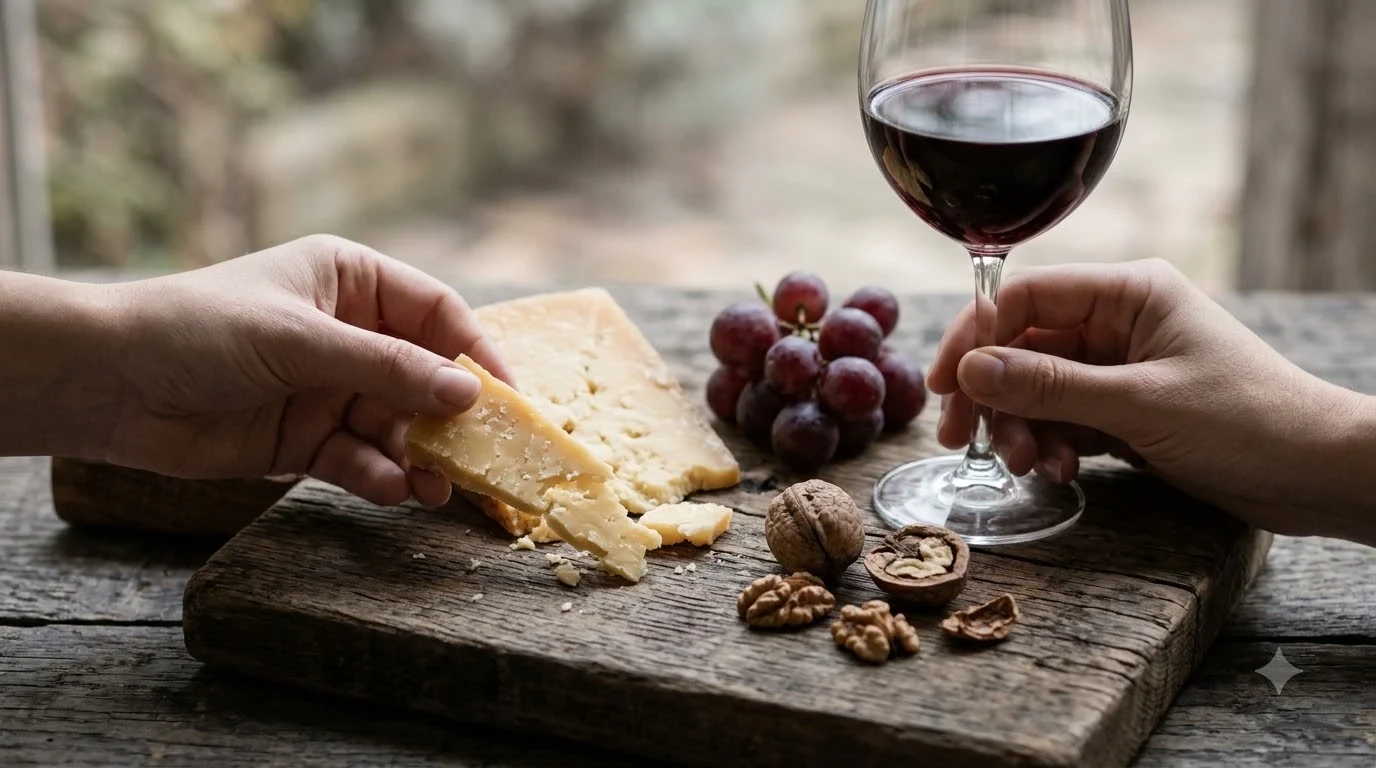
Dornfelder food pairing works best with roasted meats, sausages, hearty pasta, pizza, grilled vegetables, and flavorful cheeses. This German red wine has dark cherry, blackberry, and elderberry flavors that complement savory dishes without overwhelming them. Dry, fruity bottles are especially versatile, while fuller oak-aged examples suit richer meals such as roast beef, game, and slow-cooked stews. For an enjoyable dinner pairing, serve most Dornfelder slightly cool, around 55–60°F for lighter styles or 60–65°F for fuller-bodied examples.
Dornfelder is one of Germany’s distinctive red grape varieties, recognized for its deep color, generous dark-fruit character, and approachable structure. Its food-friendly qualities come from a combination of ripe fruit, moderate acidity, and generally soft tannins. That combination makes it useful for everything from casual pizza nights to traditional European roast dinners. The best pairing depends on the wine’s sweetness, body, and winemaking style, so understanding those differences helps you choose dishes that bring out its strongest qualities.
Understanding Dornfelder’s Flavor Before Choosing Food
Dornfelder’s dark fruit character and relatively soft structure make it particularly compatible with savory food. Its most useful pairing characteristics are sour cherry, blackberry, elderberry, moderate acidity, and a smooth texture that generally avoids the aggressive tannin of more structured reds.
According to Wines of Germany, Dornfelder was developed in Weinsberg in 1955 by August Herold. The grape was initially used to add color to lighter red wines, but it eventually became an established German red wine in its own right. Its main growing areas include Rheinhessen and the Palatinate, where producers make both youthful, fruit-focused wines and more structured barrel-aged versions. These differences influence how the wine behaves at the dinner table. The Wines of Germany Dornfelder profile provides further information about the grape’s history, growing regions, and characteristic styles.
A youthful Dornfelder usually emphasizes sour cherry, blackberry, and elderberry. Its fruit-forward character works particularly well with grilled sausages, pork, tomato-based pasta, and moderately seasoned burgers. The fruit can complement browned meat and savory sauces without demanding an elaborate preparation.
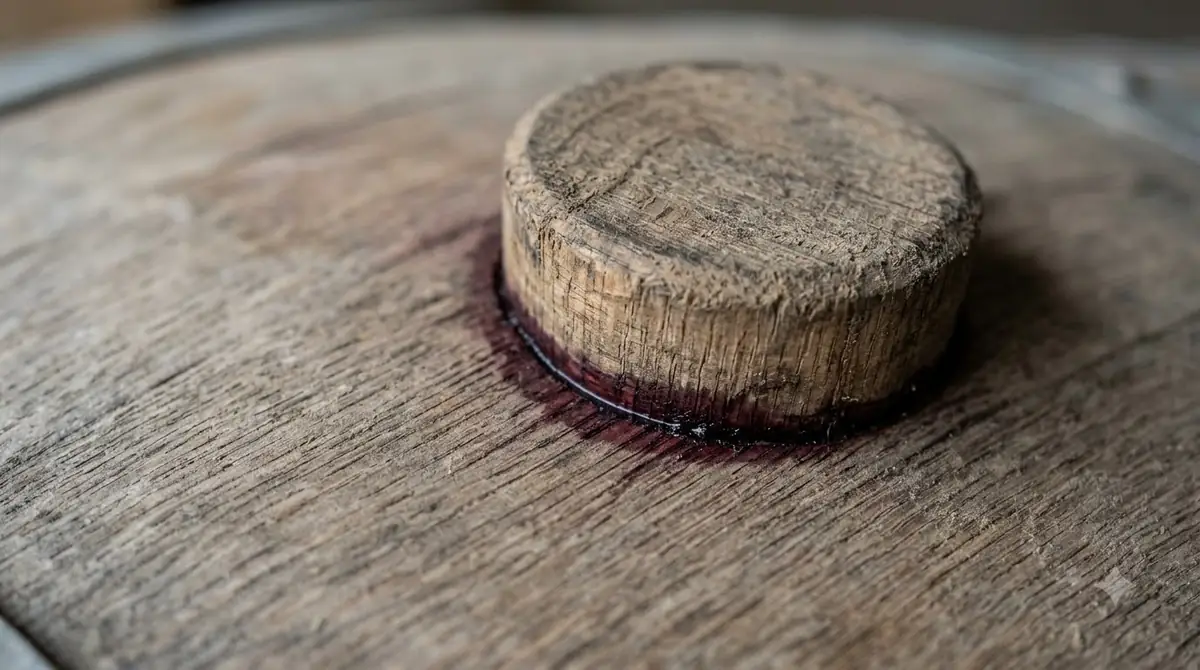
Barrel-aged Dornfelder offers a different experience. Wooden casks and barriques can contribute additional structure, tannins, and flavors associated with oak, including vanilla and toasted notes. These wines are generally better suited to substantial dishes such as braised beef, roast lamb, venison, and mature cheeses.
Sweetness is another important consideration. Most Dornfelder is dry, but semi-dry and sweeter bottlings are available. A dry bottle generally offers more flexibility with savory food, whereas a sweeter version can work with barbecue sauces, mildly spicy dishes, or foods containing a touch of sweetness. Match the wine’s sweetness to the dish rather than assuming every Dornfelder tastes the same.
Understanding these styles also makes it easier to compare German reds. For example, Blaufränkisch food pairing tends to emphasize brighter acidity and firmer structure, while Dornfelder generally offers a softer, darker-fruited profile.
Best Meat Pairings for Dornfelder
Pork, beef, lamb, sausages, and grilled poultry are dependable meat choices for Dornfelder. The wine’s dark fruit complements browned surfaces, savory seasoning, and the richness of roasted or grilled meat.
Pork is one of the easiest matches. Roast pork loin, grilled pork chops, pork tenderloin, and slow-roasted pork shoulder all work particularly well with dry Dornfelder. The wine’s cherry and blackberry flavors provide contrast to the savory meat, while its moderate acidity helps keep the combination from feeling too heavy.
For roast pork, try rosemary, thyme, garlic, black pepper, and a modest amount of mustard. These seasonings reinforce the wine’s savory qualities without overpowering its fruit. A pan sauce made with stock and caramelized onions also works well. Avoid making the sauce excessively sweet, especially when serving a dry bottle.
Beef offers another strong pairing opportunity. Hamburgers, grilled steaks, roast beef, beef meatballs, and slow-cooked short ribs all suit Dornfelder. A youthful version works particularly well with a cheeseburger or moderately seasoned grilled steak. A more structured, oak-aged bottle can accompany richer preparations such as braised short ribs or roast beef with mushroom gravy.
Cooking technique matters. Grilling and roasting create browned, savory flavors that complement the wine’s ripe fruit. Slow braising adds richness and concentrated meat flavors, making it particularly appropriate for fuller-bodied Dornfelder. If the recipe includes a strongly sweet barbecue glaze, use a semi-dry version rather than relying on a very dry wine to balance it.
Lamb and game are traditional choices for more substantial Dornfelder. Roast lamb with rosemary, thyme, and garlic brings out the wine’s dark fruit and savory character. Venison stew, roast venison, and game terrines are also appropriate, particularly with bottles aged in wood.
German regional food recommendations support these combinations. Wines of Germany identifies hearty roasts and game as suitable partners for Dornfelder, while the Rheinhessen regional organization also recommends powerful examples with substantial meat dishes.
Poultry can work when the preparation has enough flavor. Roast chicken with mushrooms, grilled turkey burgers, and duck breast with a savory berry sauce are good options. A lighter, fruit-forward Dornfelder generally performs better with poultry than a heavily oaked example. For simple poached chicken or delicate preparations, a lighter red or white wine may be a more balanced choice.
Pizza, Pasta, and Hearty Comfort Foods
Dornfelder is particularly enjoyable with casual comfort foods because its ripe fruit and smooth tannins complement tomato sauce, browned cheese, roasted toppings, and savory meat sauces. A dry, youthful bottle is usually the most flexible choice for these meals.
Pizza is a natural match. Classic pepperoni pizza combines tomato acidity, salty cured meat, and melted cheese, all of which work well with a fruit-forward Dornfelder. Sausage pizza, mushroom pizza, and roasted vegetable pizza are similarly reliable choices.
For a meat-heavy pizza, look for a dry Dornfelder with pronounced cherry and blackberry flavors. The fruit helps balance the savory intensity of pepperoni and Italian sausage. The wine’s soft tannins also make it less demanding than a highly tannic red when paired with cheese and fatty toppings.
Tomato sauce requires some attention. Because acidic foods can make a wine seem flatter and less expressive, choose a Dornfelder with sufficient freshness rather than an unusually soft, low-acid example. Tomato-based dishes with roasted vegetables, mushrooms, and meat are generally easier matches than extremely acidic sauces served without enough richness.
Pasta with meat sauce is another excellent option. Spaghetti Bolognese, baked ziti with ground beef, lasagna, and rigatoni with Italian sausage provide enough savory depth to complement the wine. The combination of tomatoes, browned meat, herbs, and cheese creates several overlapping flavors that work with Dornfelder’s fruit profile.
For lasagna, a medium-bodied, dry Dornfelder is a sensible choice. Its fruit complements the tomato sauce, while its relatively soft tannins suit the richness of ricotta, mozzarella, and Parmesan. A heavily oaked wine is unnecessary unless the dish includes particularly rich meat or concentrated sauce.
German comfort foods also deserve consideration. Sauerbraten, goulash, roast pork, and sausage dishes provide traditional savory flavors that suit Dornfelder. Goulash with paprika, onions, beef, and a moderately rich broth is particularly good with a fuller dry bottle. The wine’s dark fruit complements the browned meat and spices without requiring a heavily tannic structure.
For a casual meal, consider bratwurst with caramelized onions, potato wedges, and mustard. The sausage’s fat and seasoning help soften the wine’s tannins, while the onion provides a mild sweetness that complements the fruit.
These combinations are useful starting points for other red wines as well. A comparison with Carignan food pairing shows how a wine with firmer tannins and more pronounced acidity can require different treatment when paired with similar meat sauces and roasted dishes.
Cheese, Charcuterie, and Savory Snacks
Dornfelder pairs particularly well with flavorful cheeses and cured meats because its fruit complements salt and savory richness. Medium-bodied, fruity examples are usually the most flexible choices for a cheese board.
Gouda is a dependable starting point. Young or moderately aged Gouda has a creamy, savory character that works with Dornfelder’s cherry and blackberry flavors. More mature Gouda develops deeper nutty and caramelized notes, making it a suitable match for a fuller wine with some oak influence.
Cheddar is another useful option. Medium-aged cheddar offers enough flavor to stand up to Dornfelder without overpowering its fruit. Strong, mature cheddar can work with an oak-aged example, especially when served alongside crackers, roasted nuts, or savory chutney.
Other suitable cheeses include:
- Edam: Its mild, slightly nutty flavor works with youthful Dornfelder.
- Havarti: The creamy texture complements the wine’s soft tannins.
- Gruyère: Its savory, nutty character suits fuller-bodied examples.
- Manchego: Its firm texture and concentrated flavor work with dark-fruited reds.
- Gorgonzola: A milder version can accompany a semi-dry Dornfelder, particularly when served with fruit.
Very salty and strongly flavored blue cheeses require more care. Their intensity can overwhelm a dry, fruit-focused Dornfelder. A sweeter or semi-dry example generally has a better chance of matching that saltiness and strong flavor.
Charcuterie provides another straightforward route. Salami, smoked ham, cured pork, and savory pâté all complement Dornfelder. Their salt and fat help soften tannin, while their concentrated meat flavors match the wine’s dark-fruit character.
Build a simple board with sliced salami, prosciutto, aged Gouda, medium cheddar, olives, and toasted bread. Add dried cherries or fresh blackberries to echo the wine’s fruit flavors. For a more substantial spread, include roasted mushrooms, mustard, and savory pâté.
Portion sizes also influence the experience. A standard 750 ml bottle provides approximately five 5 oz glasses, enough for a small dinner gathering. A selection of three cheeses and two cured meats is generally sufficient for a modest appetizer spread without overwhelming the wine.
Vegetarian Dishes and Vegetable Pairings
Vegetarian food can pair very successfully with Dornfelder, especially when dishes feature mushrooms, roasted vegetables, caramelized onions, legumes, or tomato-based sauces. These ingredients provide the savory depth that makes a red wine feel appropriate at the table.
Mushrooms are among the strongest vegetarian partners. Their earthy, savory character complements Dornfelder’s darker fruit and works particularly well with oak-aged versions. Try mushroom risotto, grilled portobello mushrooms, mushroom lasagna, or roasted mushrooms with thyme and garlic.
A mushroom risotto made with Parmesan, vegetable stock, and caramelized shallots is especially suitable. The creamy texture softens the wine’s tannins, while the mushrooms add enough savory intensity to stand alongside its body.
Roasted vegetables provide another practical option. Eggplant, zucchini, red peppers, onions, and carrots develop sweeter, more concentrated flavors during roasting. These characteristics complement the wine’s ripe fruit and create a satisfying combination.
For a simple dinner, roast eggplant and red peppers with olive oil, garlic, rosemary, and black pepper. Serve them with couscous, lentils, or crusty bread and a dry, youthful Dornfelder. The vegetables provide texture and flavor without requiring a particularly powerful wine.
Legumes and plant-based proteins can also work well. Lentil stew, bean chili without excessive heat, vegetarian shepherd’s pie, and grilled plant-based burgers all have enough savory character to complement the wine.
For lentil stew, include tomatoes, onions, carrots, mushrooms, and herbs. A moderately full Dornfelder can accompany the dish because the lentils and vegetables provide substantial texture. Avoid adding too much hot chili, as alcohol and tannins can amplify the perception of heat.
Vegetarian pizza is another dependable choice. Mushroom, caramelized onion, roasted pepper, and mozzarella toppings work particularly well with youthful Dornfelder. For a stronger-flavored option, try eggplant Parmesan with tomato sauce and melted cheese.
Not every vegetable preparation is equally suitable. Lightly steamed greens, delicate salads, and vegetables dressed with sharp vinaigrette can make a medium-bodied red seem heavy or less expressive. Choose dishes with roasted, grilled, or sautéed ingredients rather than very delicate preparations.
When a meal centers on fresh vegetables and herbs, a white wine may offer a better balance. For instance, Grenache Blanc food pairing provides useful alternatives for vegetable dishes that need more freshness and less red-wine structure.
Matching Dornfelder Styles, Serving Temperature, and Food
The best Dornfelder food pairing depends on whether the bottle is dry, semi-dry, youthful, or oak-aged. Serving temperature also matters: a slightly cool fruity Dornfelder tastes fresher, while a fuller version benefits from being served warmer.
According to Wines of Germany, the variety is mainly produced as dry red wine, with some semi-dry examples. Producers also make two broad styles: fruit-focused wines intended for relatively early drinking and more structured wines matured in wooden vessels. The Pese Wein guide to Dornfelder also discusses its dark-fruit character, soft tannins, and suitability for roasted meats, sausages, pizza, and pasta with meat sauces.
The following guide provides practical starting points for matching each style to food.
| Dornfelder style | Typical characteristics | Suggested food | Serving temperature |
|---|---|---|---|
| Young, dry | Cherry, blackberry, fresh fruit | Pizza, burgers, sausages, pasta | 55–60°F |
| Full-bodied, oak-aged | Dark fruit, greater structure, oak notes | Roast beef, lamb, venison, mature cheese | 60–65°F |
| Semi-dry | Ripe fruit, softer sweetness | Barbecue pork, mildly spicy dishes, glazed meats | 55–60°F |
| Light, fruity | Juicy fruit, approachable texture | Charcuterie, grilled chicken, vegetable pizza | 55–60°F |
These temperatures are practical serving targets rather than strict rules. A lighter, fruit-driven Dornfelder can benefit from a brief period in the refrigerator before serving. A fuller barrel-aged bottle generally needs a little more warmth to reveal its texture and oak-derived aromas.
Choosing between dry and semi-dry Dornfelder
Dry Dornfelder is generally the better choice for savory meals. Its fruit can complement meat, tomato sauces, roasted vegetables, and cheese without introducing noticeable sweetness into the combination. It is also the more flexible option for a meal that includes several different dishes.
Semi-dry Dornfelder can be useful when the food includes sweet or mildly spicy elements. Barbecue pork with a moderately sweet glaze, glazed sausages, and dishes with caramelized onions can all work. Its sweetness provides a better match for those flavors than a very dry red would.
However, sweetness should be considered carefully when serving chili-heavy food. Alcohol and tannin can intensify the perception of chili heat, making a powerful red wine seem harsher. A lower-tannin, moderately sweet Dornfelder is a more sensible choice for gently spiced food than a highly structured oak-aged example.
Serving and preparing the bottle
For a youthful Dornfelder, place the bottle in the refrigerator for approximately 20–30 minutes if it has been stored at normal room temperature. For a fuller red, a slightly warmer serving temperature around 60–65°F is appropriate. Avoid serving either style excessively warm, as elevated temperatures can make the alcohol seem more prominent and the fruit less balanced.
A standard red wine glass is suitable. Pour approximately 5 oz per serving, leaving enough room in the glass to swirl the wine and release its aromas. Decanting is not essential for most young Dornfelder wines, although a fuller, structured example can benefit from approximately 30–60 minutes of aeration if it seems particularly closed or firm.
Tip: Match the wine to the richest or most flavorful part of the meal. Choose youthful, dry Dornfelder for pizza, sausages, and tomato pasta, and reserve fuller oak-aged bottles for roast beef, lamb, game, and mature cheese. If the wine tastes too warm, chill it briefly before pouring rather than adding ice.
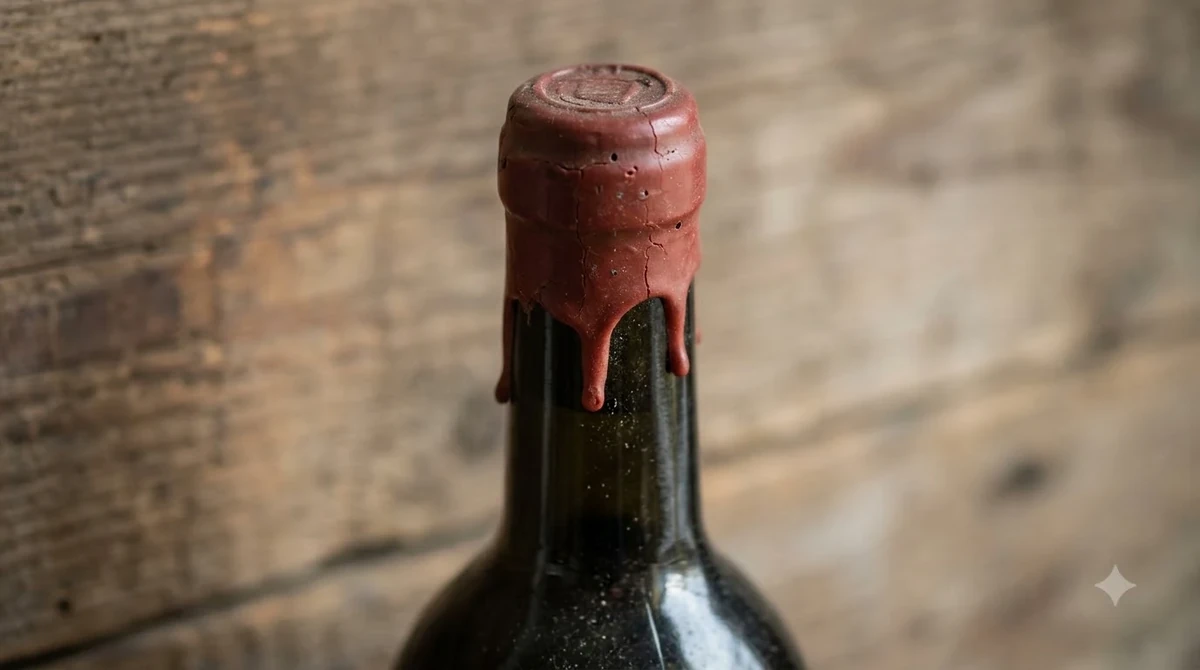
Storage is also important if you plan to serve the bottle later. Keep unopened bottles away from direct sunlight and major temperature fluctuations, ideally in a cool location near 55°F. Bottles with traditional cork closures are generally stored on their sides to help keep the cork from drying out. After opening, refrigerate the remaining still wine and aim to finish it within approximately 3–5 days for the best flavor.
For a broader understanding of how grape varieties influence body, acidity, tannin, and food compatibility, explore the Wine by Type learning section. These basic characteristics make it easier to select the right Dornfelder for different meals and occasions.
Frequently Asked Questions
Is Dornfelder similar to Merlot?
Both wines can offer soft tannins and approachable fruit, but their grape varieties and typical flavor profiles differ. Dornfelder is particularly recognized for its deep color and sour cherry, blackberry, and elderberry character. Merlot more commonly features plum and cherry, sometimes accompanied by chocolate or herbal notes.
Is Dornfelder always made as a single-variety wine?
No. Although many bottles are labeled as Dornfelder, the grape was originally developed partly for blending with lighter red wines. It can still be used in blends, depending on the producer and regional winemaking practices. A single-variety bottle expresses the grape’s dark fruit and color more directly.
Can Dornfelder be used in cooking?
Yes. Dry Dornfelder can be used in beef stews, braised short ribs, mushroom sauces, and reductions for roasted meats. Its dark fruit character works particularly well with onions, mushrooms, and herbs. Use a wine you would be comfortable drinking, and avoid using a very sweet example in a savory sauce unless the recipe specifically calls for sweetness.
Does Dornfelder have a naturally dark wine color?
Yes. Dornfelder is particularly valued for its strong pigmentation, which produces wines with deep red, violet, and almost black-purple appearances. Its rich color was one of the reasons the variety was initially developed for blending. This visual intensity is a characteristic of the grape rather than proof that the wine is necessarily high in alcohol or tannin.
Which German regions are best known for Dornfelder?
Rheinhessen and the Palatinate are the principal regions associated with the grape. Württemberg is also important to its history because August Herold developed the variety in Weinsberg there. These regions provide different growing conditions and winemaking approaches, so Dornfelder can show variations in fruit concentration, structure, and overall style.
Dornfelder is a versatile German red that works especially well with roasted meats, sausages, pizza, pasta, mushrooms, and flavorful cheeses. Start with a youthful dry bottle for everyday meals and choose a fuller oak-aged version for substantial roasts and game. With the right food and a slightly cool serving temperature, its dark-fruit character and smooth structure make an enjoyable addition to a wide range of dinners.
More in Wine Types & Grapes
 What Does Ruby Port Taste Like? Flavor Notes, Styles, and Serving TipsUpdated Nov 21, 2026
 What Does Ribolla Gialla Taste Like? Crisp White and Amber Styles ExplainedUpdated Nov 21, 2026
 What Does Semillon Taste Like? Flavor Profile, Styles & PairingsUpdated Nov 21, 2026
 What Does Scuppernong Taste Like? Flavor, Styles, and Pairing GuideUpdated Nov 21, 2026
 What Does Saperavi Taste Like? Flavors, Styles, and Pairing GuideUpdated Nov 21, 2026
 What Does Natural Wine Taste Like? Flavors, Styles, and Serving TipsUpdated Nov 21, 2026