

We may earn a commission when you buy through links on this page, at no extra cost to you. Learn more.
Dry white wine alcohol content typically ranges from 11% to 13.5% ABV, although lighter styles can fall below 11% and fuller-bodied bottles can reach 15%. The percentage depends largely on grape ripeness, growing climate, fermentation decisions, and the variety used. Sauvignon Blanc, Pinot Grigio, and Chardonnay can all be dry while having noticeably different alcohol levels. Understanding these differences helps you choose a bottle with the strength and body you prefer.
Dry white wine is popular for its refreshing acidity, crisp fruit flavors, and versatility at the table. However, the word dry describes the wine’s sugar content rather than its alcohol strength. A crisp, bone-dry Pinot Grigio might contain less alcohol than a rich, dry Chardonnay, even though neither wine tastes sweet. This distinction is useful when comparing bottles, planning a dinner, or deciding how much alcohol a standard serving contains.
Typical Alcohol Percentage in Dry White Wine
Most dry white wines contain approximately 11%–13.5% alcohol by volume. Lighter wines from cooler growing regions frequently sit near the lower end, while fuller-bodied wines from warmer climates often have higher percentages.
ABV stands for alcohol by volume. It describes how much of the wine’s total volume consists of alcohol. For example, a wine labeled 12% ABV contains 12% alcohol by volume. This measurement provides a straightforward way to compare two bottles, regardless of their color, grape variety, or country of origin.
The typical range is not a strict rule. A light-bodied white wine can exceed 12% ABV, while a richer style can remain relatively moderate in alcohol. Producer decisions, vineyard conditions, harvest timing, and fermentation all influence the finished percentage.
For a practical comparison, consider these approximate ranges for common dry white wine styles. They are general buying guidelines rather than guaranteed specifications for every bottle.
| Dry white wine style | Typical ABV | General character |
|---|---|---|
| Light Pinot Grigio | 11%–12.5% | Crisp, light-bodied, refreshing |
| Vinho Verde-style whites | 9%–11.5% | Fresh, light, sometimes gently sparkling |
| Dry Riesling | 11%–12.5% | Aromatic, high acidity, citrus-driven |
| Sauvignon Blanc | 12%–13.5% | Herbal, citrusy, high acidity |
| Albariño | 11.5%–13% | Fresh, mineral, citrus and stone fruit |
| Chardonnay | 12.5%–14.5% | Medium to full-bodied, varied texture |
| Viognier | 13%–15% | Fuller-bodied, aromatic, ripe fruit |
These figures describe common commercial styles and can overlap considerably. A Sauvignon Blanc from a cool part of New Zealand may have a different alcohol percentage from one produced in a warmer California vineyard. Likewise, unoaked Chardonnay can be lighter than a ripe, barrel-aged example.
For comparison, dry red wines often have a different strength profile. You can explore the typical figures in our article about dry red wine alcohol content.
Why Climate and Grape Ripeness Change Alcohol Levels
Grape ripeness is one of the main influences on a wine’s eventual alcohol percentage. Riper grapes generally contain more natural sugar, giving yeast more material to convert into alcohol during fermentation.
Climate plays an important role in determining how quickly grapes ripen. In cooler regions, grapes often develop acidity while accumulating sugar more gradually. This can produce dry white wines with fresh flavors, relatively restrained body, and alcohol levels around 11%–12.5%.
Warmer growing conditions can encourage greater sugar accumulation before harvest. If the winemaker allows the available sugar to ferment, the finished wine may reach 13%–15% ABV. This is one reason fuller-bodied Chardonnay and Viognier from warm regions can have more alcohol than lighter European white wines.
Consider the differences between several well-known wine-growing areas:
- Mosel, Germany: Cooler growing conditions support aromatic Riesling, including dry examples with relatively moderate alcohol.
- Marlborough, New Zealand: Sauvignon Blanc is known for pronounced citrus and herbal characteristics, with many bottles in the moderate alcohol range.
- Rías Baixas, Spain: Albariño commonly combines fresh acidity with citrus and stone-fruit flavors.
- Napa Valley, California: Warmer conditions can produce ripe Chardonnay grapes with greater potential alcohol.
- Southern France: Warmer vineyard conditions can result in fuller-bodied white wines with higher alcohol percentages.
Harvest timing also matters. Picking grapes earlier can preserve acidity and limit sugar accumulation. Waiting longer can produce riper fruit with more potential alcohol, although the final result still depends on fermentation choices.
Climate does not determine alcohol content by itself. Soil, vineyard exposure, grape variety, water availability, harvest decisions, and the winemaker’s preferred style all contribute to the finished wine.
Alcohol Content by Popular Dry White Grape Variety
Different grape varieties have characteristic flavor profiles and common alcohol ranges. However, the variety name alone cannot guarantee a particular ABV because the same grape can produce different styles in different regions.
Pinot Grigio is a useful starting point for drinkers who prefer lighter white wines. Many examples fall around 11%–12.5% ABV, with crisp acidity and flavors of lemon, pear, apple, and sometimes subtle mineral notes. Italian Pinot Grigio is often made in a fresh, uncomplicated style, although richer versions also exist.
Sauvignon Blanc commonly contains 12%–13.5% ABV. It is generally high in acidity and can show grapefruit, lime, green apple, fresh herbs, and grassy aromas. Loire Valley examples, including Sancerre, may have a different balance from fruit-forward Sauvignon Blanc produced in Marlborough or California.
Chardonnay has a broader range, often around 12.5%–14.5% ABV. Cooler-climate versions can be lean and mineral, while warmer-climate examples may have riper fruit, fuller body, and higher alcohol. Oak aging can contribute vanilla, toast, and spice aromas, but oak itself does not automatically determine the wine’s ABV.
Dry Riesling can offer an aromatic alternative with pronounced acidity. Many dry examples sit around 11%–12.5% ABV. Riesling is particularly important to distinguish by style because the grape is also used to produce off-dry, sweet, and dessert wines.
Albariño is another popular dry white variety, especially from Galicia in northwestern Spain. It commonly falls around 11.5%–13% ABV, with citrus, peach, and saline or mineral impressions. Its refreshing acidity makes it particularly suitable for seafood.
Viognier often reaches 13%–15% ABV and tends to produce a richer, more aromatic wine. Peach, apricot, floral notes, and a fuller texture distinguish it from lighter varieties such as Pinot Grigio.
These varieties demonstrate why dry white wine is not a single alcohol category. A bottle can be dry and refreshing at 11.5% ABV or dry and relatively powerful at 14.5% ABV.
Tip: If you prefer a lighter style, begin by comparing Pinot Grigio, dry Riesling, and cooler-climate Sauvignon Blanc around 11%–12.5% ABV. For a richer experience, compare Chardonnay and Viognier around 13%–14.5% ABV.
Dryness, Residual Sugar, and Alcohol Are Different Measurements
Dryness describes how much residual sugar remains in a wine, while ABV measures its alcohol concentration. These characteristics are related through fermentation, but they are not interchangeable.
During fermentation, yeast consumes sugars naturally present in grape juice and produces ethanol. If fermentation continues until most fermentable sugar has been consumed, the result can be a dry wine. If the original grapes contained substantial sugar, the finished wine can still have a relatively high alcohol percentage after fermentation is complete.
The International Organisation of Vine and Wine (OIV) defines dry wine using residual sugar limits of up to 4 grams per liter, or up to 9 grams per liter under a specified acidity condition. This definition illustrates that dryness is determined by sugar and acidity rather than alcohol percentage.
WSET explains that many dry wines contain approximately 2–3 grams of residual sugar per liter. That small amount does not prevent a wine from being classified as dry under the relevant standards.
The distinction also explains why some wines taste fruity without being sweet. Citrus, peach, apple, and tropical-fruit aromas can create an impression of sweetness even when the wine contains little residual sugar. Alcohol can contribute additional warmth and a rounded sensation.
Consider the following comparison:
- Dry, lower-alcohol wine: A crisp white with little residual sugar and approximately 11% ABV.
- Dry, higher-alcohol wine: A ripe Chardonnay with little residual sugar and approximately 14% ABV.
- Sweet, lower-alcohol wine: A lightly fermented aromatic white with noticeable residual sugar and approximately 8% ABV.
All three can have different relationships between sweetness and alcohol. The second example is particularly important because it demonstrates that a dry wine does not necessarily have a low alcohol percentage.
For additional background, the OIV’s official wine definitions explain how wine dryness is classified according to sugar and acidity.
How Fermentation Influences Alcohol Strength
Fermentation is the process that creates most of the alcohol in ordinary dry white wine. Yeast converts fermentable grape sugars into ethanol and carbon dioxide, while the winemaker manages conditions to achieve the intended style.
The initial sugar concentration of the grapes is a major starting point. Winemakers commonly measure grape sugar using scales such as Brix or Baumé. The Australian Wine Research Institute explains that Brix represents the equivalent percentage of sucrose in a solution and is widely used to assess grape sugar concentration.
Higher sugar concentration generally means greater potential alcohol if fermentation proceeds to dryness. For example, grapes harvested at higher ripeness may produce a wine with more alcohol than grapes picked earlier, assuming similar fermentation efficiency.
Fermentation temperature and yeast activity
White wine fermentation is often conducted at controlled temperatures to preserve delicate fruit aromas. Temperature influences yeast activity and the speed of fermentation, but it is not a simple dial for setting the final ABV. The amount of fermentable sugar and the yeast’s ability to complete fermentation are also important.
Winemakers select yeast strains and fermentation conditions according to the desired wine style. A fresh Sauvignon Blanc may prioritize aromatic precision, while a fuller Chardonnay may undergo a different combination of fermentation and maturation techniques.
When fermentation stops
Fermentation can finish naturally after the available fermentable sugar has been consumed. It can also be stopped deliberately, leaving some residual sugar in the wine. This second approach is often used when producing wines with a sweeter profile.
Stopping fermentation early can mean that less sugar is converted into alcohol. Consequently, some sweet white wines have lower alcohol percentages than dry whites made from similarly ripe grapes. However, this is not a universal rule because starting sugar concentration and production choices vary.
After fermentation is complete, alcohol content generally does not change markedly under normal production and storage conditions. The Australian Wine Research Institute identifies alcohol measurement as an important part of wine analysis and quality control.
Its explanation of wine laboratory measurements is available through the Australian Wine Research Institute’s technical resources.
How Much Alcohol Is in a Glass or Bottle of Dry White Wine?
The amount of alcohol you consume depends on both the wine’s ABV and the quantity poured. A standard 5-ounce serving provides a useful comparison between bottles with different alcohol percentages.
A 750 ml bottle contains approximately five 5-ounce glasses. The following table shows how the alcohol quantity changes as the ABV increases. These calculations use the approximate density of ethanol and assume a full 5-ounce pour.
| Wine ABV | Alcohol in 5 oz | Alcohol in 750 ml bottle |
|---|---|---|
| 10% | 14.0 ml | 75 ml |
| 11% | 15.4 ml | 82.5 ml |
| 12% | 16.8 ml | 90 ml |
| 12.5% | 17.5 ml | 93.75 ml |
| 13% | 18.2 ml | 97.5 ml |
| 13.5% | 18.9 ml | 101.25 ml |
| 14% | 19.6 ml | 105 ml |
| 15% | 21 ml | 112.5 ml |
For a practical example, a 5-ounce glass of 12% ABV white wine contains approximately 0.6 fluid ounces of pure alcohol. A similar serving of 14% ABV Chardonnay contains approximately 0.7 fluid ounces.
The difference may seem small, but it becomes more noticeable when comparing several servings or an entire bottle. Two bottles of identical size can contain different total amounts of alcohol because their ABV percentages differ.
Understanding alcohol by volume on a wine label
In the United States, wine labels generally display alcohol percentage as ABV. This number is usually printed near the bottom of the front or back label. It is useful for comparing the relative strength of different wines without needing to know the grape variety.
For example, when comparing two dry white wines, one labeled 11.5% ABV and another labeled 14% ABV, the second has a higher alcohol concentration. Even if both are served in identical glasses, the higher-ABV wine contains more alcohol per pour.
It is also useful to distinguish the serving size from the bottle size. A generous restaurant pour may exceed 5 ounces, so the actual alcohol quantity can be greater than the standard-serving calculation suggests.
Choosing and Serving Dry White Wine by Alcohol Level
The best dry white wine for a particular occasion depends on the desired body, flavor intensity, food pairing, and serving style. Alcohol percentage is a useful starting point, but acidity, fruit character, and texture should also influence the choice.
For a light, refreshing wine, consider Pinot Grigio around 11%–12.5% ABV or a crisp dry Riesling around 11%–12.5% ABV. These styles often work well as aperitifs and with lighter meals because their freshness does not overwhelm delicate flavors.
For a more aromatic option, Sauvignon Blanc around 12%–13.5% ABV offers citrus and herbal characteristics. It is a natural match for goat cheese, green vegetables, fresh herbs, and seafood. Its high acidity can complement dishes with lemon or other acidic ingredients.
For richer dishes, Chardonnay around 12.5%–14.5% ABV can provide more body and texture. A fuller Chardonnay pairs well with roasted chicken, creamy pasta, and richer seafood preparations. A lighter unoaked Chardonnay may be more appropriate for delicate fish or vegetable dishes.
Serving temperature makes a difference
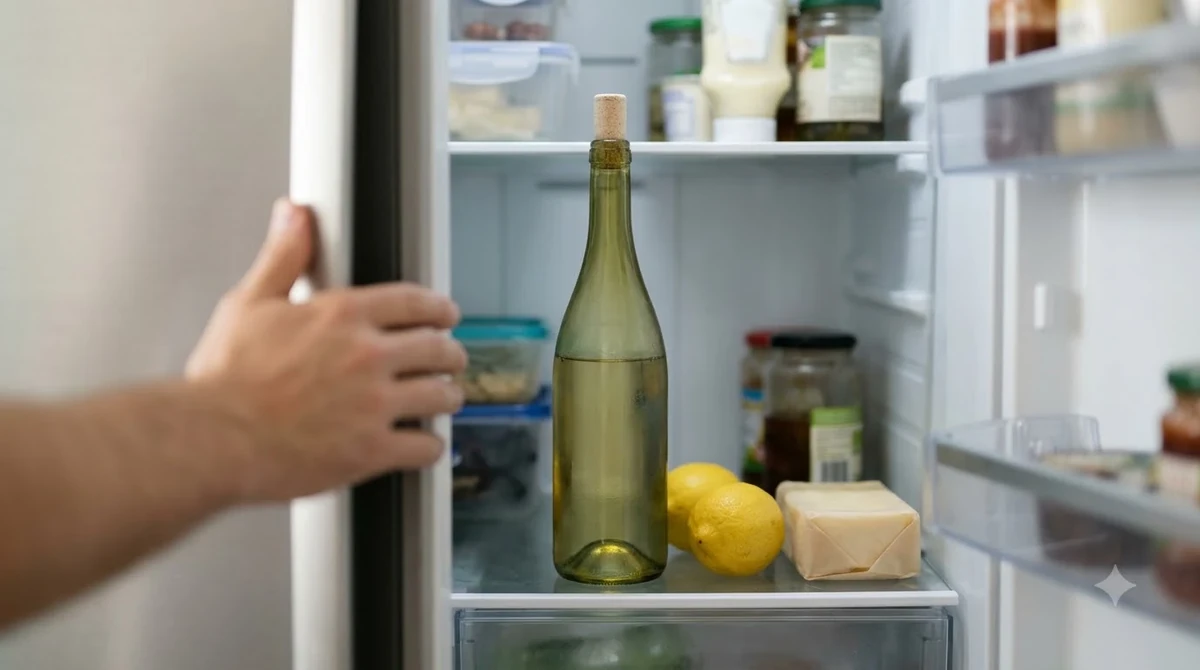
Serving temperature influences how a white wine’s aromas, acidity, and alcohol warmth are perceived. Light-bodied whites generally benefit from a cooler serving temperature, while fuller styles can be served slightly warmer to allow their aromas to develop.
- Light dry whites: Serve around 45–50°F. Pinot Grigio and light Sauvignon Blanc are good examples.
- Full-bodied dry whites: Serve around 50–55°F. Chardonnay and Viognier are suitable examples.
- Aromatic dry Riesling: A temperature around 45–50°F generally preserves its freshness and expressive aromas.
Extremely cold wine can seem muted because low temperatures suppress aromatic expression. On the other hand, serving a high-alcohol white too warm can make its alcohol warmth more noticeable.
Food pairing considerations
Acidity is particularly important when matching dry white wine with food. Sauvignon Blanc and Riesling generally have high acidity, making them suitable partners for acidic sauces, citrus, and fresh vegetable dishes. Chardonnay usually has medium acidity, so its fuller texture can work especially well with creamy preparations.
Albariño is a classic choice for shellfish, grilled shrimp, and white fish. Pinot Grigio complements salads, light pasta dishes, and simply prepared seafood. Chardonnay can work with roast chicken, butter-based sauces, and mushroom dishes.
When serving spicy food, a lower-alcohol white can be a more comfortable match because alcohol can amplify the sensation of chili heat. A highly acidic white may also help balance rich or fatty ingredients.
For anyone exploring different sweetness levels, our guide to ice wine alcohol content explains why dessert wines can have a very different combination of residual sugar and alcohol. For a broader overview of styles, visit Wine by Type.
Frequently Asked Questions
Is 12% ABV a normal alcohol level for dry white wine?
Yes. Twelve percent ABV is a common figure for dry white wines, particularly lighter Pinot Grigio and dry Riesling styles. It also falls comfortably within the broader 11%–13.5% range found in many dry white wines. The exact percentage depends on the producer, region, and vintage.
Can dry white wine contain 15% alcohol?
Yes. A dry white wine can reach approximately 15% ABV, particularly when produced from very ripe grapes in a warm climate. Fuller-bodied Viognier and some Chardonnay styles can approach this level. Dryness is determined by residual sugar rather than a maximum alcohol percentage.
Does sparkling dry white wine have the same alcohol range as still wine?
Not necessarily. Traditional sparkling wines such as Champagne and Cava often have different production specifications from still white wines. Many standard bottles fall around 11%–12.5% ABV, although individual wines vary. Carbon dioxide and bottle pressure do not themselves determine the alcohol percentage.
Can two bottles from the same vineyard have different ABV?
Yes. Different harvest conditions, vintages, grape ripeness, and fermentation decisions can change the final alcohol percentage. Even wines made from the same grape variety and vineyard can differ between bottlings. A producer may also make separate styles from the same grape source.
Does alcohol percentage determine whether a white wine is good quality?
No. Alcohol percentage is only one component of wine composition and does not independently establish quality. Balance among acidity, fruit concentration, alcohol, texture, and aromatic complexity matters much more. A well-made 11.5% ABV wine and a well-made 14% ABV wine can both be excellent examples of their respective styles.
Dry white wine generally contains 11%–13.5% ABV, with lighter and fuller styles extending beyond that typical range. Comparing grape varieties, growing regions, and label percentages makes it easier to find a wine that matches your preferred strength and flavor profile. Whether you choose crisp Pinot Grigio, aromatic Sauvignon Blanc, or rich Chardonnay, understanding ABV helps you make a more informed choice.
More in Wine Types & Grapes
 What Does Ruby Port Taste Like? Flavor Notes, Styles, and Serving TipsUpdated Nov 21, 2026
 What Does Ribolla Gialla Taste Like? Crisp White and Amber Styles ExplainedUpdated Nov 21, 2026
 What Does Semillon Taste Like? Flavor Profile, Styles & PairingsUpdated Nov 21, 2026
 What Does Scuppernong Taste Like? Flavor, Styles, and Pairing GuideUpdated Nov 21, 2026
 What Does Saperavi Taste Like? Flavors, Styles, and Pairing GuideUpdated Nov 21, 2026
 What Does Natural Wine Taste Like? Flavors, Styles, and Serving TipsUpdated Nov 21, 2026