

We may earn a commission when you buy through links on this page, at no extra cost to you. Learn more.
The ideal cotes du rhone serving temperature for red wine is 57–63°F (14–17°C), slightly cooler than most modern room temperatures. This range helps preserve fresh fruit flavors, balance alcohol warmth, and make the wine’s tannins feel smoother. White and rosé Côtes du Rhône are best served between 50°F and 55°F (10–13°C), allowing their refreshing acidity and aromatic character to remain prominent.
Temperature can make a noticeable difference to how a bottle of Côtes du Rhône performs at the dinner table. A red served too warm may seem heavy and alcoholic, while one served straight from a very cold refrigerator can feel firm and muted. The goal is not to follow complicated restaurant procedures but to bring each style into a comfortable temperature range before pouring. With a refrigerator, a basic wine thermometer, and a little preparation, it is easy to serve these Rhône Valley wines at their best.
Ideal Serving Temperatures for Different Côtes du Rhône Wines
The right temperature depends primarily on whether the bottle is red, white, or rosé. The appellation’s official recommendations provide a practical starting point, with red wines served slightly warmer than the other two styles.
The official Côtes du Rhône website recommends 14–17°C for reds and 10–13°C for both whites and rosés. These temperatures provide enough warmth for the wines to express their aromas without allowing alcohol or excessive chill to dominate. They also offer a useful alternative to the outdated assumption that every red wine belongs at ordinary room temperature.
For red Côtes du Rhône, aim for approximately 60°F as a convenient target within the recommended range. A lighter, fruit-forward regional bottling can work particularly well toward the cooler end, while a concentrated red with more noticeable structure may benefit from the warmer end. The difference is subtle, but it can change how the wine feels alongside food.
White Côtes du Rhône generally benefits from a temperature around 52°F. This keeps its refreshing qualities intact while allowing floral, citrus, orchard-fruit, and other aromatic characteristics to develop in the glass. Rosé can also be served around 52°F, although a particularly delicate bottling may benefit from the cooler end of the range.
| Wine style | Recommended temperature | Practical target | Serving objective |
|---|---|---|---|
| Red Côtes du Rhône | 57–63°F | 60°F | Balance fruit, alcohol, and tannins |
| White Côtes du Rhône | 50–55°F | 52°F | Preserve freshness and aromas |
| Rosé Côtes du Rhône | 50–55°F | 52°F | Maintain freshness and fruit |
These ranges are intended as serving temperatures, meaning the temperature of the wine itself rather than the surrounding room or refrigerator. A bottle that has been sitting in a warm kitchen may need additional cooling before it reaches the desired range.
For a useful comparison, sparkling wines generally benefit from colder service around 40–50°F, while full-bodied reds such as Cabernet Sauvignon are often served around 60–65°F. Côtes du Rhône occupies a more moderate position, particularly when the red wine is approachable and fruit-driven.
It is also useful to distinguish standard Côtes du Rhône from more substantial Southern Rhône appellations. A concentrated Châteauneuf-du-Pape may benefit from a slightly warmer serving approach, depending on its structure and maturity. For that comparison, see our guide to Châteauneuf-du-Pape serving temperature.
For additional regional serving advice, the official Côtes du Rhône serving temperature recommendations provide separate guidance for red, white, and rosé wines, including practical instructions for chilling bottles before dinner.
Why Red Côtes du Rhône Benefits From a Slight Chill
Red Côtes du Rhône generally tastes more balanced when served slightly cool rather than warm. A moderate chill helps maintain its fruit character and prevents alcohol warmth from overpowering its spices, freshness, and texture.
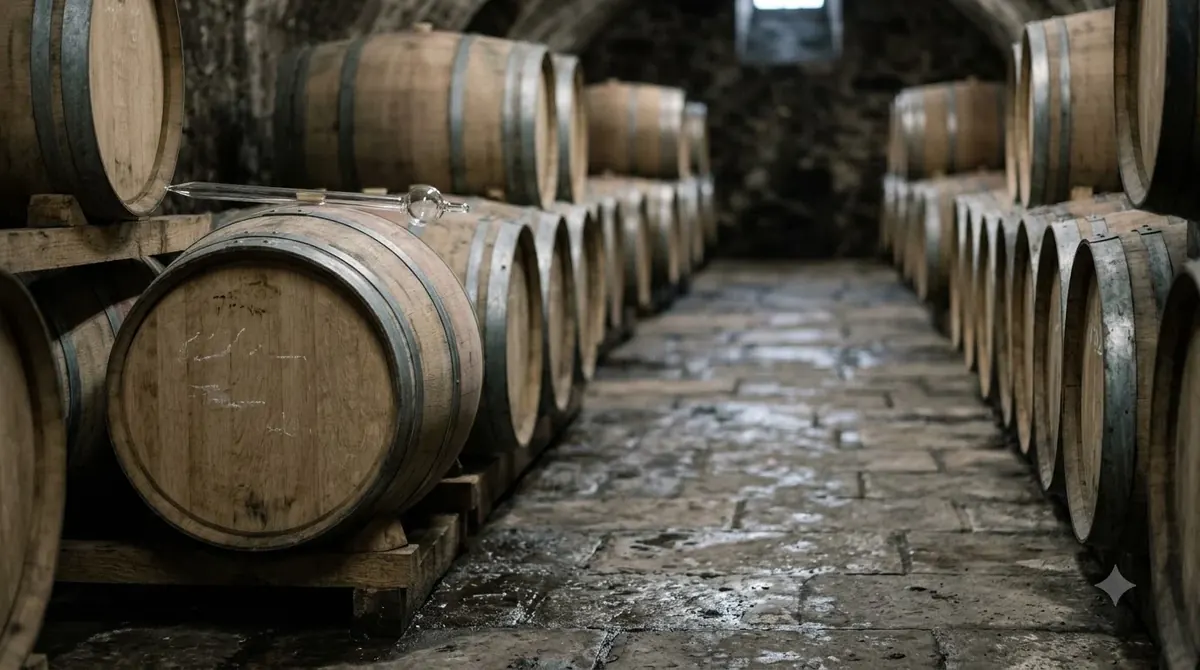
The traditional instruction to serve red wine at room temperature can be misleading. Modern homes are often considerably warmer than the old cellars and dining rooms for which that advice was originally intended. The official Côtes du Rhône website explains that historical indoor temperatures were often around 17–18°C, approximately 63°F. That is already within the recommended range for many red Côtes du Rhône wines.
At temperatures approaching 70°F or higher, alcohol can become more noticeable. Instead of presenting balanced cherry, raspberry, plum, and spice characteristics, the wine may feel hot and heavy. Its freshness becomes less apparent, and the finish can seem less comfortable.
Chilling the wine moderately helps bring the different components into better balance. Fresh red-fruit flavors become more noticeable, and the overall impression can feel livelier. This is especially helpful with bottles designed for relatively early drinking rather than extended cellaring.
Understanding the role of tannins
Tannins contribute structure and a drying sensation to red wine. Grenache-based Southern Rhône blends often have approachable textures, while Syrah and Mourvèdre can contribute additional structure and firmness. Serving temperature influences how noticeable these characteristics become.
Excessive cold is not the solution, however. According to the official appellation guidance, red Côtes du Rhône served below 11°C (51°F) can develop harder-feeling tannins and lose some of its characteristic fruit aromas. A wine that seems tight and unexpressive straight from the refrigerator may simply need time to warm up.
There is also a difference between cooling a wine and serving it cold. Cooling is a preparation step that brings the bottle into the appropriate range. Serving is what happens after that, when the wine is poured and gradually warms in the glass.
Does alcohol content affect the ideal temperature?
Alcohol contributes to the sensation of warmth in wine. The official Côtes du Rhône website gives an appellation-wide regulatory alcohol range of 8% to 15%, illustrating why bottles from the region can differ considerably in weight and perceived warmth.
A fuller red with more noticeable alcohol can benefit particularly from controlled cooling. A lighter red may require less chilling, but it should still avoid the excessive warmth of a heated room. For additional information about strength and bottle differences, see Côtes du Rhône alcohol content.
The important principle is to preserve balance rather than make the wine feel cold. A bottle that is comfortably cool should still release its aromas as soon as it enters the glass.
How to Chill Côtes du Rhône Before Serving
The easiest way to prepare Côtes du Rhône is to use a refrigerator and allow enough time for the bottle to reach its target temperature. A short cooling period is often sufficient for red wine, while white and rosé usually need a longer initial chill.
For red Côtes du Rhône, start by placing the bottle in the refrigerator approximately 20 minutes before serving. This follows the official appellation’s 20-20 rule and is a convenient starting point for a bottle that has been stored at a moderately warm indoor temperature.
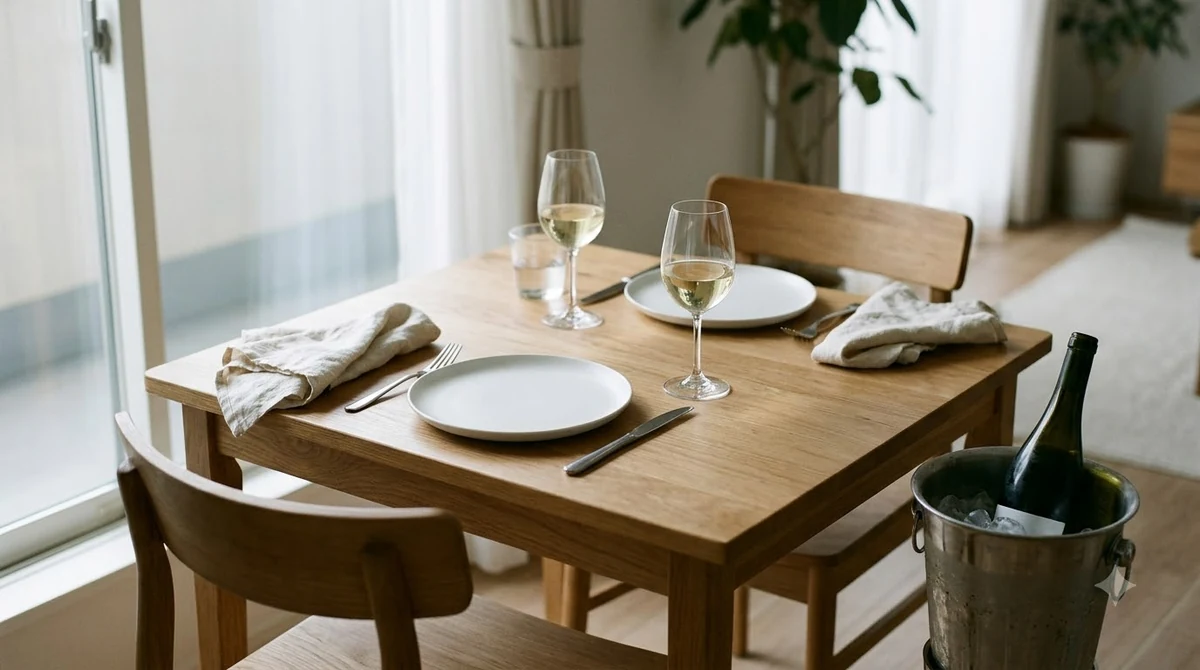
For white and rosé, the same guidance recommends taking the bottle out of the refrigerator approximately 20 minutes before serving. This helps prevent excessively cold wine from suppressing its aromatic expression.
Refrigerator cooling times
Actual cooling time depends on the starting temperature, refrigerator conditions, bottle position, and how frequently the refrigerator door is opened. Wine Enthusiast gives approximately 45–60 minutes as a useful refrigerator guideline for light-to-medium-bodied red wines, including Côtes du Rhône.
That longer estimate is useful when a bottle begins at a relatively warm temperature and needs more substantial cooling. The shorter 20-minute approach is better understood as a convenient final adjustment rather than a guarantee that every bottle will reach exactly 60°F.
A simple thermometer can help remove uncertainty. Measure the wine after pouring a small amount into a suitable glass or use a wine thermometer designed for bottles. Once the temperature is close to the target, the bottle is ready.
Using an ice-water bath
An ice-water bath is a useful alternative when guests are arriving soon. Fill a wine bucket with a mixture of ice and cold water, then place the bottle inside so that most of its body is surrounded by the mixture.
Water transfers heat more efficiently than cold air alone, making an ice-water bath a practical rapid-cooling method. The official appellation guidance also recommends adding a handful of coarse salt to the ice water to reduce its temperature further.
Check the bottle periodically instead of leaving it unattended. White and rosé can quickly become colder than their intended serving range, while red wine needs only enough cooling to reach a pleasant cellar-like temperature.
Tip: If red Côtes du Rhône has been sitting in a warm kitchen, place it in the refrigerator for 20 minutes before dinner. If it still feels warm, continue cooling in short intervals and check the wine rather than relying entirely on the clock.
The freezer is another possible emergency cooling option, but it requires close attention. Set a reminder and remove the bottle promptly. Forgetting wine in the freezer can lead to frozen liquid, pressure buildup, and potentially a damaged bottle.
Once the bottle reaches the appropriate temperature, keep it away from direct sunlight, heaters, and warm kitchen appliances. Small changes in temperature are normal during dinner, but unnecessary exposure to heat can make the wine less balanced.
Choosing Glassware and Pouring Temperature
The right glass helps preserve the aromatic qualities that make Côtes du Rhône enjoyable. A medium-sized red wine glass with a rounded bowl works well for most red bottlings, while white and rosé are generally comfortable in smaller white wine glasses.
For red wine, a bowl with enough space to swirl the liquid allows aromas of cherry, raspberry, blackberry, pepper, and dried herbs to develop. A narrower opening helps direct these aromas toward the nose without requiring an unusually large glass.
White Côtes du Rhône benefits from a more compact bowl that helps maintain its cool temperature. Rosé can also be served in a white wine glass, particularly when the aim is to preserve delicate fruit and floral aromas.
How much wine should you pour?
A standard serving is approximately 5 ounces. A 750 ml bottle therefore provides about five standard glasses, making it relatively easy to estimate how much wine is needed for a dinner gathering.
Avoid filling glasses to the rim. Leaving room for swirling makes it easier to appreciate the wine’s aromatic character and reduces unnecessary warming from handling the bowl. Holding the stem rather than wrapping a hand around the glass also helps maintain the intended temperature.
For a dinner with several courses, consider pouring smaller amounts and replenishing glasses as needed. This prevents the wine from sitting in a glass for an extended period while its temperature rises.
Should you use a decanter?
Most approachable Côtes du Rhône wines do not require elaborate decanting. Opening the bottle shortly before dinner and pouring a small initial glass can provide enough air exposure for a fresh, expressive wine.
A young, concentrated red may benefit from 30–60 minutes of decanting if its aromas initially seem restrained or its tannins feel particularly firm. The additional oxygen exposure can help the wine become more expressive, although decanting is not a substitute for proper serving temperature.
Older bottles require more care. Extended aeration can reduce the freshness of a mature wine, so a gentle pour and a brief assessment are preferable to automatically leaving every bottle in a decanter for an hour.
When serving several wines together, pour each at its appropriate temperature rather than assuming they all require the same preparation. A white Côtes du Rhône, a fruit-forward red, and a more structured Southern Rhône blend have different temperature requirements.
Food Pairings That Work With Properly Served Côtes du Rhône
Serving temperature affects how a wine behaves alongside food, particularly dishes containing fat, salt, spices, or acidity. Red Côtes du Rhône is especially versatile with roasted meats, grilled vegetables, Mediterranean herbs, and moderately rich dishes.
Grenache, Syrah, and Mourvèdre are common components of Southern Rhône red blends. Their combination of ripe fruit, spice, and varying levels of tannin makes these wines suitable for a broad range of meals.
Red Côtes du Rhône with meat and cheese
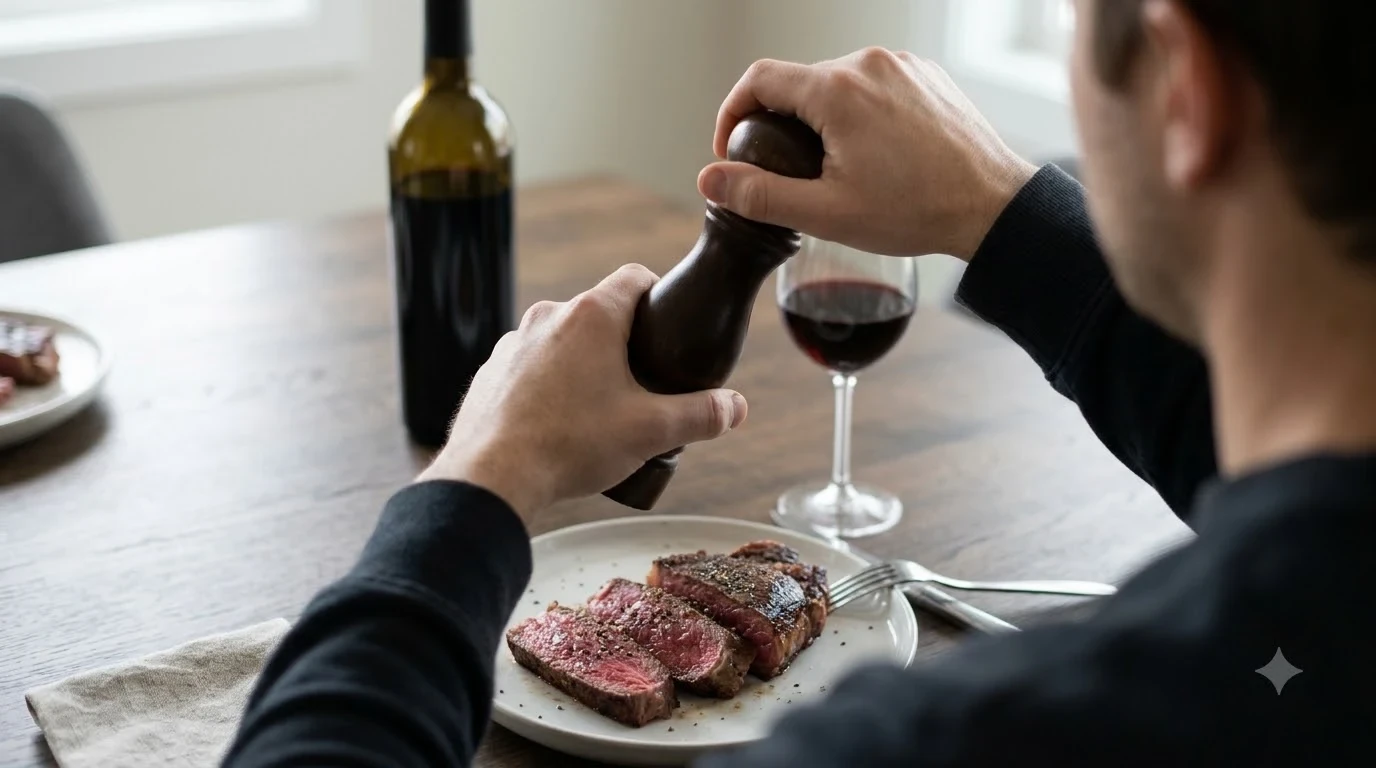
A red served around 60°F works well with grilled lamb, roast chicken, beef stew, pork sausages, and slow-cooked beef. The fruit and spice characteristics complement browned meat and savory seasonings without requiring an excessively powerful wine.
Salt and fat can soften the perception of tannin, which makes red Côtes du Rhône particularly appealing alongside grilled sausages, roasted lamb, and moderately fatty cuts of beef. A wine with noticeable Syrah structure can also work well with smoked or grilled meats.
Cheese is another useful pairing. Semi-firm cheeses, aged sheep’s milk cheeses, and moderately strong hard cheeses provide enough richness and savory character to complement the wine’s fruit and spice. Extremely delicate fresh cheeses may be overwhelmed by a more structured red.
Matching white and rosé Côtes du Rhône
White Côtes du Rhône served around 52°F works well with roast chicken, grilled fish, vegetable dishes, and mild cheeses. The wine’s refreshing character helps balance richer ingredients without making the meal feel heavy.
Rosé is particularly flexible with salads, grilled vegetables, seafood, charcuterie, and lighter Mediterranean dishes. Its fruit and acidity can complement tomato-based recipes and herbs such as thyme, rosemary, and basil.
Food acidity matters when choosing a wine. A highly acidic tomato salad or lemon-based seafood dish needs a wine with comparable or higher acidity, otherwise the wine can seem flat beside the food.
Spice, sweetness, and difficult pairings
Very spicy food requires more attention. Chili heat can feel stronger alongside alcoholic and tannic red wines, so a moderately chilled, softer red may be more comfortable than a powerful, concentrated bottling.
For sweet dishes, choose a wine that is at least as sweet as the dessert. Dry red Côtes du Rhône generally works better with savory meals than with intensely sweet desserts, where the wine can taste sour or bitter by comparison.
Oily fish can also be challenging with tannic reds. A white or rosé Côtes du Rhône is often a more suitable choice for dishes such as grilled sardines or salmon with olive oil and lemon.
For readers exploring additional styles and regional varieties, our Wine by Type section provides further background on grape varieties, wine characteristics, and food-matching principles.
Frequently Asked Questions
Can you serve Côtes du Rhône red wine straight from the cellar?
Yes, provided the cellar is maintained at an appropriate temperature. A traditional wine cellar around 55°F is slightly cooler than the recommended serving range for red Côtes du Rhône, so the wine may benefit from a short period outside the cellar before pouring. This small adjustment helps the wine express its aromas without excessive warmth.
Does Côtes du Rhône taste different after warming in the glass?
Yes. As the wine warms, aromas become more expressive and the perception of alcohol can increase. A red that begins around 60°F may become noticeably warmer after several minutes in a heated dining room. Smaller pours help maintain a more consistent drinking experience.
Can you serve Côtes du Rhône in a stemless wine glass?
Yes. A stemless glass can be perfectly practical for casual dining, although holding the bowl transfers heat from your hand more directly to the wine. A stemmed glass provides better temperature control and makes swirling easier. Either option can work when the wine is served at the appropriate temperature.
Is Côtes du Rhône suitable for serving at a large dinner party?
Yes. Its approachable fruit and food-friendly character make regional Côtes du Rhône useful for group dinners. A standard 750 ml bottle provides approximately five 5-ounce servings, so a gathering of ten guests would require around two bottles for one standard pour per person. Additional bottles may be needed for larger pours or multiple servings.
Should unopened Côtes du Rhône bottles be stored in the refrigerator permanently?
No. A regular refrigerator is intended for short-term chilling rather than long-term wine storage. For longer storage, a stable environment around 55°F, away from direct sunlight and significant temperature fluctuations, is more appropriate. Bottles with natural corks are generally stored on their sides to keep the cork from drying out.
The best approach to serving Côtes du Rhône is straightforward: keep red wines around 57–63°F and whites and rosés around 50–55°F. A short refrigerator session, appropriate glassware, and sensible pouring habits make a meaningful difference to the wine’s balance and aromatic expression. Rather than serving every red at room temperature, aim for a gentle chill that lets the distinctive fruit, spice, and character of the Rhône Valley come through.
More in Wine Types & Grapes
 What Does Ruby Port Taste Like? Flavor Notes, Styles, and Serving TipsUpdated Nov 21, 2026
 What Does Ribolla Gialla Taste Like? Crisp White and Amber Styles ExplainedUpdated Nov 21, 2026
 What Does Semillon Taste Like? Flavor Profile, Styles & PairingsUpdated Nov 21, 2026
 What Does Scuppernong Taste Like? Flavor, Styles, and Pairing GuideUpdated Nov 21, 2026
 What Does Saperavi Taste Like? Flavors, Styles, and Pairing GuideUpdated Nov 21, 2026
 What Does Natural Wine Taste Like? Flavors, Styles, and Serving TipsUpdated Nov 21, 2026