

We may earn a commission when you buy through links on this page, at no extra cost to you. Learn more.
Pairing lambrusco with turkey works remarkably well because this Italian sparkling red combines bright acidity, lively bubbles, and low-to-medium tannins that refresh the palate alongside lean poultry and rich holiday sides. Dry (secco) and off-dry (semisecco) styles match roasted breast meat, dark meat, gravy, and tart cranberry sauce without overwhelming the bird. Most bottles sit around 10.5% to 11.5% ABV and taste best lightly chilled between 45°F and 55°F.
Roast turkey is notoriously tricky for wine lovers because one plate holds mild white meat, richer dark meat, salty gravy, herbal stuffing, and sweet-tart cranberry sauce all at once. While classic still reds can feel too heavy and crisp whites sometimes lack the berry character to bridge sweet side dishes, sparkling red wine from northern Italy solves every side of the plate in a single pour.
Why Lambrusco Works So Well With Turkey
Lambrusco bridges the gap between white and red wine by pairing red-berry fruit with sparkling acidity and gentle tannins, making it uniquely suited for a multi-textured turkey dinner. Instead of clashing with delicate poultry, the wine acts as a crisp, refreshing counterpoint to every bite.
On its own, roasted turkey breast is lean, mildly savory, and easily flattened by high-tannin reds like Cabernet Sauvignon or young Syrah. According to Wine Folly’s Holiday Wine Guide, lighter-bodied wines with bright acidity and red fruit notes complement poultry without burying its subtle flavor. Lambrusco brings aromas of sour cherry, wild strawberry, rhubarb, and violet that echo autumn herbs and fruit-based condiments.
Equally helpful is the wine’s natural effervescence. Sparkling bubbles scrub away the richness of butter-basted skin, pan gravy, and sausage stuffing between forkfuls, functioning much like a splash of citrus or a crisp cider. Because tannins stay low to medium, the wine avoids turning bitter or metallic when it meets sweet potato casserole or spiced cranberry relish.
Moderate alcohol also keeps the meal comfortable from appetizers through dessert. Most dry and off-dry bottles clock in between 10.5% and 11.5% ABV, which keeps palate fatigue low during a long holiday feast and prevents the wine from amplifying peppery rubs or sage-heavy dressings. If you are browsing broader Wine by Type categories for a crowd-pleasing dinner bottle, few styles cover as much culinary ground.
Best Lambrusco Styles for Different Turkey Dishes
Choosing the right bottle comes down to grape variety and sweetness level, since Lambrusco ranges from bone-dry and floral to dark, frothy, and lightly sweet. Matching the style to your cooking method and side dishes guarantees a balanced table.
In Emilia-Romagna, producers make Lambrusco from several related native grapes rather than a single cultivar. As outlined in Wine Folly’s guide to different kinds of sparkling red wine, sweetness levels appear right on the front or back label using traditional Italian terms: secco means dry, semisecco means off-dry, amabile means medium-sweet, and dolce means sweet.
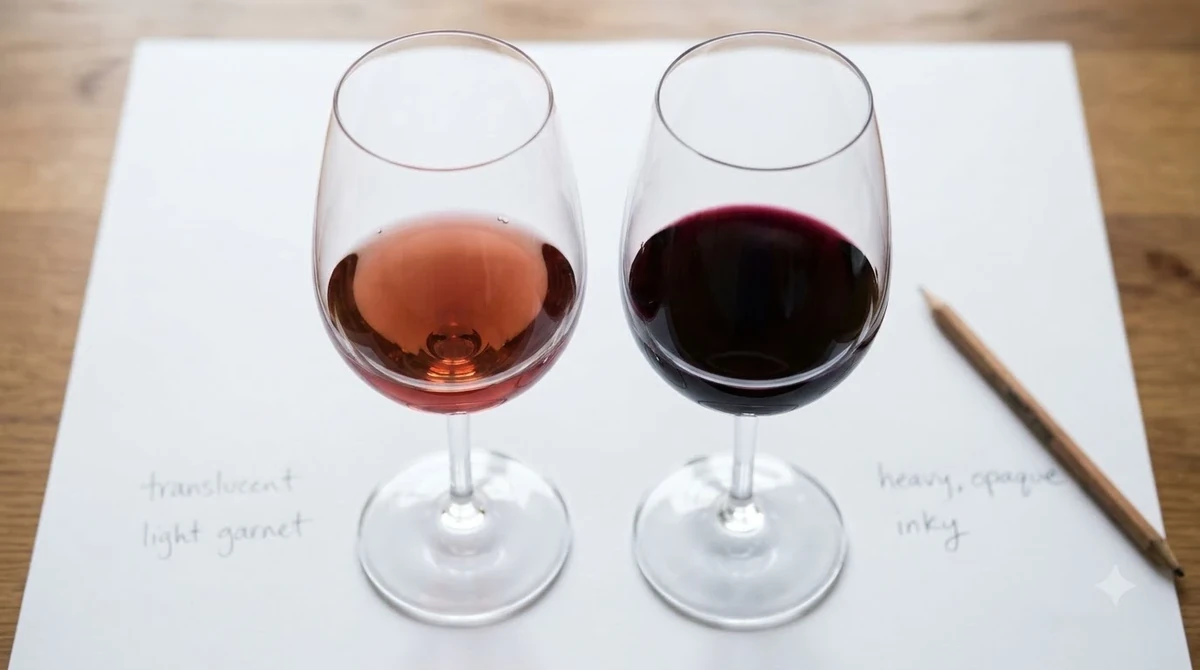
For a classic herb-roasted whole turkey, a dry or off-dry bottle hits the sweet spot. Lambrusco di Sorbara is the palest, lightest, and most floral expression, often pouring a translucent ruby or deep pink with high acidity and fresh strawberry notes that shine alongside sliced white meat and lemon-thyme butter. Lambrusco Salamino sits right in the middle, offering deeper ruby color, a creamy mousse, and ripe raspberry fruit that handles both light and dark meat effortlessly.
When your menu leans toward smoked turkey, deep-fried turkey, or bacon-wrapped legs, step up to Lambrusco Grasparossa di Castelvetro. Grown in hillside vineyards south of Modena, Grasparossa produces an inky purple wine with blackberry and black cherry notes plus a firmer tannic grip that stands up to smoky skin, dark gravy, and savory chestnut stuffing. If your table features sweet yams or glazed ham alongside the bird, a lightly sweet semisecco or amabile bottle will echo those caramelized sugars without tasting cloying.
| Turkey Dish or Menu Style | Best Lambrusco Style | Sweetness Level | Why the Pairing Works |
|---|---|---|---|
| Herb-roasted turkey breast | Lambrusco di Sorbara | Secco (dry) | High acidity and delicate strawberry-floral notes match lean white meat without overpowering it. |
| Whole roast turkey with gravy and stuffing | Lambrusco Salamino or Reggiano blend | Secco or Semisecco | Balanced red-berry fruit and creamy bubbles bridge white meat, dark meat, and savory herbs. |
| Smoked, grilled, or deep-fried turkey | Lambrusco Grasparossa di Castelvetro | Secco (dry) | Darker plum and black cherry fruit with gentle tannins stand up to smoke, char, and rich skin. |
| Turkey dinner with sweet yams and cranberry | Lambrusco Salamino or Maestri | Semisecco or Amabile | A touch of residual berry sweetness prevents the wine from tasting sharp next to sweet sides. |
| Turkey and cranberry leftover sandwiches | Lambrusco Rosato or Sorbara | Secco or Semisecco | Crisp effervescence cuts through mayonnaise, cheddar, and cold sliced poultry. |
What Lambrusco Tastes Like With Holiday Sides
Beyond the main roast, Lambrusco earns its spot on the Thanksgiving or Sunday dinner table because it handles notoriously difficult side dishes that trip up conventional red wines. Understanding what does lambrusco taste like makes it much easier to plan around sweet, earthy, and creamy accompaniments.
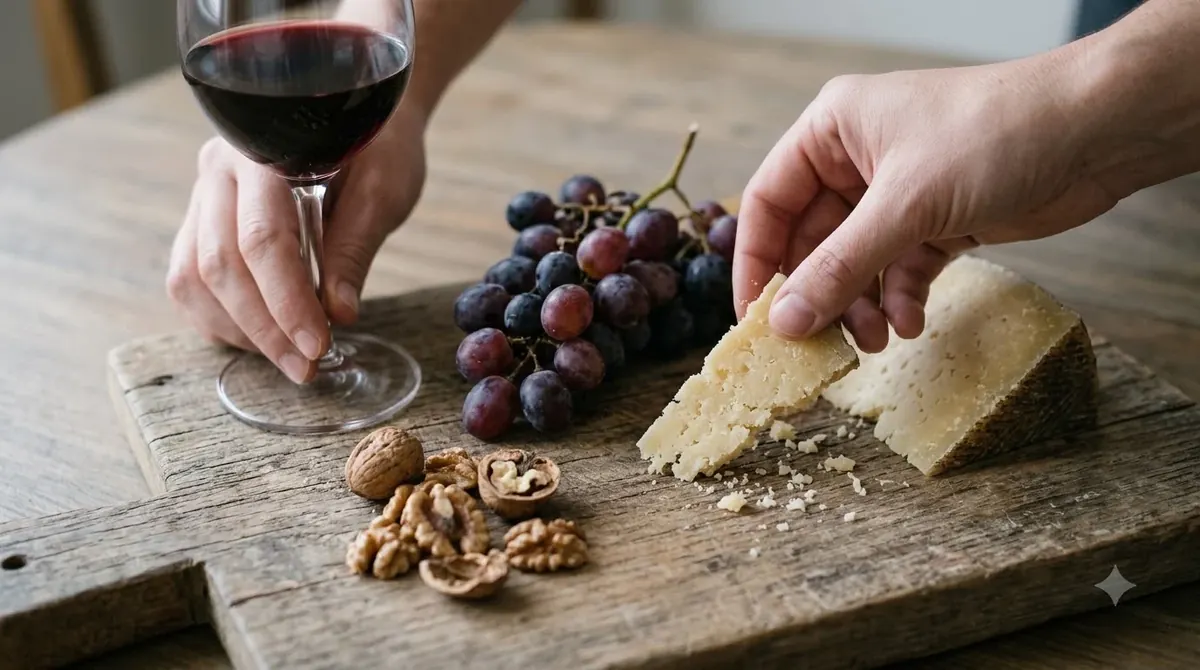
Cranberry sauce is usually the biggest headache for red wine pairings because its combination of sharp acidity and added sugar makes tannic reds taste harsh and astringent. Dry and off-dry Lambrusco shares that exact tart-berry profile—think rhubarb, sour cherry, and wild raspberry—so the wine and sauce reinforce each other instead of colliding.
Creamy and starchy sides benefit just as much from the wine’s sparkling lift. Mashed potatoes enriched with butter, green bean casserole, and baked macaroni and cheese coat the palate with dairy fat. A cold sip of frizzante red wine clears that richness immediately while adding bright fruit contrast.
Earthy roasted vegetables and warm baking spices also fall right into Lambrusco’s wheelhouse. Brussels sprouts with pancetta, roasted squash, and stuffing seasoned with sage, thyme, or a pinch of clove pick up the wine’s subtle herbal and floral undertones. Even when guests pile five different sides onto one plate, the wine stays lively and balanced from first bite to last.
How to Serve Lambrusco at a Turkey Dinner
Serving temperature and glassware make a major difference with sparkling red wine, as room-temperature service makes the bubbles feel foamy and the acidity sharp. A brief chill in the refrigerator unlocks its crisp fruit and refreshing snap.
Aim to serve your bottle chilled between 45°F and 55°F—roughly 45 to 60 minutes in a standard home refrigerator, or 15 to 20 minutes in an ice-and-water bucket. Sorbara and sweeter amabile styles shine toward the cooler end of that range, while fuller-bodied Grasparossa opens up nicely closer to 55°F. For exact chilling times and storage advice, check our guide on how to serve lambrusco.
Skip narrow Champagne flutes in favor of standard white wine glasses or universal stemmed glasses. A wider bowl gives the wine’s violet, cherry, and berry aromatics room to gather while still preserving plenty of lively effervescence. Avoid decanting, which knocks out the carbonation that makes the pairing work so well.
Tip: Buy recent vintages and serve Lambrusco young—most bottles are crafted for vibrant primary fruit and taste best within one to two years of harvest rather than aged in a cellar.
How to Buy the Right Bottle for Your Table
Reading the label carefully ensures you bring home a vibrant, food-friendly bottle rather than an overly sugary novelty wine. Focus on appellation names, sweetness terms, and closure clues to pick a winner.
First, look for official DOC designations from Emilia-Romagna on the label, including Lambrusco di Sorbara DOC, Lambrusco Grasparossa di Castelvetro DOC, Lambrusco Salamino di Santa Croce DOC, or Reggiano DOC. These regional titles signal traditional grape varieties and stricter production standards.
Second, check the sweetness level on the front or back label. If you want a crisp, savory dinner wine for roasted turkey and gravy, choose a bottle marked secco (dry) or semisecco (off-dry). Reserve amabile bottles for menus heavy on sweet glazes, candied yams, or spiced fruit chutneys, and save dolce styles for berry tarts or chocolate desserts.
Finally, keep an eye out for production style notes if you enjoy artisanal bottles. Most classic Lambrusco is made via the Charmat (tank) method, which traps fresh berry aromas and delivers gentle frizzante sparkle, while traditional-method or bottle-fermented col fondo styles offer drier, slightly yeasty complexity with fine bubbles. If you are tracking nutrition during holiday meals, checking calories in lambrusco can also help you compare drier secco pours against sweeter styles.
Frequently Asked Questions
Should I buy dry or sweet Lambrusco to serve with turkey?
Dry (secco) or off-dry (semisecco) Lambrusco is the best choice for most turkey dinners. Dry styles bring crisp acidity and tart berry fruit that pair cleanly with roasted meat, gravy, and herbs, while off-dry versions add just enough roundness to handle sweet potato sides and cranberry sauce.
Do you serve Lambrusco chilled with Thanksgiving dinner?
Yes, Lambrusco should always be served chilled, ideally between 45°F and 55°F. About 45 to 60 minutes in the refrigerator keeps the bubbles tight, softens the acidity, and highlights fresh cherry and strawberry flavors alongside warm food.
Which Lambrusco grape is best with dark turkey meat?
Lambrusco Grasparossa di Castelvetro is the strongest match for dark turkey meat, crispy skin, and rich pan gravy. It is the deepest and fullest-bodied of the Lambrusco varieties, offering dark plum and black cherry fruit with gentle tannins that hold up to richer cuts.
Can you pair Lambrusco with turkey leftovers?
Lambrusco is a natural match for next-day turkey sandwiches, cold sliced poultry, and leftover stuffing. Its sparkling acidity cuts through rich spreads like mayonnaise or melted cheese while echoing leftover cranberry sauce.
Bringing lambrusco with turkey to your holiday or Sunday table takes the guesswork out of matching a single wine to a dozen competing flavors. Whether you pour a pale, floral Sorbara alongside herb-roasted breast or chill a deeper Grasparossa for smoked drumsticks and gravy, a cold glass of sparkling Italian red keeps every course tasting fresh.
More in Wine Types & Grapes
 What Does Ruby Port Taste Like? Flavor Notes, Styles, and Serving TipsUpdated Nov 21, 2026
 What Does Ribolla Gialla Taste Like? Crisp White and Amber Styles ExplainedUpdated Nov 21, 2026
 What Does Semillon Taste Like? Flavor Profile, Styles & PairingsUpdated Nov 21, 2026
 What Does Scuppernong Taste Like? Flavor, Styles, and Pairing GuideUpdated Nov 21, 2026
 What Does Saperavi Taste Like? Flavors, Styles, and Pairing GuideUpdated Nov 21, 2026
 What Does Natural Wine Taste Like? Flavors, Styles, and Serving TipsUpdated Nov 21, 2026