


We may earn a commission when you buy through links on this page, at no extra cost to you. Learn more.
A cava substitute is another dry sparkling wine that can match Cava’s crisp acidity, lively bubbles, and refreshing finish. For the closest overall style, choose a French Crémant or another traditional-method sparkler; for a fruitier, lighter pour, choose Prosecco. The right bottle depends on whether you most want Cava’s fine bubbles, citrus character, dry finish, or versatility with food.
Cava is made in Spain by the traditional method, with a second fermentation in the bottle and a minimum aging period of nine months for its youngest category. That process helps explain why a good replacement is not simply any wine with bubbles. This guide compares reliable alternatives for pouring on their own, mixing into cocktails, and serving with a meal, so you can choose by taste and use rather than by name alone.
What a Cava Substitute Needs to Match
The closest replacement for Cava usually has high acidity, a dry finish, and bubbles created by a second fermentation in the bottle. Those traits give it the brisk, food-friendly feel that makes Cava work as an aperitif and alongside a wide range of dishes.
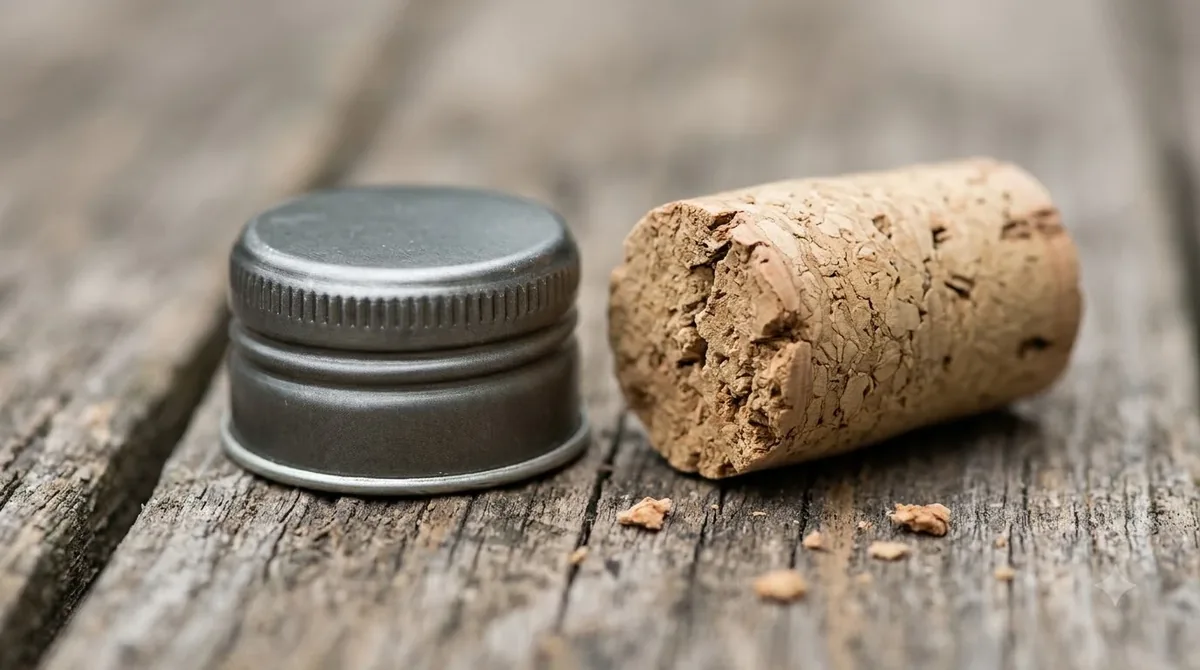
Cava’s classic white blend draws on Macabeo, Xarel·lo, and Parellada, grapes that can contribute apple, citrus, floral, and gently savory notes. The D.O. Cava describes its youngest wines as fresh and clean, with fruit such as apple, pear, and lemon; longer lees aging can add bread-dough, pastry, and nut aromas. A substitute does not need the same grapes, but the combination of acidity and restrained fruit is useful to look for.
Production method is the first sorting tool. In the traditional method, the second fermentation happens in the bottle that reaches the drinker. The wine then rests on lees, the spent yeast cells left after fermentation. Lees contact can build a creamier texture and aromas reminiscent of bread, brioche, or pastry. That is why Crémant, Champagne, Franciacorta, and traditional-method sparkling wines from other regions tend to resemble Cava more closely than a light tank-fermented wine.
Match the dryness and weight to the occasion: Brut for seafood, fruit-forward bubbles for brunch, and a sweeter style for dessert. Then decide whether you want more toast, more fruit, or a softer mousse.
Crémant Is the Closest Everyday Alternative
Crémant is often the most direct alternative because it is made by the traditional method in French regions outside Champagne. It offers bottle-fermented bubbles and lees-derived texture, while its regional grapes create a range of styles that can be fresher, fruitier, or richer than Cava.
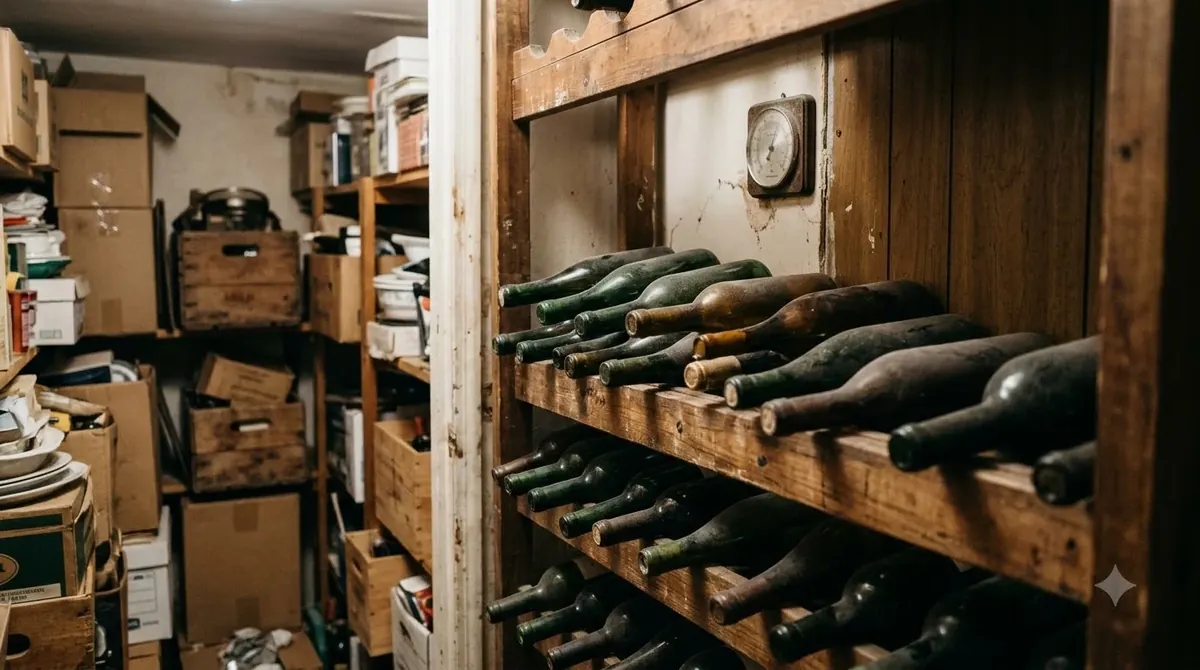
Eight French appellations make Crémant: Alsace, Bordeaux, Bourgogne, Die, Jura, Limoux, Loire, and Savoie. Crémant de Bourgogne is a natural starting point for drinkers who like Chardonnay and Pinot Noir because those grapes are central to both Burgundy’s still wines and many Champagnes. Crémant d’Alsace can lean toward a brighter, more aromatic profile, while Crémant de Loire may show Chenin Blanc or Cabernet Franc character. Crémant de Limoux offers another route, often using Chardonnay and Chenin Blanc with Mauzac in support.
Many Crémant rules require at least nine months of lees aging, although exact requirements differ by appellation and some producers age their wines longer. Decanter notes that lees contact can add body and brioche-like aromas, and that Burgundy’s Crémant often uses Chardonnay and Pinot Noir. Some Burgundy producers also use longer-aging tiers, giving shoppers a way to seek more developed texture without moving to Champagne. For Cava drinkers, that combination can provide familiar citrus, apple, and nutty notes without copying the Spanish blend.
Choose a Brut Crémant for a dry, versatile pour. Crémant de Bourgogne suits oysters, roast chicken, creamy cheeses, and salty appetizers; Crémant d’Alsace can work with smoked fish or fresh herbs. Because regional grapes shape the profile, a Loire wine based on Chenin Blanc will taste different from a Burgundy bottling based on Chardonnay and Pinot Noir. Start with Brut and look for some lees age if you want a savory edge.
Prosecco Works When Fresh Fruit Matters
Prosecco is a good cava substitute when the priority is fresh pear, apple, and floral character rather than the subtle toastiness of bottle fermentation. Most Prosecco uses the tank method, which preserves the primary fruit aromas of Glera and creates a lighter, more immediately approachable style.
The key production difference is where the second fermentation occurs. In Prosecco, it usually takes place in a pressurized stainless-steel tank, not in each individual bottle. Wine Enthusiast explains that this approach limits extended lees contact and helps protect Glera’s delicate fruit and floral notes. Cava’s traditional method, by contrast, gives the wine more opportunity to develop yeast-derived complexity.
Prosecco generally has an alcohol level around 11–12% ABV, making it a relatively light option for a daytime gathering. Its fruit-forward style is also useful when a cocktail includes bitter or herbal ingredients, since its pear and apple notes can soften the mix without requiring a sweet dosage. It is especially useful for brunch, fruit-based appetizers, and cocktails such as a Mimosa or Bellini. Prosecco DOC is based on Glera, and the tank method helps retain its apple, pear, and floral aromas. Choose Brut when you want a drier impression; Extra Dry is actually a little sweeter than Brut, despite how the words may sound.
Prosecco will not duplicate Cava’s texture: its bubbles can feel softer and less persistent, and the wine is usually more overtly fruity. That makes it a practical choice for an aromatic mixed drink rather than a close match for lees-aged complexity. For more detail, see Wine Enthusiast’s overview of sparkling-wine methods.
Champagne, Franciacorta, and Trentodoc Offer More Depth
Champagne, Franciacorta, and Trentodoc are strong choices when you value Cava’s fine mousse and bottle-fermented character. They can bring greater richness or more pronounced mineral and brioche notes, making them especially suitable for a special meal.
Champagne comes from a defined region of northeastern France and commonly blends Chardonnay, Pinot Noir, and Pinot Meunier. Its traditional-method production gives it a structural similarity to Cava, but its cool climate and grape mix create a different balance of acidity, fruit, and toast. Decanter notes that non-vintage Champagne has a minimum of 12 months on lees, while vintage Champagne requires at least three years. Brut non-vintage is the most direct dry alternative; Blanc de Blancs emphasizes Chardonnay, while Blanc de Noirs is made from black grapes.
Franciacorta, from Lombardy, is a traditional-method wine based mainly on Chardonnay and Pinot Nero; some producers use little or no dosage. Trentodoc, from the Italian Alps in Trentino, often uses the same two grapes, with high-altitude growing conditions helping retain fresh acidity. Choose either for a dry, layered pairing with trout, fried appetizers, or roast poultry. Both make sense when you want a sparkling wine to remain part of the meal rather than function only as a first glass; their lees texture can stand up to richer sauces and browned food.
Prestige alone does not make a wine a better substitute. Choose by acidity, sweetness, and weight: Crémant for an everyday aperitif, or Champagne and Franciacorta for a more layered dinner pour.
Choose the Right Substitute for Food and Sweetness
Match the wine’s acidity and sweetness to the food before focusing on its country of origin. A dry, high-acid sparkling wine suits salty or rich dishes, while a sweeter bottle is more effective with desserts that would make a dry wine taste sharp.
For oysters, shrimp, sushi, or fried seafood, choose Brut Crémant, Brut Champagne, or another dry traditional-method sparkler. Their acidity refreshes the palate, and bubbles cut through fried coatings. Foods with pronounced acidity, such as a lemon-dressed salad or tomato-based seafood dish, also need a wine with equal or higher acidity so the wine does not taste flat. Dry sparkling wine suits potato chips, cured ham, and aged hard cheese: salt can soften bitterness and acidity, while freshness keeps rich bites from feeling heavy. A lees-aged Crémant or dry Franciacorta fits this savory role particularly well.
With spicy food, remember that alcohol can amplify chili heat; a light, lower-alcohol Prosecco may suit a gently spiced dish better than a fuller, stronger wine. For dessert, reverse the rule: the wine should be at least as sweet as the food. Brut can taste thin beside a very sweet cake, so choose Demi-Sec for fruit tart, sponge cake, or pastries.
| Style | Method or aging benchmark | Best use as a Cava substitute |
|---|---|---|
| Crémant | Traditional method; at least 9 months of lees aging in many appellations | Closest everyday match for fine bubbles and dry balance |
| Cava de Guarda | At least 9 months in bottle | Reference point for young, crisp Cava style |
| Cava Reserva | At least 18 months in bottle | More texture and pastry notes |
| Cava Gran Reserva | At least 30 months in bottle | Riper fruit, toast, and nutty complexity |
| Champagne, non-vintage | At least 12 months on lees | Traditional-method depth and fine mousse |
| Champagne, vintage | At least 3 years on lees | A more layered choice for a special occasion |
The figures are minimum aging benchmarks described by the D.O. Cava and Decanter; Crémant requirements vary by appellation. The D.O. Cava’s guide to how aging changes Cava explains how longer lees contact can integrate bubbles and add pastry, toast, and nut aromas. For dryness, the usual order from driest to sweetest is Brut Nature, Extra Brut, Brut, Extra Dry, Dry, Demi-Sec, and Doux; Extra Dry is sweeter than Brut.
Use Different Substitutes for Cocktails and Cooking
For cocktails, choose a sparkling wine that complements the other ingredients. Prosecco is a smart choice for fruit-led drinks, while dry Crémant or another traditional-method wine gives a drier, more restrained result. In a Mimosa, use equal parts sparkling wine and orange juice as a starting ratio: Prosecco gives a rounder fruit profile, while Brut Crémant keeps the drink sharper. Peach purée pairs naturally with Prosecco in a Bellini. For a spritz, Brut usually balances a sweet liqueur or fruit soda better than Demi-Sec. In a large-format punch, keep the sparkling wine chilled and add it just before serving so the bubbles are not lost while the other ingredients are mixed.
For risotto, pan sauces, and poaching liquid, heat quickly removes bubbles, so replace Cava with an equal amount of dry still white wine. Unoaked Sauvignon Blanc or Pinot Grigio supplies acidity without an obvious oak flavor; add water or stock if the recipe needs more liquid after reduction. For a nonalcoholic punch, dilute dry white grape juice with chilled club soda, starting with two parts juice to one part soda, then add lemon to balance the sweetness. This is a sweet-fruited stand-in, not a wine-flavored replacement for sauces.
Tip: For a recipe that specifically needs a dry, sparkling wine, use Brut Crémant or Brut Prosecco in the same amount as Cava. Save premium vintage sparkling wine for drinking, since cooking removes much of the detail that makes it distinctive.
Serve, Chill, and Store the Replacement Bottle
Serving temperature has a major effect on how a sparkling substitute feels. Keep sparkling wines cold enough to preserve their freshness, but avoid serving them so cold that the aroma disappears.
A useful serving range for sparkling wine is 40–50°F. Chill the bottle in a refrigerator for several hours, or use an ice bucket with a mix of ice and water for a faster chill. For a very aromatic Crémant or aged Champagne, serve toward the warmer end of that range so citrus, apple, and pastry notes remain expressive. Open it carefully by holding the cork and turning the bottle slowly; keep the bottle pointed away from people, glassware, and lights. Pour about 5 ounces per serving, which gives roughly five glasses from a standard 750 ml bottle.
A tulip-shaped glass balances bubble retention with room for citrus, apple, and yeast-derived aromas. A flute emphasizes the stream of bubbles, while a white-wine glass gives aged Crémant, Franciacorta, or Champagne more space to open.
Store unopened bottles on their side in a cool, dark place near 55°F, away from sunlight and temperature swings. After opening, use a sparkling-wine stopper and refrigerate the bottle; it generally keeps its best fizz for about one to three days. Heat can dull freshness, so do not leave a bottle in a warm kitchen or car.
Frequently Asked Questions
Does Crémant have to come from Burgundy or Alsace?
No. Crémant is also made in Bordeaux, Die, Jura, Limoux, Loire, and Savoie, as well as Luxembourg. Each appellation has its own permitted grapes and rules.
How is pét-nat different from traditional-method sparkling wine?
Pét-nat is bottled before its first fermentation has finished, so that fermentation continues in the bottle. It may remain cloudy or contain sediment because disgorgement is not always part of its production.
Can dry Lambrusco replace Cava with pizza or charcuterie?
Yes, when a sparkling red is welcome rather than a close flavor match. Dry Lambrusco from Emilia-Romagna brings dark-berry fruit and acidity that pair well with tomato sauce, cured meats, and salty cheeses.
What does Méthode Cap Classique mean on a South African bottle?
It identifies South African sparkling wine made by the traditional method, with second fermentation taking place in the bottle. The designation signals a bottle-fermented style rather than a grape variety, so the blend can vary from producer to producer.
Is sparkling rosé always sweeter than white Brut?
No. Rosé describes color, not sugar level, and sparkling rosé can be labeled Brut or Extra Brut. Pinot Noir and Pinot Meunier can contribute pink color and red-berry aromas without making the wine sweet.
The best cava substitute depends on what you want to preserve: choose Crémant for the closest traditional-method feel, Prosecco for bright fruit and cocktails, or Champagne, Franciacorta, and Trentodoc for added depth. Start with a dry Brut style, then adjust the region and grape variety to suit the menu. For more ways to compare sparkling styles, explore cava color, the cava alcohol content, and the broader guide to Wine by Type.
More in Wine Types & Grapes
 What Does Ruby Port Taste Like? Flavor Notes, Styles, and Serving TipsUpdated Nov 21, 2026
 What Does Ribolla Gialla Taste Like? Crisp White and Amber Styles ExplainedUpdated Nov 21, 2026
 What Does Semillon Taste Like? Flavor Profile, Styles & PairingsUpdated Nov 21, 2026
 What Does Scuppernong Taste Like? Flavor, Styles, and Pairing GuideUpdated Nov 21, 2026
 What Does Saperavi Taste Like? Flavors, Styles, and Pairing GuideUpdated Nov 21, 2026
 What Does Natural Wine Taste Like? Flavors, Styles, and Serving TipsUpdated Nov 21, 2026