

We may earn a commission when you buy through links on this page, at no extra cost to you. Learn more.
Claret food pairing works best with roast beef, grilled lamb, duck, hearty stews, and aged cheeses because the wine’s tannins, acidity, and dark-fruit flavors complement rich, savory dishes. Claret traditionally refers to red Bordeaux, particularly blends based on Cabernet Sauvignon and Merlot. The best food match depends on the wine’s structure: Cabernet-led examples suit fattier meats, while softer Merlot-led wines offer more flexibility with poultry, vegetables, and everyday meals.
Claret has a long association with the dinner table, especially classic British and French dishes. Its range extends from approachable, fruit-forward reds to concentrated wines with firm tannins and the ability to develop complexity with age. Understanding those differences makes it easier to choose the right dish, whether you are serving a Sunday roast, preparing a casual burger, or putting together a cheese board. This guide explains which foods work best, how to handle different claret styles, and how to serve the wine at its best.
Understanding Claret and Its Main Flavor Characteristics
Claret traditionally means red Bordeaux, a category known for blending Cabernet Sauvignon, Merlot, Cabernet Franc, and sometimes smaller amounts of Petit Verdot and Malbec. These grapes create wines with different levels of body, tannin, acidity, and fruit, so there is no single food pairing that suits every bottle.
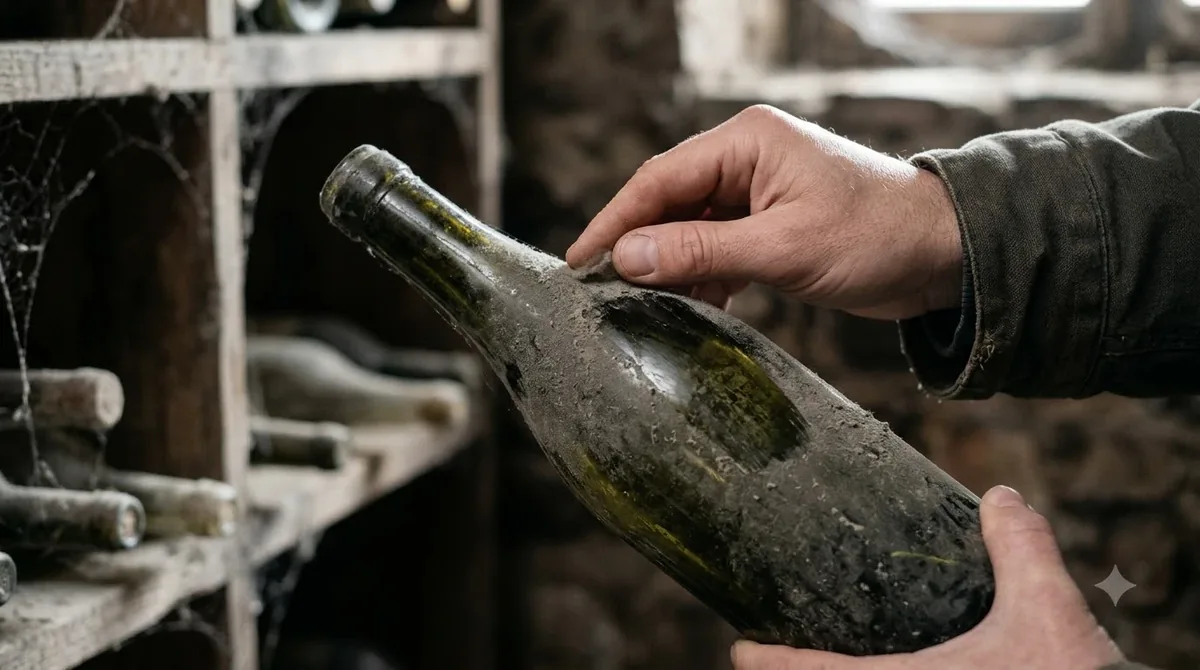
The term has a long history in England and is particularly associated with Bordeaux’s red wines. Modern claret generally means red Bordeaux rather than Bordeaux Clairet, which remains a separate, darker-pink wine style. The distinction matters because traditional red claret has the structure and tannins associated with red wine, while Clairet is closer in style to a substantial rosé.
For food matching, the most useful distinction is between Cabernet Sauvignon-dominated and Merlot-dominated wines. Cabernet Sauvignon usually contributes firmer tannins, blackcurrant flavors, and structure. Merlot typically brings softer tannins, plum and cherry flavors, and a rounder impression. Cabernet Franc can contribute freshness and herbal character, while Petit Verdot may add color, structure, and additional tannic grip.
Left Bank and Right Bank differences
The Left Bank includes well-known appellations such as Médoc, Pauillac, Margaux, and Saint-Julien. Cabernet Sauvignon is particularly important in many wines from these areas, making them natural partners for grilled beef, lamb, and other richly flavored meats. Their tannins benefit from dishes containing fat and protein.
On the Right Bank, appellations such as Saint-Émilion and Pomerol are particularly associated with Merlot. These wines can feel softer and more approachable, although individual bottles vary considerably. Their fruit and supple structure can work with roast chicken, duck, pork, mushrooms, and moderately spiced dishes.
Some American wineries also use the word claret for Bordeaux-style red blends. These wines can follow similar pairing principles, but their grape composition and winemaking approach may differ from traditional Bordeaux.
For a broader overview of different grape-based wine styles, explore our Wine by Type resource.
Best Meat Pairings: Beef, Lamb, and Game
Beef and lamb are among the most reliable matches for traditional claret, especially wines with substantial Cabernet Sauvignon. Fat, protein, and savory cooking flavors soften the perception of tannin, while the wine’s dark fruit and acidity keep rich dishes from feeling overly heavy.
Roast beef is a particularly dependable choice. A medium-rare rib roast, served with its natural juices and roasted potatoes, provides enough richness to balance a structured Bordeaux blend. A simple pan sauce made with shallots and stock can reinforce the wine’s savory character without introducing excessive sweetness.
Grilled steak also works exceptionally well. Ribeye, strip steak, and other cuts with visible marbling are especially suitable for firm, Cabernet-led claret. The fat in the meat helps moderate the drying sensation of tannin, while the browned exterior adds roasted flavors that complement the wine’s blackcurrant, cedar, and earthy notes.
Lamb is another classic match, particularly when seasoned with garlic, rosemary, and black pepper. Roast leg of lamb, grilled chops, and slow-roasted shoulder all provide the savory depth needed by a structured red. A Cabernet Sauvignon-led wine from Pauillac or the wider Médoc is a natural choice for a substantial lamb roast.
Game and slow-cooked meats
Venison, beef cheeks, and other slow-cooked meats suit claret with concentrated fruit and developed savory character. Venison has a distinctive flavor that works well with the structure of Cabernet Sauvignon, especially when accompanied by mushrooms, root vegetables, or a restrained red-wine sauce.
Slow-cooked beef cheeks and beef daube are particularly useful choices for cooler-weather meals. Their tender texture and rich cooking liquid complement the wine’s tannins. For a similar reason, steak pie and traditional meat casseroles make excellent partners for approachable Bordeaux reds.
Classic regional cooking offers another useful reference. Entrecôte à la bordelaise, a grilled rib steak served with a sauce featuring red Bordeaux, shallots, stock, and beef marrow, demonstrates how naturally the wine fits with rich beef dishes.
| Meat dish | Recommended claret style | Why it works |
|---|---|---|
| Roast rib of beef | Structured Cabernet-led Bordeaux | Fat and protein soften tannins |
| Grilled lamb chops | Classic Médoc or Pauillac | Rich meat complements firm structure |
| Roast chicken | Soft, fruit-forward Merlot-led claret | Moderate tannin suits lighter meat |
| Venison stew | Mature, concentrated Bordeaux | Earthy flavors complement savory complexity |
| Steak burger | Young, approachable Bordeaux | Juicy fruit balances grilled flavors |
| Beef cheeks | Full-bodied red Bordeaux | Slow-cooked richness matches structure |
| Roast pork | Soft Merlot-dominated claret | Ripe fruit complements savory sweetness |
When selecting a wine for meat, consider the preparation as much as the main ingredient. A lean beef fillet with a delicate sauce may suit a more restrained claret, while a fatty ribeye with peppercorn seasoning can support a firmer, more concentrated example.
For further inspiration beyond the traditional roast, Decanter’s Bordeaux food-pairing recommendations include duck, grilled seafood, pigeon, and inventive restaurant dishes alongside red Bordeaux.
Poultry, Pork, and Everyday Meals
Claret does not need an elaborate roast to make a successful food pairing. Softer, fruit-forward Bordeaux reds can work with chicken, duck, pork, sausages, and familiar comfort foods, particularly when the dish has enough seasoning or richness to stand alongside the wine.
Roast chicken is an especially versatile option. A Merlot-led claret from Saint-Émilion or another approachable Bordeaux area can complement golden skin, roasted onions, and pan juices without overwhelming the relatively delicate meat. Garlic, thyme, and rosemary add savory details that connect naturally with the wine’s fruit and herbal notes.
Duck offers a richer alternative. Roast duck breast with mushrooms, lentils, or a savory herb sauce can work with a medium-bodied claret that has enough acidity to balance the meat’s fat. Duck confit is another possibility, especially with a softer Bordeaux that emphasizes ripe plum and cherry rather than aggressive tannin.
Pork, sausages, and casual dishes
Pork tenderloin, roast pork shoulder, and grilled pork chops can all work with claret. A softer Merlot-based wine is generally the safer choice because its fruit and moderate tannin complement pork without dominating its flavor. Apple-based accompaniments can also work, provided they are not excessively sweet.
Sausages are particularly practical. Grilled pork sausages, herbed sausages, and dishes served with lentils or white beans provide savory flavors that complement everyday Bordeaux. The same approach works with charcuterie, pâté, and terrines.
Shepherd’s pie and its French counterpart, hachis parmentier, are also established partners for approachable red Bordeaux. Their combination of seasoned meat, gravy, and mashed potatoes creates a satisfying match for wines with moderate body and fresh fruit.
For a casual meal, try a claret with a cheeseburger, grilled sausages, or a simple meat pie. Avoid overly sweet barbecue sauces, which can make a dry red taste bitter or sharply acidic. A savory glaze or moderate seasoning usually creates a better balance.
Not every poultry dish needs the same wine. A lightly seasoned chicken breast is more delicate than duck confit, while turkey with mushroom gravy has more savory depth. Choose a lighter, softer claret for simple preparations and a more structured wine for richer sauces and roasted accompaniments.
Vegetarian Dishes, Mushrooms, and Roasted Vegetables
Vegetarian food can pair very well with claret when the dish includes savory ingredients, roasted flavors, or enough richness to balance tannin. Mushrooms, lentils, eggplant, and roasted root vegetables are particularly useful because their earthy and caramelized flavors can complement the wine’s fruit and savory character.
Mushrooms are among the strongest vegetable-based matches. Their earthy, umami-rich flavor works especially well with mature Bordeaux, which may develop notes of dried leaves, cedar, leather, and earth as it ages. A mushroom omelet, wild mushroom risotto, or roasted portobello mushrooms can all provide a suitable foundation.
Roasted vegetables are another dependable option. Carrots, parsnips, sweet potatoes, and onions develop concentrated flavors during roasting. Their natural sweetness and browned surfaces can complement the ripe fruit of a Merlot-led claret, particularly when the dish also includes herbs, olive oil, and savory seasoning.
Lentils, beans, and substantial vegetarian dishes
French-style lentils with mushrooms, herbs, and roasted onions make a satisfying match for medium-bodied Bordeaux. Their earthy flavor and substantial texture provide more support than a simple green salad. White beans cooked with garlic, thyme, and vegetables can also work with a softer, fruit-forward red.
Vegetable lasagna is another useful choice. Layers of tomato sauce, roasted vegetables, pasta, and cheese create enough richness for a younger claret. However, highly acidic tomato sauces can make tannic wines seem harsher, so a softer Bordeaux is often the better option.
Eggplant dishes deserve consideration too. Grilled eggplant with herbs, lentil-stuffed eggplant, and roasted vegetable casseroles have savory depth that works with medium-bodied red wines. A Merlot-dominated claret generally provides a more comfortable match than a very tannic Cabernet-heavy example.
Tip: If a vegetarian dish feels too light for claret, add roasted mushrooms, lentils, caramelized onions, or a modest amount of aged cheese. These ingredients provide the savory depth and richness that help balance red-wine tannins.
There are some combinations to approach carefully. Bitter greens, strongly acidic dressings, and sweet vegetable glazes can make a dry red taste less balanced. A simple salad with a sharp vinaigrette is usually better with a crisp white wine, while a warm salad featuring roasted mushrooms and lentils is more suitable for claret.
For another red-wine pairing perspective, Blaufränkisch food pairing offers useful comparisons for dishes featuring meat, mushrooms, and savory vegetables.
Cheese, Charcuterie, and Appetizers
Cheese and charcuterie make claret particularly useful for entertaining. The best choices depend on tannin and intensity: softer wines can accompany creamy cheeses and mild cured meats, while structured Cabernet-led bottles are better suited to firm, aged cheeses and richer savory foods.
A charcuterie board with pâté, terrines, roast beef slices, and cured sausages is a traditional partner for approachable Bordeaux. These foods have concentrated savory flavors and enough protein and fat to make the wine feel rounder. Add crusty bread, roasted nuts, and olives to create a balanced selection.
Hard and aged cheeses
Hard cheeses are especially suitable for structured claret. Aged cheddar, Red Leicester, Cheshire, and Mimolette offer savory depth and a firm texture that can stand alongside Cabernet Sauvignon. Their salt and fat help moderate the wine’s tannic grip.
Parmesan and aged Gouda can also work, particularly with wines that have developed more complexity. The concentrated, savory flavors of these cheeses complement mature Bordeaux, although the strongest cheeses should be served in moderate portions so they do not overwhelm the wine.
Soft cheeses require a little more care. Brie and Camembert are generally better with lighter, fruitier claret than with highly tannic Cabernet-dominated wines. Goat cheese and sheep cheese can also be useful choices when they have moderate intensity and are not excessively acidic.
Building a balanced appetizer board
For a practical appetizer selection, combine three or four contrasting foods rather than relying on a single strong flavor. A board featuring aged cheddar, mild Brie, pâté, sliced roast beef, and plain crackers provides several textures and flavor intensities for an approachable Bordeaux.
A more structured claret can accompany grilled sausages, hard cheeses, and beef terrine. A younger, softer bottle is generally better for a lighter selection featuring mild cheeses, cooked ham, and vegetable-based appetizers.
Keep sweet accompaniments restrained. Honey-heavy preserves, sweet chutneys, and sugary dried fruit can make dry red wines seem bitter or sour. Fresh fruit, lightly salted nuts, and savory crackers usually provide a more reliable balance.
If the appetizer selection includes heavily spiced cured meats, choose a fruit-forward wine with moderate tannin rather than a very powerful Cabernet blend. High alcohol and tannin can intensify the burning sensation of chili heat, making strongly spiced dishes less comfortable partners for claret.
For a different approach to meat, cheese, and Mediterranean-style appetizers, our Carignan food pairing guide provides another useful comparison.
Serving Temperature, Decanting, and Wine Preparation
Serving temperature has a direct effect on how claret tastes with food. Light, fruit-forward Bordeaux benefits from slightly cooler service, while fuller wines need a little more warmth to reveal their aromas and keep tannins from seeming overly firm.
For a typical medium- to full-bodied claret, approximately 60–65°F is a useful serving range. Lighter red Bordeaux can be served around 55–60°F, particularly when it has fresh fruit and relatively low tannin. These temperatures help preserve the wine’s balance without making it feel excessively warm.
The Bordeaux wine council provides more specific guidance for its different red styles. Its lighter reds are recommended at approximately 14–16°C, or 57–61°F, while concentrated and powerful wines are generally served at 17–18°C, or 63–64°F. These distinctions explain why treating every bottle of claret identically can lead to disappointing results.
For additional guidance, the official Bordeaux red-wine style and serving guide explains the differences between lighter, silky, concentrated, and powerful wines, including their recommended temperatures and food matches.
Temperature by style
Use the following temperatures as practical starting points for a meal:
- Light, fruit-forward claret: 55–60°F.
- Medium-bodied Merlot-led claret: 58–62°F.
- Full-bodied Cabernet-led claret: 60–65°F.
- Mature, structured Bordeaux: approximately 60–65°F, depending on its condition and body.
A bottle stored in a warm room may need time in the refrigerator before serving. Conversely, a bottle taken directly from a cold refrigerator should be allowed to warm gradually. Excessive warmth can make alcohol more noticeable and fruit flavors seem heavy, while excessive cold can make tannins feel more aggressive.
When should you decant claret?
Young, full-bodied red Bordeaux often benefits from 30–60 minutes of decanting. Exposure to air can help open its aromas and make its texture seem more approachable, especially when the wine has firm tannins.
Mature claret requires more care. Older bottles may contain sediment and can lose delicate aromas if exposed to air for too long. Decanting primarily to separate the wine from sediment, shortly before serving, is often more appropriate than leaving an older bottle open for several hours.
Use a reasonably large red-wine glass to allow the aromas to develop. Pour approximately 5 ounces per serving; a standard 750 ml bottle provides about five glasses. This portion leaves enough room in the glass for swirling and smelling without making the wine difficult to assess.
Food preparation also matters. Allow grilled meat to rest before serving, avoid excessive sweetness in sauces, and keep side dishes seasoned rather than heavily spiced. These small decisions can make a noticeable difference to the balance between wine and food.
Frequently Asked Questions
Is claret always made from more than one grape variety?
No. Traditional red Bordeaux is commonly a blend, but individual wines can emphasize one grape variety much more strongly than others. Some Bordeaux-style wines produced outside France are also made predominantly from a single variety. The term claret describes a style or tradition rather than a mandatory grape formula.
Can claret be made outside Bordeaux?
Yes. Some American wineries use claret to describe Bordeaux-inspired red wines, and similar blends are produced in several wine regions. However, the word does not automatically establish the wine’s geographical origin or guarantee that it follows Bordeaux production practices.
How long can an opened bottle of claret be kept?
Most opened still red wines remain in reasonable drinking condition for approximately 3–5 days when recorked and refrigerated. The exact period depends on the wine’s age, storage conditions, and exposure to oxygen. Mature claret may lose its most delicate aromas sooner than a younger, more structured bottle.
Is claret the same as Bordeaux Clairet?
No. Claret generally refers to red Bordeaux, whereas Bordeaux Clairet is a distinct style with a darker-pink color between rosé and red wine. Clairet is produced with shorter skin contact and generally has a lighter structure than traditional red Bordeaux. Its freshness and moderate tannins make it suitable for different occasions and food combinations.
Does claret have to be decanted before serving?
No. Decanting is optional rather than a requirement. Young, concentrated Bordeaux may benefit from 30–60 minutes of aeration, while simple, approachable bottles can be served directly. Older wines may need decanting primarily to remove sediment, with careful handling to preserve their delicate aromas.
Claret is a versatile food wine, with its strongest traditional matches including roast beef, lamb, venison, hearty stews, and aged cheeses. Softer Merlot-led examples also work beautifully with poultry, mushrooms, and everyday meals. Match the wine’s tannin and body to the richness of the dish, serve it at an appropriate temperature, and claret can bring balance and character to everything from a casual supper to a formal roast dinner.
More in Wine Types & Grapes
 What Does Ruby Port Taste Like? Flavor Notes, Styles, and Serving TipsUpdated Nov 21, 2026
 What Does Ribolla Gialla Taste Like? Crisp White and Amber Styles ExplainedUpdated Nov 21, 2026
 What Does Semillon Taste Like? Flavor Profile, Styles & PairingsUpdated Nov 21, 2026
 What Does Scuppernong Taste Like? Flavor, Styles, and Pairing GuideUpdated Nov 21, 2026
 What Does Saperavi Taste Like? Flavors, Styles, and Pairing GuideUpdated Nov 21, 2026
 What Does Natural Wine Taste Like? Flavors, Styles, and Serving TipsUpdated Nov 21, 2026