

We may earn a commission when you buy through links on this page, at no extra cost to you. Learn more.
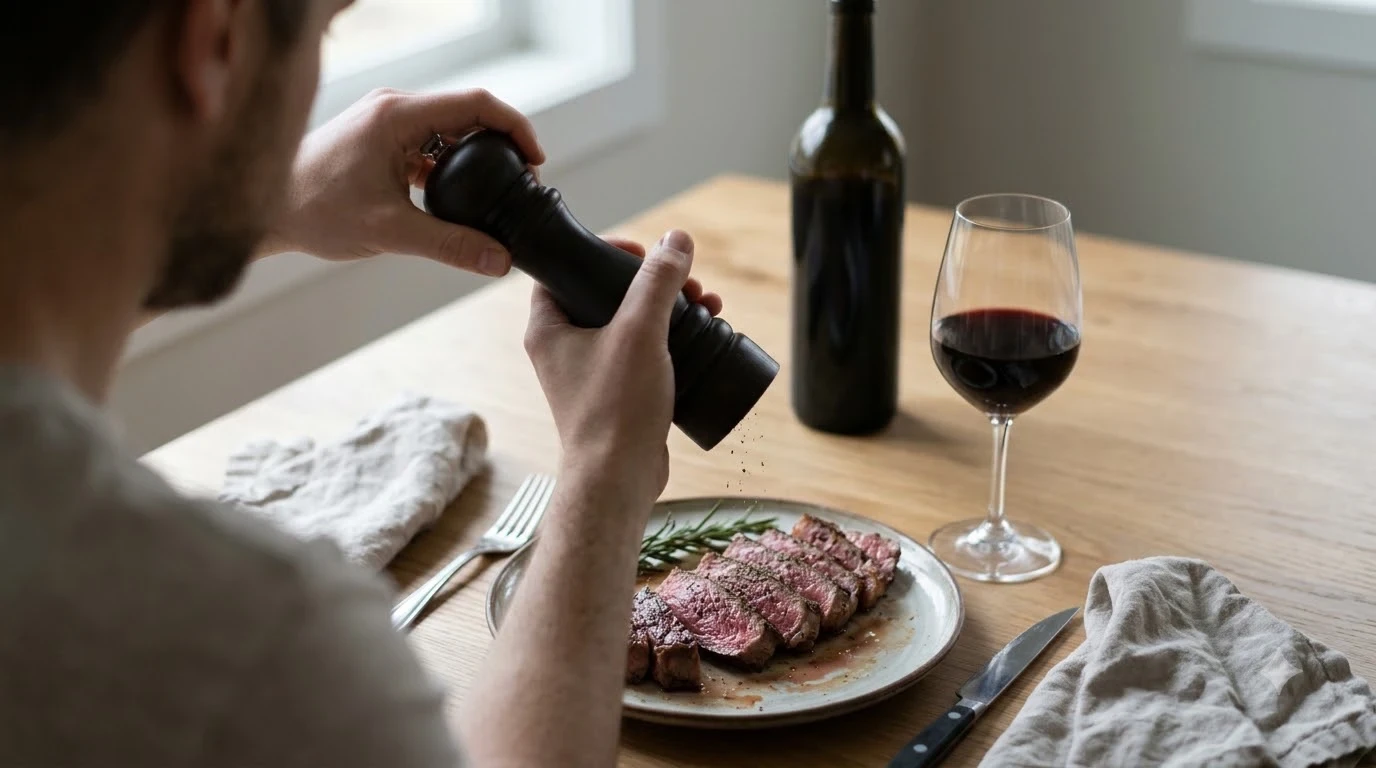
Cooking with shiraz adds dark-fruit flavor, peppery spice, acidity, and structure to hearty dishes such as beef stew, lamb braises, barbecue sauces, and mushroom gravies. This full-bodied red wine works particularly well with ingredients that can stand up to its concentrated flavors, including slow-cooked beef, roasted vegetables, garlic, and rosemary. The key is controlling its tannins and reduction time so that the finished sauce tastes rich and savory rather than bitter or overly alcoholic.
Shiraz is one of the most useful red wines for building depth in savory cooking. Its blackberry and plum flavors complement browned meat, while its acidity balances rich fats and its peppery character works naturally with familiar kitchen ingredients. Australian Shiraz is particularly popular for cooking because its ripe fruit profile suits hearty American dishes. However, different bottles can produce noticeably different results, so understanding the wine’s structure helps you choose the right style and use the right amount. From quick skillet sauces to slow-cooked short ribs, there are several practical ways to bring Shiraz into everyday cooking.
Why Shiraz Works So Well in Savory Cooking
Shiraz is particularly effective in recipes that need dark-fruit depth, acidity, and a full-bodied red-wine character. Its natural combination of blackberry, plum, black pepper, and firm tannins complements beef, lamb, mushrooms, and other strongly flavored ingredients.
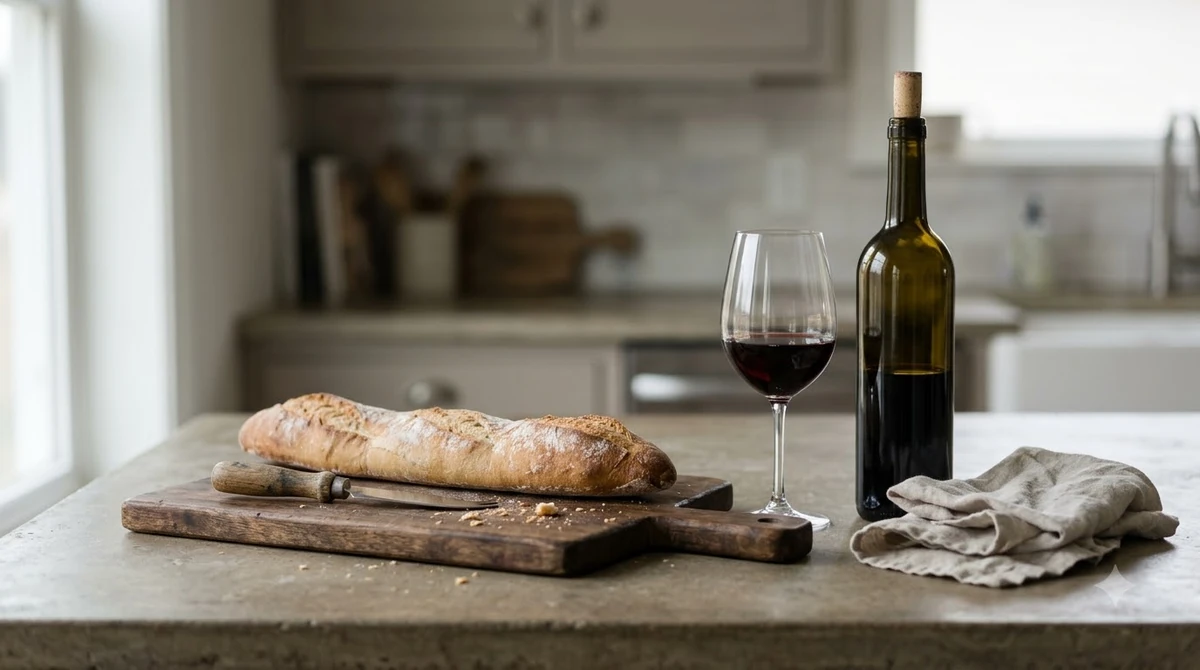
Shiraz and Syrah are names for the same grape variety, although the wines can have different expressions depending on where the grapes grow and how the winemaker produces them. According to Wine Enthusiast, warmer South Australian regions such as Barossa Valley and McLaren Vale are associated with ripe, fruit-forward Shiraz. These wines commonly show concentrated blueberry, blackberry, and smoked-meat characteristics, making them particularly useful in substantial savory recipes.
During cooking, wine contributes more than its fruit aromas. Its acidity helps balance fatty ingredients, while alcohol helps dissolve certain flavor compounds and carries aromas through the dish. Its tannins contribute structure, although they need careful handling because prolonged reduction can make a sauce taste bitter or drying. These characteristics explain why Shiraz can produce a satisfying sauce when combined with beef stock, butter, onions, and herbs.
Its flavor profile also makes it a natural choice for recipes featuring ingredients with similarly intense characteristics. Consider the following combinations:
- Blackberry and plum: Complement roasted beef, caramelized onions, and tomato-based braising liquids.
- Black pepper: Works with steak, grilled lamb, garlic, and peppercorn sauces.
- Smoked-meat notes: Match barbecue ribs, smoked brisket, and grilled sausages.
- Earthy flavors: Complement mushrooms, eggplant, lentils, and roasted root vegetables.
- Oak and baking spice: Add warmth to slow-cooked beef, pork shoulder, and savory gravies.
Not every Shiraz has the same intensity. A cooler-climate Syrah may be more restrained, with savory herbs, fresh fruit, and brighter acidity. A warm-climate Australian Shiraz may have richer fruit, higher alcohol, and more pronounced oak. Both styles can work in the kitchen, but the more concentrated version is better suited to long-cooked meat dishes, while a lighter example can be useful in quicker pan sauces.
Shiraz is generally a dry wine, even when its fruit flavors suggest sweetness. This distinction matters because a sauce made with a dry wine will not necessarily become sweet just because the wine tastes like ripe berries. The final flavor depends on reduction, stock, vegetables, added sweeteners, and the other ingredients in the recipe.
For a closer look at its aromas and structure, see our explanation of what does shiraz taste like. Understanding those characteristics makes it easier to predict how the wine will behave in a saucepan or braising pot.
Choosing the Right Shiraz for Different Recipes
The best Shiraz for cooking is dry, fruity, reasonably balanced, and free from obvious oxidation. A medium-to-full-bodied bottle with moderate oak influence is a versatile choice for everyday recipes, while a more concentrated Barossa-style wine suits long braises and substantial meat dishes.
Start by considering the final dish rather than choosing a wine simply because it is labeled Shiraz. A sauce for grilled steak benefits from dark fruit and pepper, whereas a mushroom sauce may work better with a less powerful, more savory wine. The wine should support the ingredients instead of becoming the dominant flavor.
Australian Shiraz is a convenient starting point because its fruit-forward style works with familiar ingredients such as beef stock, onions, tomatoes, garlic, and rosemary. Barossa Valley examples often have ripe blackberry character and substantial body. McLaren Vale bottles can also offer expressive dark-fruit flavors, although individual producers and winemaking choices create considerable variation.
There is no need to reserve expensive bottles for the kitchen. Choose a wine that tastes pleasant enough to drink, but avoid paying for elaborate oak aging or a collectible vintage when the recipe will simmer for several hours. A modest, straightforward bottle generally makes more practical sense.
What to look for on the bottle
- Dry style: Provides more control over the finished dish’s sweetness.
- Fruit-forward character: Adds blackberry and plum flavors that complement browned meat.
- Moderate oak: Avoids overwhelming the natural flavors of vegetables, stock, and herbs.
- Balanced acidity: Helps prevent fatty sauces from tasting heavy.
- Manageable tannins: Reduces the possibility of excessive bitterness during reduction.
A bottle with extremely ripe fruit and high alcohol can still work, particularly in beef short ribs or barbecue sauce. However, these wines should be used carefully because their concentrated flavors become more noticeable as liquid evaporates. If a recipe already contains tomato paste, molasses, or brown sugar, a particularly ripe Shiraz may make the finished sauce taste sweeter than intended.
Cooking wine with added salt is generally a poor substitute for regular drinking wine. Its seasoning can become difficult to control after reduction, particularly in recipes that also contain stock, soy sauce, cured meat, or salted butter.
Tip: Before cooking, taste a small amount of your Shiraz. If it is excessively sweet, harsh, oxidized, or unpleasant to drink, choose another bottle. A good cooking wine should contribute flavors that you would want in the finished meal.
Best Ways to Use Shiraz in the Kitchen
Shiraz is most effective in deglazing, braising, reducing sauces, and preparing marinades. These techniques allow its dark-fruit flavors and acidity to combine with browned ingredients, meat juices, and aromatic vegetables.
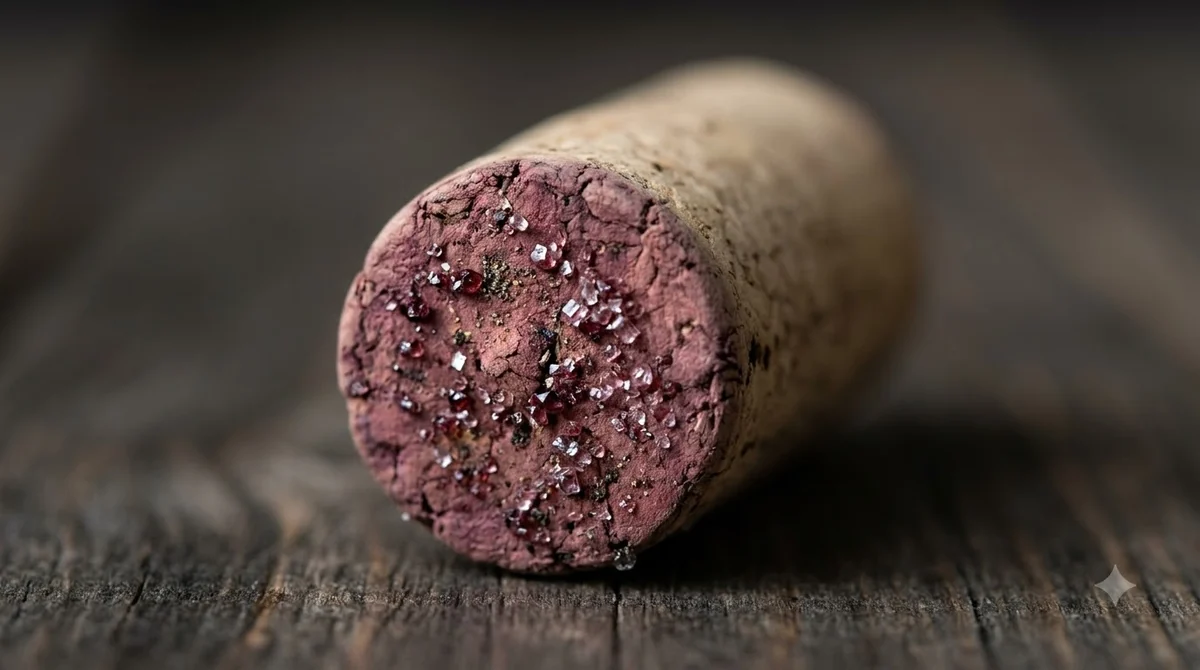
Deglazing a pan is one of the simplest ways to use Shiraz. After searing steak, pork chops, or lamb, remove the meat and leave the browned residue in the skillet. Pour in approximately 1/4 cup of Shiraz, then scrape the bottom of the pan with a wooden spoon to loosen the flavorful browned pieces. Let the wine bubble and reduce before adding stock, herbs, or butter.
This method works particularly well because the browned residue contains concentrated flavors from the meat and cooking fat. The wine dissolves those residues and incorporates them into the sauce. A small amount of butter added toward the end gives the liquid a smoother texture and helps round out the wine’s acidity.
Braising is another excellent application. First, brown the meat on several sides, then remove it and cook onions, carrots, celery, and garlic in the same pot. Add approximately 1 cup of Shiraz for a substantial family-sized braise, scrape up the browned residue, and reduce the wine briefly. Return the meat and add enough beef stock to provide the liquid needed for slow cooking.
Beef chuck, short ribs, lamb shanks, and pork shoulder are suitable candidates. Their connective tissue gradually softens during slow cooking, while the Shiraz contributes fruit, acidity, and color to the liquid. A covered Dutch oven is especially useful because it maintains moisture and allows the flavors to develop gradually.
Making a red wine reduction requires a little more attention. Start with 1 cup of Shiraz, a finely chopped shallot, and a small amount of stock. Simmer gently until the liquid has reduced to approximately 1/2 cup, then taste before deciding whether further reduction is necessary. Finish with a small amount of butter if desired.
A reduction is useful for grilled steak, lamb chops, and roasted mushrooms. However, reducing Shiraz too aggressively concentrates its tannins and can create an unpleasant bitter finish. Gentle simmering and frequent tasting are better than boiling the liquid until it becomes extremely thick.
Using Shiraz in a marinade is another practical option. Combine 1/2 cup of wine with olive oil, crushed garlic, rosemary, black pepper, and a little salt. This mixture works particularly well with lamb and beef before grilling or roasting.
Wine-based marinades contribute acidity and aromatic compounds to the surface of meat. They should not be treated as a guaranteed way to tenderize the entire interior of a thick cut. For larger pieces, proper cooking technique and sufficient time are more important than relying on wine alone.
Cooking Times, Quantities, and Reduction Techniques
The amount of Shiraz required depends on the cooking method, the size of the recipe, and how concentrated you want the wine flavor to become. Small quantities work for pan sauces, while larger amounts are appropriate for braising liquids that cook alongside meat and vegetables for several hours.
For a quick sauce serving two people, start with approximately 1/4 cup of wine. This provides enough liquid to dissolve the pan residue without making the sauce excessively wine-forward. For a larger braise serving four to six people, approximately 1 to 2 cups may be appropriate, depending on the amount of stock and other liquid ingredients.
The following quantities provide practical starting points rather than fixed recipe requirements:
| Cooking application | Shiraz quantity | Typical cooking time |
|---|---|---|
| Quick pan sauce for two | 1/4 cup | 5–10 minutes |
| Red wine reduction | 1 cup | 10–20 minutes |
| Beef stew for four | 1 cup | 2–3 hours |
| Short rib braise | 1–2 cups | 2.5–3.5 hours |
| Lamb marinade | 1/2 cup | 2–8 hours |
| Barbecue sauce | 1/2 cup | 20–30 minutes |
Cooking times are approximate and depend on the cut of meat, equipment, heat level, and recipe. A tough beef chuck roast may need more time than smaller pieces of beef used in a stew. Similarly, the quantity of wine in a braising pot should be adjusted to the volume of stock and the size of the meat.
For most sauces, add Shiraz after cooking the meat and aromatic vegetables. Let it simmer briefly before introducing stock or other liquids. This gives the wine time to integrate with the browned ingredients and reduces the sharp impression of uncooked wine.
When making a reduction, avoid automatically reducing every recipe by half. Some wines have more concentrated fruit, tannins, or alcohol than others. Start with a moderate reduction and taste the sauce before continuing. A thinner sauce can always be reduced further, but a bitter sauce is difficult to repair.
Alcohol does not disappear completely just because a dish has been heated. Its retention depends on the cooking method, temperature, surface area, and duration. According to cooking-wine retention measurements discussed by Cuisinopedia, approximately 40% of the original alcohol can remain after 15 minutes of simmering. Longer cooking generally reduces the amount further, but complete evaporation should not be assumed.
For a detailed explanation of how wine changes during heating, Food & Wine’s explanation of cooking with wine covers reduction, acidity, tannins, and several common cooking techniques.
Best Foods to Cook With Shiraz
Shiraz works best with ingredients that have enough flavor and richness to balance its body and tannins. Beef, lamb, mushrooms, roasted vegetables, and tomato-based sauces are especially suitable, while delicate seafood and lightly seasoned dishes generally need a less powerful wine.
Beef is one of the most reliable matches. Chuck roast, short ribs, brisket, and steak all have enough flavor to complement Shiraz. Beef stock adds savory depth, while carrots, onions, and celery create a rounded foundation for a red wine braise.
For a straightforward beef stew, brown approximately 2 pounds of beef chuck in batches. Add onions, carrots, garlic, and tomato paste, then deglaze with 1 cup of Shiraz. Introduce beef stock, thyme, and bay leaf before covering the pot and cooking gently until the meat becomes tender.
Lamb is another excellent partner. Rosemary, garlic, black pepper, and olive oil complement Shiraz’s fruit and spice characteristics. Lamb shanks can be browned before braising in a mixture of red wine and stock, while grilled lamb chops benefit from a smaller amount of Shiraz in a finishing sauce.
Mushrooms are particularly useful when preparing meat-free dishes. Their earthy flavor works with the savory and peppery characteristics of Shiraz. Sauté sliced cremini or portobello mushrooms with shallots, garlic, and thyme, then add approximately 1/4 cup of wine. Reduce gently and finish with butter or vegetable stock for a rich mushroom sauce.
Tomatoes can also work well with Shiraz, especially in sauces for beef meatballs, braised sausages, and slow-cooked pasta dishes. The important consideration is acidity. Tomatoes already contain substantial natural acidity, so a highly acidic wine may make the finished sauce taste sharp. Balance the dish with sufficient cooking time, fat, and well-cooked vegetables rather than adding excessive sugar.
Roasted root vegetables provide another opportunity to use Shiraz. Beets, carrots, and eggplant have enough earthy or naturally sweet character to complement the wine. A small amount of wine added to a roasting pan can provide moisture and flavor, although it should not completely replace the oil or other liquid needed for the recipe.
Some ingredients need more caution. Delicate white fish, shrimp, and light vegetable dishes can be overwhelmed by full-bodied Shiraz. Oily fish can also clash with tannic red wine. For these meals, a lighter wine is generally a better option.
Spicy dishes require similar care. Alcohol and tannin can amplify the sensation of chili heat. If a recipe includes substantial amounts of cayenne, hot peppers, or chili paste, consider a less alcoholic and softer wine instead of a powerful Shiraz.
Balancing Shiraz With Other Ingredients
The best Shiraz dishes balance fruit, acidity, tannin, salt, fat, and seasoning rather than relying on wine alone. Rich meat juices and butter soften the perception of tannin, while vegetables, herbs, and stock help integrate the wine into the finished sauce.
Fat is especially useful in red wine sauces. Beef short ribs naturally release fat and gelatin during braising, while a small amount of butter can soften the texture of a pan sauce. These ingredients help create a fuller mouthfeel and make the wine’s tannins feel less aggressive.
Salt also changes how tannic wine and food interact. A properly seasoned steak, roast, or lamb chop can make Shiraz seem less drying. However, salt should be added gradually because wine reductions and stock can become more concentrated as water evaporates.
Acidity needs equal attention. If a recipe contains tomatoes, vinegar, lemon juice, or another acidic ingredient, a highly acidic wine may produce a sharp result. Shiraz is generally useful in rich, savory recipes because its fruit and body provide a substantial flavor foundation, but the balance still depends on the entire ingredient list.
Sweetness should be controlled carefully. A dry Shiraz does not automatically create a sweet sauce, but its ripe fruit character can become more prominent as the liquid reduces. Ingredients such as caramelized onions, carrots, honey, and brown sugar add further sweetness. Use them sparingly if the recipe is intended to taste predominantly savory.
Black pepper, rosemary, thyme, garlic, bay leaves, and oregano are particularly useful seasonings. They complement Shiraz without requiring complicated preparation. For a classic beef braise, a combination of rosemary, thyme, garlic, and bay leaf is usually sufficient.
Common mistakes and how to correct them
- Using too much wine: Begin with a measured quantity and add stock or water as needed. Excessive wine can overwhelm the meat and vegetables.
- Reducing too aggressively: Keep the heat moderate and taste regularly. Concentrated tannins can create bitterness.
- Adding wine at the very end: Raw wine can leave a sharp, alcoholic impression. Allow sufficient cooking time for its flavors to integrate.
- Adding too much salt early: Season cautiously before reducing a sauce, particularly when using commercial stock.
- Combining wine with excessive sugar: Ripe Shiraz already contributes pronounced fruit character. Too much honey or brown sugar can make a savory dish taste overly sweet.
- Choosing an overpowering bottle: A highly alcoholic, heavily oaked Shiraz may dominate a delicate sauce. Choose a more balanced wine for quicker preparations.
If you enjoy experimenting with wine in the kitchen, different grape varieties can produce noticeably different results. For instance, cooking with sweet red wine requires a different approach because residual sugar affects both sweetness and reduction. Shiraz is generally a more versatile option for savory recipes that need a dry, structured red wine.
Shiraz Substitutes, Storage, and Practical Kitchen Tips
If Shiraz is unavailable, several dry red wines can replace it in cooking. Cabernet Sauvignon, Merlot, and Pinot Noir are useful alternatives, but each produces a different balance of tannin, acidity, and fruit flavor.
Cabernet Sauvignon has high tannin and a structured profile, making it suitable for substantial beef braises and rich reductions. However, it can become quite astringent if reduced too far. Merlot has softer, medium tannins and generally produces a smoother sauce. Pinot Noir is lighter, with lower-to-medium tannins and higher acidity, making it useful in mushroom dishes, poultry preparations, and lighter meat sauces.
Syrah is the closest substitute because it is the same grape variety as Shiraz. Differences in regional climate and winemaking style can still change the result, but the grape’s characteristic dark fruit and peppery notes remain familiar.
For a recipe that calls for Shiraz, the following substitutions offer practical starting points:
- Syrah: A direct substitute, particularly for recipes that need peppery and savory flavors.
- Merlot: A softer choice for pan sauces, beef stew, and mushroom gravy.
- Cabernet Sauvignon: Suitable for hearty beef and lamb dishes that can handle firm tannins.
- Pinot Noir: Better for lighter sauces and recipes that benefit from higher acidity and less tannin.
- Dry red wine blend: A practical alternative when the recipe needs general red-fruit character rather than a specific grape profile.
Water or additional stock can replace some of the liquid volume if alcohol is not wanted in a particular recipe, although the finished dish will lack the same wine-derived aromas and flavor complexity. Adjust the other ingredients to maintain a balanced sauce.
Once opened, Shiraz should be recorked and stored in the refrigerator. A typical opened bottle of still red wine can remain suitable for cooking for approximately 3–5 days when stored properly, although its aroma and freshness gradually decline. Avoid using wine that smells noticeably oxidized or has developed unpleasant vinegar-like characteristics.
Wine does not need to be served at room temperature in every situation. For drinking, full-bodied red wines such as Shiraz are generally best served around 60–65°F. This slightly cool temperature helps keep alcohol from dominating the aromas. The same bottle can be used for cooking and serving, provided it remains fresh and tastes appropriate for the meal.
Storage also matters before opening. Keep bottles away from direct sunlight, excessive heat, and major temperature fluctuations. Bottles intended for extended storage are generally kept on their sides in a cool environment near 55°F when sealed with natural cork.
For more ideas involving different grape varieties, explore Wine by Type. Understanding how acidity, body, and tannin differ between red and white wines makes it easier to select a suitable bottle for almost any recipe.
Frequently Asked Questions
These answers cover additional practical questions about cooking with Shiraz, including grape terminology, ingredient substitutions, and how to handle the wine in everyday recipes.
Is Shiraz the same as Syrah?
Yes. Shiraz and Syrah are two names for the same grape variety, rather than separate grape types. The name Shiraz is especially associated with Australia, while Syrah is traditionally used in France’s northern Rhône Valley. The resulting wines can differ considerably in alcohol, fruit concentration, and savory character depending on their growing region.
Can Shiraz be used to make homemade barbecue sauce?
Yes. Shiraz works particularly well in barbecue sauces intended for beef brisket, ribs, and grilled sausages. Its dark-fruit flavors complement smoked paprika, Worcestershire sauce, and tomato paste. For a fruit-forward sauce, start with approximately 1/2 cup of wine and simmer until the mixture reaches the desired consistency.
Can you freeze leftover Shiraz for cooking?
Yes. Pour leftover wine into an ice cube tray and freeze it in small portions. Standard ice cube compartments commonly hold approximately 1 tablespoon each, making them convenient for adding measured amounts to sauces and stews. Transfer the frozen portions to a sealed freezer container and use them directly in suitable cooked dishes.
Does Shiraz change color when used in cooking?
Yes. The wine’s red pigments can contribute a deep red, purple, or burgundy color to sauces and braising liquids. The final appearance depends on the ingredients, cooking time, and concentration. Adding cream or dairy can produce a lighter, more muted appearance, while prolonged reduction can make a sauce look darker.
Can Shiraz be used in a slow cooker?
Yes. Shiraz can be added to slow-cooker recipes featuring beef chuck, pork shoulder, or lamb. For a more developed flavor, brown the meat and briefly simmer the wine with the aromatics before transferring everything to the slow cooker. Slow cooking does not guarantee complete alcohol removal, so the finished dish should not be assumed to be alcohol-free.
Cooking with Shiraz is a practical way to add dark-fruit character, savory depth, and peppery complexity to beef, lamb, mushrooms, and hearty sauces. Choose a dry, balanced bottle, measure the wine carefully, and avoid excessive reduction to keep its tannins under control. With these techniques, Shiraz can become a dependable ingredient for everything from quick skillet sauces to slowly braised family meals.
More in Wine Types & Grapes
 What Does Ruby Port Taste Like? Flavor Notes, Styles, and Serving TipsUpdated Nov 21, 2026
 What Does Ribolla Gialla Taste Like? Crisp White and Amber Styles ExplainedUpdated Nov 21, 2026
 What Does Semillon Taste Like? Flavor Profile, Styles & PairingsUpdated Nov 21, 2026
 What Does Scuppernong Taste Like? Flavor, Styles, and Pairing GuideUpdated Nov 21, 2026
 What Does Saperavi Taste Like? Flavors, Styles, and Pairing GuideUpdated Nov 21, 2026
 What Does Natural Wine Taste Like? Flavors, Styles, and Serving TipsUpdated Nov 21, 2026