

We may earn a commission when you buy through links on this page, at no extra cost to you. Learn more.
Canvasback wine is a Washington State label from the Duckhorn family of wineries, best known for Cabernet Sauvignon grown in the Red Mountain area of the Yakima Valley. The lineup also includes Syrah, Riesling, and a rosé, so the brand covers both red and white styles. This guide explains where Canvasback comes from, what each style tends to taste like, and how to serve and pair the bottles.
Canvasback is a name many wine shoppers recognize from Washington State, but the label alone does not say much about the vineyard or the style. People often want to know whether it is a big red, a light white, or something in between. The sections below use the producer’s reference details and general wine guidance to answer that question, and they point out which parts of a bottle to check before you buy.
Where Canvasback Comes From
Canvasback is sold by Duckhorn Vineyards, the main winery in the Duckhorn family. Wikipedia’s entry on the Duckhorn Wine Company lists Canvasback among the group’s brands and describes its range as Cabernet Sauvignon, Syrah, Riesling, and rosé from Washington State. The same entry says the company was founded in 1976 as The St. Helena Wine Company, which is useful background for anyone trying to understand the family’s approach to wine.
The Cabernet Sauvignon is the production that the reference describes most specifically. It is sourced from a 20-acre Washington vineyard in the Yakima Valley’s Red Mountain AVA. A single named vineyard can give a wine a consistent character from one year to the next, which is why this detail matters more than a generic regional label. Buyers who want a particular style can check the bottle for the vineyard or appellation and compare it with other Washington reds.
The Canvasback Lineup and Its Styles
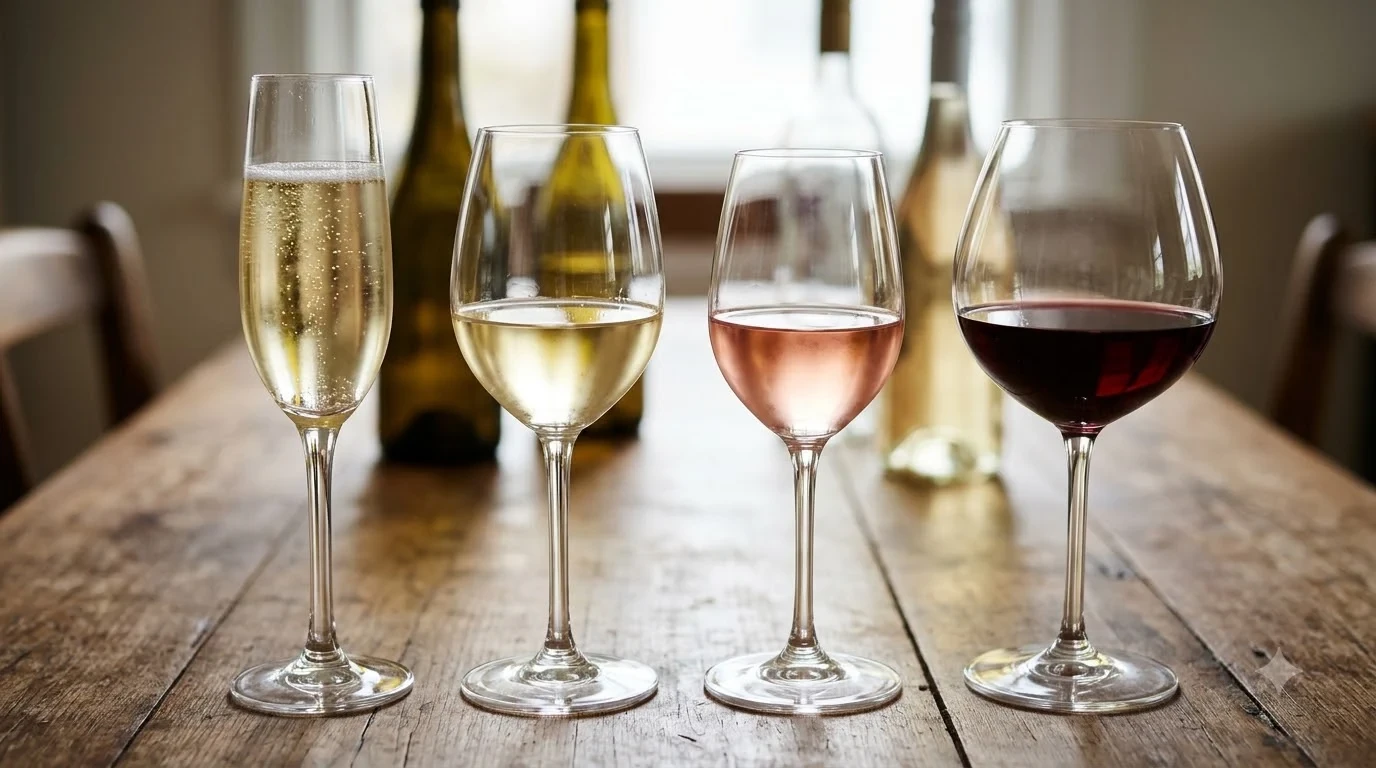
The brand’s range covers four types of wine: Cabernet Sauvignon, Syrah, Riesling, and rosé. Each one points to a different taste, so the first decision is which style you want. A Cabernet Sauvignon is the fullest of the group, a Syrah is usually more savory and peppery, Riesling is bright and often fruit-forward, and a rosé is light and easy to chill.
Because the lineup spans reds and whites, the same brand can cover very different occasions. A red suits a dinner with grilled meat or a long evening with cheese, while a white or rosé works for a warm-weather lunch or a casual gathering. Choosing by the style on the label is more reliable than assuming all the bottles will taste alike.
How the Cabernet Sauvignon Tastes
Cabernet Sauvignon is a full-bodied red with medium-high tannin and medium-high acidity. Wine Folly’s Cabernet Sauvignon guide lists black cherry, black currant, cedar, baking spices, and graphite as typical flavors, and it describes the wine as dry, with 13.5 to 15 percent alcohol by volume. Regional style changes the picture, so a Washington Cabernet may show a different balance of fruit and structure than a Bordeaux or Chilean bottle.
That structure is why Cabernet tends to benefit from food and a little time. Tannin can feel firm when the wine is young, and it softens as the bottle opens up. Many people enjoy Cabernet on its own, but the wine shows its best when matched to a plate with fat and protein, such as roasted beef or a rich mushroom dish.
| Style | What to expect | Good with |
|---|---|---|
| Cabernet Sauvignon | Full body, firm tannin, dark fruit and oak notes | Grilled steak, roasted lamb, aged cheese |
| Syrah | Medium to full body, savory and peppery character | Burgers, barbecue, hearty stews |
| Riesling | Bright acidity, fruit-forward, often lighter | Spicy Asian dishes, pork, fresh salads |
| Rosé | Light body, fresh fruit, easy to chill | Salads, seafood, warm-weather lunches |
Tip: If the label names the Red Mountain AVA or the vineyard, you are looking at a more specific bottle than a general Washington label, and it is worth comparing the two directly.
How to Serve Canvasback
Serving temperature affects how a red or white tastes, so match it to the style. For the Cabernet, Wine Folly suggests serving at about 60 to 68 degrees Fahrenheit, which is cool-room temperature rather than fully warm. The same guide recommends an oversized glass and decanting for about an hour, which gives a young, firm wine room to open up.
Whites and rosés need more chill than reds. Serve a Riesling or rosé cool, but not ice cold, so the fruit and acidity stay clear. A simple test is to pour a small glass and taste it once it has been in the glass for a few minutes. If the wine tastes flat, it is likely too cold; if it tastes heavy or muddy, it is probably too warm.
Food Pairing Ideas for Canvasback
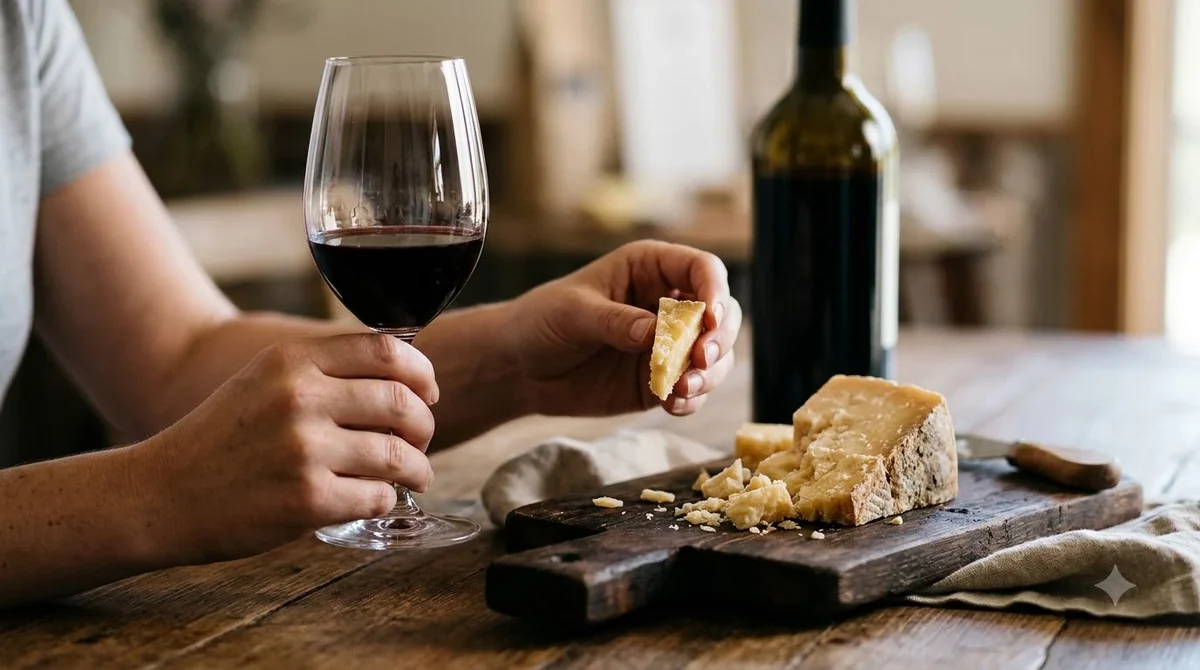
For the Cabernet, the guide’s advice to pair with grilled meats, peppery sauces, and boldly flavored dishes is a sensible starting point. Steak with a pepper crust, lamb with rosemary, or a mushroom dish with thyme all match the wine’s weight and tannin. Aged hard cheeses are another good choice, because their fat softens the tannin.
The Syrah suits smoky, savory food such as barbecue, sausage, and roasted vegetables. The Riesling is more flexible, and it can work with spicy dishes where a sweeter white helps calm the heat. The rosé is the easiest to match with simple food, including salads, grilled chicken, and seafood with lemon.
Who Canvasback Suits and Who Might Skip It
Canvasback suits drinkers who want a Washington label with a clear grape and style on the back label, people who like bold reds with food, and anyone who wants both red and white options from one family of wines. It also works for a dinner party where you need a red for the main course and a lighter white or rosé for the start.
It may be less satisfying for people who want a very light, delicate red or who prefer old-world structure and earthiness. For those drinkers, comparing Canvasback with other regional options is a good idea. You can browse the wine brands overview on this site or read about other producers on pages such as Andre Spumante to see how different labels handle style and price.
How to Choose a Canvasback Bottle
Start with the style you want, then check the vineyard, appellation, and vintage. A Cabernet from a named Red Mountain vineyard will taste different from a generic red labeled only as Washington. If you are buying for a group, one red and one white or rosé gives guests a choice without making the decision difficult.
Prices vary by retailer, so compare what you see on the shelf rather than relying on a figure from an article. Before you buy a full case, try a single bottle with a simple meal and note whether the style suits your table. Once you know which style you like, it is easy to choose the next bottle in the same family.
Frequently Asked Questions
What kind of wine is Canvasback?
Canvasback is a Washington State label with several styles, including Cabernet Sauvignon, Syrah, Riesling, and rosé. The Cabernet is the most specific bottle in the reference details, and it is grown in the Red Mountain AVA.
Is Canvasback Cabernet Sauvignon full-bodied?
Yes. Wine Folly describes Cabernet Sauvignon as a full-bodied, dry wine with medium-high tannin and acidity. Expect firm structure and dark fruit when the wine is young.
What temperature should Canvasback Cabernet be served at?
Serve it at about 60 to 68 degrees Fahrenheit. That range keeps the wine cool enough to show structure without tasting muted.
What food goes well with Canvasback?
Grilled steak, roasted lamb, and aged cheese suit the Cabernet, while barbecue suits the Syrah. The rosé and Riesling pair well with salads, seafood, and lighter dishes.
Canvasback gives shoppers a clear Washington option with both red and white styles. Read the label for the grape and vineyard, serve each wine at its own temperature, and match the bottle to food with a similar weight. For a broader view of the brands you will see on shelves, the wine brands guide is the next stop.
More in Wine Brands
 Underwood Wine Price: Compare Bottles, Cans, and Pack SizesUpdated Nov 21, 2026
 Zenato Wine Price: Compare Styles and Choose the Right BottleUpdated Nov 21, 2026
 Zuccardi Wine Price: Compare Bottles and Find the Right RangeUpdated Nov 21, 2026
 Yellow Tail Moscato Review: Taste, Sweetness and Serving TipsUpdated Nov 21, 2026
 Wolf Blass Yellow Label Review: Choose Your Best StyleUpdated Nov 21, 2026
 Wolffer Estate Rose Review: Choose the Right Bottle for Your TableUpdated Nov 21, 2026