

We may earn a commission when you buy through links on this page, at no extra cost to you. Learn more.
The best lagrein food pairing choices center on rich, savory, and smoky dishes such as braised beef, venison stew, grilled sausages, wild mushroom risotto, and aged alpine cheeses. Because this northern Italian red carries brisk acidity, firm tannins, and a signature dark chocolate finish, it cuts cleanly through fatty meats while echoing earthy and cured flavors. Lighter rosé versions, known as Lagrein Kretzer or Rosato, pair effortlessly with smoked speck, charcuterie, and roasted poultry.
Hailing from the steep alpine valleys of Alto Adige in northern Italy, Lagrein occupies a sweet spot between plush fruit and mountain freshness. If you already enjoy blaufrankisch food pairing combinations or the rustic versatility of carignan food pairing menus, Lagrein brings a deeper, cocoa-laced dimension to the dinner table without feeling heavy or syrupy.
What Lagrein Is
Lagrein is an indigenous red wine grape native to Trentino-Alto Adige (also known as Südtirol) in far northern Italy, prized for producing deeply colored, full-bodied red wines alongside crisp rosés. Genetically, it is a natural offspring of Teroldego and a half-sibling of Syrah, placing it in the broader Pinot family tree.
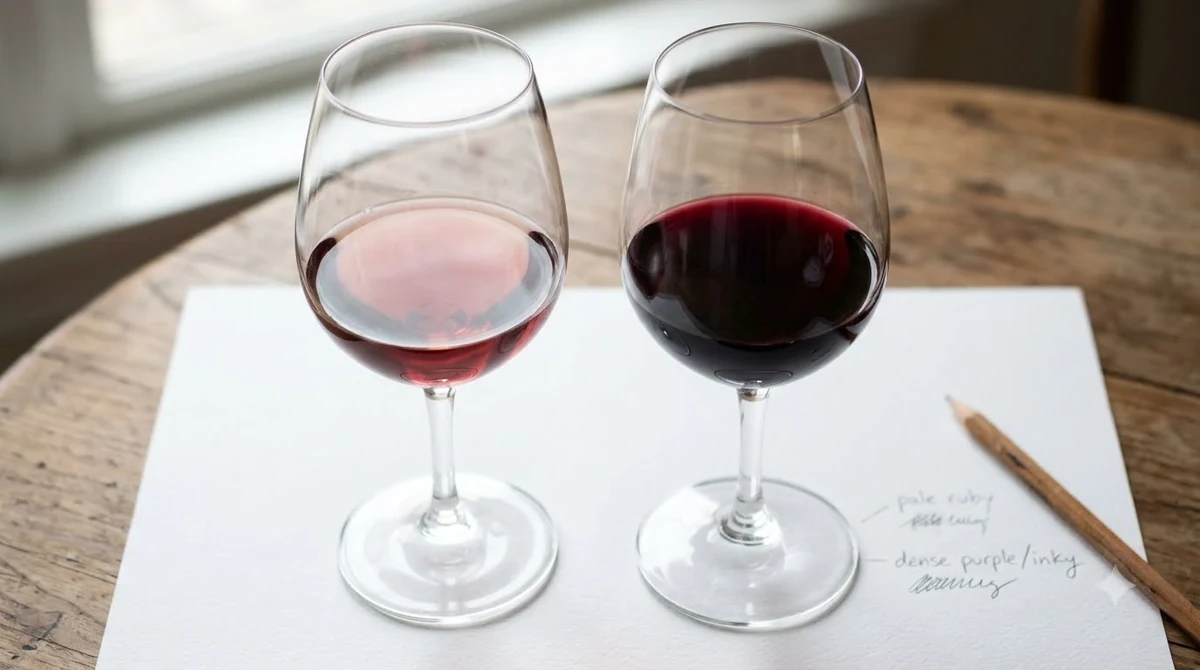
In the glass, standard red Lagrein—often labeled Lagrein Dunkel or Lagrein Scuro—pours an inky, nearly opaque purple-ruby. Its thick skins contribute generous anthocyanins for color and a structured tannic backbone, yet the grape retains lively natural acidity thanks to cool alpine nights. Rather than tasting jammy, Lagrein delivers focused dark fruit framed by savory, earthy, and slightly bitter undertones.
Winemakers in Alto Adige also vinify the grape with very brief skin contact to create Lagrein Kretzer (or Lagrein Rosato). The name Kretzer comes from the traditional wicker basket used to separate the free-run pink juice from the dark grape skins before extraction goes too far. This dual personality makes Lagrein remarkably adaptable across seasons, offering both a fireside winter red and a patio-ready pink wine from the same vine.
Flavor Profile and Styles
Lagrein wines express dark bramble fruit, violets, and baking spices layered over a distinct, slightly bitter cocoa or coffee finish. Understanding its three main bottling styles helps match the right bottle to the weight and cooking method of your meal.
Young, unoaked or stainless-steel-aged Lagrein Dunkel emphasizes primary fruit and floral lift. According to Wine Folly’s Alto Adige guide, the grape is prized for its tannic structure and refreshing acidity, offering vivid aromas of black cherry, wild plum, and crushed violets. These entry-level reds are supple enough for weeknight pastas while still packing plenty of mid-palate grip.
Oak-aged Lagrein Riserva represents the most powerful, structured expression of the grape. Aged in small French barriques or large Slavonian oak casks, Riserva bottlings develop richer notes of dark chocolate, roasted espresso, cedar, leather, and sweet tobacco. The extended maturation softens the grape’s youthful astringency, creating a velvety texture built for slow-cooked roasts and aged hard cheeses.
Lagrein Kretzer sits at the opposite end of the spectrum with a bright salmon-to-pale-ruby hue and crisp, dry refreshment. It trades heavy tannins for zesty red currant, wild strawberry, and subtle herbal notes. Because it retains a touch of Lagrein’s signature savory edge, Kretzer stands up to richer starters and smoked meats better than delicate Provençal rosés.
Where Lagrein Grows
Nearly all classic Lagrein originates in Italy’s Alto Adige region, particularly in the warm valley floor surrounding the city of Bolzano. Outside Italy, small experimental plantings exist in cool-climate regions such as the North Fork of Long Island, Australia, and California’s Central Coast.
Within Alto Adige, site selection is critical because Lagrein ripens late in the autumn. According to Alto Adige Wines, the grape thrives on sandy, gravelly, and volcanic Bolzano porphyry soils at lower, sun-drenched elevations up to 300 meters (around 1,000 feet) above sea level. The Bolzano basin acts as a natural heat trap during sunny days, while cool winds descending from the Dolomites at night preserve the grape’s vibrant acidity.
The historic Gries district—now a neighborhood of Bolzano—is widely considered the spiritual home of top-tier Lagrein. Vineyards here yield wines of remarkable concentration and silky texture, including single-vineyard bottlings from historic estates like Muri-Gries, Cantina Bozen, and Elena Walch. Elsewhere, neighboring Trentino produces smaller quantities, often blending Lagrein with Teroldego or international varieties.
How to Serve Lagrein
Serve red Lagrein slightly below room temperature at 60 to 64°F (16 to 18°C), and chill Lagrein Kretzer to 54 to 57°F (12 to 14°C). Proper temperature control keeps the wine’s brisk acidity sharp and prevents its dark chocolate finish from feeling heavy.
If a bottle of Lagrein Dunkel or Riserva has been sitting in a warm kitchen, placing it in the refrigerator for 15 to 20 minutes before pouring brings out its floral violet aromatics and tightens the mid-palate. When poured too warm, the alcohol can overshadow the subtle spice and herbal nuances that make mountain reds so compelling at the table.
Glassware and aeration also play noticeable roles in how Lagrein opens up. A medium-to-large Bordeaux-style red wine glass gives the dense aromatics room to unfurl while directing the wine toward the center of the palate. Young, structured bottles and oak-aged Riservas benefit from 30 to 45 minutes in a decanter to soften firm tannins and integrate the savory cocoa finish.
Best Lagrein Food Pairings
Lagrein’s combination of mouthwatering acidity, moderate-to-firm tannins, and smoky undertones makes it an ideal partner for braised meats, cured pork, wild mushrooms, and nutty alpine cheeses. When planning a menu, look for dishes with rich fat, umami depth, or gentle smoke that soften the wine’s grip.
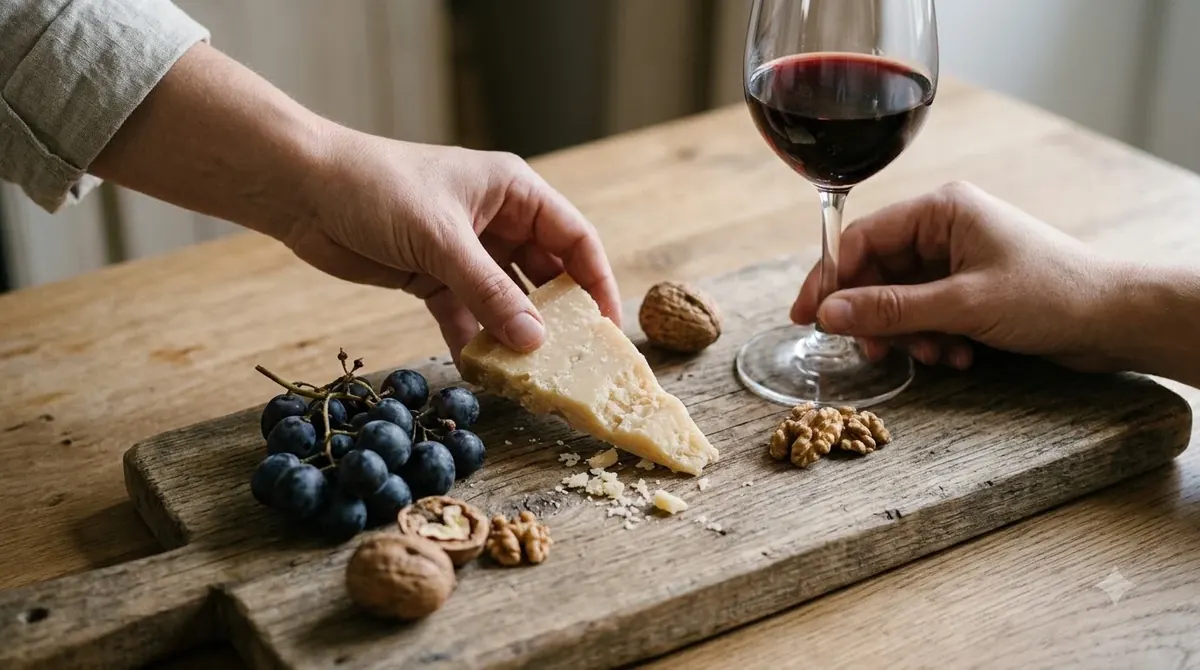
Traditional South Tyrolean cuisine provides the clearest blueprint for pairing Lagrein. Local specialties like Tyrolean beef goulash, venison stew with bread dumplings, and smoked speck rely on the wine’s lively acidity to cleanse the palate between bites. The faint bitterness on Lagrein’s finish echoes charred grill marks, caramelized onions, and wood smoke without clashing.
For everyday cooking, Lagrein shines alongside slow-simmered meat ragù over pappardelle, grilled pork chops seasoned with fennel seed, and herb-crusted rack of lamb. Vegetarian cooks can lean into the grape’s earthy side with wild mushroom risotto, roasted portobello steaks, or braised French lentils finished with thyme and aged balsamic vinegar.
| Dish Category | Specific Pairing Ideas | Lagrein Style | Why It Works |
|---|---|---|---|
| Braised & Slow-Cooked Meats | Beef bourguignon, Tyrolean goulash, braised short ribs, venison stew | Lagrein Riserva | Firm tannins bind to rich meat proteins while oak spice mirrors slow-simmered depth. |
| Grilled Meats & Sausages | Grilled pork chops with fennel, Italian sausages, flank steak | Young Lagrein Dunkel | Brisk acidity cuts through sausage fat and balances smoky char from the grill. |
| Cured Meats & Starters | Smoked speck, prosciutto, duck rillettes, roasted chicken | Lagrein Kretzer (Rosato) | Crisp red-berry fruit and light grip refresh the palate against salty, cured pork. |
| Earthy Vegetarian Mains | Wild mushroom risotto, lentil stew, roasted root vegetables | Young Lagrein Dunkel | Forest-floor and violet notes echo savory mushrooms and caramelized vegetables. |
| Aged Hard Cheeses | Aged Asiago, Grana Padano, Gruyère, Comté, Ossau-Iraty | Lagrein Dunkel or Riserva | Nutty, crystalline mountain cheeses soften tannins and highlight dark plum fruit. |
If your meal leans lighter—such as grilled white fish, lemon-herb chicken, or creamy goat cheese salads—red Lagrein’s tannins and cocoa bitterness will overwhelm the plate. In those cases, pivot to Lagrein Kretzer or explore white alternatives covered in our grenache blanc food pairing guide.
Tip: Avoid pairing red Lagrein with fiery chili-heavy dishes or sugary barbecue glazes, as high capsaicin heat amplifies tannic bitterness and sweetness makes the wine taste overly tart.
How to Choose a Bottle
Look for the “Alto Adige DOC” or “Südtirol DOC” designation on the label, and choose between standard Lagrein Dunkel for weeknight versatility or Lagrein Riserva for richer weekend roasts. Producers in this region maintain remarkably high cooperative and estate standards, making even entry-level bottles reliable buys.
Check the back label or vintage details to match the bottle to your menu timeline. A two- to four-year-old unoaked or lightly oaked Lagrein from producers like Cantina Bolzano, Kellerei Terlan, or Tiefenbrunner offers immediate freshness, bright cherry fruit, and supple grip right out of the bottle. These bottles typically hover around 13% to 13.5% ABV, keeping meals lively rather than fatiguing.
When shopping for special occasions or hearty winter braises, seek out single-vineyard or Riserva selections—such as Muri-Gries Abtei Riserva, Elena Walch Castel Ringberg, or Cantina Bozen Taber. These bottlings spend extra time in oak and bottle, rewarding a bit of cellaring or decanting with layered notes of dark cocoa, black plum, and crushed herbs. To see how Lagrein compares across the broader spectrum of red and white grapes, browse our overview of Wine by Type.
Frequently Asked Questions
Is Lagrein a dry or sweet wine?
Lagrein is almost always vinified as a completely dry wine, whether made as a full-bodied red (Lagrein Dunkel) or a crisp rosé (Lagrein Kretzer). Its ripe blackberry and plum aromas can create an impression of richness on the nose, but the palate finishes dry, savory, and refreshing.
What grape is Lagrein most similar to?
Lagrein is genetically a half-sibling of Syrah and shares its dark color, savory spice, and affinity for grilled or smoked meats. Structurally, it also appeals to fans of Cabernet Sauvignon, Teroldego, and northern Italian reds like Nebbiolo that pair firm tannins with bright acidity.
Should I decant Lagrein before serving?
Yes, decanting young Lagrein Dunkel or oak-aged Lagrein Riserva for 30 to 45 minutes helps soften its firm tannins and opens up aromatics of violets, dark berries, and cocoa. Lighter Lagrein Kretzer rosés do not need decanting and should be poured straight from a chilled bottle.
What foods should you avoid pairing with Lagrein?
Skip delicate steamed fish, sweet desserts, and heavily spiced chili dishes when serving red Lagrein. The grape’s naturally brisk acidity and subtle dark-chocolate bitterness can overpower mild seafood and clash unpleasantly with high heat or sugar.
Bringing Lagrein to the dinner table rewards anyone who loves bold red wines that still feel crisp, savory, and alive. Whether you pour a chilled glass of Kretzer alongside cured meats or uncork a velvety Riserva for a Sunday braise, this alpine grape turns hearty meals into memorable pairings.
More in Wine Types & Grapes
 What Does Ruby Port Taste Like? Flavor Notes, Styles, and Serving TipsUpdated Nov 21, 2026
 What Does Ribolla Gialla Taste Like? Crisp White and Amber Styles ExplainedUpdated Nov 21, 2026
 What Does Semillon Taste Like? Flavor Profile, Styles & PairingsUpdated Nov 21, 2026
 What Does Scuppernong Taste Like? Flavor, Styles, and Pairing GuideUpdated Nov 21, 2026
 What Does Saperavi Taste Like? Flavors, Styles, and Pairing GuideUpdated Nov 21, 2026
 What Does Natural Wine Taste Like? Flavors, Styles, and Serving TipsUpdated Nov 21, 2026