

We may earn a commission when you buy through links on this page, at no extra cost to you. Learn more.
Burgundy tasting notes usually describe Pinot Noir with bright red fruit, savory earth, fine tannins, and lively acidity, while Chardonnay ranges from crisp citrus and mineral notes to richer orchard fruit, cream, and gentle oak. The exact profile depends on the village, vineyard site, vintage, winemaking choices, and age of the bottle. Learning to connect those details makes it easier to recognize a Burgundy style before you read a long tasting review.
Burgundy, or Bourgogne in French, is best understood as a collection of distinct places rather than one uniform flavor. Its most familiar wines come from Pinot Noir and Chardonnay, but a glass from Chablis can feel very different from one made in Meursault, and a red from Gevrey-Chambertin can show a different balance from a red made in Volnay.
Red Burgundy: Pinot Noir, Red Fruit, and Earth
Red Burgundy is usually made from Pinot Noir and is recognized by its fresh red-fruit character, bright acidity, and low to medium tannin. The Côte de Nuits is particularly associated with red wines, while villages such as Gevrey-Chambertin, Chambolle-Musigny, and Vosne-Romanée offer several distinct expressions of the grape.
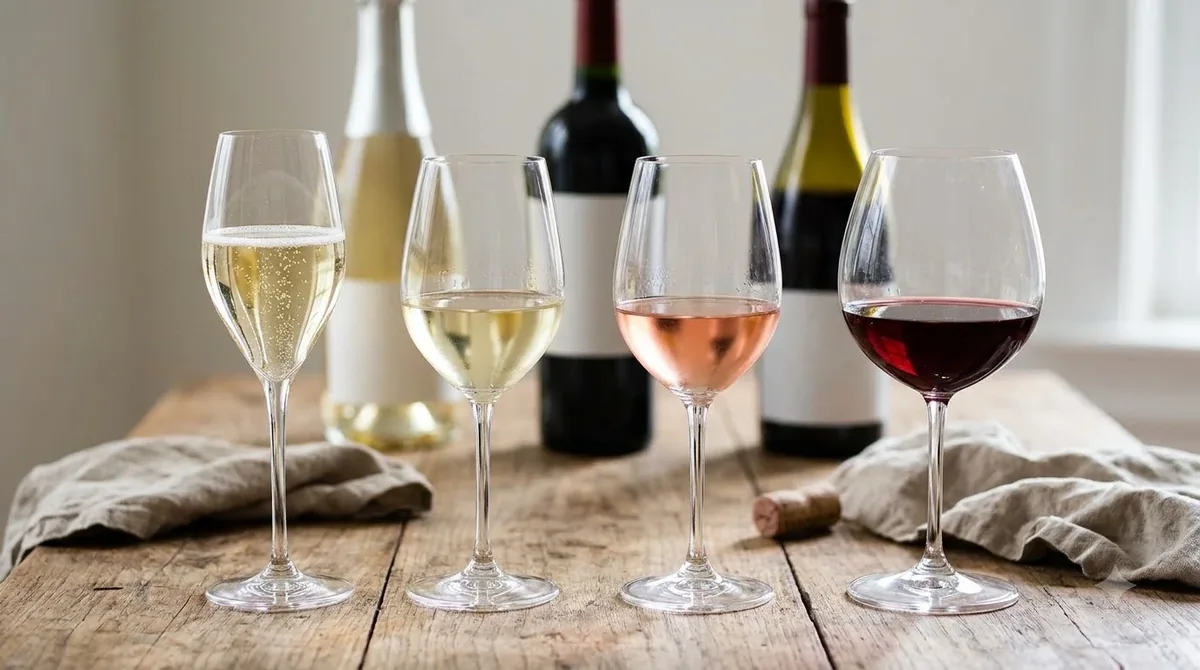
In a young glass, look first for a clear ruby or garnet-red color, sometimes with violet at the rim. Common primary aromas include sour cherry, red cherry, raspberry, strawberry, and red currant. Depending on the site and producer, the fruit may be crisp and tart or more ripe and rounded. A second sniff can reveal rose petal, violet, fresh herbs, pepper, cinnamon, or a faint smoky note. Burgundy Pinot Noir is rarely defined by massive, dark fruit; its appeal often lies in fragrance, detail, and the way fruit sits beside savory notes.
On the palate, expect a light to medium body in many examples, with lively acidity and tannins that feel fine rather than forceful. The finish may bring cranberry, cherry skin, tea, forest floor, or a stony impression. Producers can influence the texture through extraction, whole-cluster fermentation, and oak choices, so two wines from the same village do not have to taste identical.
With bottle age, fresh berries can shift toward dried cherry, cooked fruit, mushroom, truffle, forest floor, leather, and savory game-like notes. The color may move from bright ruby toward garnet and brick at the rim. These changes do not mean every mature bottle will show all of these aromas; storage, vintage, and producer matter. The regional authority’s Pinot Noir overview lists a similarly broad progression from fresh berry and spice to savory mature aromas; Decanter also describes raspberry, strawberry, cherry, and, with maturity, truffle, game, and leather.
White Burgundy: Chardonnay from Chablis to the Mâconnais
White Burgundy is primarily Chardonnay, but its profile changes noticeably from the cool northern vineyards of Chablis to the richer whites of the Côte de Beaune and the warmer southern districts. Citrus, apple, pear, white flowers, and mineral impressions are common starting points; texture and oak influence help distinguish the regions.
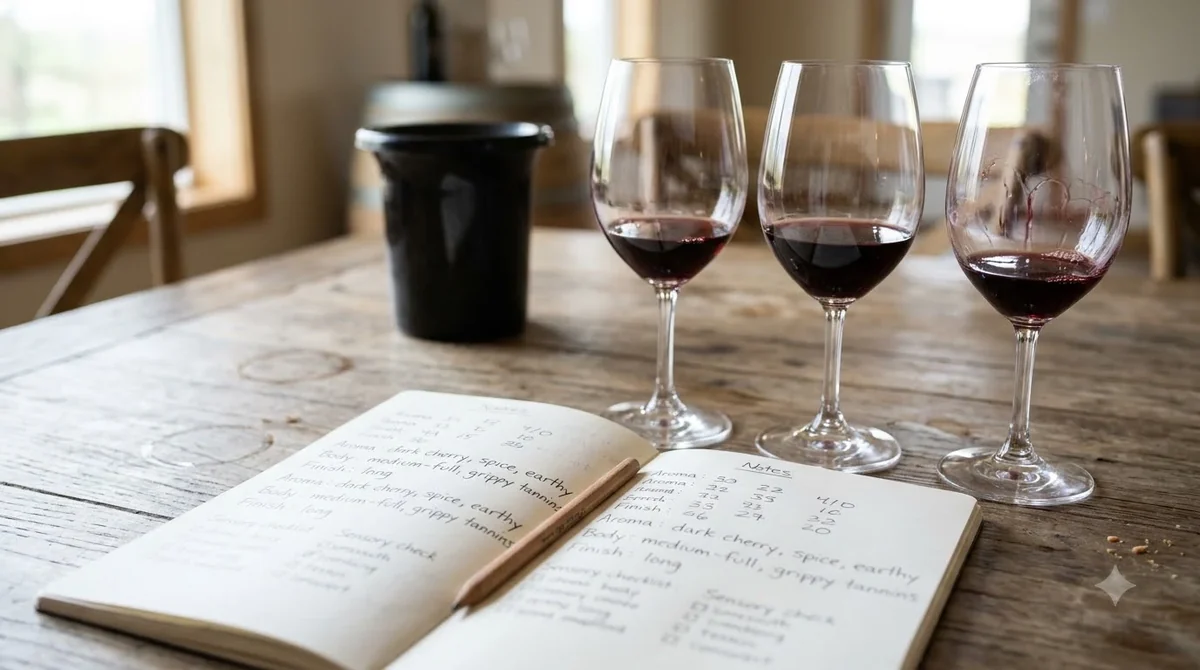
Chablis is the leanest and most sharply defined reference point for many drinkers. Young examples often show lemon, lime, green apple, pear, wet stone, chalk, or a flinty impression, supported by high acidity and a taut finish. Floral notes such as acacia may appear as the wine becomes more complex. Some Premier Cru and Grand Cru bottlings use oak, adding subtle blossom, nut, or honey notes.
The regional authority’s Chardonnay overview describes this geographic range. Farther south, Côte de Beaune Chardonnay often feels broader and more layered. Meursault can suggest ripe apple, pear, lemon curd, hazelnut, cream, toast, or butter, while Puligny-Montrachet may emphasize citrus, white flowers, stone, and a more linear impression. Chassagne-Montrachet can sit between ripe fruit and mineral tension, although producer and site create wide variation. Oak may contribute vanilla, toast, spice, or a rounder texture, but the best examples retain enough acidity to keep the palate fresh.
Chardonnay from the Côte Chalonnaise and Mâconnais can show yellow apple, peach, melon, citrus, fresh nuts, and, in barrel-aged versions, honey or vanilla. A steely Chablis and a creamy Meursault can therefore taste very different despite sharing the same grape.
How Burgundy’s Appellations and Climats Shape Flavor
Burgundy’s place names are practical tasting clues because, according to the Bourgogne Wine Board, the region has 84 AOC appellations and a hierarchy that moves from regional wines to village, Premier Cru, and Grand Cru designations. The label tells you where the grapes come from, while a named climat can narrow the origin to a particular vineyard site.
A regional Bourgogne Rouge or Bourgogne Blanc can draw fruit from a wider permitted area, so it is often a useful introduction to Pinot Noir or Chardonnay without the precision of a single village. Premier Cru identifies a designated vineyard within a village appellation; Grand Cru identifies a smaller group of highly regarded vineyard appellations whose name can stand on the label without the village name.
The word climat refers to a precisely identified vineyard parcel with its own recognized name and character. Neighboring plots can differ in slope, exposure, soil depth, stones, and clay content. A label that names a climat, such as a Premier Cru vineyard in Chablis or the Côte de Beaune, gives more location detail than a broad regional label. This is also why Burgundy tasting notes often mention place before grape variety: in much of the region, the grape may be obvious, while the specific site explains the finer differences.
The Côte de Nuits forms a narrow north-to-south band between Dijon and Corgoloin and is especially known for Pinot Noir. Gevrey-Chambertin and Nuits-Saint-Georges can give a more structured impression, while Chambolle-Musigny is often associated with perfume and finesse. In the Côte de Beaune, villages such as Volnay and Pommard are known for red wines, while Meursault, Puligny-Montrachet, and Chassagne-Montrachet are famous for Chardonnay.
How Bottle Age Changes Burgundy’s Aromas
Age changes Burgundy by moving the wine from primary fruit toward more complex savory, floral, nutty, and earthy aromas. Pinot Noir often develops dried cherry, mushroom, truffle, and leather notes, while Chardonnay can move from fresh citrus and apple toward hazelnut, honey, toast, and more developed savory character.
For red Burgundy, start by separating fruit freshness from development. A young wine may smell like red cherry, raspberry, cranberry, and violet, with acidity making the fruit feel bright. As it matures, the fruit can become less overt and more like dried cherry, compote, or kirsch; forest floor, mushroom, tea, leather, and spice may become more noticeable. Tannins can soften, and the texture may seem silkier. A mature wine should still have a coherent structure: fruit, acidity, and savory detail should feel connected rather than completely faded.
White Burgundy follows a different aromatic path. Young Chablis often emphasizes lemon, green apple, and mineral notes, while more developed examples may show dried citrus peel, nuts, honey, or subtle toast. Chardonnay from Meursault or Puligny-Montrachet can develop hazelnut, pastry, beeswax, and deeper orchard-fruit impressions. Oak influence is not the same as bottle age: vanilla and toast can come from barrel maturation while the wine is still young, whereas tertiary aromas emerge through time in bottle.
Vintage conditions influence how quickly a bottle develops and what it emphasizes. A cooler season may preserve crisp acidity and restrained fruit, while a warmer season can produce riper fruit and a broader palate. Do not judge a bottle by age alone. Look for balance, freshness, and a finish that continues to reveal detail rather than relying on one dramatic aroma.
How to Taste Burgundy Step by Step
A simple tasting sequence helps separate grape character from place and winemaking. Use appearance, aroma, palate, and finish in that order, then compare the wine with its village or vineyard information.
Begin with the color and clarity. A young Pinot Noir may be transparent ruby rather than opaque purple; an older bottle can show garnet or brick at the edge. White Burgundy can range from pale lemon with green hints in a young Chablis to deeper gold in a richer or more mature Chardonnay. Next, smell the wine before and after a gentle swirl. For red Burgundy, note whether the fruit is closer to cranberry and red currant, ripe cherry and raspberry, or dried fruit; then look for violet, spice, tea, mushroom, or earth. For white Burgundy, decide whether citrus and green apple lead, or whether pear, peach, nuts, cream, toast, and honey are more prominent.
On the palate, assess acidity, tannin, body, texture, and finish. Pinot Noir commonly has high acidity and low to medium tannin, so the mouth may feel fresh and lightly drying rather than grippy. Chardonnay has medium acidity overall, but many Burgundy examples, especially Chablis, feel more incisive because of their freshness and site. Note whether oak supports the fruit or dominates it, whether alcohol feels balanced, and whether the finish repeats the aromas or introduces new ones.
Finally, connect the impression to the label. Ask whether a Chablis tastes lean and mineral, whether a Meursault feels broader and more textured, or whether a Volnay seems fragrant and fine-boned. Compare two wines side by side, ideally from the same vintage or producer, to make differences in village and vineyard easier to recognize. For more context on grape-led styles beyond Burgundy, the site’s Wine by Type overview can help place Pinot Noir and Chardonnay among other wine styles.
Serving Burgundy and Pairing It with Food
Serve Burgundy cool enough to keep its acidity and aroma clear, but not so cold that its texture disappears. A lighter Pinot Noir often shows best at 55–60°F, while a fuller red can be served at 60–65°F; lean Chablis and other light whites suit 45–50°F, and fuller white Burgundy is better around 50–55°F.
| Style | Useful serving range | What the temperature preserves |
|---|---|---|
| Lean white Burgundy, including Chablis | 45–50°F | Citrus, crisp acidity, and mineral detail |
| Fuller white Burgundy, including Meursault | 50–55°F | Orchard fruit, texture, and subtle oak |
| Lighter red Burgundy | 55–60°F | Fresh red fruit, fragrance, and fine tannin |
| Fuller or more structured red Burgundy | 60–65°F | Ripe fruit, savory complexity, and texture |
Pinot Noir’s acidity and moderate tannin make it versatile at the table. Pair it with roast chicken, duck, pork tenderloin, mushroom dishes, lentils, grilled salmon, or dishes with herbs and earthy vegetables. The fruit and acidity can cut through moderate richness, while the relatively gentle tannin avoids the heavy drying effect that a high-tannin red can bring. Pinot Noir’s lighter structure contrasts with the firmer tannin and darker fruit described in Petit Verdot tasting notes.
Chablis and other high-acid white Burgundy styles work well with oysters, mussels, scallops, white fish, sushi, goat cheese, and lemon-seasoned seafood. Richer Chardonnay from Meursault or Chassagne-Montrachet can pair with roast chicken, lobster, crab, creamy mushroom dishes, and pork with a light cream sauce. Match intensity to body: delicate fish can be overwhelmed by a heavily oaked white, while textured Chardonnay can stand up to butter, cream, and roasted flavors. Sauvignon Blanc from Sancerre often gives an even sharper citrus-and-herb contrast; the site’s Sancerre tasting notes provide a useful comparison.
Keep a few pairing principles in mind. Acidic food needs a wine with equal or higher acidity, so lemon on seafood is generally easier with Chablis than with a soft, low-acid white. Salt and fat can soften tannin, which helps Pinot Noir alongside roast meat or a savory cheese. Strong chili heat is amplified by alcohol and tannin, so a delicate Burgundy red is usually a safer match for spicy dishes than a powerful, structured wine. Avoid pairing tannic reds with oily fish, where the combination can create an unpleasant metallic impression.
Tip: Young, fuller-bodied red Burgundy can benefit from 30–60 minutes in a decanter, but delicate or mature bottles may lose fragrance if exposed to air for too long. Start with a small pour, taste again after a short pause, and let the wine’s condition guide the next step.
Frequently Asked Questions
These quick answers cover details that often appear on Burgundy labels but are easy to overlook. They add context to the main tasting patterns for Pinot Noir, Chardonnay, and the region’s many appellations.
Does all red Burgundy come from Pinot Noir?
Most red Burgundy is Pinot Noir, but Gamay is permitted in some regional wines. Bourgogne Passe-Tout-Grains is a regional appellation associated with both Pinot Noir and Gamay, while Aligoté is a notable white grape in the region. The appellation name helps identify when a bottle departs from the best-known single-variety pattern.
Is Chablis part of Burgundy?
Yes. Chablis is a Burgundy wine district in the northern part of the region, although it is geographically separated from the Côte d’Or vineyards. Its Chardonnay is often recognized by citrus, green apple, flint, and high acidity rather than the richer oak profile associated with some southern whites.
What does lieu-dit mean on a Burgundy label?
A lieu-dit is a named local place or parcel, and it can provide more precise geographic information than a village name alone. It is not automatically a Premier Cru or Grand Cru designation. The formal classification depends on the appellation rules and the parcel’s recognized status.
Can Burgundy wine be sparkling?
Yes. Crémant de Bourgogne is the region’s sparkling wine appellation and is made using the traditional method, with a second fermentation in the bottle. Pinot Noir and Chardonnay are common base grapes, and the wines can offer citrus, apple, toast, and fine bubbles.
Why can two wines from the same village taste different?
Burgundy vineyard holdings are often fragmented: a producer may own rows in several vineyards rather than one entire vineyard. That pattern means the producer’s name and the exact vineyard name can add important context beyond the village. In Gevrey-Chambertin, for example, two labels can identify separate parcels even when both name the same commune.
The most reliable way to read Burgundy is to start with the grape, then use the region, village, climat, and age to refine the picture. Once you recognize the contrast between fragrant Pinot Noir and the wide range of Chardonnay styles, Burgundy’s tasting vocabulary becomes far more practical at the table and in the glass.
More in Wine Types & Grapes
 What Does Ruby Port Taste Like? Flavor Notes, Styles, and Serving TipsUpdated Nov 21, 2026
 What Does Ribolla Gialla Taste Like? Crisp White and Amber Styles ExplainedUpdated Nov 21, 2026
 What Does Semillon Taste Like? Flavor Profile, Styles & PairingsUpdated Nov 21, 2026
 What Does Scuppernong Taste Like? Flavor, Styles, and Pairing GuideUpdated Nov 21, 2026
 What Does Saperavi Taste Like? Flavors, Styles, and Pairing GuideUpdated Nov 21, 2026
 What Does Natural Wine Taste Like? Flavors, Styles, and Serving TipsUpdated Nov 21, 2026