

We may earn a commission when you buy through links on this page, at no extra cost to you. Learn more.
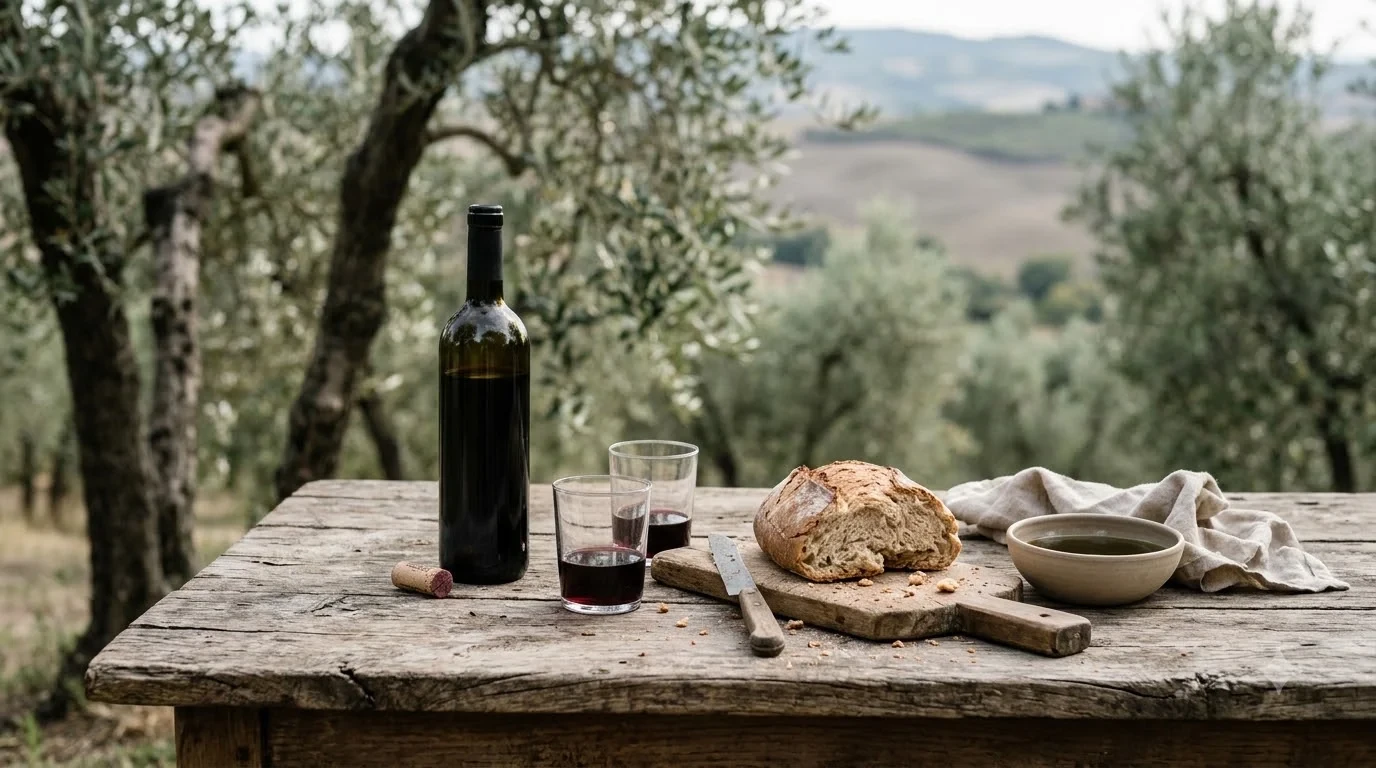
When asking is super tuscan sweet or dry, the clear answer is that Super Tuscan wine is dry. Winemakers ferment almost all of the grape sugars into alcohol, leaving minimal residual sugar in the bottle. While ripe dark-fruit flavors and oak aging can give a lush impression on the palate, these Italian red blends contain virtually no actual sugar.
Shoppers browsing Italian wine shelves often wonder whether a bold bottle labeled Toscana IGT will taste sweet like a dessert wine or crisp and savory like traditional Chianti. Because Super Tuscans are known for generous blackberry, plum, and vanilla notes, their plush texture sometimes gets mistaken for sweetness. Understanding how these rebel Tuscan reds are fermented, aged, and blended makes it easy to know what to expect before pulling the cork.
What it is
A Super Tuscan is an unofficial category of dry red wine produced in Tuscany, Italy, using grape varieties or winemaking methods outside traditional regional laws. Rather than following strict Denominazione di Origine Controllata e Garantita (DOCG) formulas, producers craft these wines with international grapes like Cabernet Sauvignon and Merlot alongside or instead of native Sangiovese.
The movement began in the late 1960s and early 1970s out of frustration with rigid Chianti regulations. At that time, traditional Chianti laws prohibited 100 percent Sangiovese bottlings and banned French varieties, even requiring producers to blend in white grapes. Forward-thinking winemakers broke those rules to pursue higher quality, releasing trailblazing bottles like Sassicaia in 1968 and Tignanello shortly after. Because those wines violated local appellation statutes, authorities initially forced estates to label them as humble Vino da Tavola, or simple table wine.
Critics and American wine drinkers quickly recognized that these rule-breaking reds rivaled top Bordeaux bottlings, coining the informal nickname Super Tuscan in the 1980s. According to Wine Folly’s guide to Super Tuscan wine, the Italian government eventually responded in 1992 by creating the Indicazione Geografica Tipica (IGT) classification, giving creative winemakers official recognition without forcing them into traditional DOCG recipes. Even today, the term remains a market description rather than a legal designation printed on the label.
Flavor and styles
Although every Super Tuscan is fermented dry, individual bottles vary noticeably in body, tannin grip, and fruit profile depending on the blend. Winemakers enjoy complete creative freedom, resulting in two primary stylistic camps: Sangiovese-led blends and Bordeaux-inspired blends.
The reason people occasionally ask whether these wines are sweet comes down to fruit ripeness and oak influence rather than residual sugar. Warm Tuscan sunshine ripens Cabernet Sauvignon, Merlot, and Sangiovese thoroughly, producing concentrated flavors of black cherry, cassis, and baked plum. Aging in small French oak barrels adds sweet-smelling aromatics like vanilla, baking spice, mocha, and cedar. When high alcohol—typically between 13 percent and 15 percent ABV—combines with plush tannins and ripe fruit, the brain perceives richness that feels round rather than sugary.
Sangiovese-driven Super Tuscans lean toward bright red cherry, dried herbs, violets, and lively acidity, delivering a savory, food-friendly finish. Bordeaux-style versions built around Cabernet Sauvignon, Merlot, Cabernet Franc, or Syrah offer deeper purple color, firmer tannin structure, and darker notes of blackberry, leather, and tobacco. For drinkers accustomed to comparing sweetness levels across Wine by Type, a Super Tuscan sits firmly alongside dry Cabernet Sauvignon or Bordeaux blends rather than off-dry reds.
| Super Tuscan Style | Primary Grapes | Sweetness Level | Key Flavor Notes | Body & Structure |
|---|---|---|---|---|
| Sangiovese-Led Blend | Sangiovese with Cabernet Sauvignon or Merlot | Dry | Red cherry, dried oregano, leather, cedar | Medium-full body, bright acidity, firm tannins |
| Bordeaux-Style Blend | Cabernet Sauvignon, Merlot, Cabernet Franc, Petit Verdot | Dry | Blackcurrant, blackberry, tobacco, vanilla, graphite | Full body, velvety to gripping tannins, long finish |
| 100% Varietal Rebel | Pure Sangiovese, Merlot, or Syrah | Dry | Dark plum, violet, cocoa, savory spice | Medium-full to full body, concentrated and structured |
Where it grows
Super Tuscans are produced across Tuscany in central Italy, spanning both sun-drenched coastal plains and cooler inland hillsides. Soil composition, elevation, and sea breezes shape whether a bottle tastes sleek and herbal or lush and concentrated.
The coastal area of Bolgheri, located south of Livorno along the Tyrrhenian Sea, is the birthplace of the movement and the heartland for Cabernet- and Merlot-based Super Tuscans. Gravelly, well-drained soils and moderating maritime breezes allow Bordeaux varieties to ripen slowly without losing natural acidity. As Wine Enthusiast’s overview of Super Tuscans notes, Bolgheri and the Sassicaia estate eventually earned their own dedicated DOC classifications because their coastal terroir proved so distinctive.
Further south along the coast lies Maremma Toscana, another warm zone producing rich, supple blends from international and local grapes. Inland, the rolling hills of Chianti Classico feature higher elevations and limestone-rich galestro soils. Super Tuscans grown in these inland vineyards typically feature higher proportions of Sangiovese, resulting in firmer acidity, lifted floral aromas, and an earthy, savory backbone that contrasts with the plush coastal style.
How to serve
Serving a Super Tuscan at the proper temperature and giving it adequate air keeps its dry structure balanced and prevents alcohol warmth from dominating the glass. Because these wines are dense and tannic, small adjustments before pouring make a dramatic difference.
Aim for a serving temperature between 60°F and 65°F, which is slightly cooler than standard American room temperature. If a bottle has been sitting in a warm kitchen, placing it in the refrigerator for about 15 minutes brings it into the ideal zone, tightening up the fruit and keeping the finish crisp. Serving red wine too warm accentuates alcohol heat and makes ripe fruit taste heavy, whereas serving it slightly cool highlights savory herbs and refreshing acidity.
Young Super Tuscans—especially those under five to eight years old—benefit from decanting for one to two hours before dinner. Exposure to oxygen softens youthful, grippy tannins and lets complex aromas of cedar, leather, and dark berries unfold. Pour the wine into a large-bowled Bordeaux glass so the aromatics have plenty of room to collect beneath your nose.
Tip: If you do not own a decanter, open your Super Tuscan two hours before your meal and pour a small splash into a glass to increase the surface area exposed to air inside the bottle.
Food pairing
The dry profile, lively acidity, and firm tannins of a Super Tuscan make it one of the most reliable dinner-table companions in the wine world. Rich, savory dishes soften the wine’s astringency while the wine cuts cleanly through fat and salt.
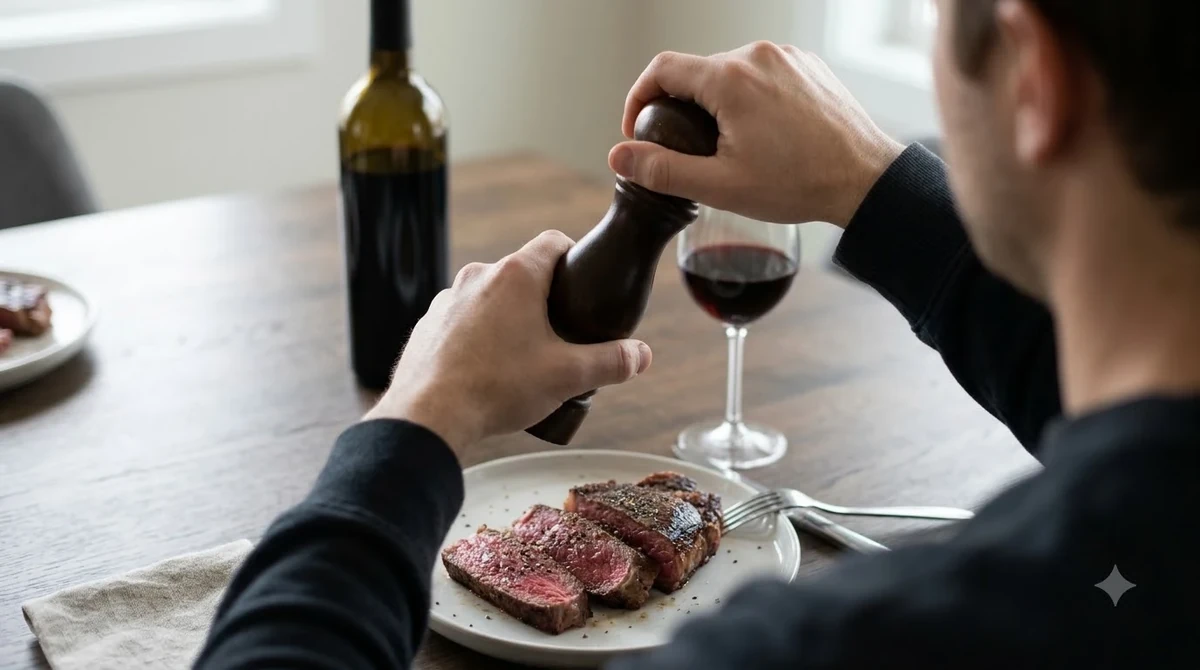
Classic Tuscan cuisine offers natural matches built around regional ingredients. Bistecca alla fiorentina, a thick porterhouse or T-bone steak grilled over wood embers, pairs effortlessly because meat proteins and marbling bind to the wine’s tannins. Slow-braised meats—such as wild boar ragu tossed with wide pappardelle ribbons or rosemary-and-garlic lamb shanks—echo the herbal, earthy undertones found in Sangiovese- and Cabernet-based blends.
For non-meat options, look toward dishes loaded with umami and aged dairy. Roasted portobello mushrooms drizzled with olive oil, grilled sausages with white cannellini beans and sage, and aged hard cheeses like Pecorino Toscano or Parmigiano-Reggiano all highlight the wine’s dry, savory complexity. Avoid pairing Super Tuscans with sugary barbecue glazes or sweet desserts, as sugar in food makes dry, tannic red wine taste bitter and thin.
How to choose a bottle
Because “Super Tuscan” never appears as an official legal term on an Italian front label, knowing how to read key clues on the bottle helps you find the exact dry style you want. A quick check of the classification, grape list, and producer name reveals what is inside.
Start by looking for the designation Toscana IGT, Bolgheri DOC, or Maremma Toscana DOC on the front or back label. Producers often give these wines proprietary fantasy names—such as Tignanello, Ornellaia, Sassicaia, Lucente, or Oreno—rather than naming a single grape on the front. Flip the bottle over to check the back label for the grape breakdown: bottles listing mostly Cabernet Sauvignon and Merlot will taste fuller, darker, and more plush, while bottles led by Sangiovese will feel brighter, zesty, and more traditionally Tuscan.
Checking the vintage and alcohol percentage also guides your choice. Wines sitting around 13.5 percent ABV usually offer brisk acidity and classic restraint, whereas bottles closer to 14.5 percent or 15 percent ABV come from warmer vintages or coastal sites and deliver bolder, riper dark fruit. Whether you prefer a lighter white like is moscato sweet or dry for brunch or a crisp is rose sweet or dry for warm afternoons, checking the appellation and ABV gives you consistent control over sweetness and weight.
Frequently Asked Questions
Is Super Tuscan wine dry or sweet?
Super Tuscan wine is completely dry, with virtually all grape sugars fermented into alcohol. Any impression of sweetness comes from ripe dark-fruit flavors and vanilla notes imparted by French oak barrels rather than residual sugar.
What is the difference between Chianti and a Super Tuscan?
Chianti is a regulated DOCG wine that must be made predominantly from native Sangiovese grapes grown within strict geographic boundaries. A Super Tuscan is an unofficial category of Tuscan red wine—usually labeled Toscana IGT or Bolgheri DOC—that breaks traditional rules by blending international varieties like Cabernet Sauvignon and Merlot or using non-traditional aging methods.
How can I spot a Super Tuscan on a wine label?
Look for Italian red wines from Tuscany bearing a creative proprietary brand name alongside the classification Toscana IGT, Bolgheri DOC, or Maremma Toscana DOC. Checking the back label for a blend of Sangiovese, Cabernet Sauvignon, Merlot, or Cabernet Franc confirms you are holding a Super Tuscan.
Are all Super Tuscans red wines?
In practice, the term Super Tuscan refers almost exclusively to dry red blends made in Tuscany. While Tuscan winemakers also produce white wines under the Toscana IGT designation, those bottles are not what wine drinkers or critics mean when they refer to Super Tuscans, unlike sparkling options covered in is brut champagne sweet or dry.
Knowing that every Super Tuscan is crafted in a dry style takes the guesswork out of shopping the Italian aisle. Whether you reach for a coastal Cabernet-Merlot blend or an inland Sangiovese-driven bottling, you can count on structured tannins, vibrant acidity, and savory depth built for hearty meals.
More in Wine Types & Grapes
 What Is Canned Wine? Styles, Sizes, and How to Serve ItUpdated Nov 21, 2026
 What Is Fiano? A Guide to Italy’s Textured White WineUpdated Nov 21, 2026
 What Is Cortese? The Crisp Italian Grape Behind Gavi WineUpdated Nov 21, 2026
 What Is Chardonel? A Complete Guide to This Cold-Hardy White WineUpdated Nov 21, 2026
 What Is Bonarda? A Guide to Argentina’s Smooth Red GrapeUpdated Nov 21, 2026
 What Is Black Muscat? Flavor, Styles, and How to Serve ItUpdated Nov 21, 2026