

We may earn a commission when you buy through links on this page, at no extra cost to you. Learn more.
bordeaux blend food pairing works best when the wine’s tannin, body, and fruit meet the weight and flavor of the dish. Cabernet Sauvignon-led blends usually favor grilled beef, lamb, and rich sauces, while Merlot-led blends often suit duck, pork, mushrooms, and softer preparations. Salty, fatty foods can soften tannin, and a wine with enough freshness keeps rich dishes from feeling heavy.
A Bordeaux-style red is not one fixed recipe. The balance of Cabernet Sauvignon, Merlot, Cabernet Franc, and supporting grapes changes from bottle to bottle, so the most reliable pairing starts with the wine’s structure rather than the name on the label. Use the ideas below to choose a main dish, season it well, and make the sides work with the wine instead of against it.
Understand the Structure Before Choosing the Dish
A Bordeaux blend usually brings some combination of dark fruit, savory notes, acidity, and tannin, but the proportions change the way it behaves at the table. A Cabernet Sauvignon-heavy wine tends to feel firmer and more structured; a Merlot-led wine is often rounder and softer, while Cabernet Franc can add freshness and herbal lift.
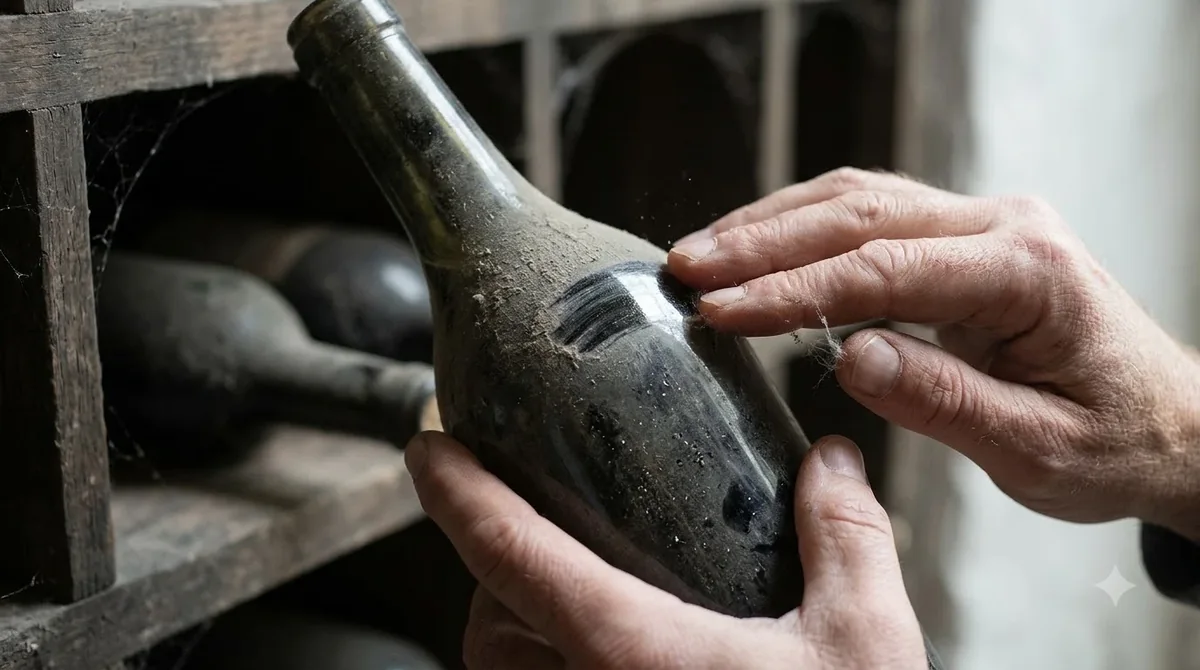
The grape mix is only the beginning. Oak aging, ripeness, extraction, and bottle age can make two wines from the same broad style feel quite different. The Bordeaux wine trade describes Merlot as a source of roundness and aromatic richness, Cabernet Sauvignon as the structural backbone, and Cabernet Franc as a component that adds lift and bright, subtly spicy fruit. Petit Verdot, when included, can reinforce color and structure. That is why the blend percentage alone cannot tell you exactly how a wine will taste.
Think of the wine in three practical terms: tannin, body, and fruit. Does it leave a drying grip, feel light enough for roast chicken, or dense enough for rib steak? Ripe blackcurrant and plum meet browned meat and savory sauces, while brighter fruit and herbal notes can link with roasted vegetables, lentils, and fresh herbs.
These distinctions help answer what is Bordeaux blend: a family of wines assembled from related varieties, not one standardized taste. Cabernet Sauvignon, Merlot, Cabernet Franc, Petit Verdot, and Malbec are key red grapes; a California blend and a Médoc blend may differ in climate, ripeness, oak, and texture. For a concise grape overview, see the UC Davis profile of Bordeaux’s black grapes.
Pair Cabernet-Led Left Bank Blends with Lamb and Beef
Cabernet-led wines from the Médoc, Pauillac, Saint-Julien, Margaux, and Graves are natural partners for roast lamb, grilled steak, and slow-cooked beef. Their firmer tannin and dark-fruit profile can meet the savory intensity of browned meat, while fat and protein help soften the wine’s drying texture.
For a classic dinner, serve roast leg or shoulder of lamb with rosemary, garlic, and a pan sauce made from the roasting juices. Green peas, asparagus, or other green vegetables make useful sides: the herbal character can echo Cabernet’s leafy notes without adding sweetness. Decanter’s Master Sommelier Stefan Neumann specifically recommends lamb with green vegetables, including petits pois, alongside concentrated Cabernet-based Left Bank wines. The combination works because the wine has enough structure for the meat, while the vegetables bring freshness to the plate.
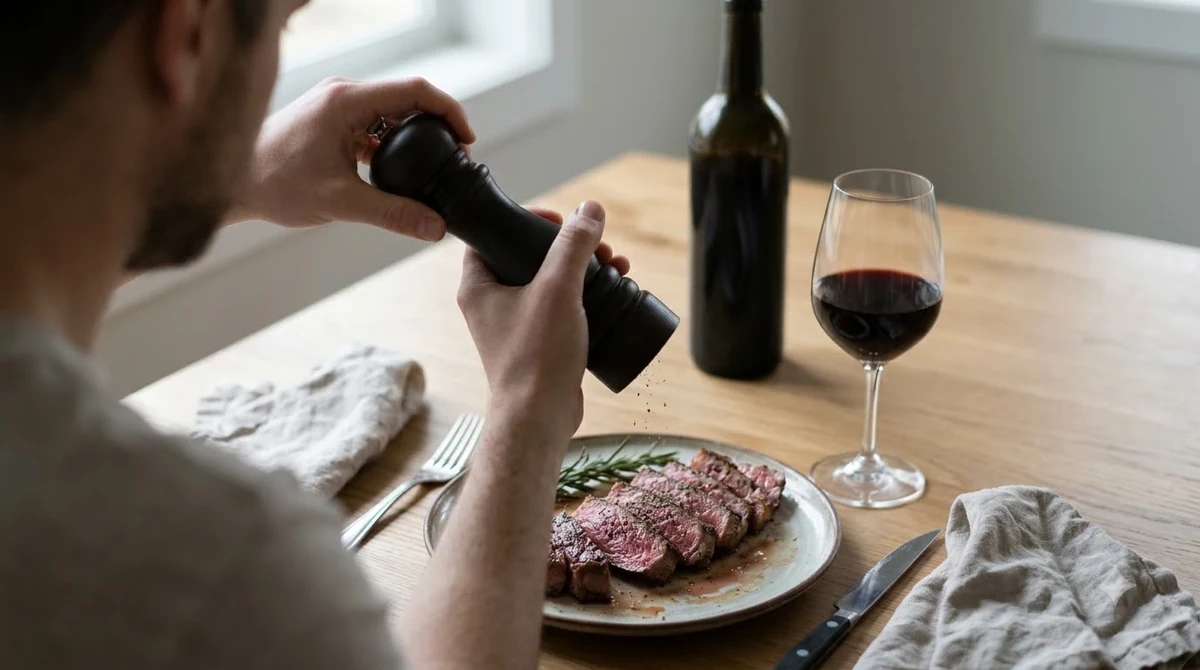
Steak is equally dependable: ribeye has enough fat for a muscular Cabernet blend, while strip steak offers a leaner but still substantial match. Beef short ribs, brisket, pot roast, and oxtail also work when the wine has deep fruit and noticeable tannin. Long cooking creates savory juices that bridge the wine’s oak and dark-fruit flavors; mushroom gravy and roasted potatoes make useful sides.
For a regional reference, try entrecôte à la bordelaise: grilled rib steak with a sauce built around red Bordeaux, shallots, and stock. The steak’s fat cushions tannin, while the sauce gives the wine a direct flavor connection. A grilled sirloin with shallot pan sauce and crisp potatoes captures the same idea without requiring the traditional recipe.
Choose Merlot-Led Right Bank Wines for Duck and Pork
Merlot-led wines from Saint-Émilion, Pomerol, and nearby Right Bank appellations often have a softer, fleshier profile than Cabernet-dominant Médoc reds. That makes them especially comfortable with duck, pork, veal, and richly seasoned poultry, particularly when the dish has browned skin, mushrooms, or a restrained fruit accent.
Duck breast is a strong first choice. Sear the skin until crisp, cook the meat to the preferred doneness, and serve it with a pan sauce featuring tart cherry or plum rather than a sticky fruit syrup. Decanter notes that dense, layered Merlots from Saint-Émilion can work beautifully with duck and recommends cherry or plum in the jus to meet the grape’s fruit-driven character. The fruit in the sauce should be an accent, not the dominant flavor.
Pork tenderloin, roast pork loin, and herb-rubbed pork shoulder also suit a supple Merlot blend. A browned crust, sage, thyme, and pan juices give the plate enough savory depth, while apple or pear can be used sparingly as a side. Avoid a very sweet barbecue glaze: sweetness can exaggerate the impression of dryness in a red wine and make the fruit seem less fresh.
For game, a lighter or medium-bodied Merlot blend can pair with rabbit cooked with onions and herbs. A more concentrated Right Bank wine can handle roast pigeon, duck confit, or venison loin if the sauce is not too sweet. Pomerol’s perfumed, elegant expressions may be better with fillet steak or beef Wellington than with a fatty cut; mushrooms or truffles provide a savory bridge. Regional style is a guide, not a rule: a Saint-Émilion can be firmly structured, so judge the wine in the glass.
Build the Main Course Around the Wine’s Weight
The easiest way to get a good match is to keep the dish and wine at a similar level of intensity. A full-bodied blend needs a main course with enough flavor and texture to stand beside it; a lighter, younger red can be more successful with simpler grilled food, roast chicken, or a vegetable-forward plate.
For a powerful bottle, choose grilled ribeye, lamb chops, short ribs, or a burger with a well-browned patty. Salt the meat thoughtfully and let the crust develop over high heat. Salt and fat soften tannin, so a marbled cut can make a firm Cabernet blend feel smoother. A lean filet mignon can still work with mushroom jus or a pastry crust.
For a medium-bodied blend, choose pork chops, roast chicken with mushroom stuffing, meatloaf, or grilled sausages with lentils. These have enough browned, savory flavor without overwhelming a softer wine. Tomato-based braises can also work if they are not too acidic or sweet.
| Wine style | Useful serving temperature | Pairing direction |
|---|---|---|
| Full-bodied, tannic red | 60–65°F | Ribeye, roast lamb, short ribs |
| Medium-bodied red | 55–60°F | Pork loin, roast chicken, sausages |
| Young, concentrated red | 60–65°F | Steak, beef stew, grilled lamb |
| Young full red, before serving | Decant 30–60 minutes | Allow firm tannin and aromas to open |
These temperatures are starting points, not rigid rules. A bottle served too warm can make alcohol stand out, while a very cold red can make tannin feel severe. A short refrigerator chill can help. The same weight principle applies across styles, although a peppery Syrah blend from the Rhône calls for a different flavor bridge; compare this rhone blend food pairing advice.
Use Vegetables, Mushrooms, and Cheese as Pairing Partners
A Bordeaux blend does not require a large piece of meat. Lentils, beans, mushrooms, roasted roots, and aged cheeses can provide the savory depth or protein that makes a red wine feel at home with a meal. The key is to avoid watery vegetables, very sharp vinegar, and sweet sauces that leave the wine tasting hard.
For a satisfying vegetarian main, try a lentil moussaka, a bean casserole with caramelized onions, or stuffed portobello mushrooms with herbs and breadcrumbs. Decanter points to prebranac, a Serbian baked bean dish with caramelized onions, and a red-lentil vegetarian moussaka as meat-free matches for concentrated Cabernet blends. Both dishes have enough cooked-down savory flavor to meet the wine’s structure. Add olive oil and a salty finishing element, but keep the seasoning balanced.
Mushrooms are especially useful because their earthy, browned flavors connect with savory notes in Bordeaux-style reds. Try grilled portobellos with thyme, mushroom risotto, or roasted mushrooms with polenta. For a tannic bottle, include olive oil, butter, or cheese to soften the wine’s grip. Roasted carrots, parsnips, beets, sweet potatoes, and potatoes are also good sides; brown their edges and add rosemary or thyme, but avoid a heavy honey glaze.
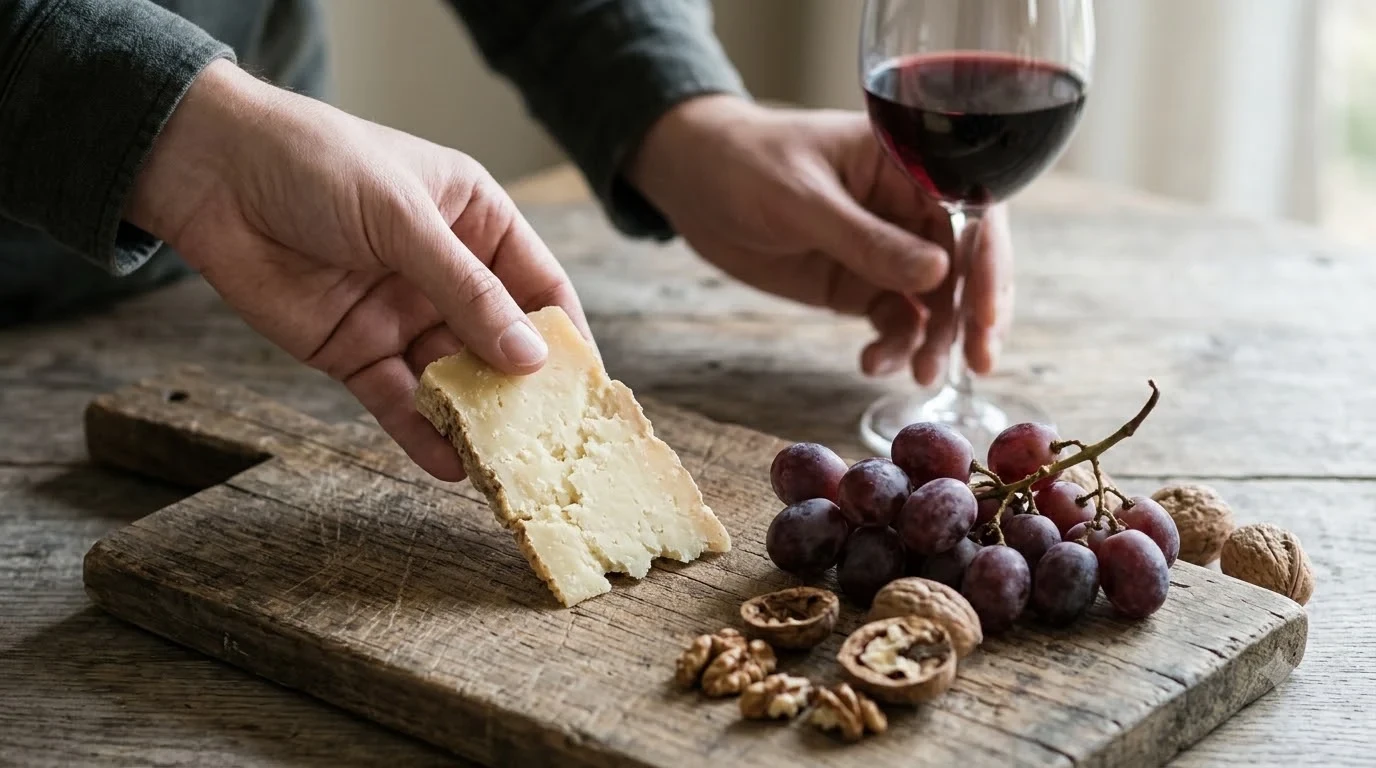
For cheese, start with aged, firm styles such as Comté or Gruyère. Their salt and concentrated nutty flavors work with young, aromatic Bordeaux reds, especially those showing ripe black fruit. A creamy, mild cheese can be fine with a softer Merlot-led wine, but very salty blue cheese is usually better with a sweet wine than a dry tannic red. For another red grape with a different balance of acidity and tannin, see these blaufränkisch food pairing ideas.
Season, Serve, and Adjust Without Overcomplicating Dinner
Good seasoning helps the wine and food retain their character while sharing compatible flavors. Salt and fat soften tannin, while sharp acidity can make a wine seem less fresh; use lemon, vinegar, and pickled garnishes with care. Rosemary and thyme work with lamb, sage suits pork, parsley refreshes rich beef, and bay leaf gives slow-cooked stews a savory backbone. Mushrooms, caramelized onion, and plum or cherry accents can support ripe Merlot fruit.
Chili heat needs more caution. Alcohol and tannin can make spicy heat feel stronger, so a high-alcohol, firm red is rarely the easiest partner for a dish loaded with fresh chilies or hot pepper paste. With spicy food, choose a softer, fruitier blend, lower the heat, and add cooling elements such as yogurt or a mild starch. A sweeter wine is often the safer match when the dish is genuinely hot.
A young, concentrated red can benefit from 30 to 60 minutes in a decanter if its tannins feel tight. Older bottles are often more delicate, so pair them with simply prepared meat, roast poultry, or mushrooms rather than a complicated sauce. Decanter’s Bordeaux food-pairing advice makes the same general point: older wine often calls for simpler, carefully prepared cooking.
Tip: Taste the wine before finishing the sauce. If the red feels firm and drying, add a little richness to the dish with olive oil, butter, or a savory stock reduction; if it tastes soft and fruit-forward, keep the sauce lighter and let herbs or mushrooms provide the depth.
A standard 5-ounce pour accompanies a course without overwhelming it, and a 750-milliliter bottle provides about five glasses. Serve the wine slightly cool and let it open in the glass. Small adjustments to temperature, salt, and sauce richness usually matter more than elaborate ingredients. For broader comparisons, the site’s Wine by Type section can help you decide whether another red style better fits the menu.
Frequently Asked Questions
Can a Bordeaux blend work with seafood?
Most firm, tannic red blends are poor matches for oily fish, but there are carefully chosen exceptions. Decanter describes a pairing of youthful red Bordeaux with grilled red mullet and Provençal potatoes, where the fish’s meaty texture and the potatoes support the wine’s suppleness. For shellfish or delicate white fish, a dry white Bordeaux is generally the safer direction.
What should I serve with an oaked white Bordeaux?
An oaked white Bordeaux blend can stand up to a richer dish than a very crisp, unoaked white. Decanter suggests pork pie as a companion and specifically notes that smoky bacon in the pie can work well. Sauvignon Blanc and Sémillon are common partners in dry white Bordeaux blends, though the oak treatment changes the wine’s weight.
Why does a Bordeaux producer change the blend from one vintage to another?
Growing conditions affect how each grape ripens, so the balance that works in one harvest may not be ideal in the next. Bordeaux winemakers ferment components separately, taste the lots, and then select the combination that best balances the vintage and the estate’s preferred style. A warm year may give Merlot a fruitier, lower-acid profile, while a cooler year can produce a more restrained Cabernet Sauvignon.
What is a Bordeaux second wine?
At many Bordeaux estates, the first wine is the flagship bottling, often built for complexity and aging. Second and third wines are commonly assembled from younger vines on the same estate, creating fruitier and more supple wines that can be enjoyable earlier. They can be useful choices for a casual dinner when a powerful, age-worthy first wine would be more than the menu needs.
Can a Bordeaux blend be made from just one grape?
Yes. Bordeaux is strongly associated with blending, but the region also produces notable single-variety wines. A bottle made entirely from Merlot or Cabernet Sauvignon is not a blend in the strict sense, even though it may share the region’s grape variety and winemaking traditions.
The most dependable Bordeaux blend pairing is the one that matches the wine’s weight and tannin to the food’s texture, seasoning, and richness. Start with lamb or beef for firmer Cabernet-led wines, move toward duck, pork, mushrooms, and vegetables with softer Merlot-led styles, and adjust the sauce rather than forcing a difficult match. A well-seasoned, simply cooked dish will usually show the wine at its best.
More in Wine Types & Grapes
 What Does Ruby Port Taste Like? Flavor Notes, Styles, and Serving TipsUpdated Nov 21, 2026
 What Does Ribolla Gialla Taste Like? Crisp White and Amber Styles ExplainedUpdated Nov 21, 2026
 What Does Semillon Taste Like? Flavor Profile, Styles & PairingsUpdated Nov 21, 2026
 What Does Scuppernong Taste Like? Flavor, Styles, and Pairing GuideUpdated Nov 21, 2026
 What Does Saperavi Taste Like? Flavors, Styles, and Pairing GuideUpdated Nov 21, 2026
 What Does Natural Wine Taste Like? Flavors, Styles, and Serving TipsUpdated Nov 21, 2026