

We may earn a commission when you buy through links on this page, at no extra cost to you. Learn more.
The best rhone blend food pairing centers on herb-crusted roasted meats, Mediterranean spices, and hearty braised dishes that match the wine’s juicy fruit and savory herbal backbone. Classic red blends built around Grenache, Syrah, and Mourvèdre bring bright red berries, black pepper, and gentle tannins that handle charred barbecue, braised lamb, and aged cheeses without overwhelming the plate. Meanwhile, white Rhône blends crafted from Marsanne, Roussanne, and Viognier offer rich stone-fruit notes and round texture that pair effortlessly with roast poultry, shellfish, and fruit-glazed pork.
Few wines adapt to a crowded dinner table as reliably as a bottle from France’s Rhône Valley or its New World counterparts. Whether you pour a sun-drenched Southern Rhône red or a waxy, aromatic white blend, understanding how each grape shapes the glass makes matching dinner straightforward.
What Is a Rhône Blend?
A Rhône blend is a red, white, or rosé wine composed of grape varieties native to France’s Rhône River Valley, most famously anchored by Grenache, Syrah, and Mourvèdre in red bottlings. Winemakers combine these grapes so that one variety’s bright fruit softens another’s firm tannins and peppery spice.
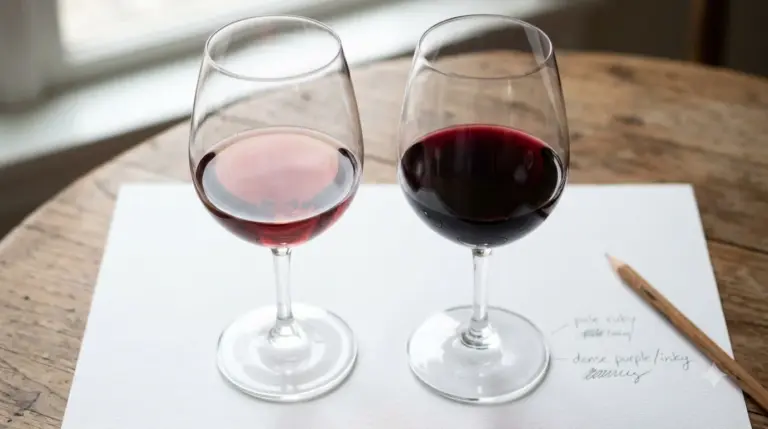
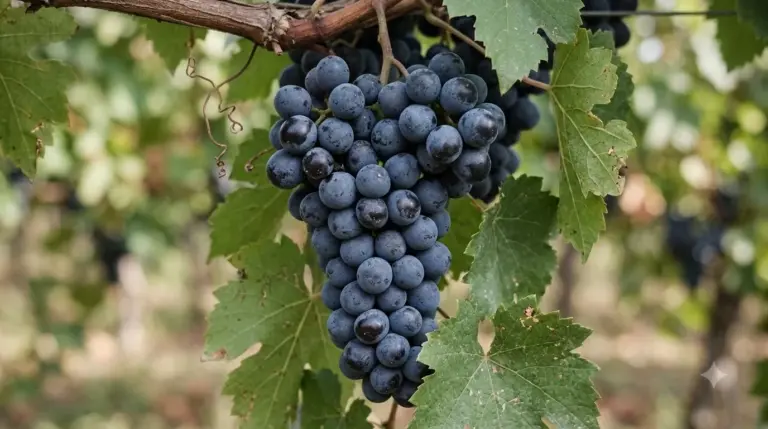
According to Wine Folly, red blends following this blueprint are widely labeled as GSM wines, named after their three primary grapes. Grenache supplies candied raspberry, strawberry, and a subtle hint of orange peel alongside lively warmth. Syrah contributes dark blackberry, plum, black olive, and cracked pepper, while Mourvèdre grounds the blend with blueberry, wild herbs, earthy depth, and structured tannins. Together, these components produce a balanced rhone blend wine that bridges the gap between light, fruit-forward reds and heavy, tannic cabernets.
White Rhône blends follow a similarly cooperative formula using Marsanne, Roussanne, Grenache Blanc, Viognier, Clairette, and Bourboulenc. Marsanne brings weight and nutty marzipan richness, Roussanne adds herbal tea and pear brightness, and Viognier lifts the aroma with peach, apricot, and white blossoms. In Tavel and across the broader valley, producers also blend Grenache and Mourvèdre with white grapes like Clairette to create deep-colored, savory rosés sturdy enough for main courses.
Flavor Profile and Regional Styles
Rhône blends vary noticeably between Northern and Southern France as well as warmer New World regions, shifting from lean and smoky to plush and fruit-driven. Knowing where your bottle originates helps predict its weight, acidity, and ideal spot on the menu.
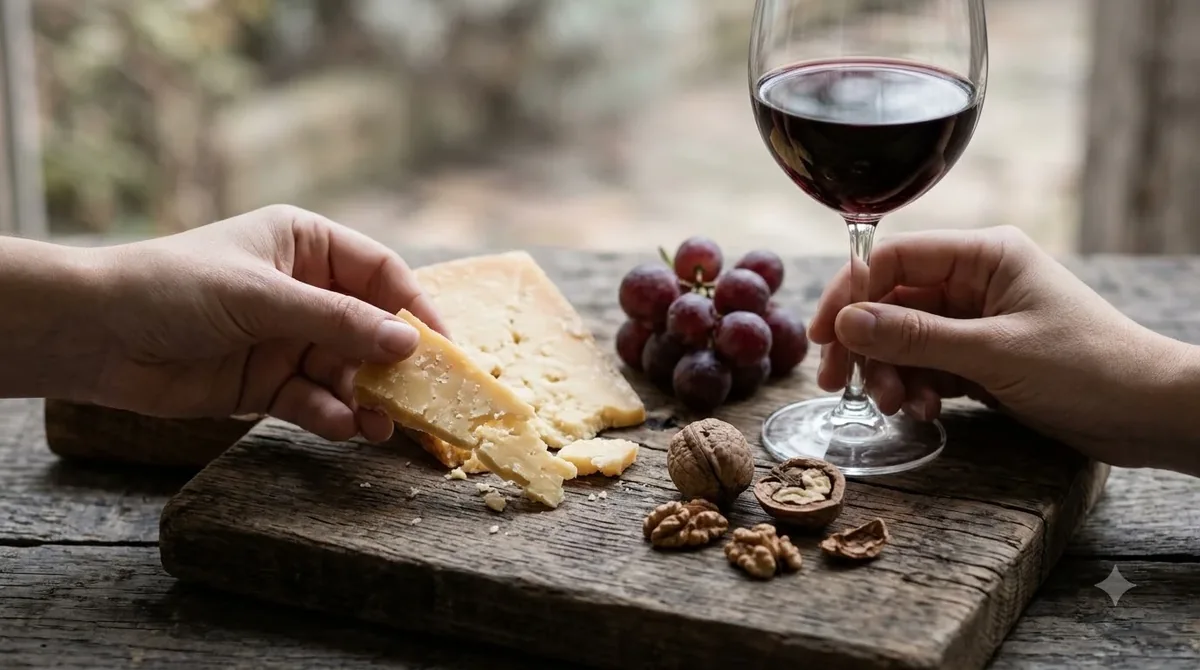
As detailed by VinePair, the Rhône Valley splits into two distinct climatic zones. The cooler, steeper Northern Rhône focuses primarily on Syrah, occasionally co-fermented with a splash of aromatic Viognier in appellations like Côte-Rôtie to yield smoky, violet-scented, peppery reds. Further south, the climate turns warm and Mediterranean, cooled by the brisk Mistral wind. Here, in Côtes du Rhône, Côtes du Rhône Villages, Gigondas, and Châteauneuf-du-Pape, Grenache takes the lead, creating medium-to-full-bodied wines bursting with ripe cherry, dried thyme, lavender, and baking spice.
Outside France, winemakers in California’s Paso Robles, Washington State, and Australia’s Barossa Valley craft vibrant GSM blends. New World versions often lean slightly riper and more plush on the midpalate, showcasing juicy black cherry, mocha, and sweet spice, whereas French bottlings retain a distinct savory, stony, and wild-herb character. If you enjoy exploring how regional styles dictate what goes on your plate across all Wine by Type, comparing a rustic Southern French Côtes du Rhône against a sun-ripened Paso Robles GSM is an eye-opening exercise.
Core Food Pairing Principles for Rhône Blends
Successful pairings rely on matching the wine’s herbal, spicy, and fruit-forward traits with dishes that share those exact flavor bridges. Because red Rhône blends have moderate rather than aggressive tannins, they rarely clash with delicate proteins or mildly spiced sauces.
Mediterranean herbs are the single best anchor for red Rhône wines. Rosemary, thyme, oregano, sage, and roasted garlic echo the wild scrubland aromas—often called garrigue—found naturally in Southern French blends. When a dish includes these aromatics, the wine’s earthy undertones recede and its pure red-berry fruit steps forward. Similarly, the subtle orange-zest note in Grenache creates a natural link with citrus-marinated pork, duck glazed with tangerine, or barbecue sauces brightened with vinegar and citrus.
Texture and fat also play a decisive role at the table. Red GSM blends carry enough acidity and warmth to slice through rich duck fat, lamb shoulder, or melted Gruyère on a burger without feeling astringent. White Rhône blends work on the opposite principle: their medium-to-full body and oily, waxy mouthfeel mirror creamy sauces, browned butter, and roasted root vegetables. Unlike crisp, high-acid whites that can taste sharp next to sweet squash or fruit chutneys, Marsanne and Roussanne wrap around sweet-savory flavors smoothly.
Best Food Pairings by Rhône Blend Style
Matching your menu to the specific style of Rhône blend in your glass ensures neither the food nor the wine overshadows the other. Use the table below to pair everyday weeknight meals and weekend roasts with the right bottle.
| Rhône Blend Style | Key Grapes | Dominant Flavors | Best Food Pairings |
|---|---|---|---|
| Classic Côtes du Rhône Red | Grenache, Syrah, Mourvèdre | Raspberry, plum, wild thyme, black pepper | Herb-roasted chicken, cheeseburgers with mushrooms, ratatouille, grilled sausages |
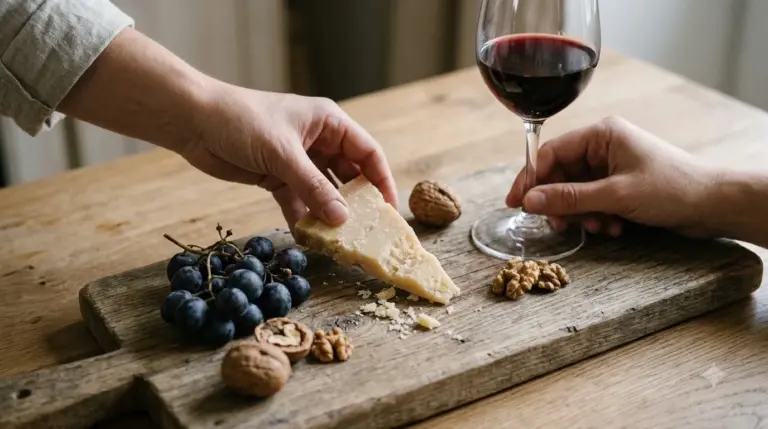
| Châteauneuf-du-Pape & Gigondas | Grenache-dominant with Syrah, Mourvèdre, Cinsault | Black cherry, dried fig, leather, clove, garrigue | Braised lamb shanks, beef daube, roast duck with star anise, aged Comté |
| New World GSM (Paso Robles / Barossa) | Grenache, Syrah, Mourvèdre, Petite Sirah | Blackberry jam, blueberry, mocha, orange peel, baking spice | Smoked baby-back ribs, pulled pork, teriyaki mushroom steaks, spiced brisket |
| White Rhône Blend | Marsanne, Roussanne, Viognier, Grenache Blanc | Apricot, Meyer lemon, beeswax, hazelnut, brioche | Roast turkey, shrimp linguine, seared scallops, apricot-glazed pork tenderloin |
| Tavel & Rhône Rosé | Grenache, Mourvèdre, Clairette | Wild strawberry, blood orange, crushed stone, savory herbs | Niçoise salad, grilled salmon, charcuterie boards, bouillabaisse |
For plant-based dinners, Rhône reds shine alongside umami-rich ingredients that mimic the depth of roasted meat. Seared lion’s mane mushrooms, roasted eggplant, black lentils cooked with bay leaf and thyme, and caramelized onion tarts all bring out the plush fruit in a Grenache-driven red. If you are planning a steakhouse-style dinner with heavier cuts like ribeye or prime rib and want a more structured wine, comparing this style against a classic bordeaux blend food pairing will show how Cabernet’s firmer grip handles high-fat beef differently than Grenache’s juicy lift.
Ingredients and Dishes to Avoid
Even a flexible food wine can struggle when paired with extreme heat, sharp vinegar, or delicate raw fish. Steering clear of a few common clashes keeps the wine tasting fresh and balanced.
Fiery chili heat is the primary adversary of high-alcohol red Rhône blends. Many Southern Rhône and New World GSM reds sit between 13.5 and 15 percent ABV, and capsaicin from habaneros, cayenne, or extra-spicy Szechuan peppercorns amplifies the sensation of alcohol on the palate, making the wine taste hot and bitter. Gentle warmth from black pepper, smoked paprika, or mild chipotle works wonderfully, so keep chili levels moderate when opening a full-bodied bottle.
Red Rhône blends also clash with delicate white fish, raw oysters, and heavily vinaigretted salads. The tannins in Syrah and Mourvèdre react with fish oils to create a metallic aftertaste, while sharp lemon or balsamic dressings strip the wine of its fruit and leave it tasting flat. Save raw shellfish and citrus-dressed greens for crisp white Rhône blends dominated by Grenache Blanc and Clairette.
How to Serve Rhône Blends for Peak Flavor
Serving temperature and brief aeration dramatically improve how a Rhône blend interacts with food, softening alcohol warmth and opening up layered aromas.
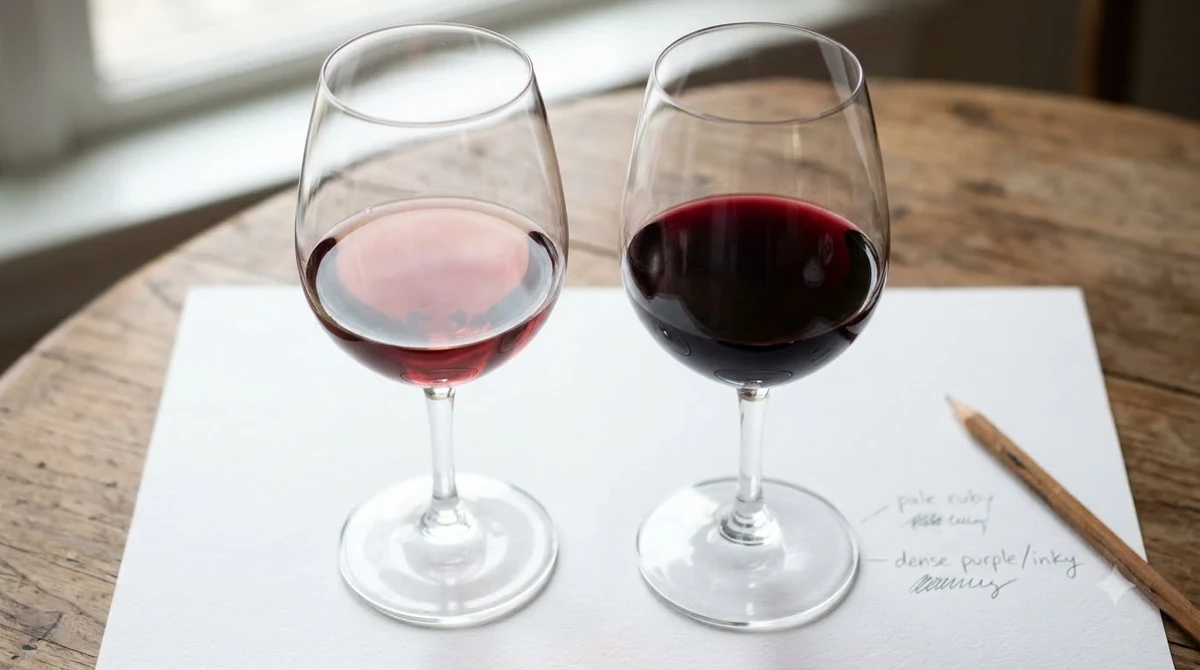
Serve red Rhône blends slightly below room temperature, ideally between 60°F and 68°F (16°C to 20°C). A quick 15 to 20 minutes in the refrigerator before pouring tightens up the wine’s structure, keeps higher-alcohol Grenache from feeling heavy, and makes young, fruit-forward Côtes du Rhône reds noticeably more refreshing. White Rhône blends show best between 50°F and 55°F—cool enough to stay crisp, yet warm enough to let their honeyed stone-fruit and nutty aromatics bloom.
Younger, concentrated reds such as Gigondas, Châteauneuf-du-Pape, and Paso Robles GSMs benefit from 30 to 45 minutes in a decanter before dinner. Exposure to oxygen smooths out rustic tannins and allows savory notes of leather, clove, and wild herbs to emerge alongside the fruit.
Tip: If your kitchen runs warm, place a red Côtes du Rhône in the fridge 20 minutes before serving so it hits the table near 62°F, keeping the berry fruit crisp and preventing the alcohol from tasting heavy.
Frequently Asked Questions
Is a Rhône blend good with Thanksgiving dinner?
Both red and white Rhône blends are standout choices for Thanksgiving because they handle a wide range of sweet and savory side dishes at once. A medium-bodied red Côtes du Rhône complements roast turkey, sage stuffing, and cranberry sauce without overpowering the bird, while a white Marsanne-Roussanne blend pairs naturally with roasted squash and gravy.
What is the difference between a GSM blend and a Côtes du Rhône?
A GSM blend refers to any red wine made primarily from Grenache, Syrah, and Mourvèdre, regardless of where in the world it is grown. Côtes du Rhône is a specific French wine appellation in the Rhône Valley where those exact three grapes form the backbone of most red wines, alongside regional blending partners like Cinsault and Carignan.
Can you pair red Rhône blends with spicy food?
Red Rhône blends pair well with aromatic, warming spices like black pepper, cumin, star anise, and smoked paprika, making them great matches for Moroccan tagines and barbecue rubs. However, avoid intensely hot chili peppers, as capsaicin clashes with the higher alcohol levels common in Grenache-based wines.
What cheeses pair best with Rhône wines?
Firm, nutty Alpine and French cheeses such as Comté, Gruyère, and aged Manchego complement the dark fruit and herbal notes of red Rhône blends. For white Rhône blends, try triple-crème Brie, aged Gouda, or mild blue cheeses, which match the wine’s creamy texture and apricot-honey aromatics.
From casual weeknight burgers to slow-braised weekend roasts, mastering rhone blend food pairing comes down to leaning into fresh herbs, roasted flavors, and balanced spice. If you enjoy the peppery, medium-bodied versatility of these blends, exploring a crisp blaufrankisch food pairing is another rewarding way to match savory dishes with expressive red wine.
More in Wine Types & Grapes
 What Is Bonarda? A Guide to Argentina’s Smooth Red GrapeUpdated Nov 21, 2026
 What Is Black Muscat? Flavor, Styles, and How to Serve ItUpdated Nov 21, 2026
 What Is Baco Noir? Origins, Flavor Profile, and Pairing GuideUpdated Nov 21, 2026
 What Is Alvarinho? A Complete Look at Portugal’s Crisp Coastal GrapeUpdated Nov 21, 2026
 What Is Auslese? How to Read, Serve, and Pair This German WineUpdated Nov 21, 2026
 What Is Arneis? Tasting Notes, Origins, and Pairing GuideUpdated Nov 21, 2026