

We may earn a commission when you buy through links on this page, at no extra cost to you. Learn more.
Asti Spumante sugar content typically reaches around 100 grams of residual sugar per liter in traditional sweet bottlings, although modern Asti DOCG rules allow styles ranging from bone-dry to sweet. That means a traditional sweet bottle contains considerably more sugar than most dry sparkling wines. The exact amount depends on the sweetness designation and the winemaker’s fermentation decisions. Understanding the label makes it easier to choose an Asti that suits your taste and the occasion.
Asti Spumante is an aromatic Italian sparkling wine made primarily from Moscato Bianco grapes in Piedmont. Its familiar combination of peach, orange blossom, fresh grape, and honey aromas makes it a popular choice for celebrations and desserts. Although many drinkers associate Asti with sweetness, the category has become more varied. Some examples are noticeably less sweet than the traditional dessert-style version, while others retain the generous fruit and sugar that have made the wine famous. The important distinction is that the name Asti Spumante identifies a protected wine category, not one fixed sugar level.
Typical Sugar Content in Asti Spumante
Traditional Asti Spumante generally contains approximately 100 grams of residual sugar per liter, making it a distinctly sweet sparkling wine. However, the modern Asti DOCG designation also permits dry versions, so the sweetness of an individual bottle can vary considerably.
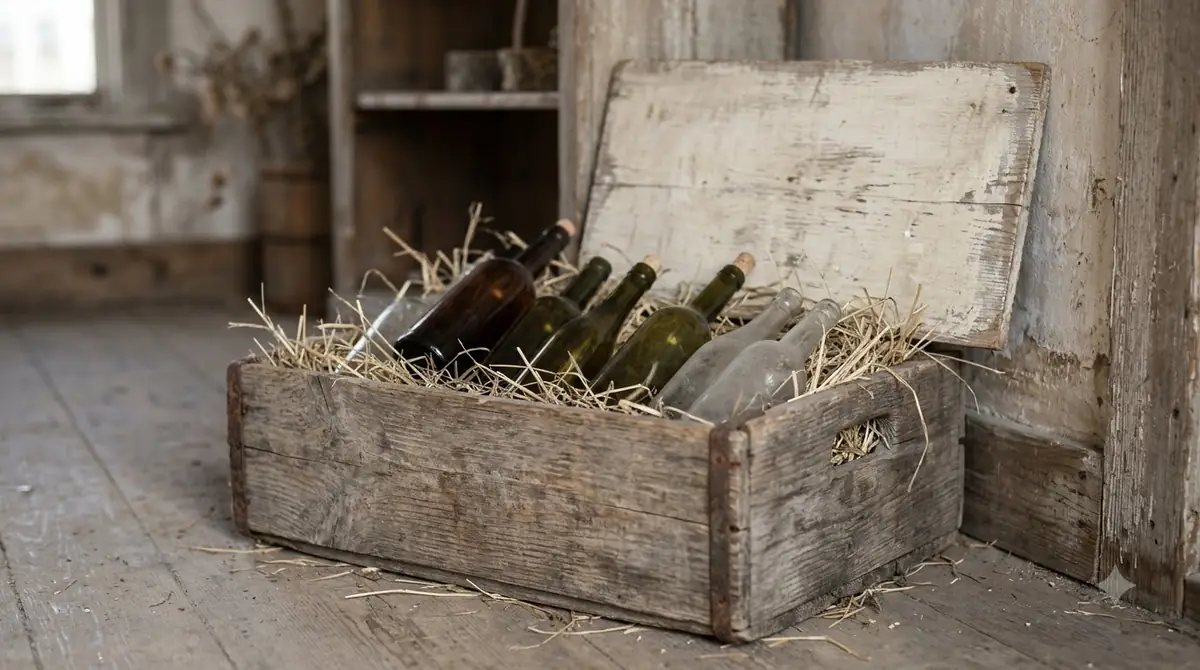
Residual sugar refers to the natural grape sugars that remain in wine after alcoholic fermentation. During fermentation, yeast converts grape sugar into alcohol and carbon dioxide. If fermentation stops before the yeast consumes all available sugar, the remaining sugar contributes sweetness to the finished wine.
The Wine & Spirit Education Trust (WSET) describes traditional Asti DOCG as typically containing around 100 g/L of residual sugar. This is a useful reference point for understanding the familiar sweet style, but it should not be treated as a mandatory minimum or an exact specification for every bottle. The WSET sparkling wine study material also explains how changes to the Asti production rules allow producers to make drier styles.
For perspective, consider what that concentration means in an ordinary serving. A standard 750 ml bottle containing 100 g/L of residual sugar holds approximately 75 grams of residual sugar in total. A 5-ounce glass, which contains about 148 ml, would provide approximately 14.8 grams.
| Measurement | Traditional Asti at 100 g/L |
|---|---|
| 100 ml serving | 10 g sugar |
| 5-ounce glass | About 14.8 g sugar |
| 150 ml glass | 15 g sugar |
| 375 ml half bottle | 37.5 g sugar |
| 750 ml bottle | 75 g sugar |
These figures are mathematical estimates based on a concentration of 100 grams per liter. They are not guaranteed measurements for every producer’s wine. A drier Asti may contain much less residual sugar, while a sweeter bottling may retain a substantial amount.
It is also useful to distinguish residual sugar from total carbohydrate content. Residual sugar measures the sugars left in the finished wine, whereas carbohydrate figures may be presented differently depending on the analytical method and labeling requirements. For comparing sweetness, grams of residual sugar per liter provide the most useful starting point.
For shoppers, the practical takeaway is simple: traditional Asti is a sweet sparkling wine, but the category now includes considerably drier alternatives. A bottle described as Brut Nature will taste very different from one labeled Dolce, even though both may carry the Asti Spumante designation.
Sweetness Categories and What the Labels Mean
Sparkling wine sweetness terms describe the amount of residual sugar remaining in the finished wine. Asti Spumante can range from Pas Dosé to Dolce, so understanding the European terminology helps identify whether a particular bottle will taste dry, lightly sweet, or distinctly sugary.
The European Union uses defined residual-sugar categories for sparkling wine. These terms are especially useful because the word Extra Dry can be misleading to people familiar with ordinary still wines. In sparkling wine terminology, Extra Dry is actually sweeter than Brut.
The following figures provide the standard reference ranges used for EU sparkling wine sweetness classifications:
| Label term | Residual sugar | Expected impression |
|---|---|---|
| Brut Nature | 0–3 g/L | Bone dry |
| Extra Brut | 0–6 g/L | Very dry |
| Brut | 0–12 g/L | Dry |
| Extra Dry | 12–17 g/L | Lightly sweet |
| Dry | 17–32 g/L | Noticeably sweet |
| Demi-Sec | 32–50 g/L | Medium-sweet |
| Doux | 50+ g/L | Sweet |
These classifications explain why two Asti Spumante bottles can taste so different. A Brut example may have only a small amount of residual sugar, while a Dolce version can contain considerably more. The difference is not simply a matter of producer preference in describing the wine; the terms refer to recognized sweetness categories.
Understanding Brut and Extra Dry
Brut is a useful starting point for anyone who wants sparkling wine without pronounced sweetness. Its residual sugar limit is 12 g/L, although the wine may still have a slight roundness on the palate depending on its acidity and other characteristics.
Extra Dry, despite its name, contains more residual sugar than Brut. Its 12–17 g/L range produces a softer impression that some drinkers find more approachable. Dry, with 17–32 g/L, is sweeter still.
Understanding Demi-Sec and Dolce
Demi-Sec offers a noticeable sweet impression, with 32–50 g/L of residual sugar. It can work well with fruit-based desserts and pastries, particularly when the dish has enough sweetness to avoid making the wine taste overly acidic.
Doux is the sweetest category in this classification. It begins at 50 g/L, making it a natural choice for people who enjoy dessert-style sparkling wines. Traditional Asti often falls into the sweet end of the spectrum, which explains its association with celebrations and sweet food.
Tip: If you prefer traditional sweet Asti, look for Dolce or a clearly identified sweet bottling. If you prefer a crisp, dry sparkling wine, start with Brut or Extra Brut instead of assuming every Asti Spumante bottle has the same sweetness.
Why Asti Spumante Contains Natural Residual Sugar
Asti Spumante gets its characteristic sweetness from grape sugar retained during fermentation rather than from a simple addition of sweetener after production. The winemaker controls the fermentation process to achieve the desired combination of alcohol, carbon dioxide, and residual sugar.
The wine begins with Moscato Bianco grapes, which naturally contain the sugars needed for fermentation. The grapes are gently pressed, and the resulting juice is clarified before fermentation begins. Temperature control is important because Moscato is valued for its delicate floral and fruity aromas.
According to the Asti DOCG consortium, the production process can use the Martinotti method, also called the tank method, or the traditional bottle-fermentation method for the Metodo Classico version. The official Asti DOCG production explanation describes how fermentation is controlled to retain the desired residual sugar and aromatic character.
The tank fermentation process
Traditional Asti production uses pressure-resistant tanks that allow the winemaker to retain the carbon dioxide generated during fermentation. At the beginning of the process, some carbon dioxide can escape through a valve. As fermentation continues, the winemaker monitors the developing alcohol, pressure, and sugar concentration.
When the desired balance has been reached, the tank is sealed to retain carbon dioxide. The wine continues fermenting, allowing the bubbles and alcohol to develop while residual sugar gradually decreases.
Once the target sugar level and pressure are achieved, the wine is rapidly chilled. Filtration under pressure removes the yeast and helps stop further fermentation. The finished wine can then be bottled while retaining its freshness and aromatic character.
Why fermentation timing matters
The timing of fermentation determines much of the wine’s final sweetness. If the winemaker stops fermentation earlier, more grape sugar remains. If fermentation continues longer, yeast converts more of the available sugar into alcohol, resulting in a drier wine.
This is why Asti Spumante can be produced in styles ranging from Pas Dosé to Dolce. The process does not require every bottle to retain the same sugar concentration.
WSET also explains that the Asti method differs from traditional sparkling-wine production because the carbon dioxide comes from the original grape must fermentation rather than a separate second fermentation after a base wine has been made.
This method preserves the fresh aromatic character of Moscato Bianco. It also gives producers considerable control over the finished wine’s balance, including its sweetness and sparkling pressure.
Asti Spumante vs. Moscato d’Asti Sugar Content
Asti Spumante and Moscato d’Asti are related wines from the same Piedmont region, but they differ in their carbonation, alcohol, and sweetness profiles. Moscato d’Asti is generally sweeter, while Asti Spumante offers a wider range of sweetness levels.

Both wines are closely associated with Moscato Bianco grapes. Their floral aromas, fresh grape character, and notes of peach and citrus can make them seem similar at first. However, their production methods create noticeably different drinking experiences.
Traditional Asti Spumante generally contains around 100 g/L of residual sugar. WSET gives approximately 130 g/L as a typical reference for Moscato d’Asti, although actual figures vary between producers and bottlings.
| Characteristic | Asti Spumante | Moscato d’Asti |
|---|---|---|
| Typical residual sugar | About 100 g/L | About 130 g/L |
| Sweetness options | Pas Dosé to Dolce | Sweet |
| Actual alcohol | At least 6% ABV | 4.5–6.5% ABV |
| Carbonation | Fully sparkling | Gently sparkling |
| Maximum pressure | Fully sparkling category | 2.5 bar |
| Typical character | Fruity, floral, bubbly | Sweet, aromatic, softly fizzy |
The sugar figures in this table are typical reference values rather than fixed requirements for every bottle. The regulatory figures for alcohol and pressure are separate from the estimated residual-sugar concentrations.
Choosing between the two wines
Choose Asti Spumante if you want a more energetic sparkling wine with pronounced bubbles and the option of a dry or sweet style. Its fully sparkling character makes it suitable for a toast, an aperitif, or a dessert course.
Choose Moscato d’Asti if you prefer a softer, gentler sparkle and a consistently sweet profile. Its lower actual alcohol range and expressive grape aromas make it especially appealing alongside fruit desserts and lightly sweet pastries.
For a more detailed comparison, see our guide to Moscato d’Asti sugar content. It explains why this gently sparkling wine often tastes sweeter than its fully sparkling relative.
Alcohol is another important distinction. The minimum actual alcohol requirement for standard Asti Spumante is 6% ABV, whereas Moscato d’Asti has an actual alcohol range of 4.5–6.5% ABV. Readers interested in the relationship between alcohol and fermentation can also explore Asti Spumante alcohol content.
How to Taste and Serve Sweet Asti Spumante
Serving temperature influences how Asti Spumante expresses its sweetness, acidity, and aromatic character. A well-chilled bottle usually tastes fresher and more balanced than one served too warm.
For sweet sparkling Asti, a serving temperature around 40–50°F is a practical target. Chilling the wine helps preserve its lively bubbles and keeps its floral and fruit aromas from becoming overwhelming.
Use a sparkling-wine glass or a white-wine glass with enough room for the aromas to develop. A flute can preserve the visual effect of the bubbles, but a slightly wider glass makes it easier to appreciate the aromas of Moscato Bianco.
Pouring and serving sizes
A standard wine pour is 5 ounces. A 750 ml bottle therefore provides approximately five standard servings, although smaller pours are common when serving sparkling wine as part of a celebration or dessert course.
Pour slowly into a tilted glass to reduce excessive foaming. Once the wine settles, its bubbles should remain lively and its aromas should be immediately recognizable.
Asti is best served fresh rather than allowed to warm significantly in the glass. Its most recognizable characteristics include ripe peach, orange blossom, citrus, fresh grape, and delicate honey notes.
Keeping an opened bottle fresh
After opening, sparkling wine gradually loses carbon dioxide. The bubbles become less pronounced, and the wine may lose some of its fresh aromatic appeal.
Store leftover Asti in the refrigerator with a suitable sparkling-wine stopper. As a general guide, sparkling wine keeps for approximately one to three days after opening, although the actual result depends on the wine, storage conditions, and quality of the stopper.
For the best experience, keep the bottle cold and minimize the amount of time it spends open. A bottle intended for a celebration is generally best opened shortly before serving rather than several hours in advance.
For a broader introduction to sparkling, still, red, and white wine styles, visit our Wine by Type resource.
Food Pairings for Different Asti Sweetness Levels
Asti Spumante pairs particularly well with sweet foods when the wine is at least as sweet as the dessert. Its lively bubbles and aromatic fruit character also make it suitable for lighter appetizers and fresh fruit-based dishes.
Traditional sweet Asti is especially successful with pastries, fruit desserts, and creamy desserts that do not overpower its delicate floral aromas. Panettone, fruit tarts, dry biscuits, and cheesecake are all natural choices.
Pairing traditional sweet Asti
For a classic Italian-inspired pairing, serve sweet Asti with panettone. The bread’s dried fruit, citrus peel, and soft texture complement the wine’s peach and floral character.
Fruit tarts are another strong choice. Apricot, peach, pear, and apple fillings work particularly well because their fruit flavors echo the wine’s aromatic profile.
Cheesecake can also work, especially when it includes citrus or fresh fruit. The wine’s acidity and carbonation provide contrast to the creamy texture, while its residual sugar keeps the pairing balanced.
Pairing drier Asti styles
Brut and Extra Brut Asti can be served with lighter savory dishes. Their lower residual sugar makes them more versatile with appetizers, mild cheeses, and dishes that would be overwhelmed by a dessert-style sparkling wine.
Fresh fruit, mild soft cheeses, and lightly seasoned seafood can be good choices. Avoid very acidic sauces unless the wine has enough acidity to match them. A highly acidic dish can make a less-acidic wine taste flat.
Salt and fat can soften tannins in red wines, although Asti Spumante is a white sparkling wine with virtually no tannin. In this pairing, freshness, acidity, sweetness, and carbonation matter more than tannin management.
Pairing Asti with spicy dishes
Sweet Asti can complement mildly spicy dishes, especially those with fruit-based sauces. However, very hot chili preparations require care because alcohol and tannin can intensify the sensation of heat. A sweet, relatively low-alcohol sparkling wine is generally a more suitable direction than a high-alcohol, tannic red.
For desserts, remember the central pairing principle: the wine should be at least as sweet as the food. If a dessert is much sweeter than the wine, the wine can taste thin or sharply acidic. A sweet Asti is therefore a better match for traditional desserts than an extremely sugary confection that overwhelms its fruit character.
How to Choose an Asti Spumante Bottle
Choosing the right Asti Spumante starts with identifying the desired sweetness level and understanding the differences between its production styles. The grape variety is important, but the label’s sweetness designation is usually the most useful clue for shoppers.
Begin by deciding whether you want a traditional sweet sparkling wine or something closer to a dry aperitif style. For a dessert wine experience, a sweet or Dolce example is a logical choice. For a drier style, look for Brut or Extra Brut.
Read the sweetness designation
The most useful terms to recognize are Brut Nature, Extra Brut, Brut, Extra Dry, Dry, Demi-Sec, and Doux. These terms provide a more precise indication of sweetness than simply relying on the name Asti Spumante.
Remember that Extra Dry is sweeter than Brut. This distinction is especially important for shoppers who usually buy dry sparkling wines and expect the words on the label to follow the same terminology as still wine.
Consider the production method
Most familiar Asti Spumante is produced using the tank method. This process is designed to preserve the fresh floral and fruit aromas of Moscato Bianco while creating a fully sparkling wine.
Asti Metodo Classico is a different option. Under the product specification, this traditional bottle-fermented style must spend at least nine months on the lees. It has a minimum total alcoholic strength of 12% ABV and a minimum total acidity of 6 g/L, compared with 11.5% ABV and 4.5 g/L minimum acidity for standard Asti Spumante.
The bottle-fermented style can also range from Pas Dosé to Dolce. It is therefore not automatically sweeter or drier simply because it uses a different production method.
Consider the occasion
For a birthday toast or festive gathering, sweet Asti offers recognizable fruit aromas and lively bubbles. Its approachable character makes it suitable for guests who enjoy aromatic wines rather than dry, austere sparkling styles.
For an aperitif, Brut or Extra Brut is generally a better choice. These styles are less sweet and can work with savory snacks and lighter appetizers.
For a dessert course, consider the sweetness of the food first. Traditional Asti is particularly suitable for panettone, fruit pastries, and mild creamy desserts. A sweeter dessert may require a sweeter wine to keep the pairing balanced.
It is also useful to compare the sweetness of other wine styles. For example, Merlot sugar content is generally much lower in conventional dry examples, making it a very different experience from sweet Asti Spumante.
Frequently Asked Questions
Does Asti Spumante contain added sugar?
Traditional Asti gets its residual sugar from the grape must, with fermentation stopped before all the available sugar is converted into alcohol. The Asti method retains the natural sugar remaining at the selected fermentation endpoint. This differs from the use of dosage in some other sparkling-wine production methods.
Is Asti Spumante considered a dessert wine?
Traditional sweet Asti is commonly served as a dessert wine because of its substantial residual sugar and aromatic fruit character. However, the designation also covers dry styles, including Brut and Extra Brut. The sweetness designation, rather than the name alone, determines whether a particular bottle is suitable for dessert.
Is Asti Spumante made from only one grape variety?
The Asti DOCG rules require at least 97% Moscato Bianco for the standard white styles, allowing up to 3% other permitted aromatic white grapes. The rosé version follows different blending rules and can include Brachetto. This distinction explains why the rosé category can have a different aromatic and visual profile.
Does Asti Spumante need to display a vintage year?
A vintage year is not generally mandatory for standard Asti Spumante. This differs from Moscato d’Asti, for which the vintage is required under the denomination rules. Consequently, the absence of a harvest year on an Asti Spumante label does not automatically indicate a problem with the bottle.
Can Asti Spumante be made using traditional bottle fermentation?
Yes. Asti Metodo Classico is an authorized bottle-fermented style within the denomination. Its production requires at least nine months of aging on the lees, which distinguishes it from the more familiar tank-fermented Asti Spumante.
Asti Spumante is best understood as a sparkling wine category with a broad range of possible sweetness levels rather than a wine with one fixed sugar concentration. Traditional sweet examples contain approximately 100 g/L of residual sugar, while modern dry styles offer a very different experience. By understanding the sweetness designation, production method, and food pairing possibilities, you can select an Asti that suits your preferences and the occasion.
More in Wine Types & Grapes
 What Is Alicante Bouschet: The Rare Red-Fleshed Grape Behind Bold RedsUpdated Nov 21, 2026
 What Glass for Sparkling Wine Brings Out the Best Bubbles and AromaUpdated Nov 21, 2026
 What Glass for Sangria Works Best for Easy, Chilled ServingUpdated Nov 21, 2026
 What Does Vin Santo Taste Like? Flavor Profile, Styles, and Pairing GuideUpdated Nov 21, 2026
 What Glass for Sake Works Best to Unlock Every AromaUpdated Nov 21, 2026
 What Glass for Mulled Wine Keeps It Warm and Safe to HoldUpdated Nov 21, 2026