

We may earn a commission when you buy through links on this page, at no extra cost to you. Learn more.
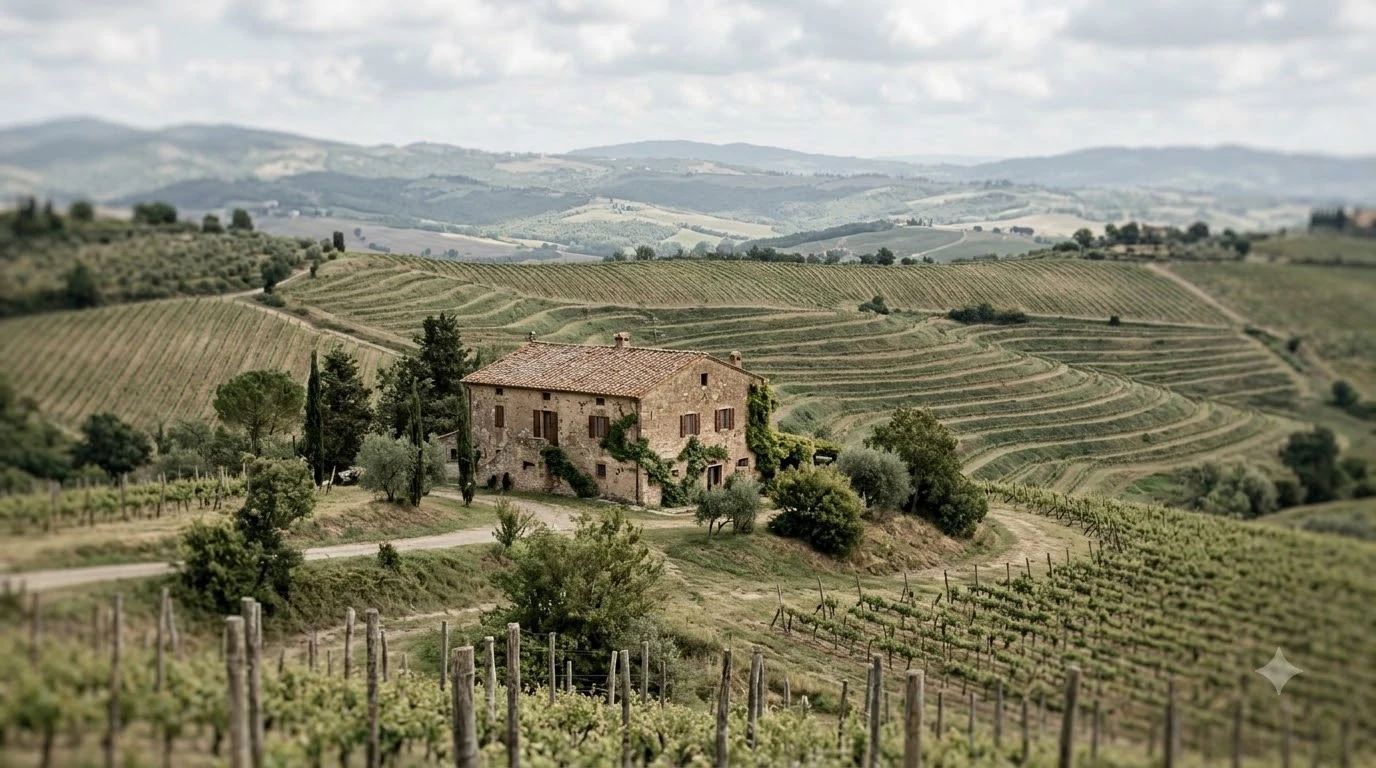
The yakima valley wine region in south-central Washington is one of the state’s most versatile places to find expressive Syrah, Cabernet Sauvignon, Merlot, Chardonnay, and Riesling. First designated in 1983, it combines warm, dry growing seasons with cool nights, low rainfall, and a wide mix of vineyard elevations. That range allows the same broad appellation to produce both fresh, high-acid whites and generous, structured reds.
Yakima Valley is a useful starting point for understanding Washington wine because it is both historic and varied. Its wines are not defined by one grape or one flavor profile: the best clues are the variety, the vineyard site, and the producer’s approach. The guide below explains how to read those clues, what styles to seek out, and how to enjoy the wines at the table.
Where the Yakima Valley AVA Fits in Washington
The Yakima Valley AVA is Washington’s oldest federally approved grape-growing region, designated in 1983 in the south-central part of the state. It sits inside the much larger Columbia Valley AVA, but its broad geography and mix of cool and warm sites give it a clear identity of its own.
The American Viticultural Area, or AVA, identifies a defined grape-growing place rather than a guarantee of a particular taste or quality level. According to the Washington State Wine Commission’s Yakima Valley AVA profile, the appellation covers 665,600 acres and accounts for almost one-third of Washington’s planted wine-grape acreage. Its scale matters: the foothills toward the Cascades, the valley floor, and the warmer Columbia Basin do not share identical growing conditions.
For a comparison with another established American region, the Alexander Valley wine region also offers a useful example of how a broad appellation can contain a range of vineyard conditions. Yakima Valley’s distinction, however, comes from its dry inland climate, long growing season, and especially varied combination of white and red grapes.
Climate, Rainfall, and the Growing Season
Yakima Valley’s climate is dry and continental, with warm summer days and cooler nights that help balance ripe fruit with natural acidity. The Washington State Wine Commission lists average annual precipitation at about 8 inches, making irrigation an essential part of commercial grape growing across much of the appellation.
The Cascade Range creates a rain-shadow effect by reducing the moisture that reaches south-central and eastern Washington. As a result, the growing season is generally sunny and dry, with far less summer rain than in western Washington. That pattern helps limit some forms of moisture-related vineyard pressure, but it also means growers must manage water carefully rather than rely on regular rainfall.
Day-to-night temperature shifts are another important feature. Washington State Wine Commission describes daily swings across the broader Columbia Valley that can reach roughly 35 to 47 degrees Fahrenheit. Warm daytime conditions help grapes build ripe flavors, while cool nights slow the loss of acidity. The exact swing varies by site and weather, but this general rhythm helps explain why Yakima Valley wines can combine full fruit character with freshness.
The long season gives later-ripening Cabernet Sauvignon time to develop flavor and tannin, while cooler sites can retain the acidity that makes Riesling and Chardonnay appealing. Irrigation lets growers influence water availability, so vineyard management can help shape whether a site produces concentrated reds or brighter, aromatic whites.
Tip: When comparing two Yakima Valley bottles made from the same grape, look for vineyard or sub-AVA details on the label. A cooler foothill site may give a more savory, lively wine, while a warmer basin site can produce riper fruit and a fuller impression.
Soils, Elevation, and Vineyard Sites
The region’s soils reflect a combination of ancient volcanic bedrock, ice-age flood deposits, and windblown sediment. The mix of silt loam, gravel, basalt, and loess creates well-drained vineyard ground, while differences in slope and elevation contribute to variation from one site to another.
Much of eastern Washington’s vineyard geology was shaped by the Missoula Floods, a series of enormous events near the end of the last Ice Age, around 15,000 years ago. The floods moved sediment across the Columbia Basin and left deposits of silt, sand, and gravel. In many places, these materials sit above Columbia River basalt; later winds also redistributed fine particles as loess.
Elevation and slope add another layer. The Rattlesnake Hills AVA, for example, rises above much of the surrounding valley and includes silt-loam and loam soils, with Ellensburg Formation sedimentary deposits underlying about half of the appellation, according to the Washington State Wine Commission. Vineyard plantings are concentrated in suitable lower areas, while the larger elevation range influences local temperatures and frost patterns.
For wine drinkers, the practical lesson is that a valley-wide name does not tell the whole story. A cooler hillside vineyard may emphasize acidity, herbs, and red fruit; a warmer, lower site may show darker fruit and more weight. Both can be true to the region.
The Main Grapes and Wines to Know
Yakima Valley is notable for the breadth of its plantings, with Chardonnay, Riesling, Merlot, Cabernet Sauvignon, and Syrah among its leading varieties. Chardonnay and Riesling are especially important in cooler areas, while warmer sites support red grapes that need a longer, sunnier season to ripen fully.
Wine Enthusiast’s Washington wine overview identifies Chardonnay as the valley’s most planted variety, followed by Riesling and Merlot, with Cabernet Sauvignon and Syrah also prominent. Its regional overview notes that Yakima Syrah can range from blueberry and raspberry fruit to savory herb, smoked meat, and olive. That range makes Syrah a particularly useful grape for understanding how strongly site can shape aroma and texture within one AVA. The table summarizes the region’s scale and principal planting context; its acreage and rainfall figures are regional reference points, not measurements for every vineyard.
| Regional measure or grape | Yakima Valley reference | What it helps explain |
|---|---|---|
| AVA designation | 1983 | Washington’s first federally recognized wine-growing region |
| Total AVA area | 665,600 acres | A broad appellation with varied terrain and climates |
| Average annual precipitation | 8 inches | Irrigation is central to vineyard management |
| Wine-grape acreage | More than 17,000 acres | A major share of Washington’s vineyard base |
| Variety range | More than 43 varieties | Options extend well beyond the best-known grapes |
Chardonnay can be made in a range of styles, from crisp and restrained to rounder wines with some oak influence. Riesling is a strong choice for drinkers who like aromatic whites with bright acidity; sweetness levels vary, so a dry bottling and a slightly sweet bottling can suit different meals. Fans of Eden Valley wine may recognize a similar appeal in Riesling’s balance of perfume and acidity, even though the growing conditions and regional identities are distinct.
Merlot is often a softer entry to the valley’s reds, with medium tannin and ripe plum or cherry character. Cabernet Sauvignon tends to bring firmer tannin and more structure, while Syrah can combine dark or red fruit with pepper, herbs, olive, or savory meat notes depending on its site and winemaking. Some producers also work with varieties such as Viognier, Roussanne, Albariño, Marsanne, Carménère, and Cinsaut, giving curious drinkers a chance to move beyond the familiar labels.
Sub-AVAs and the Differences Between Their Wines
Yakima Valley contains several smaller appellations that help identify distinct vineyard areas within the larger region. Red Mountain, Snipes Mountain, Rattlesnake Hills, and Candy Mountain are among the named sub-appellations associated with the valley, while nearby Goose Gap is also part of the broader south-central Washington wine landscape.
Red Mountain is especially associated with Cabernet Sauvignon, Merlot, and Syrah. Its warm conditions, winds, southwest-facing slopes, and sandy loess soils help explain why its reds can be deeply colored and structured. Red Mountain is a relatively compact area, so the sub-AVA name gives a more specific indication of origin than the wider Yakima Valley designation.
Rattlesnake Hills is centered near Zillah and includes a broad range of elevations. The Washington State Wine Commission lists Merlot, Cabernet Sauvignon, Syrah, and Riesling among its leading varieties, and describes its elevation range as 850 to 3,085 feet, although vineyard plantings are concentrated lower down. The AVA’s higher terrain can reduce some spring and fall frost risks, and its soils include both silt loam and loam.
Snipes Mountain and Candy Mountain add further distinctions within this patchwork. A sub-AVA narrows the origin, but it does not by itself tell you whether a wine is light, full-bodied, oaked, or unoaked. The site’s Wine Regions resource explains how American and international designations work.
Food Pairings and Serving Yakima Valley Wines
The best food match depends on the grape and the wine’s structure, rather than the regional name alone. Yakima Valley’s bright whites work naturally with seafood and vegetables, while its Merlot, Cabernet Sauvignon, and Syrah suit richer dishes with enough protein and seasoning to meet their tannin and body.
For Chardonnay, try roast chicken, grilled halibut, creamy pasta, or a mushroom tart. A leaner, unoaked style can work especially well with simply prepared fish or shellfish, while a fuller, oak-influenced Chardonnay can stand up to butter, browned poultry skin, and richer sauces. Riesling’s acidity makes it a natural partner for dishes with citrus, ginger, or a touch of sweetness; a slightly sweet example can also balance moderate chili heat, although alcohol can make strong chili heat feel more intense.
Merlot is an easy match for roast pork, meatloaf, mushroom burgers, and tomato-based pasta. Cabernet Sauvignon has higher tannin, so it generally pairs well with grilled beef, lamb, or dishes that include salt and fat to soften its grip. Syrah’s medium-plus to high tannin and savory flavors suit grilled sausages, lamb shoulder, smoked mushrooms, and braised short ribs. Avoid pairing tannic red wine with oily fish, where the combination can taste metallic or harsh.
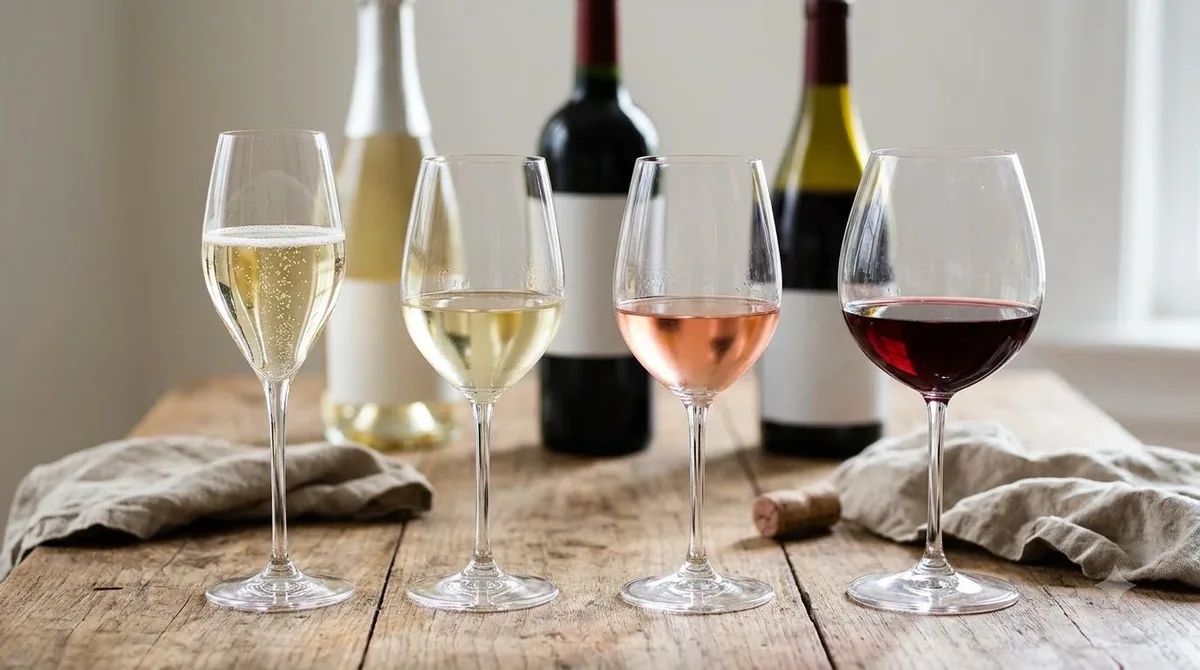
Serve the wines at temperatures that preserve their balance. Light whites and rosé are best around 45 to 50 degrees Fahrenheit, while fuller-bodied whites such as richer Chardonnay are better around 50 to 55 degrees. Light reds can be served slightly cool, around 55 to 60 degrees, and fuller reds such as Cabernet Sauvignon and Syrah show well around 60 to 65 degrees. A modest chill can make a ripe red feel fresher, especially in a warm room. A standard pour is about 5 ounces, so a 750-milliliter bottle provides roughly five glasses. Store bottles on their sides near 55 degrees Fahrenheit. Refrigerate opened still wines and aim to finish them within 3 to 5 days; young, full-bodied reds can benefit from 30 to 60 minutes in a decanter.
Planning a Yakima Valley Wine Visit
A visit is easiest to plan by choosing one cluster of wineries or a clear driving area rather than trying to cover the entire appellation in one day. Wine Yakima Valley’s winery directory groups tasting options around Yakima, Zillah, Sunnyside and Grandview, Prosser, and the Red Mountain area. The local association lists more than 80 wineries, including Gilbert Cellars and Wilridge Winery near Yakima, Dineen Vineyards and Two Mountain Winery in the Zillah area, and Airfield Estates and Thurston Wolfe Winery around Prosser; check opening days and tasting policies before setting out.
For a first trip, choose two or three appointments that offer contrasting styles. One stop focused on Riesling or Chardonnay can show how cooler sites preserve freshness; another with Syrah, Merlot, or Cabernet Sauvignon can demonstrate the region’s red-wine range. Ask whether the wines are made from estate fruit or sourced from another vineyard, and whether a specific bottling comes from a sub-AVA such as Rattlesnake Hills or Red Mountain.
Plan a designated driver, allow time between appointments, and bring water and a small snack. Tasting rooms are spread across rural roads and small towns, so driving distances can be longer than a map suggests. To understand the valley, taste the same grape from two different sites and compare acidity, fruit character, tannin, and finish. Visitors who enjoy comparing regions can also explore the Yadkin Valley wine region, another American wine area whose climate and grape-growing identity show how strongly place shapes wine style.
Frequently Asked Questions
These quick answers cover a few details that help put Yakima Valley’s history and sub-regions into perspective. They also point to useful specifics beyond the main grape and climate overview.
Who planted Washington’s first Syrah vines?
The first Washington Syrah plantings are credited to Mike Sauer and his family at Red Willow Vineyard in Yakima Valley in 1986. That early planting helped establish a foundation for a grape that later became a signature red variety across several Washington appellations.
Where does the name Yakima come from?
The Washington State Wine Commission says the valley takes its name from the Yakama Native American tribe. The Yakama Nation’s name and history are part of the place’s cultural context, which extends well beyond modern winegrowing.
How high does the Rattlesnake Hills AVA reach?
The Washington State Wine Commission gives an elevation range of 850 to 3,085 feet for the appellation. Vineyards occupy the lower portions rather than the full elevation range, so the highest point should not be mistaken for a typical vineyard altitude.
Is Yakima Valley a sub-region of Columbia Valley?
Yes. Yakima Valley is entirely within the larger Columbia Valley AVA, although it was federally designated first, in 1983, one year before Columbia Valley received its designation. That sequence is a useful reminder that AVA boundaries do not always follow a simple progression from largest to smallest.
How many grape varieties are grown in Yakima Valley?
Wine Yakima Valley reports more than 43 varieties in the area. The best-known grapes include Chardonnay, Riesling, Merlot, Cabernet Sauvignon, and Syrah, but the broader planting range also includes varieties such as Viognier, Roussanne, Marsanne, Albariño, Carménère, and Cinsaut.
Yakima Valley rewards drinkers who look beyond a single house style: its dry climate, contrasting vineyard sites, and broad mix of varieties create a distinctive range of Washington wines. Start with Riesling, Chardonnay, Syrah, or Cabernet Sauvignon, then use the vineyard and sub-AVA details to discover which expressions best fit your palate.
More in Wine Regions
 Willcox Wine Trail: Discover Arizona’s High-Elevation Wine CountryUpdated Nov 20, 2026
 Vosne Romanee Wine Tasting: Identify Aromas and Choose Better PairingsUpdated Nov 20, 2026
 Yakima Valley Wine Festival: Find the Best Seasonal Wine EventsUpdated Nov 20, 2026
 Wales Vineyards: Discover Cool-Climate Wines and Where to VisitUpdated Nov 20, 2026
 Yountville Wine Festival: Discover Napa Wines and Local FoodUpdated Nov 20, 2026
 Wales Wine: Discover the Grapes, Styles, and VineyardsUpdated Nov 20, 2026