

We may earn a commission when you buy through links on this page, at no extra cost to you. Learn more.
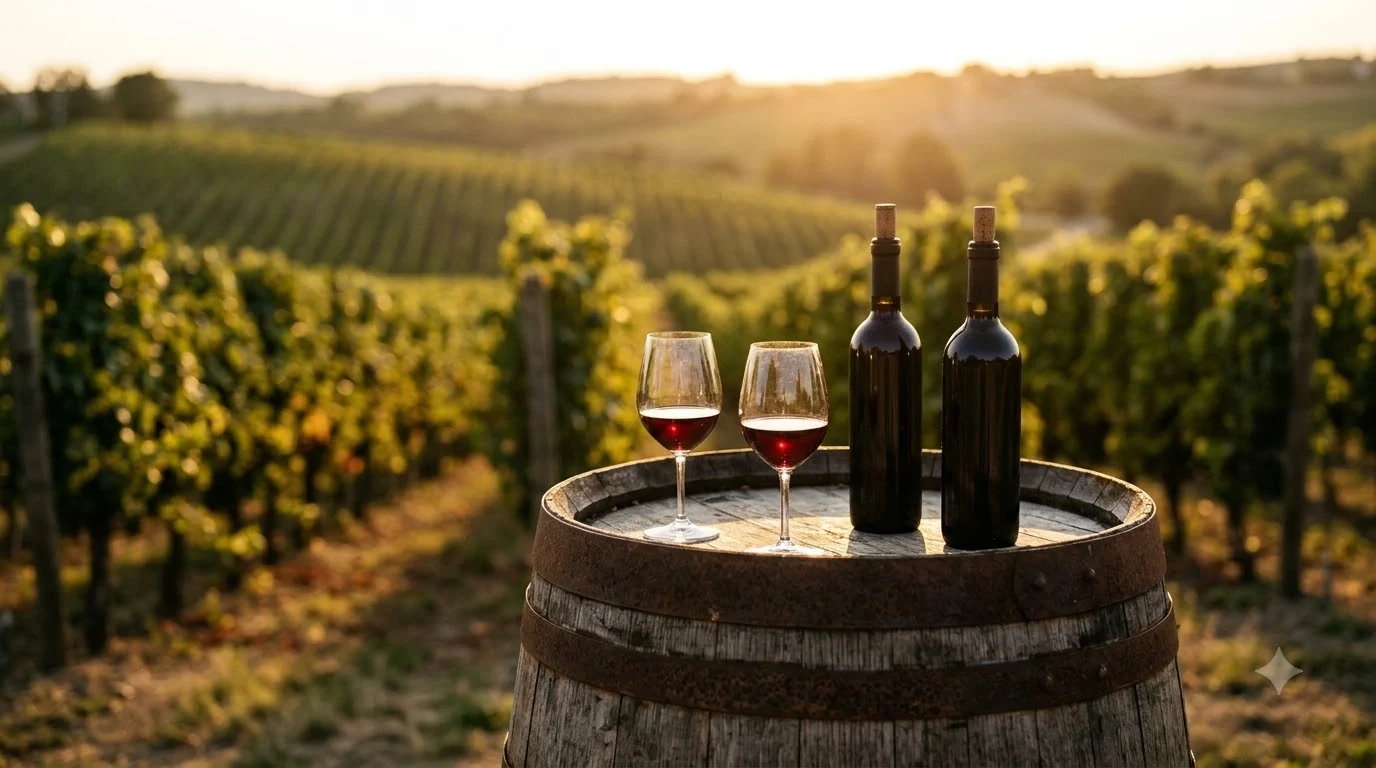
Vermont wine country is a distinctive northern wine destination known for cold-hardy grape varieties, scenic Lake Champlain vineyards, locally produced fruit wines, and welcoming winery tasting rooms. Rather than relying primarily on familiar European grapes, Vermont winemakers work with varieties such as Marquette, Frontenac, and La Crescent that can withstand harsh winters. Visitors can explore vineyards around the Champlain Islands, Shelburne, and the Champlain Valley while discovering a wine culture closely connected to local agriculture.
Vermont offers a different kind of American wine experience. Its short growing season, cold winters, agricultural traditions, and independent producers have encouraged an approach that emphasizes regional grapes and locally available ingredients. A visit can include dry red wines, aromatic whites, sparkling selections, ice wine, hard cider, and fruit-based specialties. Whether planning a weekend around Burlington or exploring smaller rural communities, understanding the state’s grape varieties and geography makes it easier to choose worthwhile stops.
What Makes Vermont Wine Country Different
Vermont’s wine identity is built around adaptation to a northern climate rather than imitation of warmer wine regions. Cold-hardy grapes, mixed agricultural production, and independent winemakers give the state a character that visitors will not find in more established American wine destinations.
Winter temperatures are one of the biggest influences on Vermont viticulture. Many familiar European wine grapes struggle to survive the state’s cold conditions, particularly in exposed vineyards and areas with severe winter freezes. The Vermont Grape & Wine Council explains that regional producers instead work with varieties descended from native American grapes, European wine grapes, and other hybrids. These crosses combine characteristics that help vines withstand difficult growing conditions while producing fruit suitable for winemaking.
Modern grape breeding has played an important role in this development. Programs associated with the University of Minnesota and Cornell have helped introduce varieties suited to northern vineyards. According to the Vermont Grape & Wine Council, some cold-hardy varieties can tolerate winter temperatures of -25°F, -35°F, or even -40°F. That hardiness has opened opportunities for vineyards in places where conventional wine grapes would be unreliable.
The difference is also apparent in the grapes found on winery tasting lists. Frontenac, Marquette, St. Croix, La Crescent, and Traminette are more representative of Vermont’s regional wine identity than Cabernet Sauvignon or Chardonnay. The Vermont Grape & Wine Council explains that the state’s climate is generally too cold for reliable cultivation of familiar European varieties such as Cabernet Sauvignon, Chardonnay, and Pinot Noir. Visitors should therefore approach Vermont wines as their own category rather than expecting every tasting room to resemble a California or French wine estate.
Vermont’s wine industry is closely connected to its broader farming economy. Apple orchards, berry farms, maple producers, and beekeepers contribute ingredients and traditions that extend beyond conventional grape wine. Consequently, a winery visit may include cider, mead, and fruit wines alongside bottles made from vineyard-grown grapes.
The industry remains small compared with California or New York, but that is part of its appeal. The Vermont Grape & Wine Council identifies more than a dozen registered wineries and numerous vineyards across the state. Independent producers experiment with varieties, fermentation methods, and blends that reflect local conditions. Visitors can learn more about this regional identity through the Vermont Grape & Wine Council’s overview of cold-climate grape varieties.
Where Vermont Vineyards and Wineries Are Located
Vermont’s wineries are spread across several rural areas rather than concentrated in one compact vineyard district. The Lake Champlain shoreline and Champlain Valley are especially useful starting points, while other producers operate around central Vermont and the Northeast Kingdom.
The Champlain Islands are among the most recognizable vineyard destinations. South Hero and Grand Isle benefit from the moderating influence of Lake Champlain, which can help create conditions suitable for grape growing. Snow Farm Vineyard & Distillery, located in South Hero, is a particularly useful example. Its approximately 13 acres of French hybrid and cold-hardy American grape varieties demonstrate how growers use local geography to cultivate vines that might struggle elsewhere in the Northeast.
Further south, the Champlain Valley includes communities such as Shelburne and New Haven. Shelburne Vineyard offers an opportunity to explore Vermont wines in a setting close to Burlington, while Lincoln Peak Vineyard is located in New Haven. These locations are useful additions to an itinerary that combines wine tasting with visits to farms, local food producers, and lakeside communities.
Central and eastern Vermont offer a different atmosphere. Montpelier, Brandon, and St. Johnsbury are among the communities associated with the state’s broader wine and agricultural scene. Producers in these areas provide opportunities to discover wines outside the better-known Champlain Islands corridor. The state’s geography means that driving distances can be substantial, so visitors should plan around a small group of nearby destinations rather than attempting to visit every winery in one day.
The Vermont Grape & Wine Council’s membership listings provide a practical starting point for identifying participating producers. Its winery information includes businesses in different parts of the state, allowing travelers to compare tasting locations before choosing a route. A useful approach is to select one geographic area, identify two or three nearby tasting stops, and leave time for local restaurants or outdoor activities.
The Champlain Islands are especially convenient for travelers staying in Burlington. A day trip can include a vineyard tasting, a drive through South Hero, and time near the lake. Visitors with longer itineraries can continue toward Shelburne and New Haven or dedicate another day to producers in central Vermont.
Grape Varieties and Wines to Look For
Cold-hardy grapes are the foundation of Vermont’s distinctive wine selection. Marquette, Frontenac, St. Croix, La Crescent, and Frontenac Blanc are particularly useful names to recognize because they illustrate the range of red and white wines produced in northern growing conditions.
Red grapes: Frontenac, Marquette, and St. Croix
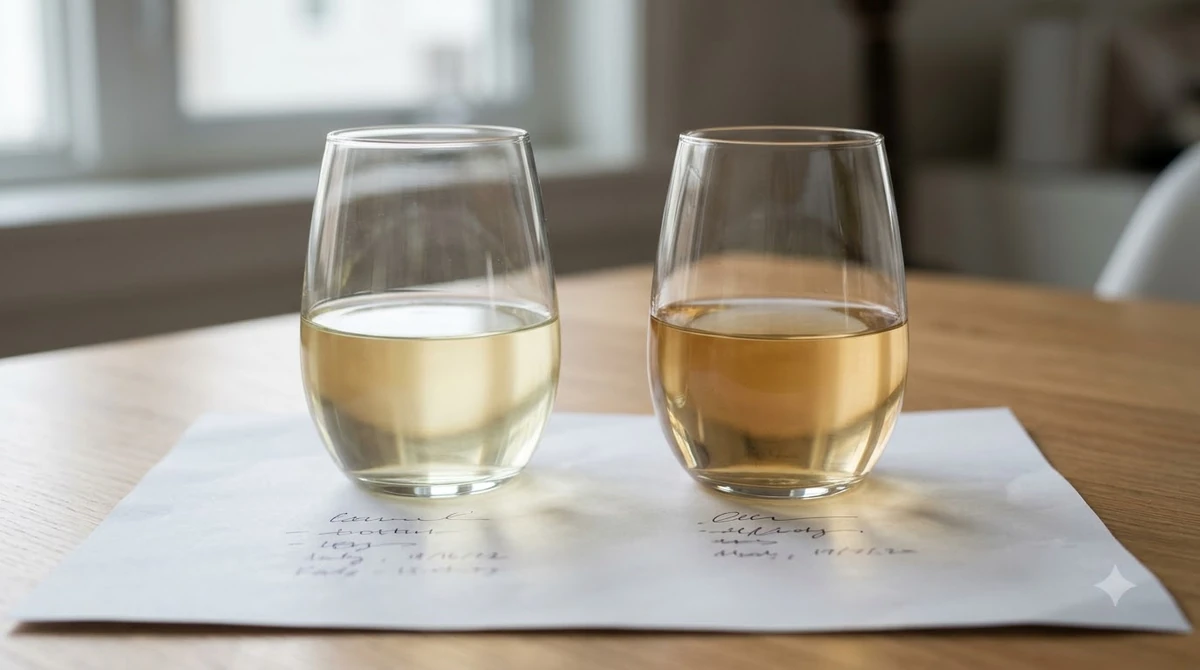
Frontenac is one of the best-known northern red varieties. According to the Vermont Grape & Wine Council, the vine can survive temperatures as low as -30°F. Its wines commonly show cherry, berry, and plum aromas, often with a deep garnet appearance. Depending on the producer’s winemaking choices, Frontenac can be made into approachable fruit-forward wine or a more structured bottle intended to accompany a meal.
Marquette is another important red grape. It was developed for cold-climate viticulture and can produce wines with more structure and tannin than many other northern reds. Cherry, berry, black pepper, and spice are characteristic flavor references. Visitors who enjoy medium-bodied red wines with savory elements should pay particular attention to Marquette.
St. Croix offers a different expression. Its wines are generally associated with approachable berry fruit and a softer drinking style. It can be a useful introduction for visitors who are unfamiliar with hybrid grapes or who prefer reds that do not emphasize heavy tannin.
White grapes: La Crescent, Traminette, and Frontenac Blanc
La Crescent is a standout white variety developed in Minnesota. It is known for apricot and other stone-fruit aromas, vibrant flavor, and balanced acidity. Producers can make it in different sweetness styles, so it is worth comparing dry and sweeter examples rather than assuming every bottle tastes the same. Some examples can resemble aromatic European whites, making the grape an appealing discovery for Riesling drinkers.
Traminette is a Cornell-developed hybrid related to Gewürztraminer. Its aromatic character and spicy notes make it a good choice for people who enjoy expressive white wines. Frontenac Blanc, meanwhile, is a white mutation of Frontenac Noir. It can show citrus and pineapple characteristics, along with fresh acidity and notable texture.
Other varieties are appearing in Vermont vineyards as growers continue experimenting with northern grape breeding. Verona, Petite Pearl, and Itasca are among the newer names identified by the Vermont Grape & Wine Council. Historic varieties such as Leon Millot and Marechal Foch also remain part of the regional conversation.
| Grape or style | Typical character | Suggested food match |
|---|---|---|
| Frontenac | Cherry, berry, plum | Grilled pork, burgers, aged cheddar |
| Marquette | Cherry, spice, black pepper | Roast beef, lamb, mushroom dishes |
| St. Croix | Soft berry fruit | Roast chicken, charcuterie, mild cheeses |
| La Crescent | Apricot, stone fruit, acidity | Roasted chicken, pork, spicy Asian dishes |
| Traminette | Aromatic, floral, spicy | Thai food, ginger dishes, aromatic cheeses |
| Frontenac Blanc | Citrus, pineapple, fresh acidity | Freshwater fish, salads, goat cheese |
| Ice wine | Concentrated sweetness and acidity | Fruit desserts, blue cheese |
These varieties give visitors a useful framework for understanding tasting room selections. Comparing two northern reds can reveal differences in tannin and fruit expression, while tasting La Crescent beside Traminette highlights the diversity of Vermont white wines. Asking the winemaker or tasting room staff about the grape varieties and fermentation approach can make a flight more informative.
Vermont Wineries Worth Including on a Visit
A rewarding Vermont wine itinerary should include producers with different approaches to grapes, tasting experiences, and local agriculture. Snow Farm, Shelburne Vineyard, and Lincoln Peak are useful starting points for understanding the state’s wine scene.
Snow Farm Vineyard & Distillery in South Hero is an especially appealing stop for visitors staying near Burlington. The property combines a vineyard, tasting room, and distillery experience on the shores of Lake Champlain. Its roughly 13-acre vineyard grows French hybrid and cold-hardy American grapes. Visitors can sample different wine styles and enjoy views of the surrounding lake and mountains.
The Snow Farm tasting experience offers flights of four or eight wines selected from white, red, and semi-sweet options. Visitors can also purchase wine by the glass or bottle. Light snacks include Vermont cheeses, meats, and crackers, making the tasting room a convenient place to experience local food alongside regional wine. The property also permits self-guided walks through the vineyard while its tasting room is open.
Shelburne Vineyard is another important name to recognize. Located in Shelburne, it has helped establish the identity of Vermont’s cold-climate wine industry. Its wines emphasize regional growing conditions, and its tasting room provides an opportunity to explore the characteristics of northern grape varieties. Seasonal activities can add another dimension to a visit, particularly during the warmer months.
Lincoln Peak Vineyard in New Haven offers another destination in the Champlain Valley. Visitors interested in comparing producers can use a stop here to explore how different winemakers approach northern red and white grapes. The surrounding agricultural landscape also makes it a natural addition to a day spent exploring the Champlain Valley.
Other Vermont producers are worth researching when planning a longer trip. Boyden Valley Winery, Charlotte Village Winery, and Fresh Tracks Farm represent additional names associated with the state’s wine scene. Their locations and tasting arrangements differ, so travelers should organize visits according to the current opening schedules rather than assuming every winery operates like a conventional daily tasting room.
For a broader introduction, look for events organized through the Vermont Grape & Wine Council. Its annual Vinous Rebellious wine fair celebrates local growers and winemakers. Such events provide an opportunity to discover multiple producers in one setting and compare regional varieties without driving between distant vineyards.
Tip: Confirm tasting room schedules before driving to a rural vineyard. Some Vermont wineries maintain regular hours, while others operate by appointment, seasonal schedule, pop-up tasting, or special event. Snow Farm welcomes walk-ins during regular hours, but groups of six or more should call ahead.
Fruit Wines, Cider, Mead, and Ice Wine
Vermont’s wine culture extends beyond traditional grape varieties. Apples, berries, pears, honey, and other agricultural products support a broad selection of fermented beverages that make the state particularly interesting for visitors who enjoy exploring local specialties.
Apple-based beverages are an important part of the state’s agricultural identity. Hard cider is made through the fermentation of apple juice, while ice cider uses winter cold to concentrate apple juice before fermentation. This concentration creates a richer, sweeter beverage that can be served with dessert or paired with savory foods such as blue cheese.
Fruit wines offer another expression of local agriculture. Vermont producers work with raspberries, blueberries, cranberries, pears, apples, and rhubarb. These wines range from dry styles suitable for meals to sweeter bottles that work better as dessert companions. Their flavor profiles depend heavily on the fruit used and the producer’s fermentation choices.
Mead is produced by fermenting honey with water, sometimes with additional fruit or botanical ingredients. Vermont’s beekeeping industry provides a natural foundation for this beverage. Traditional mead can be dry or sweet, while fruit-infused versions may show additional berry or orchard-fruit characteristics.
Ice wine is a separate specialty made from grapes that freeze naturally on the vine. The frozen grapes produce concentrated juice with intense sweetness and acidity. Vermont’s cold winters can create the conditions needed for this style, although successful production depends on suitable weather and vineyard conditions. Ice wine is not made every year by every producer, making it a distinctive bottle to seek out when available.
These beverages broaden the tasting experience beyond standard red and white wine. Visitors who usually prefer dry grape wines can use a tasting flight to compare the acidity of a fruit wine with the concentrated sweetness of ice cider or ice wine. A producer’s selection may also include spirits, maple products, and other farm-made specialties.
WineAmerica’s overview of Vermont’s industry highlights the importance of cold-hardy Minnesota grape varieties and the state’s fruit-growing and beekeeping traditions. It also identifies ice wine as a specialty that depends on cooperative winter conditions. These agricultural connections help explain why Vermont tasting rooms can offer such a varied selection.
Planning a Vermont Wine Country Trip
The best Vermont wine trip begins with a realistic route and enough time to enjoy each stop. Burlington is a convenient base for exploring the Champlain Islands and nearby vineyards, while longer trips can include central and eastern Vermont producers.
Summer and early fall are attractive seasons for vineyard visits because outdoor seating, farm activities, and scenic drives are major parts of the experience. June through September can be particularly enjoyable around Lake Champlain. Fall brings colorful foliage and harvest activity, although popular accommodations and attractions can become busier during peak foliage periods.
For a short trip, consider building a day around South Hero and the nearby Champlain Islands. Snow Farm is approximately 30 minutes north of Burlington, making it practical for travelers staying in the city. A visit can include a tasting flight, a walk through the vineyard, a picnic, and time to explore the shoreline. Summer Thursday concerts at Snow Farm, held from June through early September, provide another reason to plan an evening visit.
A second itinerary could focus on Shelburne and New Haven. These communities allow visitors to explore different Champlain Valley producers without attempting to cover the entire state. Travelers with more time can add stops around Brandon, Montpelier, or the Northeast Kingdom.
Transportation deserves attention. Winery visits should be organized around a designated driver or another safe transportation arrangement. Rural roads can take longer to travel than their distances suggest, particularly during winter weather or peak foliage traffic. Scheduling two or three wineries in one day is generally more practical than trying to fit in five or six widely separated stops.
Visitors should also plan around tasting room policies. Some wineries welcome walk-ins, while others require appointments or operate only during selected events. Check opening hours, group policies, food availability, and outdoor seating before leaving. A winery that is open for a seasonal festival may have a different schedule from its regular tasting room operation.
Snow Farm provides a useful example of how to plan a tasting visit. Its published visitor information describes four-wine and eight-wine flights, outdoor and indoor seating, and self-guided vineyard walks. The vineyard is at 190 West Shore Road in South Hero, and the property welcomes walk-in visitors during regular tasting room hours. Its visitor and tasting information is a practical place to confirm the details before setting out.
For travelers comparing other American wine destinations, the contrast can be interesting. Yadkin Valley wine country offers a warmer southeastern growing environment, while Pennsylvania wine country provides another example of the diversity found in eastern American vineyards. Vermont’s cold-climate varieties make its own approach especially distinctive.
Food Pairings and Serving Vermont Wines
Vermont wines pair naturally with the state’s local food traditions. Cheese, orchard fruit, pork, freshwater fish, roasted vegetables, and maple-inspired dishes offer useful starting points for building a meal around regional bottles.
Marquette and Frontenac are good candidates for richer dishes. Marquette’s structure and spice can work with grilled beef, roast lamb, and mushrooms, while Frontenac’s cherry and plum character can complement pork, burgers, and aged cheddar. Salt and fat soften tannin, which helps explain why structured reds can work particularly well with rich meats and savory cheeses.
St. Croix is a useful choice for lighter meals and casual gatherings. Its berry character can accompany roasted chicken, charcuterie, and mild cheeses without overpowering delicate flavors. Serve lighter reds around 55–60°F rather than at a warm room temperature. This range can help preserve freshness and make the fruit characteristics more noticeable.
White wines such as La Crescent and Frontenac Blanc are well suited to lighter dishes. Their acidity can complement goat cheese, salads, poultry, and freshwater fish. Traminette’s aromatic character makes it a particularly interesting match for ginger, herbs, and spicy Asian dishes. When pairing wine with acidic food, choose a wine with equal or higher acidity so that it does not taste flat alongside the meal.
Sweet wines require a different approach. Ice wine and ice cider can accompany fruit desserts, pastries, and blue cheese. The wine should be at least as sweet as the dessert; otherwise, the dessert can make the wine seem less flavorful and more acidic. A small serving is usually sufficient because these wines are concentrated in flavor.
Serving temperature also affects the experience. Light whites and rosé generally show well around 45–50°F, while fuller whites are better around 50–55°F. Light reds benefit from 55–60°F, and fuller reds from 60–65°F. Sweet whites are typically served around 43–50°F.
For a meal featuring Vermont cheeses, roasted vegetables, and local meats, a simple tasting progression works well: begin with an aromatic white, move to a fuller white, and finish with a red such as Marquette. Save the sweetest fruit wine or ice wine for the end of the meal.
Visitors can also use Vermont wines to explore regional food traditions. A dry La Crescent with roasted chicken, Marquette with grilled beef, or Frontenac with aged cheddar creates a straightforward progression through the state’s grape styles. For a more casual meal, a berry-forward St. Croix alongside local charcuterie is an approachable combination.
Frequently Asked Questions
Does Vermont have an official wine appellation?
Vermont does not have a single statewide American Viticultural Area designation covering its wine industry. Individual vineyards work with their own local growing conditions, and producers may identify specific communities or vineyard locations on their labels. The state’s wine identity is therefore better understood through its producers and cold-climate grape varieties than through one broad appellation name.
Are Vermont hybrid wine grapes genetically modified?
No. Hybrid grapes are produced through conventional plant breeding, not genetic modification. The Vermont Grape & Wine Council explains that these varieties result from crosses involving different grape species and breeding lines. Their development combines desirable characteristics such as winter hardiness, disease resistance, and winemaking potential.
Can Vermont wine improve with bottle aging?
Some Vermont wines can develop interesting characteristics with age. The Vermont Grape & Wine Council has highlighted the ability of certain regional wines to evolve over time. Marquette’s structure and acidity can make selected examples candidates for aging, although the ideal drinking window depends on the producer, vintage, and winemaking approach.
Can visitors purchase Vermont wine outside the wineries?
Yes. Vermont wines are available through some local wine shops and restaurants, in addition to winery tasting rooms. Snow Farm also offers selected wines through its online shop and wine club. Visitors interested in finding a particular regional grape can ask a local retailer or restaurant about bottles from Vermont producers.
What is Vinous Rebellious in Vermont?
Vinous Rebellious is an annual Vermont wine fair identified by the Vermont Grape & Wine Council. It celebrates local growers, producers, and the development of the state’s northern wine identity. The event offers visitors an opportunity to discover different wineries and learn about the grape varieties that make Vermont’s wine industry distinctive.
Vermont wine country rewards visitors who appreciate regional character, independent producers, and wines shaped by challenging growing conditions. From Marquette and La Crescent to ice cider and fruit wine, the state offers plenty of distinctive bottles to discover. Plan a route around Lake Champlain or explore producers farther inland, and leave time to enjoy the farms, food, and landscapes that make Vermont’s wine culture unique.
More in Wine Regions
 Willcox Wine Trail: Discover Arizona’s High-Elevation Wine CountryUpdated Nov 20, 2026
 Yakima Valley Wine Region: Find the Best Styles to TryUpdated Nov 20, 2026
 Vosne Romanee Wine Tasting: Identify Aromas and Choose Better PairingsUpdated Nov 20, 2026
 Yakima Valley Wine Festival: Find the Best Seasonal Wine EventsUpdated Nov 20, 2026
 Wales Vineyards: Discover Cool-Climate Wines and Where to VisitUpdated Nov 20, 2026
 Yountville Wine Festival: Discover Napa Wines and Local FoodUpdated Nov 20, 2026