

We may earn a commission when you buy through links on this page, at no extra cost to you. Learn more.
The sonoita wine region is a high-elevation wine-growing area in southeastern Arizona, known for distinctive Syrah, Viognier, Roussanne, and other wines shaped by desert sunshine, cool nights, and mountain grasslands. Officially designated as the Sonoita American Viticultural Area (AVA) in 1984, it was Arizona’s first federally recognized wine region. Its vineyards sit primarily between 4,500 and 5,500 feet above sea level, where challenging weather, varied soils, and a relatively small community of producers create an individual style of Arizona wine. Visitors can explore wineries around Sonoita and Elgin, while wine drinkers elsewhere can discover bottles that offer an alternative to more familiar American wine regions.
Arizona might be better known for its desert landscapes, towering saguaro cacti, and dramatic mountain scenery than for wine. Yet southeastern Arizona has developed a distinctive wine culture, supported by growers who recognize the potential of its high-altitude valleys. Sonoita is an especially interesting place to understand how geography influences wine. Its vineyards experience intense sunshine, considerable temperature changes, seasonal monsoon rainfall, and occasional frost. These conditions create both opportunities and difficulties for grape growers, encouraging producers to work with varieties suited to the local environment rather than simply copying established wine regions elsewhere.
Where the Sonoita AVA Is Located and Why Its Geography Matters
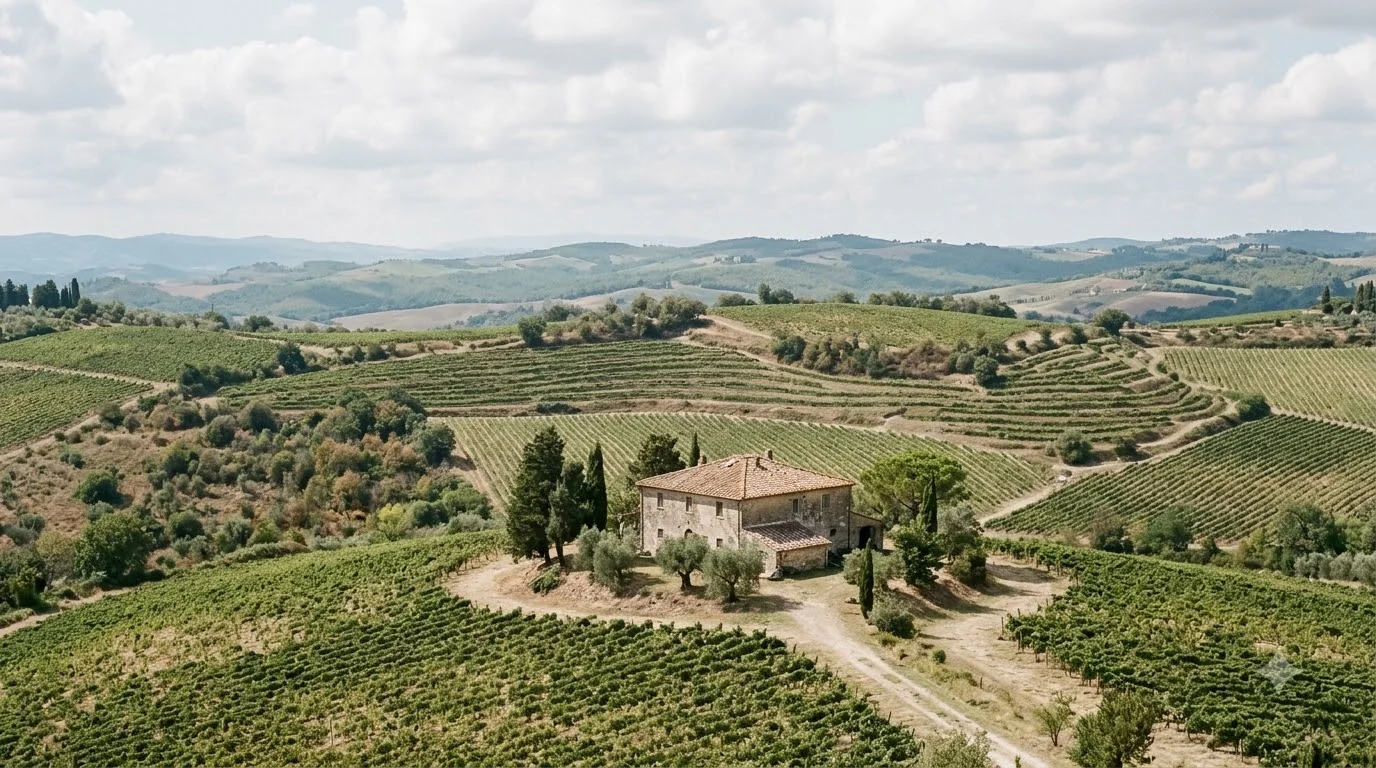
The Sonoita AVA occupies approximately 319 square miles in southeastern Arizona, between several mountain ranges and around the communities of Sonoita and Elgin. Its elevation, open grasslands, and varied terrain distinguish it from the state’s lower desert landscapes and provide the foundation for its wine-growing identity.
The designated region extends across portions of Cochise, Pima, and Santa Cruz counties. The Santa Rita, Huachuca, and Whetstone Mountains help define the surrounding landscape, while the Mustang Mountains are another important geographic feature of the broader wine country. The terrain includes rolling grasslands, rocky slopes, and broad valleys rather than the continuous vineyard-covered hills associated with some European wine destinations.
Most vineyards in the area occupy elevations between approximately 4,500 and 5,500 feet. This is a significant factor in the growing environment. Elevation influences temperature, sunlight exposure, rainfall patterns, and the movement of cool air across vineyard sites. The region can experience warm, sunny afternoons followed by much cooler evenings, creating a substantial daily temperature difference.
Wine production is concentrated around Sonoita and Elgin, with Highway 82 providing a useful route between several vineyards and tasting destinations. The area is less than an hour south of Tucson by road, making it accessible for visitors interested in a wine-country excursion without committing to a long journey from the city.
The AVA’s geography also matters legally. An American Viticultural Area identifies a recognized grape-growing region with particular geographic characteristics. According to the Arizona Wine Growers Association, wine carrying the Sonoita AVA designation must contain at least 85% grapes grown within that appellation and must be fully finished within Arizona.
This distinction is useful when comparing Arizona wines. A bottle carrying the Sonoita designation identifies a meaningful connection to the region rather than simply indicating that the wine was made somewhere in the state. For a broader explanation of American appellations and international wine-growing areas, the Wine Regions resource provides useful background.
Climate, Elevation, and the Challenges of Growing Grapes
Sonoita’s high-desert climate combines intense sunlight, warm growing-season afternoons, cool nights, and seasonal storms. These conditions can support quality grape production, but they also require growers to pay close attention to frost, wind, rainfall, and harvest timing.

The University of Arizona’s climate research provides a useful picture of the area’s growing conditions. Much of the AVA has an average growing-season temperature between 66°F and 70°F, calculated across the period from April 1 through October 31. Some western and eastern sections are warmer, with averages between 70°F and 75°F. The university’s Sonoita AVA climate and soil research provides additional detail about the region’s temperature patterns, heat accumulation, and geological characteristics.
These figures help explain why Sonoita can support a selection of grape varieties associated with different European wine traditions. It has sufficient seasonal warmth for several red varieties while retaining cooler conditions in many locations that can benefit aromatic whites and other grapes requiring a more moderate growing environment.
Another useful measurement is the Winkler Index, which estimates accumulated growing-season heat. The central part of the AVA has values between 1,944 and 2,222, while many western and eastern sections fall between 2,222 and 2,700. This variation means that two vineyards within the same appellation may experience meaningfully different ripening conditions.
High elevation also brings significant challenges. Spring frost can damage developing buds, while strong winds may affect vine growth and fruit development. The first fall freeze is another concern because it can arrive before growers have completed their harvest. The timing of frost varies by vineyard location and elevation, making site selection and vineyard management especially important.
Summer monsoons introduce another complication. Heavy rainfall and occasional hail can arrive during the growing season, increasing the importance of canopy management, drainage, and vineyard maintenance. According to the Arizona Wine Growers Association, annual rainfall in the Sonoita area averages approximately 15–20 inches, with much of it concentrated during the monsoon season.
Tip: When comparing Sonoita wines, consider the grape variety and producer before assuming that every bottle shares the same style. Differences in vineyard elevation, exposure, harvest conditions, and winemaking decisions can produce noticeable variation within this relatively compact appellation.
Soils and Vineyard Conditions Behind Sonoita Wines
Sonoita’s soils are geologically varied, with gravelly loam, sandstone, conglomerate, limestone, and other rocky materials contributing to different vineyard conditions. Drainage, water retention, and soil composition influence how vines develop and how growers manage their vineyards.
The broader region has a complicated geological history. University of Arizona research identifies sandstone and conglomerate as widespread rock materials in several parts of the AVA. Limestone occurs in southwestern and northeastern sections, while granite, quartzite, schist, gneiss, and volcanic materials also appear in parts of the region.
These materials do not automatically create a particular flavor in wine. Instead, soil texture and structure influence water movement, root development, nutrient availability, and vine growth. A vineyard with relatively well-drained soil may require a different irrigation approach from one with greater water-retention capacity.
Much of the Sonoita AVA has well-drained soils, although conditions vary between individual locations. Fine sandy loam and sandy clay soils occur in some areas, while other sites contain more gravelly or rocky material. Growers must consider these differences when choosing vineyard locations and grape varieties.
Water management is especially important in an environment where annual rainfall is limited compared with many established wine regions. Although monsoon storms can deliver substantial precipitation, rainfall does not necessarily arrive when vines need it most. Irrigation, water harvesting, and soil conservation can therefore play important roles in vineyard management.
The landscape also influences the practical arrangement of vineyards. Slopes can help cold air drain away from vines, although steep terrain may complicate equipment use and increase erosion risks. The direction a slope faces influences sunlight exposure, which can affect ripening rates and fruit temperatures.
For wine drinkers, the practical lesson is that Sonoita should not be treated as a single uniform growing site. Two wines from the same grape variety may differ because their fruit came from different vineyard locations. Producer decisions about picking dates, fermentation, aging, and blending add further variation.
Important Grape Varieties and Wine Styles
Sonoita producers grow a broad selection of international grape varieties, with Syrah, Malvasia, Roussanne, and Viognier among the most prominent plantings identified by Wine Enthusiast. Cabernet Sauvignon, Merlot, Sauvignon Blanc, Chardonnay, and several Mediterranean varieties also contribute to the region’s developing identity.
Syrah is an important red grape to explore. Depending on vineyard conditions and winemaking choices, it can produce wines with dark berry fruit, peppery aromas, savory notes, and substantial structure. Sonoita’s warm sunshine can help ripen this variety, while cooler nighttime temperatures provide a different growing environment from consistently hot desert locations.
Malvasia, Roussanne, and Viognier provide interesting white-wine alternatives. Viognier is known for its expressive aromas, which can include peach, apricot, citrus blossom, and floral notes. Roussanne often produces fuller-bodied wines with stone-fruit, herbal, and sometimes honeyed characteristics. Malvasia is a diverse grape family, so the exact style depends on the variety and the producer’s approach.
Other Mediterranean varieties are also worth investigating. Grenache, Vermentino, Montepulciano, and Sangiovese reflect the interest of local growers in grapes that can perform in warm, sunny conditions. These varieties offer different combinations of fruit character, acidity, tannin, and body.
Traditional international varieties remain part of the picture. Cabernet Sauvignon can provide structured red wines with firm tannins, while Merlot generally offers a softer texture and medium tannin. Pinot Noir is also grown by some producers, although it is a challenging variety that requires suitable vineyard conditions and careful handling.
Here is a practical overview of the grapes worth recognizing when exploring the region:
| Grape variety | Wine style | Typical characteristics |
|---|---|---|
| Syrah | Red | Dark berries, pepper, savory notes, medium-plus to high tannin |
| Grenache | Red | Red berries, spice, medium body, moderate tannin |
| Cabernet Sauvignon | Red | Blackcurrant, dark fruit, firm tannins |
| Merlot | Red | Plum, cherry, softer texture, medium tannin |
| Viognier | White | Peach, apricot, floral aromas, fuller body |
| Roussanne | White | Stone fruit, herbs, fuller texture |
| Malvasia | White | Floral aromas, citrus, stone fruit, depending on the variety |
| Vermentino | White | Citrus, orchard fruit, herbal notes, refreshing acidity |
| Sauvignon Blanc | White | Citrus, green fruit, herbal aromas, high acidity |
| Chardonnay | White | Apple, citrus, stone fruit, medium acidity |
These descriptions are general grape characteristics rather than guaranteed tasting notes for every Sonoita bottle. Ripeness, fermentation temperature, oak treatment, malolactic fermentation, and blending can change the final result considerably.
One especially interesting aspect of the region is its willingness to experiment. Wine Enthusiast’s regional overview of Sonoita and its winemakers reports that Los Milics Vineyards grows more than a dozen varieties, including Petit Verdot, Vermentino, and Montepulciano. Petit Manseng is another variety discussed in the publication because of its ability to withstand some of the challenges associated with local monsoon conditions.
For drinkers who already enjoy wines from alpine or cooler-climate regions, comparing Sonoita with the Savoie wine region can be an interesting exercise. Both provide opportunities to consider how elevation, geography, and grape selection influence wine, although their climates and growing conditions are quite different.
Notable Wineries Around Sonoita and Elgin
The Sonoita wine trail is relatively compact, with several producers located around Sonoita and Elgin. Exploring different wineries provides a better understanding of the region than relying on a single bottle or grape variety.
Sonoita Vineyards is an important starting point for understanding Arizona’s commercial wine history. The winery began in 1974 and opened in 1983. Its vineyard sits at approximately 5,000 feet and includes more than 30 acres of vines. Its grape selection includes Cabernet Sauvignon, Merlot, Syrah, Petite Sirah, Chardonnay, Sauvignon Blanc, Pinot Noir, Sangiovese, Mission, Malbec, and Tannat.
The winery is particularly interesting because of its connection to the development of viticulture in the area. Its history demonstrates how early vineyard experiments helped establish confidence in the potential of southeastern Arizona. Its hillside vineyard also reflects the importance of selecting sites that offer some protection from strong winds and frost.
Callaghan Vineyards is another important name, located in Elgin. Its approach emphasizes relatively straightforward winemaking, with attention to barrel aging, lees contact, and limited racking. Its wines provide another perspective on how Arizona producers work with different grape varieties and vintage conditions.
Rune Wines offers a different approach. Visit Arizona describes it as an off-grid winery producing wines from varieties such as Viognier, Grenache, Roussanne, and Syrah. Its setting and winemaking philosophy reflect the experimental character of the local wine community.
Los Milics Vineyards is particularly interesting for visitors who want to explore less familiar grape varieties. Its vineyard includes varieties such as Vermentino, Petit Verdot, and Montepulciano. Its tasting-room architecture also provides a distinctive setting, with large windows framing views of the Mustang Mountains and surrounding grasslands.
Dos Cabezas WineWorks provides another useful example of Arizona’s diverse vineyard geography. Its fruit comes from Pronghorn Vineyard in Elgin and Cimarron Vineyard near Kansas Settlement in the Willcox area. The two growing locations illustrate how producers can work with fruit from different parts of southeastern Arizona to create wines with their own identity.
When planning a winery visit, it is sensible to prioritize a few destinations rather than attempting to visit every tasting room in one afternoon. Three or four stops provide enough time to compare grape varieties, ask about vineyard sourcing, and understand the winemaking choices behind individual bottles.
Planning a Sonoita Wine Country Visit
The Sonoita wine country is best explored at a relaxed pace, with Sonoita and Elgin serving as convenient starting points. Visitors can combine winery tastings with scenic drives, local food, and views of southeastern Arizona’s mountain grasslands.
From Tucson, the drive generally takes less than an hour, depending on the starting point and destination. Visitors arriving from Phoenix should allow approximately three hours for the journey. Highway 82 is particularly useful for reaching wineries between Sonoita and Elgin.
Spring and fall are attractive periods for a visit because temperatures are often more comfortable for spending time outdoors. Spring offers green landscapes and seasonal wildflowers, although late frost remains an important feature of the region’s agricultural climate. Fall brings a different atmosphere, with harvest activity depending on the grape variety, vineyard location, and growing-season conditions.
Summer can also be appealing, particularly for travelers escaping hotter conditions in lower desert areas. However, monsoon storms can develop quickly, and visitors should allow flexibility in their plans. Winter is quieter, and cooler temperatures make warm clothing useful for outdoor tastings.
For the best experience, contact wineries before traveling. Opening schedules, tasting availability, reservation requirements, and seasonal events can change. Some producers have limited tasting-room hours, while others offer a more structured visitor experience.
Food is another consideration. Local restaurants and winery tasting rooms can provide opportunities to pair Arizona wines with regional dishes. If a producer offers small plates, ask about pairings with the wines being poured rather than assuming that every red wine needs red meat or every white wine requires seafood.
Syrah can work well with grilled lamb, roasted vegetables, or seasoned beef. Grenache can complement grilled chicken, pork, and tomato-based dishes. Viognier often pairs nicely with aromatic poultry dishes, while Vermentino can be a natural companion for grilled vegetables and lighter seafood preparations.
Temperature matters too. Serve sparkling wines at approximately 40–50°F, light whites and rosé at 45–50°F, fuller-bodied whites at 50–55°F, and lighter reds at 55–60°F. Full-bodied reds generally show better at 60–65°F than at warm room temperature.
How to Choose, Serve, and Compare Sonoita Wines
The best way to explore Sonoita wines is to begin with the grape variety, then consider the producer and style. Because the region grows both international and Mediterranean varieties, a small selection of bottles can provide a useful introduction to its diversity.
For someone who prefers structured red wines, Syrah and Cabernet Sauvignon are sensible starting points. Syrah generally provides savory character and dark fruit, while Cabernet Sauvignon tends toward firmer tannins and blackcurrant flavors. Grenache offers a softer alternative, particularly for drinkers who enjoy red-fruit aromas and moderate tannin.
For white-wine drinkers, Viognier and Roussanne are worth seeking out. Viognier can offer generous stone-fruit aromas and a fuller texture, while Roussanne can combine ripe fruit with herbal and savory characteristics. Sauvignon Blanc is a useful alternative for those who prefer more pronounced acidity and citrus or green-fruit notes.
Food pairing should take acidity, tannin, sweetness, and alcohol into account. Wines with higher acidity work particularly well with acidic dishes, while salt and fat can soften the perception of tannin in structured reds. Avoid pairing heavily tannic red wines with oily fish, as the combination can create an unpleasant metallic impression.
Spicy food requires a little more care. Alcohol and tannin can intensify chili heat, so a softer wine with moderate alcohol and some fruit character may be more comfortable than a powerful Cabernet Sauvignon or Syrah. For sweet dishes, the wine should generally be at least as sweet as the dessert to prevent the wine from tasting thin or overly acidic.
Serving temperature can make a noticeable difference. A full-bodied red served too warm may seem heavy and alcoholic, while a fuller white served excessively cold can lose much of its aromatic character. A simple temperature adjustment can make a bottle easier to appreciate.
After opening, store unfinished still wine in the refrigerator and aim to drink it within approximately three to five days. Sparkling wine generally keeps for one to three days with an appropriate sparkling-wine closure. A standard 750 ml bottle provides approximately five 5-ounce servings.
Storage matters before opening, too. Keep bottles away from direct sunlight and large temperature fluctuations. A cool storage area near 55°F is a useful target, and bottles sealed with traditional corks are generally stored on their sides.
When comparing wines from Sonoita with bottles from other regions, avoid assuming that the same grape variety will taste identical everywhere. A Syrah from Arizona does not need to imitate one from France or Australia to be successful. Its appeal can come from its own combination of fruit, savory character, structure, and local growing conditions.
Readers interested in a broader comparison of high-elevation and cool-climate wine production can also explore the Switzerland wine region and the Tasmania wine region. These destinations offer different examples of how climate and geography influence grape selection and wine style.
Frequently Asked Questions
Is Sonoita the oldest wine-growing region in Arizona?
Sonoita was Arizona’s first federally recognized American Viticultural Area, established in 1984. Its commercial wine history began earlier, with Sonoita Vineyards starting in 1974 and opening in 1983. The distinction is important because the winery’s history predates the formal federal appellation.
How many wineries are in the Sonoita AVA?
Wine Enthusiast’s regional overview reports 22 wineries in the appellation. The number of producers and tasting destinations can change as businesses open, close, or adjust their operations. Visitors should consult individual winery websites when arranging a trip.
Can Sonoita wines be found outside Arizona?
Yes, some Arizona producers distribute their wines beyond the state through selected retailers, restaurants, and other channels. Availability varies by producer and vintage. Direct purchasing and shipping arrangements also depend on the applicable state alcohol-shipping regulations.
Does Sonoita have a distinctive native grape variety?
The region is primarily known for cultivating established international grape varieties rather than a signature indigenous wine grape. Its identity comes from the combination of high-elevation growing conditions, Arizona geography, and the decisions of individual producers. Mission grapes are also part of the region’s vineyard history and remain an interesting variety to encounter.
What is the difference between Sonoita and Willcox wines?
Both are important southeastern Arizona wine-growing areas, but their geography and vineyard distribution differ. Willcox covers a larger agricultural area and accounts for a substantial share of Arizona’s grape production, while Sonoita is associated with higher grassland vineyards and a smaller concentration of producers. Individual vineyard conditions and grape varieties are more useful comparison points than assuming that all wines from either appellation share one flavor profile.
The Sonoita wine region demonstrates how a distinctive landscape can support a developing wine identity far beyond the traditional American wine destinations. Its high-altitude vineyards, varied grape varieties, and adventurous producers make it an interesting appellation for anyone curious about Arizona wine. Whether exploring the wineries around Elgin or opening a bottle at home, Sonoita offers a rewarding opportunity to discover a different expression of American winemaking.
More in Wine Regions
 Willcox Wine Trail: Discover Arizona’s High-Elevation Wine CountryUpdated Nov 20, 2026
 Yakima Valley Wine Region: Find the Best Styles to TryUpdated Nov 20, 2026
 Vosne Romanee Wine Tasting: Identify Aromas and Choose Better PairingsUpdated Nov 20, 2026
 Yakima Valley Wine Festival: Find the Best Seasonal Wine EventsUpdated Nov 20, 2026
 Wales Vineyards: Discover Cool-Climate Wines and Where to VisitUpdated Nov 20, 2026
 Yountville Wine Festival: Discover Napa Wines and Local FoodUpdated Nov 20, 2026