


We may earn a commission when you buy through links on this page, at no extra cost to you. Learn more.
The Sonoita wine trail is a self-guided route through Arizona’s Sonoita–Elgin wine country, where high-elevation vineyards and independent tasting rooms make a distinctive day trip from Tucson. The area combines open grasslands, mountain views, and a wide mix of Mediterranean and international grape varieties. Plan a few well-spaced winery visits, allow time for lunch, and confirm opening days before setting out.
Southern Arizona wine country feels different from the state’s better-known desert landscapes. The Sonoita and Elgin communities sit on a high grassland plateau, with vineyards scattered along rural highways and side roads. A good visit is less about racing between tasting counters than about understanding how altitude, weather, and individual winemakers shape each glass.
Tip: Start with an aromatic white or rosé before moving to Syrah or Cabernet Sauvignon, and ask the tasting-room team which local wine best shows the character of its vineyard. Leave room in the schedule for water, a meal, and a slow drive between rural stops.
The Sonoita AVA and the Towns Along the Trail
The Sonoita American Viticultural Area (AVA) is a defined wine-growing region rather than a single road or formal, ticketed tour. Its roughly 319 square miles include parts of Cochise, Pima, and Santa Cruz counties, with Sonoita and Elgin serving as the main visitor hubs.
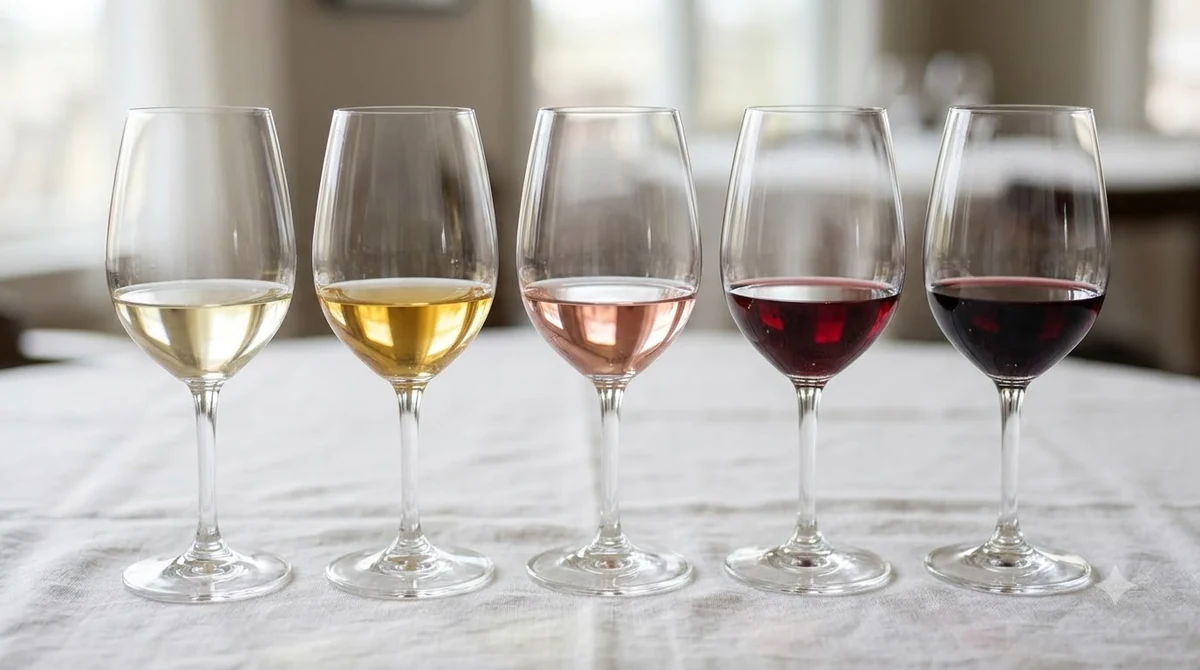
Established in October 1984, Sonoita was Arizona’s first AVA. The University of Arizona Cooperative Extension places it between the Santa Rita, Huachuca, and Whetstone mountain ranges; the Arizona Wine Growers Association also describes the valley in relation to the Mustang Mountains. The grassland setting is spread out, with stops along Highway 82, Highway 83, Elgin Road, Upper Elgin Road, and Elgin-Canelo Road.
Sonoita is the natural orientation point for a first visit, while Elgin adds another cluster of vineyard and tasting-room destinations. Patagonia is also part of the wider Sonoita Valley community, but not every business in the valley is a winery or a walk-in tasting room. Before leaving Tucson, choose the places you most want to visit and map their current addresses rather than assuming every stop sits beside the next one.
For readers exploring how American appellations differ, the broader Wine Regions overview helps explain why an AVA identifies a defined growing area rather than guaranteeing one grape or flavor profile. The distinction is useful here: the Sonoita name points to origin and place, while each producer chooses varieties and winemaking methods suited to its own site.
High Elevation, Monsoon Weather, and Distinctive Soils
Altitude is the foundation of Sonoita’s growing conditions: much of the AVA lies around 4,500 to 5,500 feet above sea level. The grassland setting moderates southern Arizona’s heat, but growers still contend with intense sun, wind, late spring frosts, and summer monsoons.
The University of Arizona’s climate profile places much of the growing area in a growing-season temperature band of 66°F to 70°F. Wine Enthusiast reports more than 280 days of annual sunshine and diurnal temperature shifts of around 40 degrees, meaning warm days can give way to markedly cooler nights. The Arizona Wine Growers Association describes summer highs commonly in the 80s and 90s and annual rainfall of roughly 15 to 20 inches, much of it arriving during monsoon season.
| Regional measure | Typical figure | What it means for a visitor |
|---|---|---|
| AVA area | About 319 square miles | Plan by cluster, not by assuming a single walkable strip |
| Elevation across much of the AVA | 4,500–5,500 feet | Expect a cooler setting than the low desert, especially after sunset |
| Growing-season temperature band | 66–70°F | Supports a varied approach to grape selection and ripening |
| Annual sunshine | More than 280 days | Sun protection and water are sensible road-trip essentials |
| Typical day-to-night shift | Around 40°F | Large temperature changes are part of the growing environment |
| Annual rainfall | About 15–20 inches | Monsoon timing can affect vineyard work and travel conditions |
Soils vary across the valley. Wine Enthusiast describes sandy loam, limestone, and caliche, while the regional growers’ association characterizes much of the valley floor as reddish-brown gravelly loam. Soil, slope, drainage, and exposure can change from site to site. Monsoon storms may bring heavy rain and hail, while wind and late frosts add further pressure; Wine Enthusiast reports yields of roughly 1.5 to 2 tons per acre in difficult conditions.
For a closer look at the region’s climate mapping, the University of Arizona Cooperative Extension’s Sonoita AVA profile breaks down temperature, elevation, slope, and growing-degree-day patterns. The information helps explain why nearby vineyards can make different choices about grape variety, row orientation, and harvest timing.
Local Grapes and the Wines to Look For
Sonoita is not defined by one signature grape; its identity comes from experimentation across varieties that can handle a high, dry site with a summer rainy season. Syrah, Malvasia, Roussanne, and Viognier are among the region’s most planted grapes, while individual vineyards also work with varieties such as Petit Verdot, Vermentino, Montepulciano, Petit Manseng, Cabernet Sauvignon, Sangiovese, and Tannat.
That range means a tasting flight can move from aromatic whites to fuller reds without leaving the local appellation. Viognier and Roussanne can offer textured, aromatic white-wine experiences; Malvasia may bring floral or citrus notes depending on the style. Vermentino is another useful white to seek out if you like freshness with savory edges. Ask what is currently being poured rather than expecting the same lineup at every tasting room.
Among reds, Syrah is a natural point of comparison because it is widely planted in the region and can show dark fruit, pepper, and savory character. Cabernet Sauvignon and Petit Verdot provide a firmer tannic frame, while Sangiovese can be a useful reference for bright acidity and food-friendly structure. Tannat, which is grown by Sonoita Vineyards and featured by other local producers, is known for its substantial tannin. Pinot Noir appears at Sonoita Vineyards too, showing that the local portfolio is not limited to big-bodied reds.
Producer choices show how broad the regional palette can be. Sonoita Vineyards lists Chardonnay, Mission, Merlot, Cabernet Sauvignon, Syrah, Petite Sirah, Sangiovese, Sauvignon Blanc, Pinot Noir, Malbec, and Tannat among its plantings. Los Milics founder and winemaker Pavle Milić has described growing more than a dozen varieties on a 20-acre vineyard, including Petit Verdot, Vermentino, and Montepulciano. Wine Enthusiast’s Sonoita regional profile introduces the area’s unusual conditions and experimental grape mix. Taste with an open mind: a local Syrah need not imitate the Rhône, and a Sauvignon Blanc can reflect its site more than a familiar New Zealand template. Compare acidity, body, texture, and finish rather than judging each wine against a style from another climate.
Which Sonoita and Elgin Wineries Should You Visit?
The strongest first-time itinerary balances different settings rather than trying to collect the highest possible number of winery stops. Sonoita Vineyards, Rune Wines, Los Milics Vineyards, and Rancho Castillo provide distinct starting points, while the Sonoita-Elgin Chamber of Commerce lists additional tasting rooms including Callaghan Vineyards, Dos Cabezas WineWorks, Deep Sky Vineyards, Autumn Sage, Flying Leap, and Twisted Union.
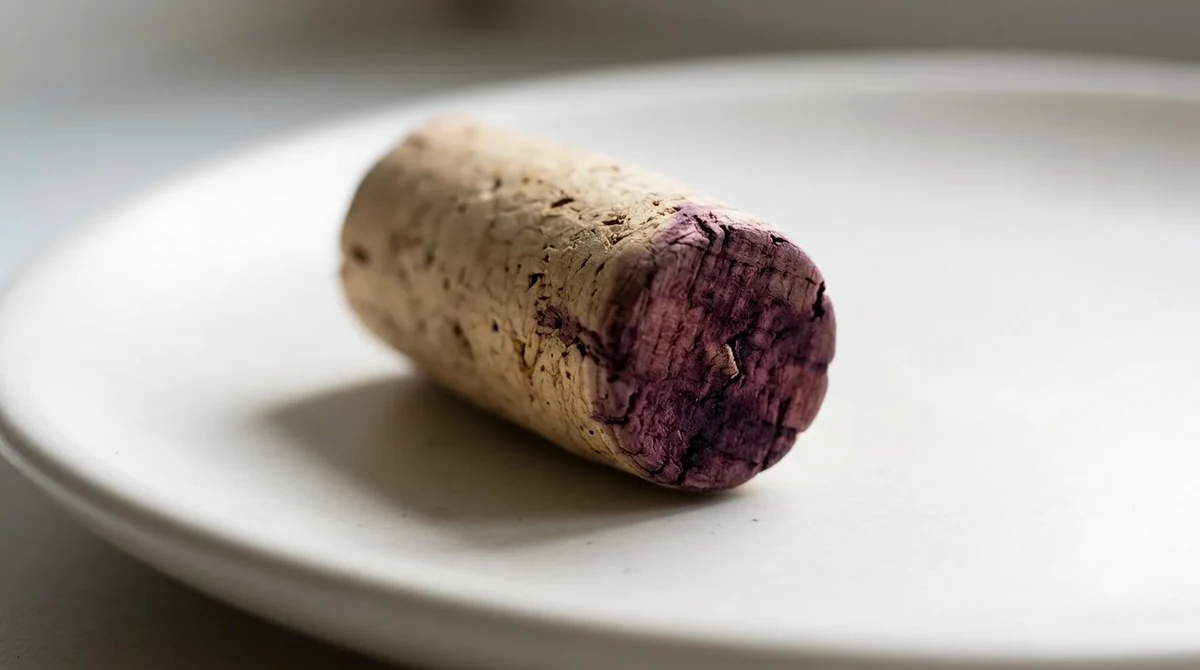
For regional history, consider Sonoita Vineyards: it began in 1974, opened in 1983, and now has more than 30 acres of vines at about 5,000 feet. Its tasting room serves a flight of four wines and has a view into the production area; during the late-August and early-September harvest, visitors may see cellar activity. Listed hours are 10 a.m. to 4 p.m., with Tuesdays closed. Nearby on Highway 82, Rune Wines describes its tasting room and vineyard as off-grid and solar-powered, with views across the grasslands and mountain ranges. Its rotating menu typically includes five or six wines, often spanning rosé, whites, and reds, alongside sandwiches, small bites, and charcuterie. Rune lists daily opening hours and says regular visits do not require reservations.
In Elgin, Los Milics Vineyards pairs a tasting room and vineyard-view patio with shared plates and private vineyard walks. Its visitor information lists weekday hours from 11 a.m. to 4 p.m. and weekend hours from 10 a.m. to 4 p.m.; reservations are strongly recommended because walk-in space is limited, and parties of six or more need reservations. For another stop along AZ-82, Rancho Castillo lists walk-in tastings Wednesday through Sunday and offers small-production Tannat, red blends, and white wines at 3266 AZ-82 in Sonoita. Food service hours differ on Wednesday, so confirm the kitchen schedule when lunch is part of the plan.
The Sonoita-Elgin Chamber of Commerce lists additional tasting rooms including Callaghan Vineyards, Dos Cabezas WineWorks, Deep Sky Vineyards, Autumn Sage, Flying Leap, and Twisted Union. Callaghan’s listed tasting days are Thursday through Sunday, while Dos Cabezas has a separate schedule; smaller wineries may adjust hours for events, staffing, or seasonal activity, so confirm directly before setting out. For a comparison with a more tightly clustered regional route, the Traverse City wine trail offers an example of how a wine area can be organized around several winery corridors.
How to Plan a Relaxed Sonoita Wine Trail Day
A comfortable day usually includes two or three winery visits, a meal, and enough time to enjoy the landscape between stops. From Tucson, the drive to Sonoita or Elgin is roughly 45 to 60 minutes depending on the destination and route; from Phoenix, plan on a much longer drive, often close to three hours before local detours.
Choose tasting rooms that fit your interests. A history-minded visitor might begin at Sonoita Vineyards and continue to Rune Wines; for a meal alongside the tasting, reserve at Los Milics and add one nearby stop. Think in clusters: Highway 82 connects several Sonoita-area businesses, while Elgin Road and Upper Elgin Road lead toward vineyard destinations. Rural roads can take longer than a map suggests, so confirm addresses and leave time for photo stops and conversations with tasting-room staff.
Choose a weekday if quieter tasting rooms appeal to you. Sonoita Vineyards recommends Monday through Thursday, outside holiday weeks, for more one-on-one conversation, and notes that weekend afternoons are busier. Los Milics recommends reservations because walk-in capacity is limited, and parties of six or more need to reserve. Season also changes the visit: the summer monsoon period, generally July into early September, can turn the grasslands greener but brings afternoon storms, while cooler months make outdoor patios more comfortable. Winter nights can be cold at this elevation even after a sunny afternoon, so bring an extra layer.
Arrange transportation before the first tasting. Choose a designated driver who will not drink, book a local tour operator, or stay overnight so nobody has to drive after sampling wine. Keep the itinerary realistic: flights take time, food stops matter, and conversations with staff are part of the experience. The Applegate Valley wine trail is another rural tasting route where spacing and transportation deserve as much attention as the winery list.
Food Pairings, Serving Temperatures, and Tasting Etiquette
Food can make the range of Sonoita wines easier to understand, especially when a tasting room offers local ingredients or shared plates. Match the wine’s weight and acidity to the dish: bright whites work well with tangy foods, while fuller reds can stand up to grilled meats and savory preparations.
For Sauvignon Blanc or a crisp white blend, try goat cheese, citrus-dressed salads, grilled vegetables, or seafood with lemon; the food’s acidity complements the wine. Roussanne and Viognier can have more body and aromatic intensity, making them good partners for roast chicken, herbed pork, creamy polenta, and roasted squash. Chardonnay can work with richer poultry or vegetable dishes, depending on whether the wine is lean or oak-influenced.
Syrah, Cabernet Sauvignon, Tannat, and other structured reds suit grilled beef, lamb, mushrooms, and smoky dishes. Salt and fat soften the perception of tannin, so a savory meal can make a firm red feel more approachable. Sangiovese can work with tomato-based dishes because its acidity meets the food’s acidity. Avoid pairing a heavily tannic red with oily fish, and use care with very spicy dishes: chili heat can feel stronger alongside alcohol and tannin.
Serve light whites and rosé around 45°F to 50°F, fuller whites around 50°F to 55°F, light reds around 55°F to 60°F, and fuller reds around 60°F to 65°F rather than warm room temperature. During a tasting, pause between samples and notice aroma, acidity, body, and finish. Ask which grape or blend is in the glass, whether the fruit came from the estate or another Arizona vineyard, and how the growing season influenced the wine. A few quick notes after each flight help keep the details straight across several stops.
Frequently Asked Questions
What does an AVA label guarantee for a Sonoita wine?
For a wine labeled with the Sonoita AVA, at least 85 percent of its grapes must have been grown within that appellation. The wine must also be fully finished within Arizona, under the federal AVA labeling rules described by the Arizona Wine Growers Association.
How much of the Sonoita AVA is privately owned?
The University of Arizona Cooperative Extension reports that about 126 square miles, or 39 percent of the 319-square-mile AVA, is privately owned. Federal and state entities manage the rest, so the official wine-growing boundary includes a substantial amount of land that is not private vineyard property.
How many people can Sonoita Vineyards accommodate?
The tasting counter is designed for groups of about 12 to 20 people, while the full tasting room can accommodate roughly 40 to 50. Larger parties should contact the winery before arriving so staff can advise on the best arrangement.
Are dogs allowed at Sonoita-area tasting rooms?
Policies differ by winery. Los Milics Vineyards says dogs are welcome in its Elgin tasting room and on its patio, while other producers may limit animals to outdoor areas or require a leash. Contact each stop before bringing a pet, especially when the visit includes indoor seating.
What address should visitors enter for Rune Wines?
Use 3969 AZ-82, Sonoita, Arizona 85637. The winery says its entrance is between mile markers 39 and 40 on the south side of the highway, at the crest of the hill.
The Sonoita wine trail rewards visitors who leave space for discovery: an unfamiliar grape, a conversation about the monsoon season, or a view across the grasslands can become the highlight of the day. Choose a manageable group of stops, confirm the details directly, and let the region’s varied wines tell the story of this high-elevation corner of Arizona.
More in Wine Regions
 Willcox Wine Trail: Discover Arizona’s High-Elevation Wine CountryUpdated Nov 20, 2026
 Yakima Valley Wine Region: Find the Best Styles to TryUpdated Nov 20, 2026
 Vosne Romanee Wine Tasting: Identify Aromas and Choose Better PairingsUpdated Nov 20, 2026
 Yakima Valley Wine Festival: Find the Best Seasonal Wine EventsUpdated Nov 20, 2026
 Wales Vineyards: Discover Cool-Climate Wines and Where to VisitUpdated Nov 20, 2026
 Yountville Wine Festival: Discover Napa Wines and Local FoodUpdated Nov 20, 2026