

We may earn a commission when you buy through links on this page, at no extra cost to you. Learn more.
Rutherglen wine tasting introduces visitors to Australia’s distinctive fortified wines, particularly the rich, barrel-aged Muscat and Topaque produced in northeastern Victoria. This historic wine region also offers full-bodied Durif, expressive Shiraz, aromatic white wines, and welcoming family-run cellar doors. Understanding its fortified wine classifications, planning a sensible winery route, and knowing what to taste makes a visit much more rewarding.
Located near the Murray River, close to the New South Wales border, Rutherglen combines generations of winemaking knowledge with a varied modern wine scene. Its gold rush heritage, traditional barrel cellars, and distinctive climate give the region a character that differs from better-known Australian wine destinations. Whether you are interested in mature fortified wine stocks or contemporary table wines, Rutherglen offers plenty to explore.
Understanding the Rutherglen Wine Region
Rutherglen is a historic wine-producing area in northeastern Victoria, approximately three hours by road from Melbourne. Its warm continental climate, cool nights, and extended dry autumn contribute to ripe grapes and the concentrated flavors associated with its famous fortified wines.
According to Wine Australia, the region covers approximately 781 hectares of vineyards and receives around 330 millimeters of growing-season rainfall. Its mean January temperature is approximately 23.7°C, and vineyard elevations range from 122 to 592 meters. These conditions support a range of grapes, although Muscat and other fortified varieties remain central to its reputation.
Rutherglen’s winemaking history developed significantly during Victoria’s gold rush in the 1850s. The arrival of settlers and the growth of mining communities helped establish vineyards and wineries that eventually became important producers of fortified wine. Some local families have continued their winemaking traditions across several generations.
The region’s soils vary from red loam over clay to sandy loam closer to the Murray River. Other areas contain shale and quartz. These differences, combined with variations in vineyard elevation and exposure, contribute to differences in grape-growing conditions. The warm summer climate encourages ripening, while cooler nighttime temperatures provide some relief from daytime heat.
Although fortified wine receives much of the attention, Rutherglen is not limited to one style. Shiraz, Durif, Cabernet Sauvignon, Marsanne, Roussanne, and Viognier are among the varieties visitors can encounter. Tempranillo, Sangiovese, and Zinfandel also contribute to the region’s diversity.
More than 20 wineries operate across the wider region, ranging from established family producers to smaller contemporary businesses. This makes it possible to build a tasting itinerary around fortified wines, explore contrasting red wine styles, or combine both approaches.
For visitors comparing Australian destinations, Rutherglen offers a particularly different experience from Willcox wine tasting in Arizona or the better-known cool-climate regions of Victoria. Its identity is closely connected to the development of fortified wines and the preservation of mature blending stocks.
For additional regional background, Wine Australia’s Rutherglen regional profile provides useful information about vineyard area, climate, soils, and the area’s principal grape varieties.
Muscat, Topaque, and the Region’s Signature Wines
Muscat and Topaque are the two essential wines to understand before visiting Rutherglen. Both are fortified, naturally sweet wines, but they use different grape varieties and offer distinct aromatic and flavor profiles.
Rutherglen Muscat is produced from Muscat à Petits Grains Rouge, locally known as Rutherglen Brown Muscat. This grape develops concentrated fruit flavors as it ripens late in the season. Producers allow the grapes to reach high sugar levels before fermentation and fortification create the characteristic rich style.
Expect aromas of raisins, dried figs, orange blossom, espresso, nuts, toffee, and dark chocolate. The wines are generally full-bodied, intensely sweet, and relatively low in acidity, with negligible tannin. Their texture can range from generously rounded to remarkably thick and concentrated.
Topaque is made from Muscadelle. It has its own distinctive profile, often featuring caramel, roasted nuts, honey, dried fruit, and subtle spice. Although it can share some characteristics with Muscat, Topaque frequently presents a different balance of richness and aromatic expression.
Both wines are fortified with grape spirit during production. The addition of spirit raises the alcohol level and helps preserve natural grape sweetness by stopping or limiting fermentation. The wine then matures in oak barrels or large casks, where gradual development creates additional layers of flavor.
Producers use blending techniques to combine wines from different harvests and stages of maturation. This approach helps maintain a recognizable house style while adding depth and complexity. Some mature stocks contain wines that have spent decades developing in barrels.
Rutherglen also produces several noteworthy dry table wines. Shiraz is generally rich and full-bodied, while Durif is particularly important to the local red wine identity. Marsanne, Roussanne, and Viognier provide alternatives for visitors interested in aromatic and Rhône-inspired white wines.
Durif deserves particular attention. Also known internationally as Petite Sirah, this variety can produce deeply colored wines with concentrated dark fruit, substantial body, and high tannin. It is an especially useful contrast to the sweetness and richness of Muscat.
Shiraz provides another comparison. Expect dark berries, pepper, spice, and ripe fruit, with a fuller structure than many lighter Australian red wines. Individual examples vary according to vineyard conditions, harvest decisions, and winemaking techniques.
A useful tasting strategy is to begin with a dry white or red before moving into fortified wines. The contrast helps identify how sweetness, alcohol, concentration, and barrel maturation influence the character of each glass.
The Four Rutherglen Muscat Classifications
One of the most important features of Rutherglen wine tasting is its four-level Muscat classification system. Rutherglen, Classic, Grand, and Rare indicate increasing richness, complexity, maturity, and intensity rather than simply providing a numerical measure of age.
The Winemakers of Rutherglen explains that age is an important indication of classification, but it is not the only factor. Producers also consider concentration, flavor development, and the overall character of their blends.
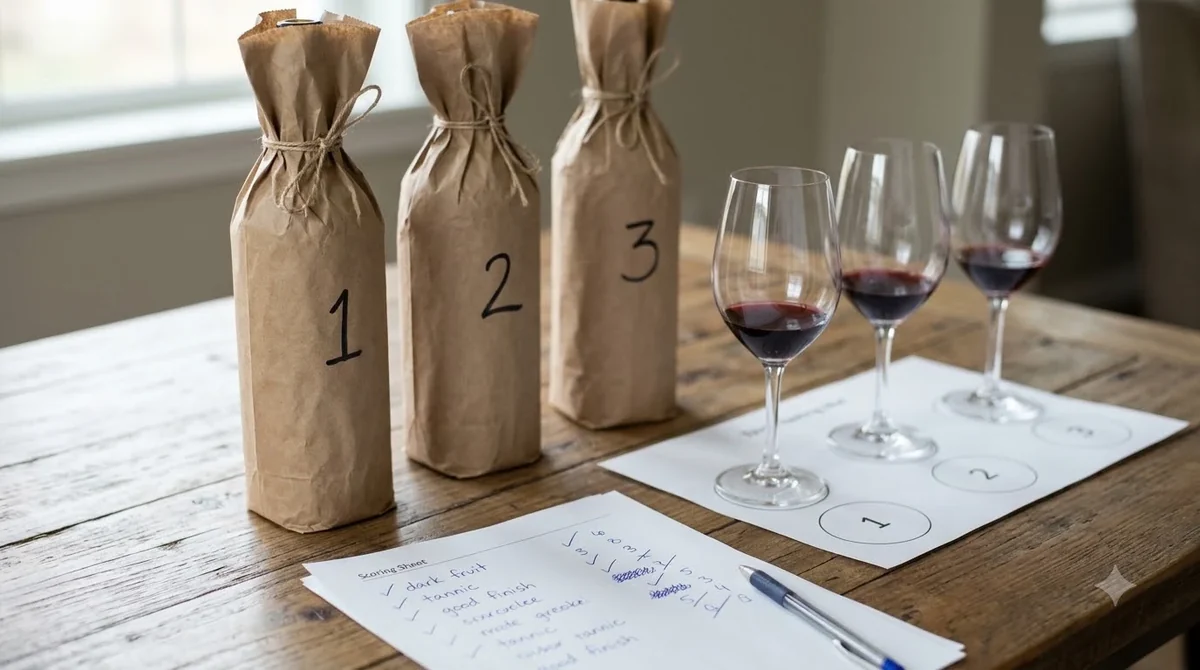
The four categories provide a practical way to compare different expressions of Muscat. Tasting them in sequence helps visitors recognize the progression from fresh fruit characteristics toward deeper dried-fruit, spice, and mature barrel notes.
| Classification | Average Age | Typical Character | Best For |
|---|---|---|---|
| Rutherglen | 3–5 years | Fresh fruit, raisins, rich sweetness | First-time tasters |
| Classic Rutherglen | 6–10 years | Greater concentration, early mature wood notes | Exploring complexity |
| Grand Rutherglen | 11–19 years | Deep fruit, spice, mature barrel character | Experienced enthusiasts |
| Rare Rutherglen | More than 20 years | Exceptional concentration and layered complexity | Special tasting experiences |
Rutherglen Muscat is the foundation category and an excellent starting point. Its fresh raisin and dried-fruit flavors are easy to recognize, while its sweetness introduces the defining character of the region. It is also suitable for visitors who want to understand the style without beginning with its most concentrated expressions.
Classic Rutherglen introduces more mature aromas and greater depth. Extended barrel maturation contributes additional complexity, with developed fruit and wood-related characteristics becoming more apparent. It offers a useful middle point between the younger category and the more concentrated wines.
Grand Rutherglen brings greater intensity and concentration. Dried fruit, spice, caramel, and mature barrel characteristics become more pronounced. Its texture is often particularly rich, and small pours allow the wine’s development to be appreciated without overwhelming the palate.
Rare Rutherglen represents the most mature classification. Its blends have an average age exceeding 20 years, and some wines may incorporate considerably older stocks. Deep color, concentrated fruit, mature wood, and a long finish are characteristic features.
One important distinction is that the classification does not mean every producer’s wines taste identical. Each winery maintains its own house style, and the blend of different vintages contributes to individual differences. Comparing Classic Muscat from two producers can therefore be just as interesting as comparing two different classification levels from one winery.
The classification also applies to Muscat rather than serving as a universal grading system for every wine produced in Rutherglen. Visitors should not automatically assume that a Durif or Shiraz labeled with a particular vintage follows the same age-based framework.
Tip: Ask for a side-by-side comparison of Classic, Grand, and Rare Muscat if the cellar door offers one. Pay attention to how fresh raisin fruit develops into dried fig, caramel, roasted nuts, and mature barrel flavors as the classifications progress.
The regional authenticity mark is another useful detail to recognize. Classified Muscat wines carry a designated mark that identifies wines made from the region’s specified Muscat vineyards and following the classification requirements. It gives visitors an additional point of reference when comparing bottles from different producers.
For a closer explanation of the four categories and their typical flavor characteristics, the Winemakers of Rutherglen Muscat classification guide provides details about grape selection, production, maturation, and regional standards.
Notable Wineries and Cellar Doors to Visit
Rutherglen has a strong selection of family-owned wineries, established fortified wine producers, and modern tasting destinations. A good itinerary should include at least one traditional fortified specialist and another winery offering a broader selection of table wines.
Campbells Wines is an important starting point for understanding the region’s history. Founded in 1870, the winery has a long association with fortified wine production. Visitors can explore its fortified range, enjoy vineyard produce, and learn about the blending traditions that have helped define Rutherglen.
Its cellar experience is particularly relevant to visitors interested in mature wines and traditional production methods. The winery offers opportunities to explore fortified styles and, depending on the experience arranged, taste wines in the historic cellar environment among large casks.
Buller Wines is another useful stop. Founded in 1921 by Reg Buller, the producer has a strong reputation for fortified wines and offers a broad range that includes Muscat, Topaque, Durif, and other styles.
Its Muscat Mile is particularly interesting for visitors who want to compare different stages of maturation. The tasting flight includes four fortified wines representing average ages of 4, 10, 25, and 50 years. This provides a direct comparison of how barrel maturation and blending influence the finished wine.
Buller also offers a guided barrel experience that includes an opportunity to taste Rare Muscat directly from the barrel. Such experiences are useful for understanding the relationship between the cellar environment and the finished fortified wine. Advance arrangements are recommended for special tours.
Stanton & Killeen is another significant family producer. Its history reflects a partnership between the Stanton and Killeen families, with generations of winemaking experience contributing to its Muscat and other fortified styles. The winery is also worth considering for visitors interested in Durif.
Chambers Rosewood Vineyards offers another perspective on traditional Rutherglen winemaking. The Chambers family established the property in 1858, and its history extends across more than six generations. The winery is particularly relevant to visitors interested in mature fortified wines and long-established blending stocks.
For a different experience, All Saints Estate combines wine tasting with historic architecture. Its castle-style property provides an attractive setting for exploring estate wines, including Rhône-inspired varieties. Visitors interested in both scenery and wine can include this stop in a broader itinerary.
Jones Winery and Vineyard offers another family-oriented destination. Its winemaking and hospitality traditions extend across several generations, and its cellar door provides an opportunity to explore Muscat alongside contemporary wines. The winery also has a restaurant serving French country-style food, making it a practical choice for a longer lunch stop.
These wineries offer different experiences, so selecting a few complementary destinations is generally more productive than attempting to visit every producer. For a first visit, Campbells, Buller, and either Stanton & Killeen or All Saints provide a useful introduction to the region’s history, fortified wines, and broader selection.
Before setting out, confirm cellar door hours and whether a reservation is required for premium flights, private tastings, or guided cellar experiences. Standard tastings and special experiences may operate under different arrangements, particularly for larger groups.
Planning a Rutherglen Wine Tasting Itinerary
A successful Rutherglen visit depends on allowing enough time to compare wines rather than rushing between cellar doors. Three or four carefully selected wineries make a practical full-day itinerary, especially when the schedule includes a relaxed lunch.
Rutherglen is approximately three hours from Melbourne by road, making an overnight stay a sensible option for visitors who want to explore several wineries. The town itself provides a convenient base, with cellar doors, restaurants, and historic streets close to the surrounding vineyards.
A suggested one-day tasting route
Morning: Begin with a traditional fortified specialist. Start at Campbells Wines to explore its long-established Muscat and Topaque traditions. A morning tasting is a good opportunity to compare the younger classifications before moving to more mature fortified examples.
Late morning: Compare barrel-aged styles. Continue to Buller Wines for its Muscat Mile experience. The four-wine flight, with average ages of 4, 10, 25, and 50 years, offers a particularly clear illustration of maturation and blending.
Lunch: Take a proper break. Enjoy a meal at a winery restaurant or in Rutherglen village. Jones Winery provides a French country-style dining option, while other local restaurants offer dishes suited to regional wines.
Afternoon: Explore a contrasting producer. Visit Stanton & Killeen for fortified wine and Durif, or choose All Saints Estate for its historic architecture and broader selection of estate wines. This final stop helps balance the day’s emphasis on sweet fortified styles.
Four visits can be enough for a substantial introduction, particularly if the itinerary includes special tasting flights. Smaller groups may prefer three wineries to leave additional time for questions and food.
Visitors with more time can spread their tastings over two days. The first day can focus on Muscat and Topaque, while the second explores Durif, Shiraz, and Rhône-style whites. This approach reduces palate fatigue and makes it easier to compare wines thoughtfully.
Getting around the region
The wineries are spread across the countryside, so transportation should be arranged before the first tasting. A designated driver, private tour, or organized winery transfer allows everyone to enjoy the experience without driving after drinking.
For visitors who prefer outdoor activities, the Rutherglen Loops provide a network of walking and cycling routes covering approximately 48 kilometers. The network includes four distinct loops, with shorter circuits and a Wine Loop extending approximately 23 kilometers.
The cycling routes offer a different perspective on the vineyards and surrounding farmland. However, visitors should plan their cycling and wine tasting activities separately, allowing enough time and choosing suitable transportation rather than combining alcohol consumption with riding.
For an overnight visit, consider staying in or near Rutherglen rather than returning immediately to Melbourne. This allows time for an unhurried dinner, a morning walk through the historic town, and additional cellar door visits the following day.
Those interested in comparing regional wine traditions can also explore Alsace wine tasting, where aromatic white grapes and distinctive regional classifications provide an interesting contrast to Victoria’s fortified wine heritage.
Food Pairings, Serving Temperatures, and Tasting Techniques
Rutherglen wines offer several food-pairing possibilities, particularly because the region produces both richly sweet fortified wines and substantial dry reds. The key is to match sweetness and intensity while considering acidity, tannin, and alcohol.
Muscat pairs naturally with desserts featuring dried fruit, caramel, chocolate, and nuts. Try it with sticky date pudding, fruitcake, dark chocolate, or a dessert featuring figs and raisins. The wine should be at least as sweet as the dessert to prevent it from tasting thin or sour alongside the food.
Topaque is particularly suitable for caramel desserts, nut-based pastries, crème brûlée, and dishes featuring toasted almonds. Its developed flavors can also complement mature cheeses, especially those with a strong savory character.
Cheese is one of the most versatile companions for Rutherglen fortified wine. Salt and fat soften the perception of tannin, while the sweetness of Muscat provides a useful contrast to salty or pungent cheeses. Blue cheese, mature cheddar, and creamy Brie are all worth considering.
For a savory pairing, try Classic Muscat with slow-cooked meat, spicy curry, or dishes with concentrated sauces. The richness of the wine can work well with substantial flavors, although very hot chili dishes may make its alcohol more noticeable.
Dry Durif and Shiraz require a different approach. Their fuller body and more substantial tannin make them suitable for grilled beef, lamb, roasted vegetables, and slow-cooked dishes. Salt and fat in the food help soften the perception of tannin, while concentrated savory flavors complement the wines’ dark fruit character.
Rutherglen’s Rhône-inspired white wines offer further possibilities. Marsanne and Viognier can work with roast poultry, creamy sauces, and aromatic dishes. The best pairing depends on the wine’s weight, acidity, and degree of richness.
Choosing the right serving temperature
Serving temperature makes a noticeable difference, particularly with concentrated fortified wines. Muscat and Topaque generally benefit from being served slightly chilled, which helps balance their sweetness and alcohol.
A useful starting point for sweet fortified wines is approximately 43–50°F. This temperature range preserves aromatic expression while keeping the wine refreshing. If served too warm, a concentrated fortified wine can feel heavier and more alcoholic.
For dry table wines, adjust the temperature according to their structure. Light whites are generally best around 45–50°F, while fuller-bodied whites benefit from approximately 50–55°F. Light reds can be served at 55–60°F, and fuller reds generally work well around 60–65°F.
Use smaller pours when comparing several fortified wines. A standard wine serving is approximately 5 ounces, and a 750-milliliter bottle contains roughly five standard glasses. Premium fortified flights, however, are often served in much smaller tasting portions.
How to approach a tasting flight
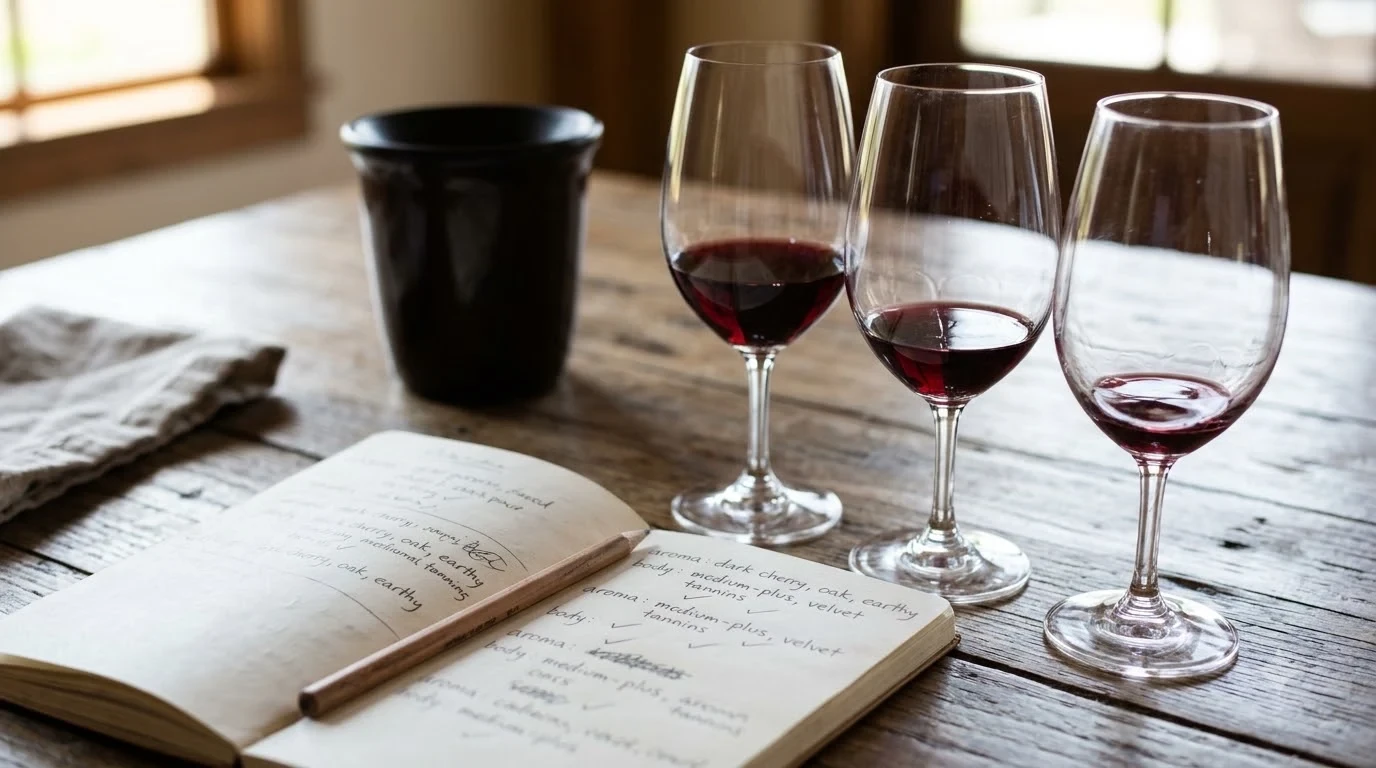
Begin by examining the color, which can range from amber and copper to deep brown or almost black. The appearance provides an early indication of concentration and maturation, although color alone cannot determine quality or classification.
Next, smell the wine before tasting. Look for recognizable aromas such as raisins, orange blossom, espresso, dried figs, caramel, nuts, and spice. Older classifications may show more developed and layered characteristics.
Take a small sip and allow the wine to coat the palate. Notice the sweetness, alcohol, texture, and length of the finish. Compare the intensity of fruit with the maturity of the barrel-related flavors.
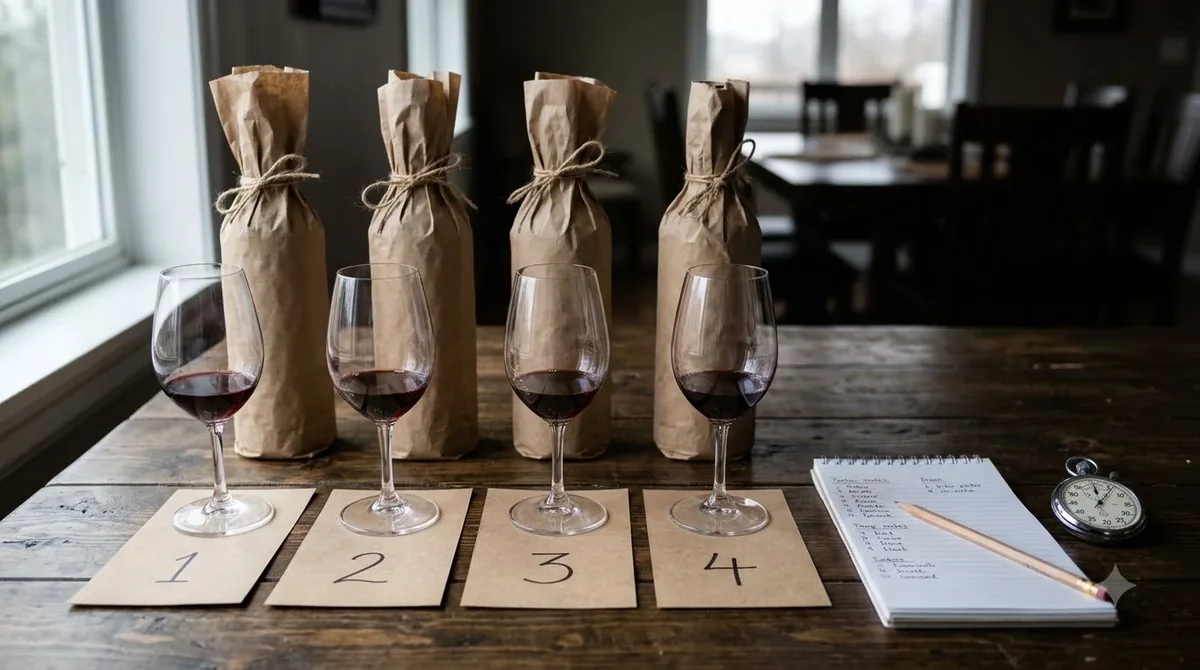
For a structured comparison, taste the four Muscat classifications in ascending order. Starting with the younger wine and finishing with Rare allows the differences in concentration and complexity to become easier to recognize.
Between flights, drink water and take a break. Bread or a neutral snack can help reset the palate, while a substantial lunch is useful during a full day of winery visits.
For visitors interested in exploring other wine regions with strong local identities, Bolgheri wine tasting offers an interesting comparison through its Italian red blends and coastal Mediterranean growing conditions. The broader Wine Regions resource can also help put Rutherglen’s varieties and production traditions into an international context.
Frequently Asked Questions
Is Rutherglen Muscat made from the same grape as ordinary table Muscat?
Rutherglen Muscat specifically uses Muscat à Petits Grains Rouge, also called Rutherglen Brown Muscat. The regional producers use particular clones that have been cultivated locally for more than 140 years. This grape selection is central to the distinctive identity of the classified wine.
Why do Rutherglen fortified wines sometimes have a very dark color?
Extended barrel maturation and concentration through evaporation contribute to the deep amber, brown, and olive-toned colors found in mature Muscat. The maturing casks can lose around 3% of their volume annually through evaporation, concentrating the remaining wine. This gradual development helps create the intense appearance and texture associated with older examples.
Can Rutherglen Muscat be used in cocktails?
Yes. Younger Rutherglen Muscat can be served over ice or incorporated into cocktails. Its raisin, floral, and caramel characteristics work particularly well in drinks that benefit from a naturally sweet fortified wine component. Start with a small quantity because its sweetness and alcohol can quickly dominate other ingredients.
Does every Rutherglen winery use the same Muscat blending method?
No. Producers maintain individual house styles and can use different blending decisions to develop their wines. Some use solera-style systems, while others manage their stocks through different traditional blending practices. The regional classification provides a shared framework without requiring identical production methods.
When does the Muscat grape harvest generally take place in Rutherglen?
According to the Winemakers of Rutherglen, the Muscat harvest generally takes place from late March through the end of April. Producers allow the grapes to ripen extensively, and some fruit continues to shrivel on the vine to achieve the desired sugar concentration. This extended ripening period requires careful attention to autumn weather and vineyard conditions.
Rutherglen is an excellent destination for discovering Australia’s fortified wine heritage, from fresh and approachable Muscat to exceptionally mature Rare classifications. A visit combining Campbells, Buller, and another contrasting producer provides a rewarding introduction to the region’s wines, history, and hospitality. Take time to compare the classifications, enjoy local food, and explore the dry reds alongside the famous sweet wines to appreciate the full character of Rutherglen.
More in Wine Regions
 Willcox Wine Trail: Discover Arizona’s High-Elevation Wine CountryUpdated Nov 20, 2026
 Yakima Valley Wine Region: Find the Best Styles to TryUpdated Nov 20, 2026
 Vosne Romanee Wine Tasting: Identify Aromas and Choose Better PairingsUpdated Nov 20, 2026
 Yakima Valley Wine Festival: Find the Best Seasonal Wine EventsUpdated Nov 20, 2026
 Wales Vineyards: Discover Cool-Climate Wines and Where to VisitUpdated Nov 20, 2026
 Yountville Wine Festival: Discover Napa Wines and Local FoodUpdated Nov 20, 2026